
Gjirokastër Region
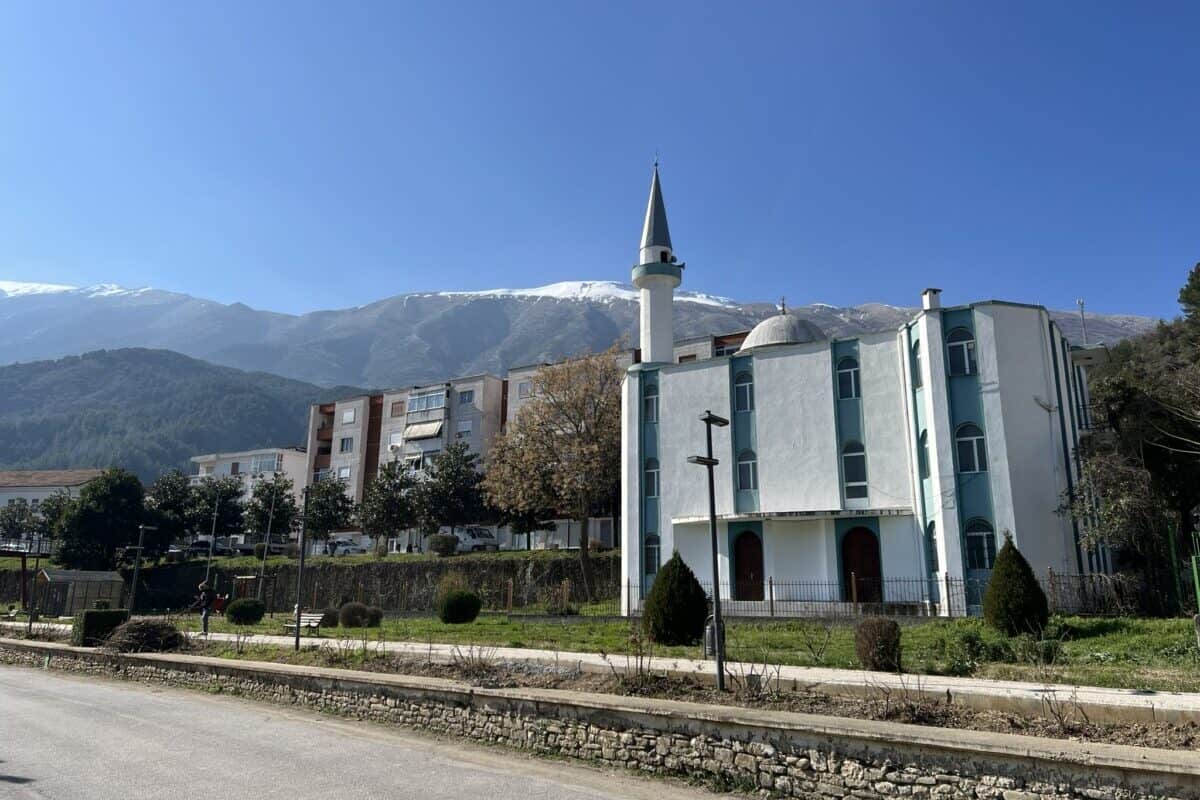
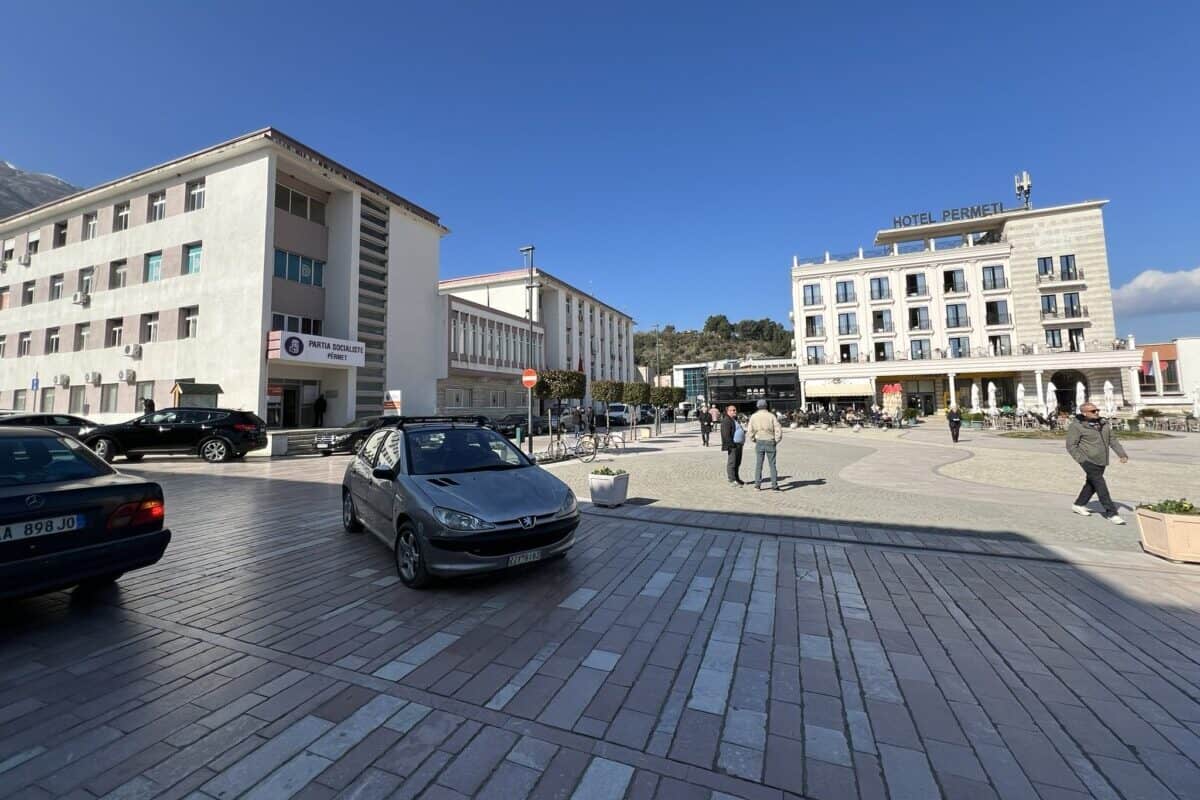
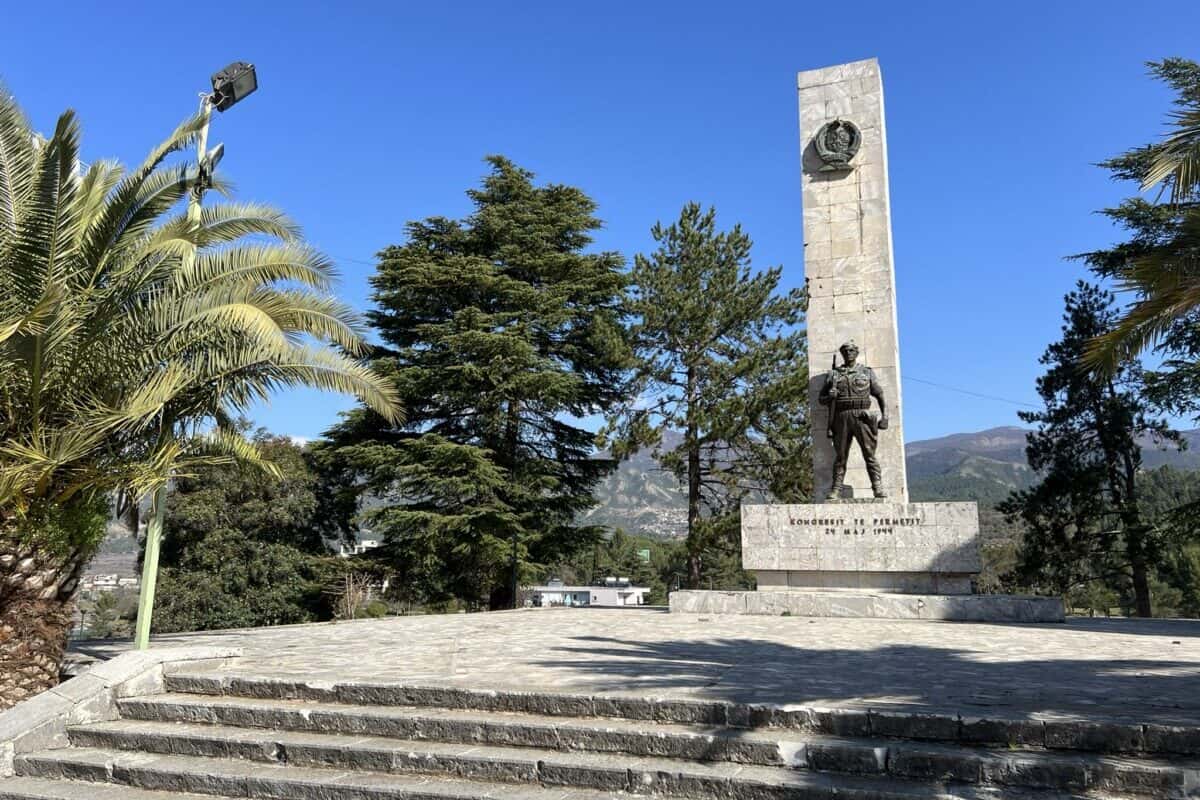
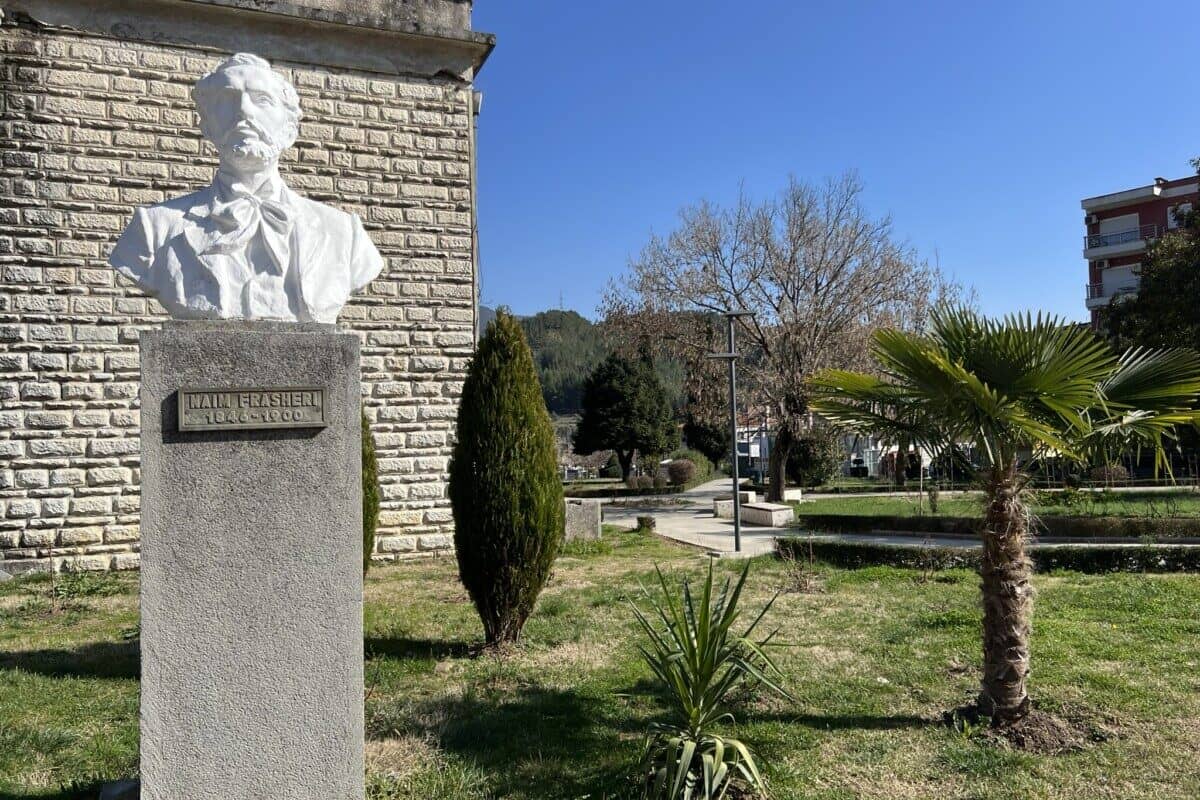
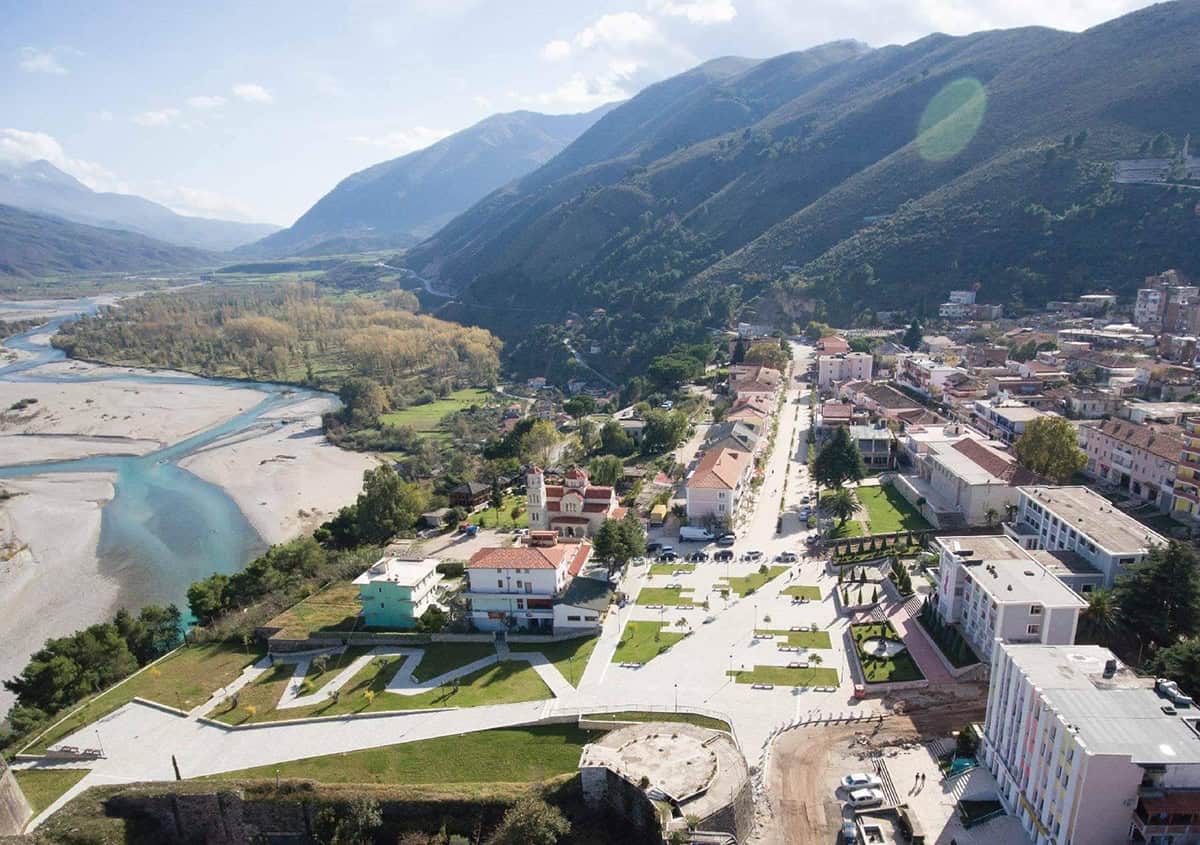
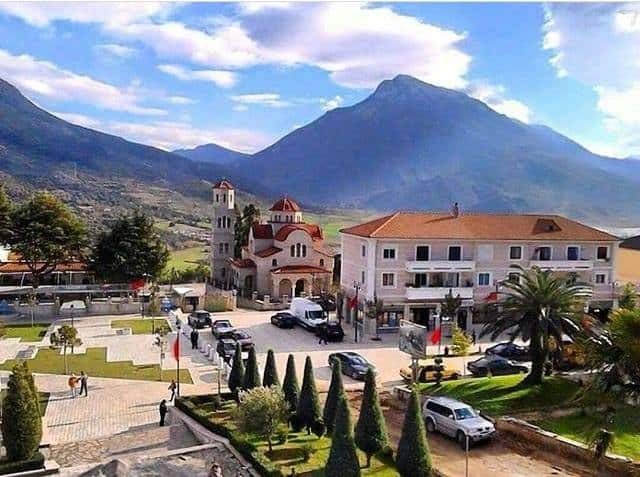
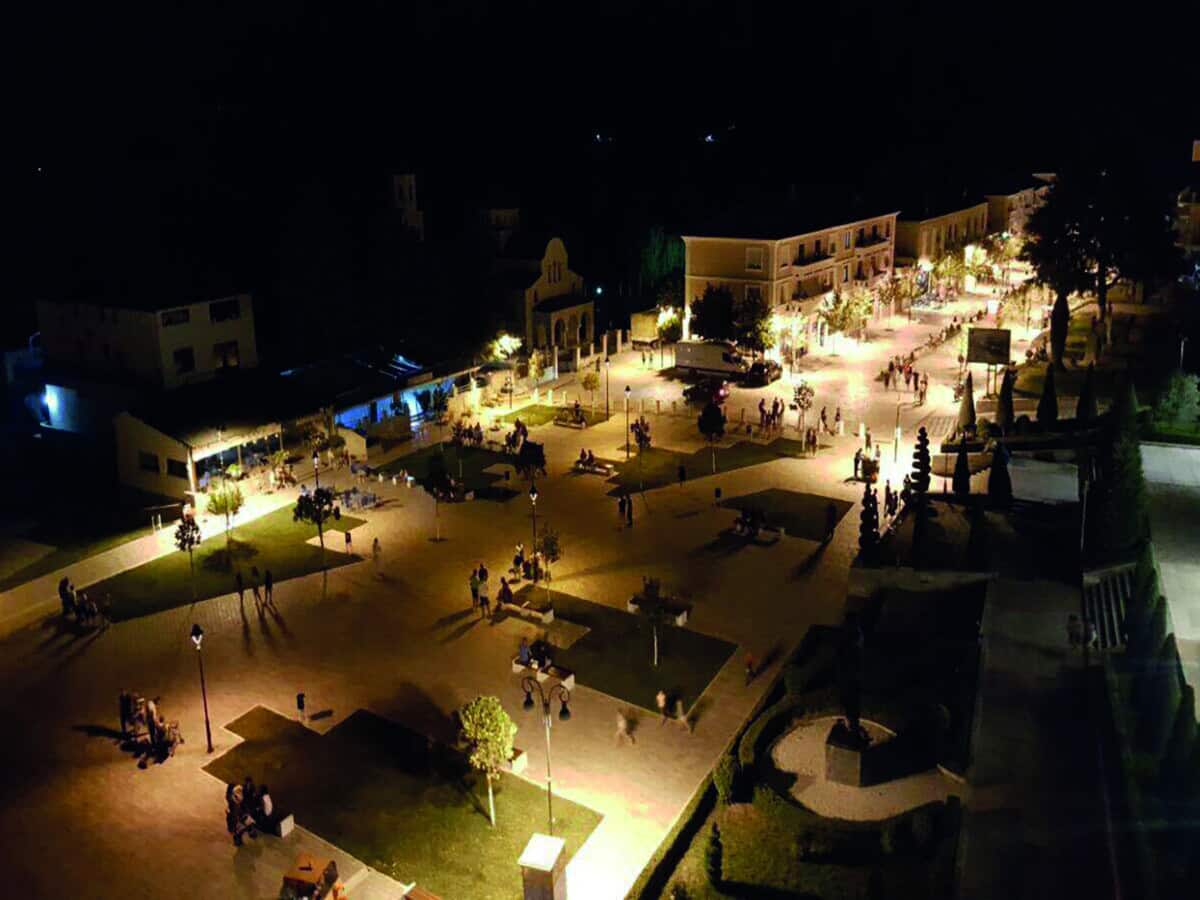
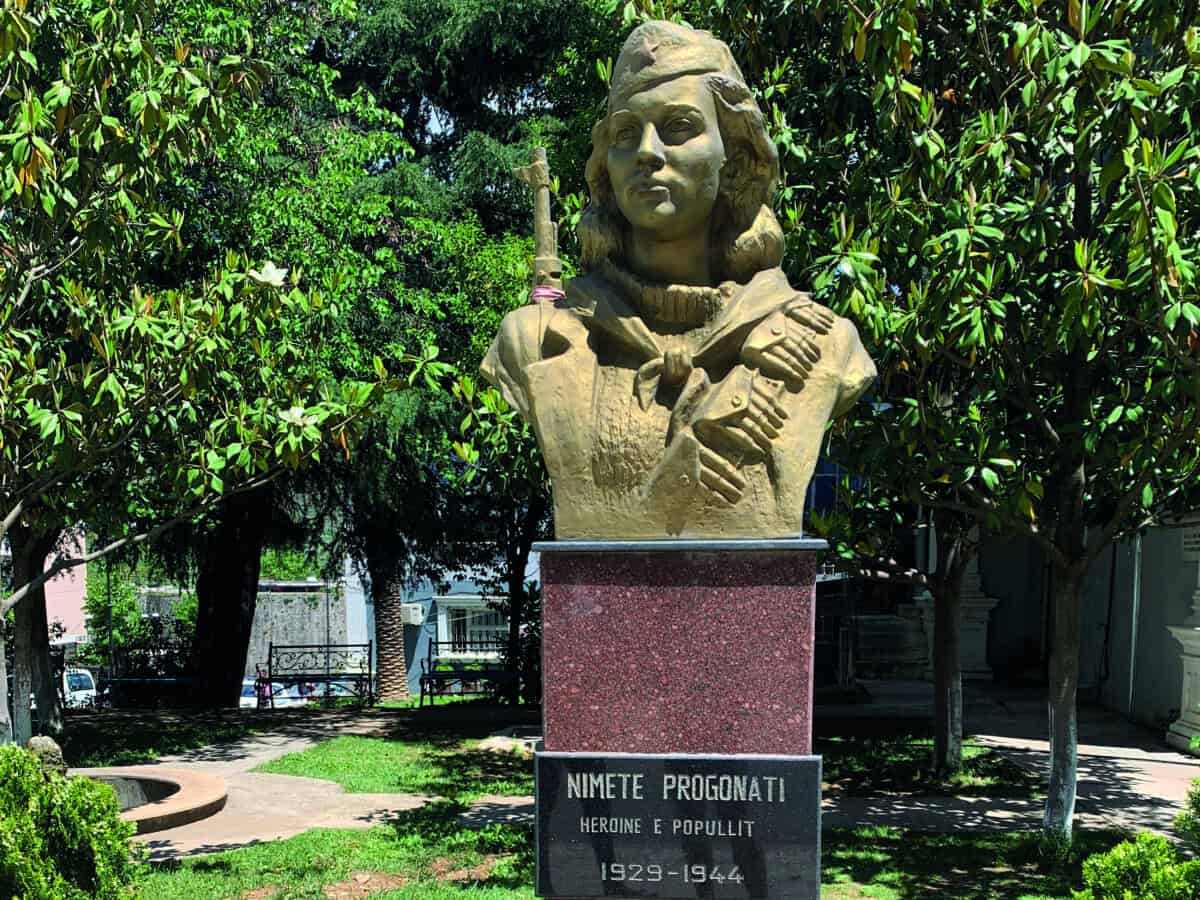
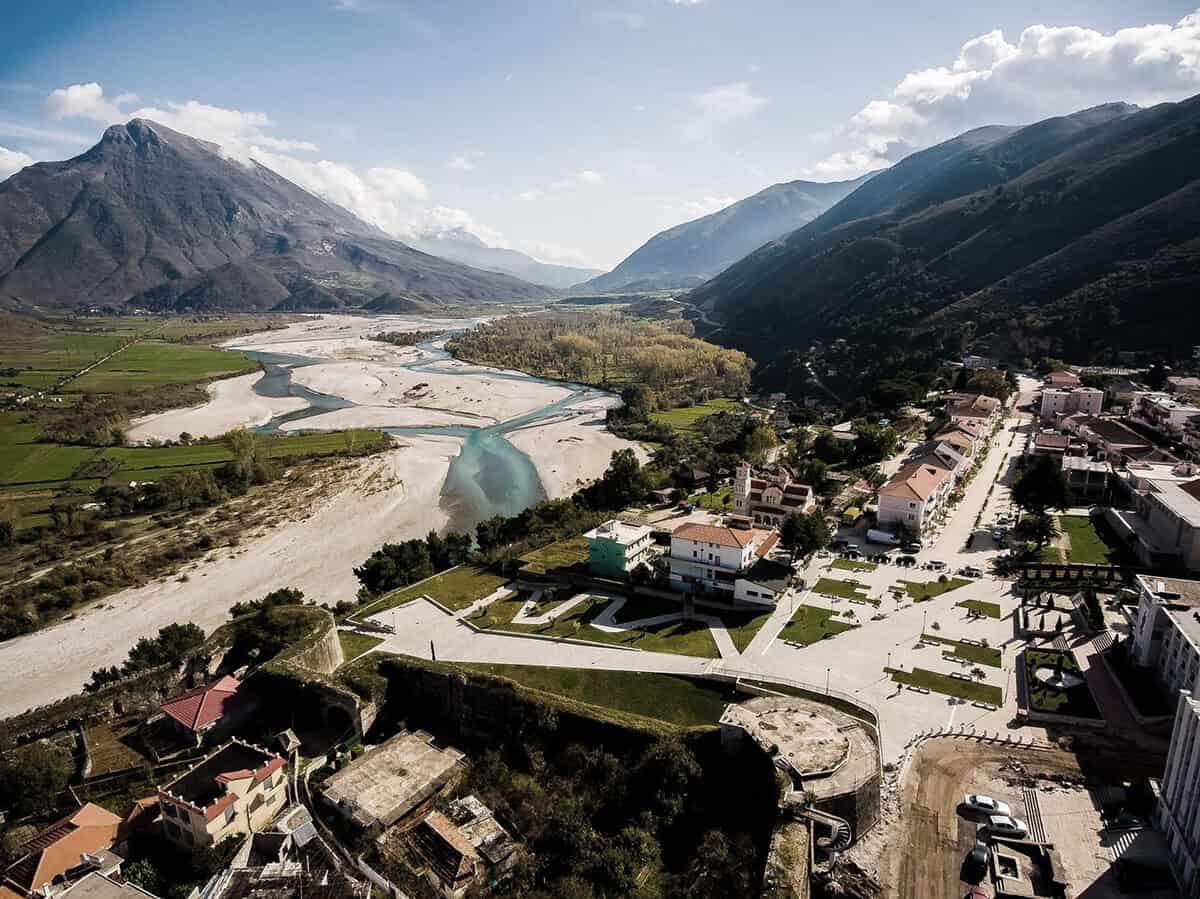
City Përmet
Více o Përmetu
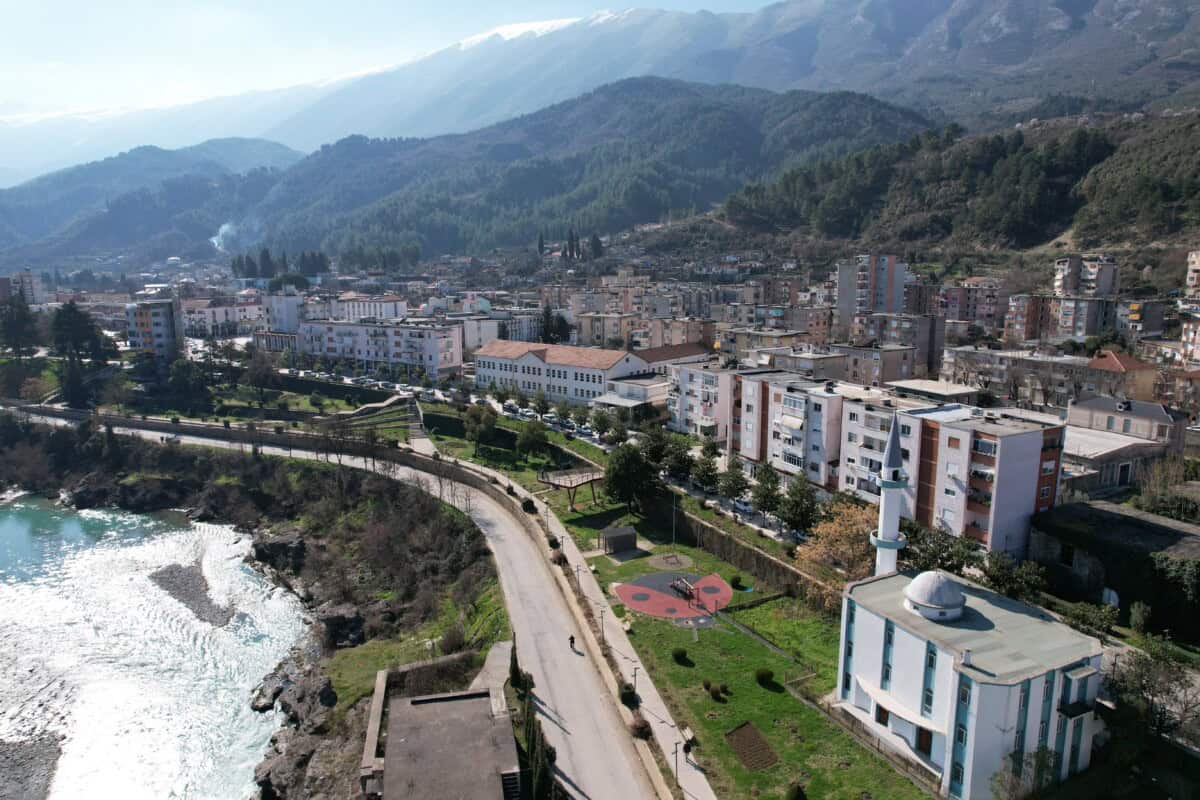
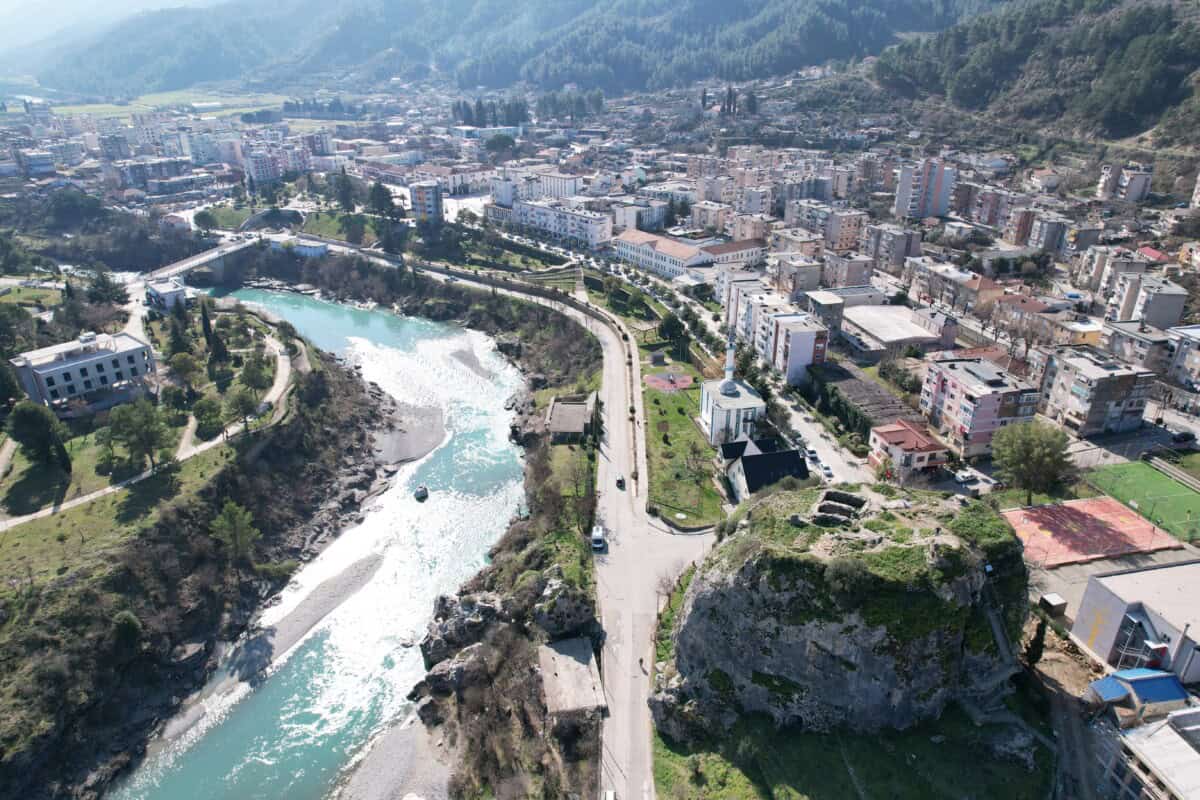
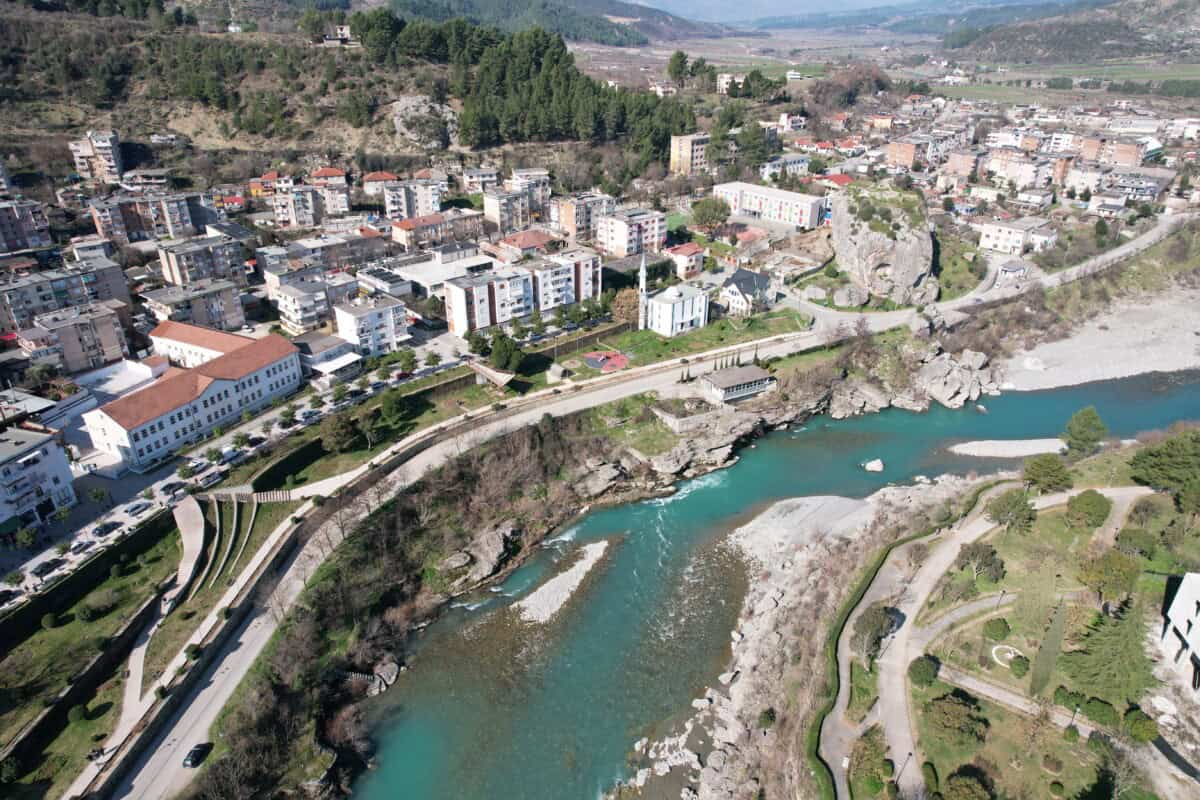
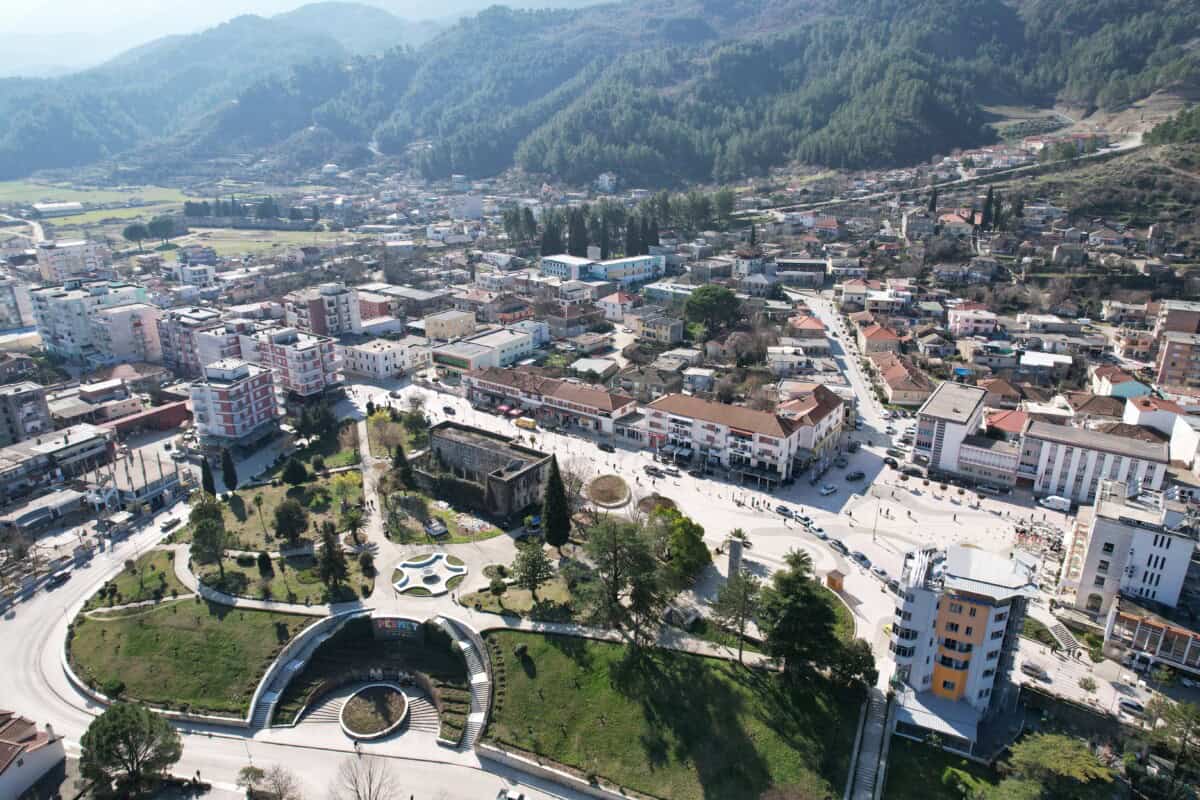
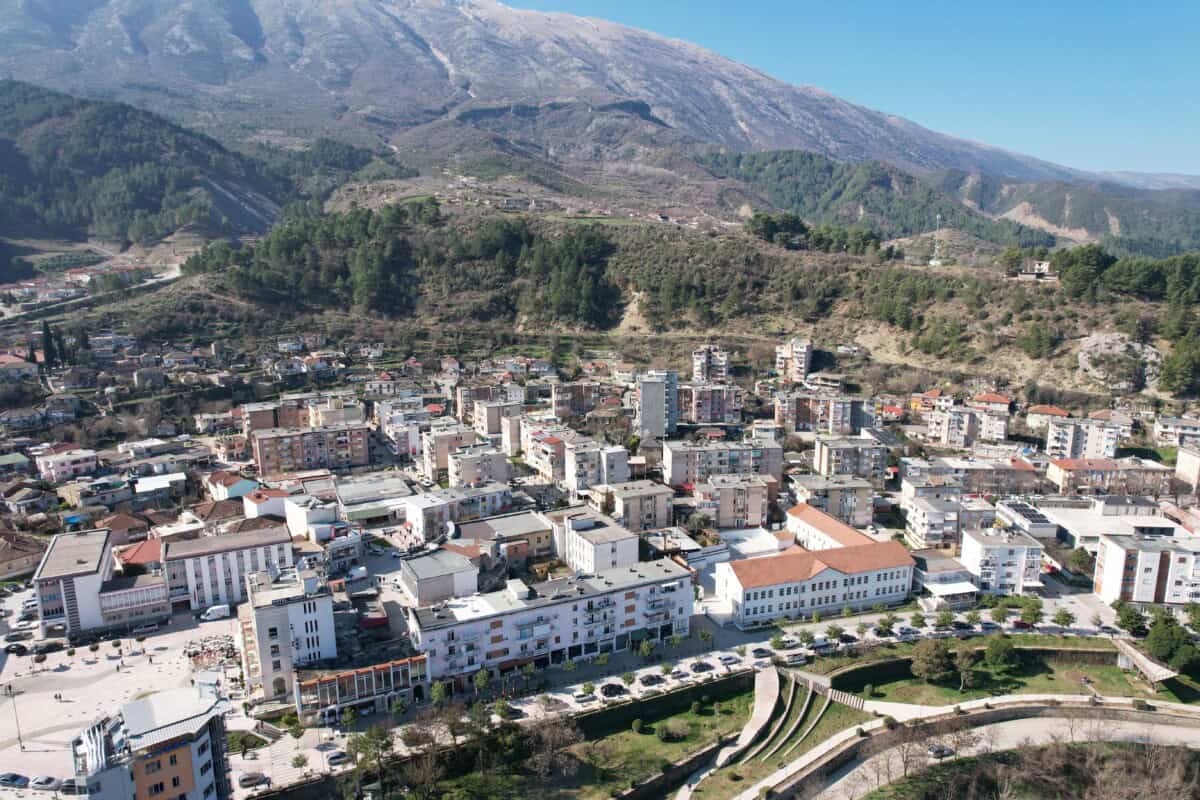
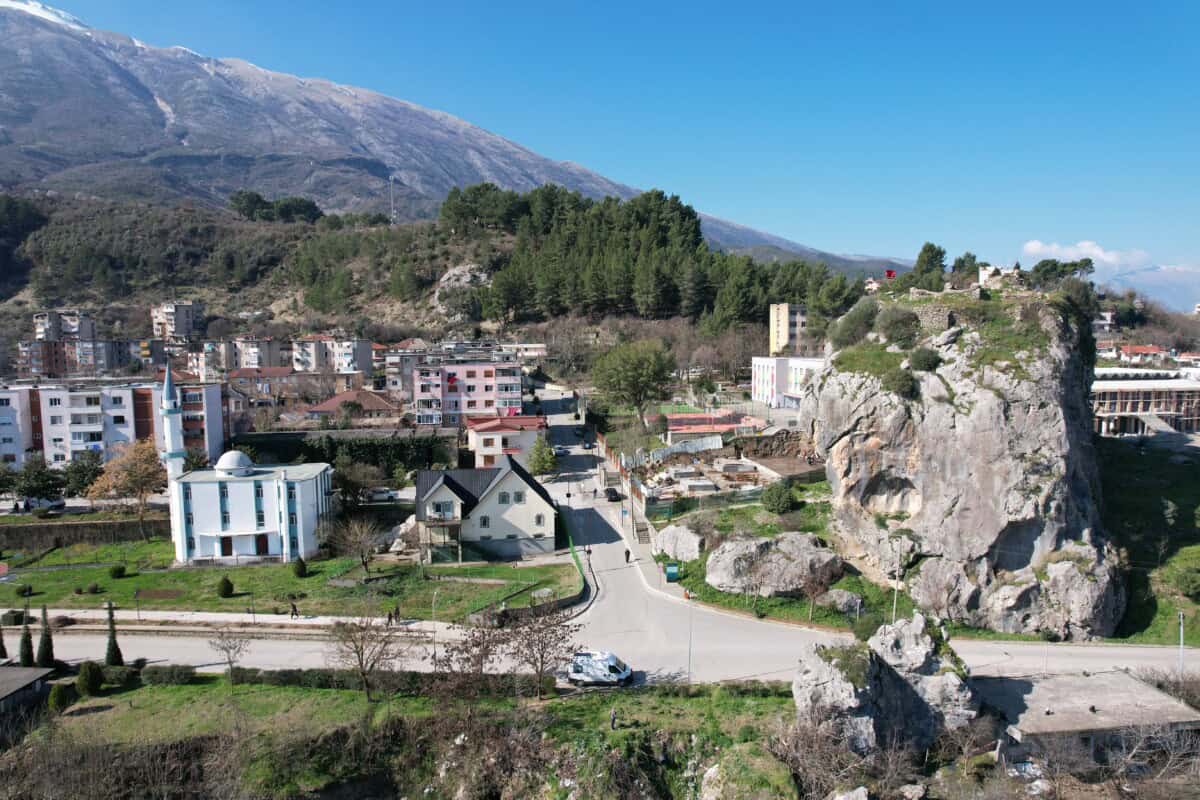
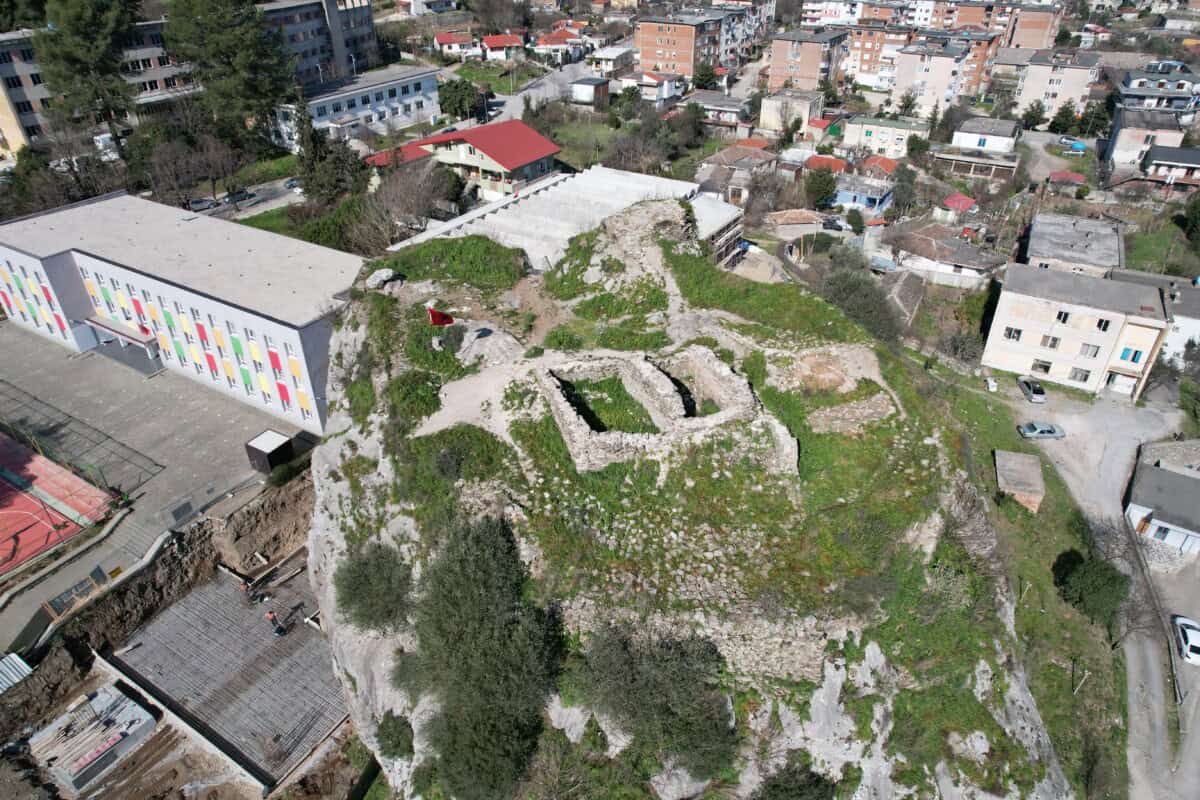
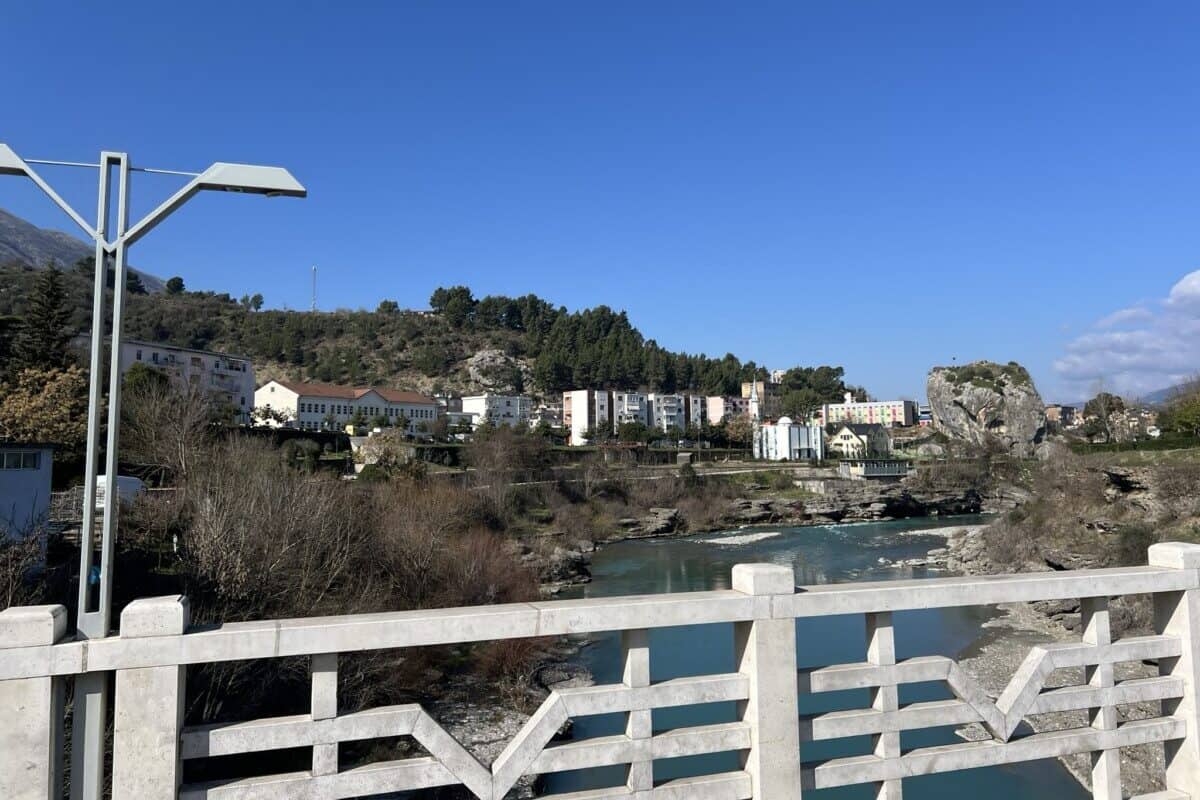
City Stone, rising in the heart of the city like a silent guardian, is a massive rock approximately 25 meters high. It forms a striking silhouette above the city center and represents the indomitable spirit of Përmet. This rare limestone formation is declared a natural and cultural monument of the first category.
Today, visitors can climb to the top via a secured metal path, from which an enchanting panoramic view opens up over the city and the Vjosa valley. The rock is an iconic place for photography, a place where legend, nature, and adrenaline meet. For everyone who visits Përmet, climbing this symbol of the city is an experience you must not miss.
In close proximity to the city, you will find a rafting center, where you can arrange a descent of the Vjosa river. The ideal time for water sports activities is spring.
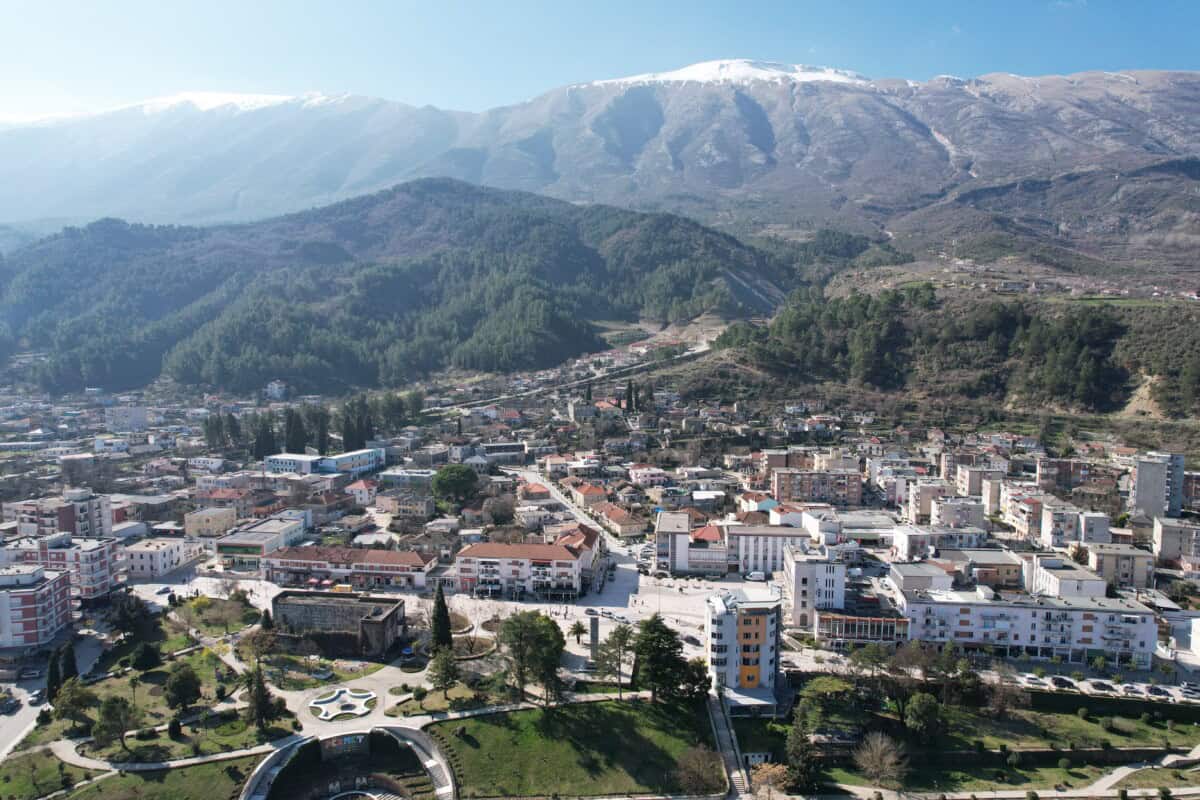
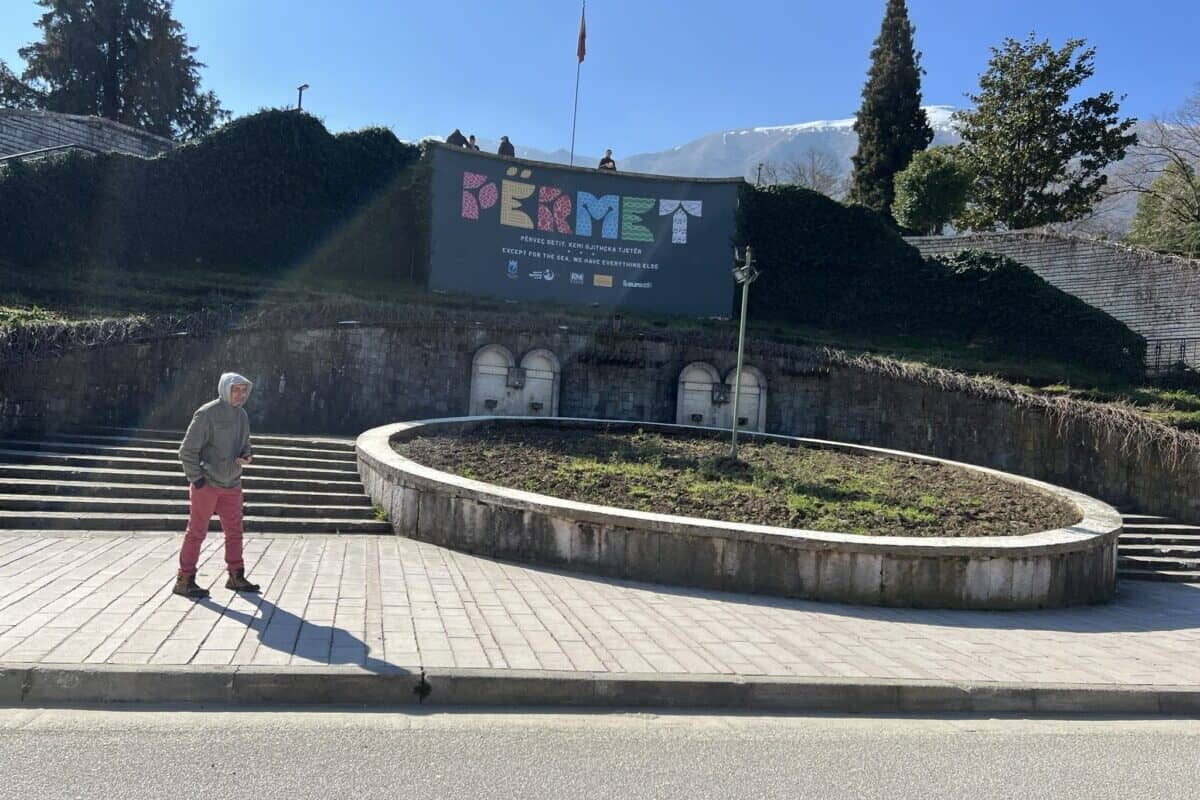
The city lies near the Greek-Albanian border, which in deeper history made it a place of dispute between Albanians and Greeks. Political tensions also occurred here during World War II and in the subsequent period. Despite these historical events, Përmet is today considered a peaceful place where inhabitants of different nationalities, cultures, traditions, and religions live together in complete harmony.
Praktické
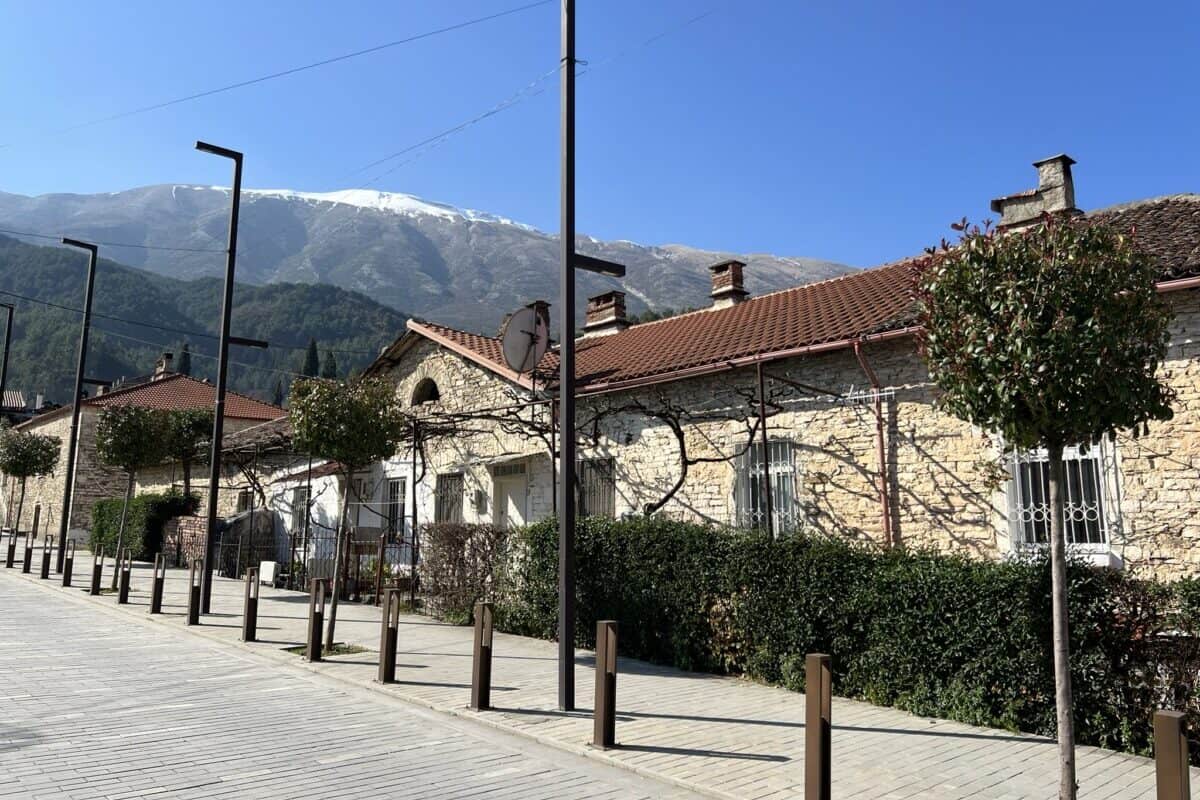
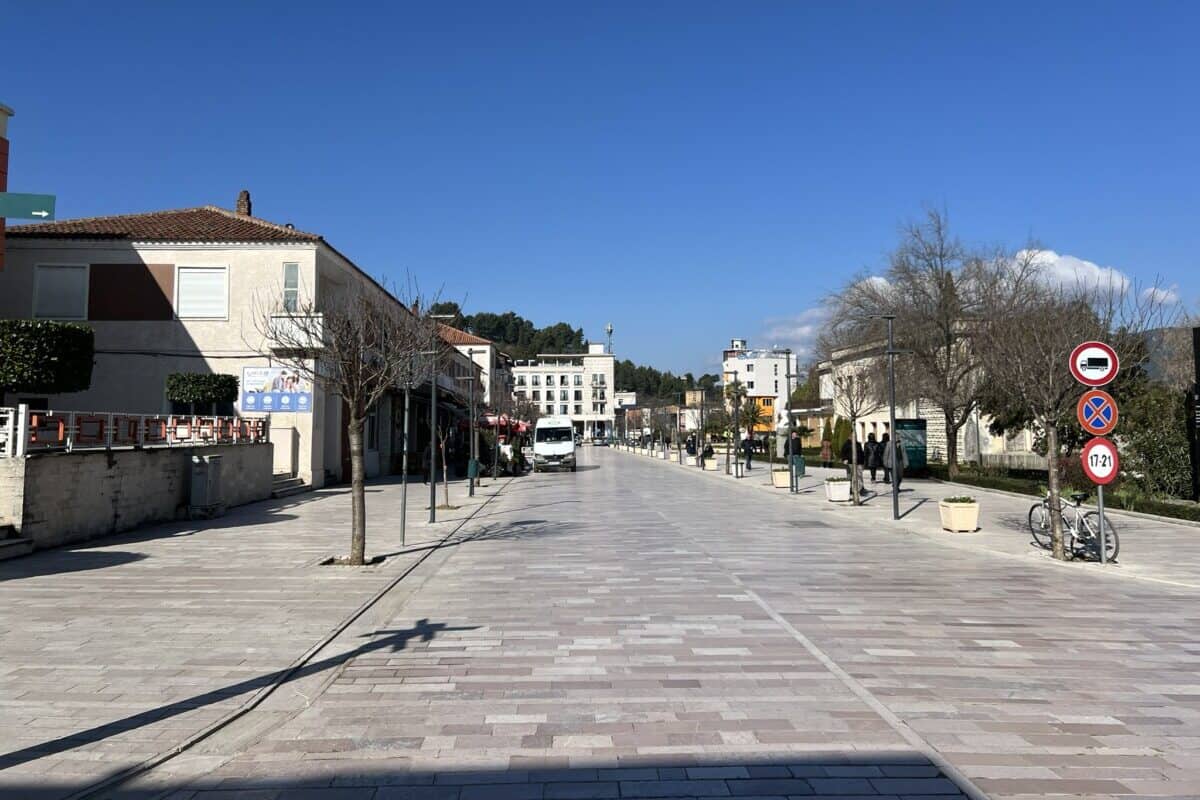
A visit to Përmet is ideal to combine with an experience in the natural thermal springs in Benjë. On the way to Përmet from Tepelenë, there is a great lunch stop at an amazing restaurant with waterfalls before the town of Kelcyrë. Restaurant HERE. In the town of Përmet, there is a lot of parking along the road, so right after crossing the bridge, watch the situation and look for a free spot.
Mapa
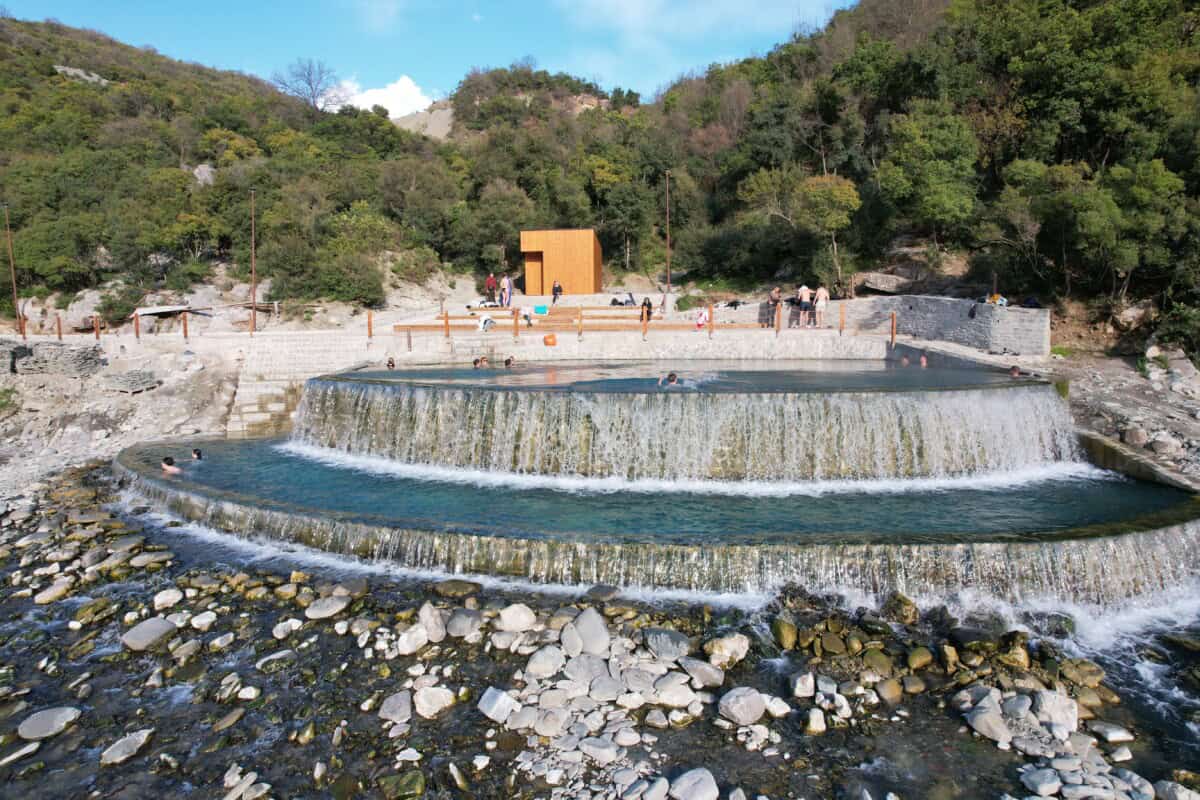
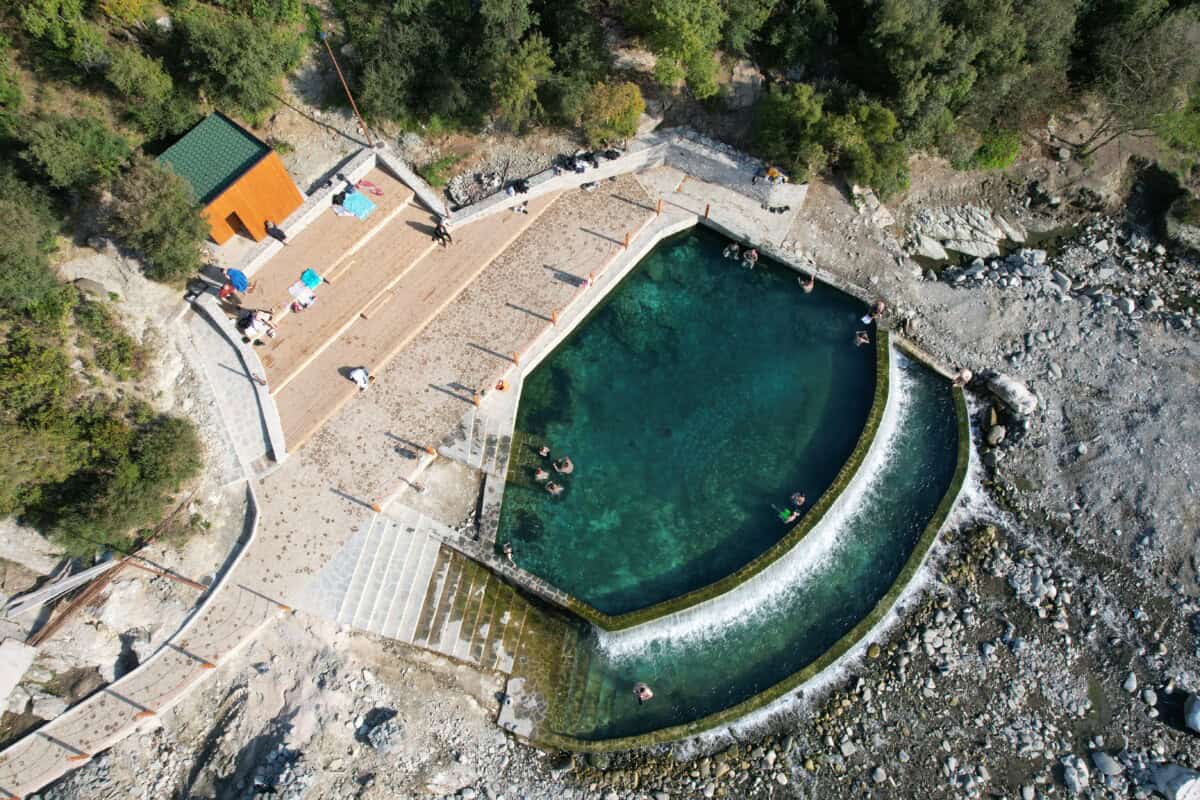
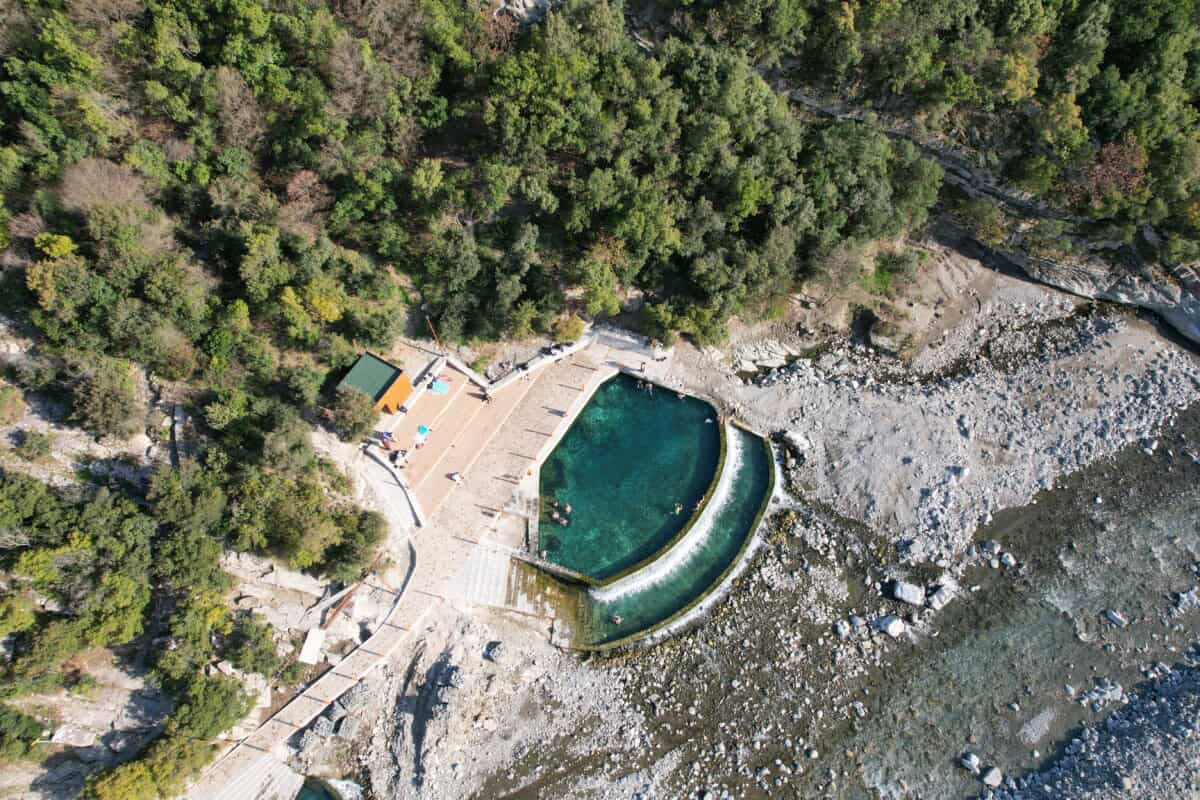
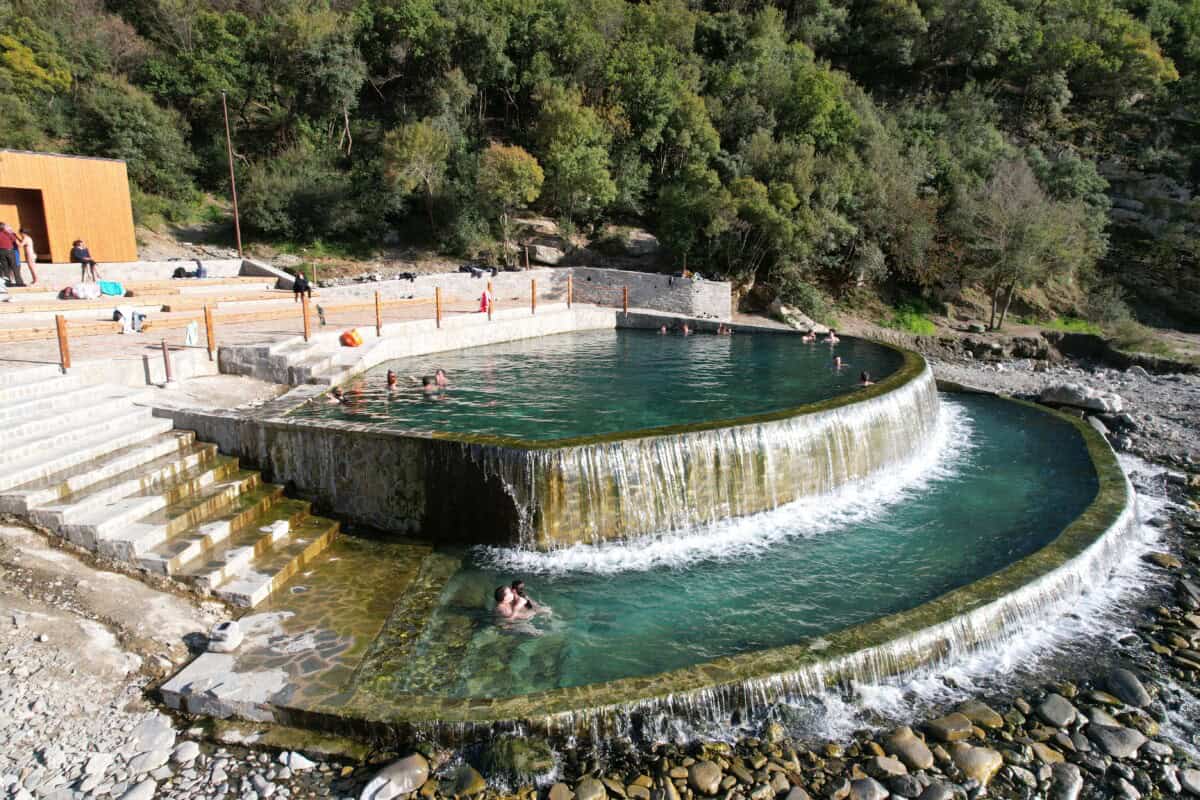
Thermal baths in Benjë
Více o Bënjë
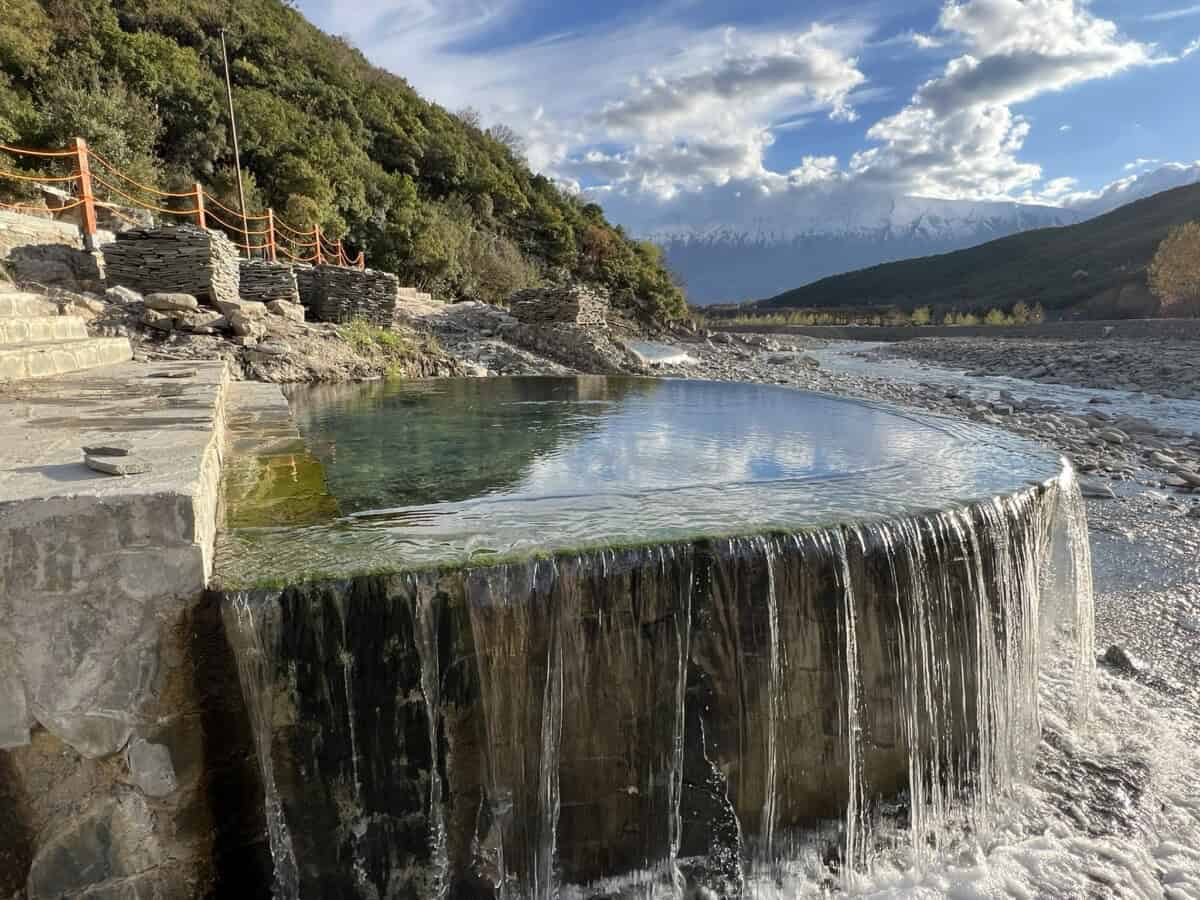
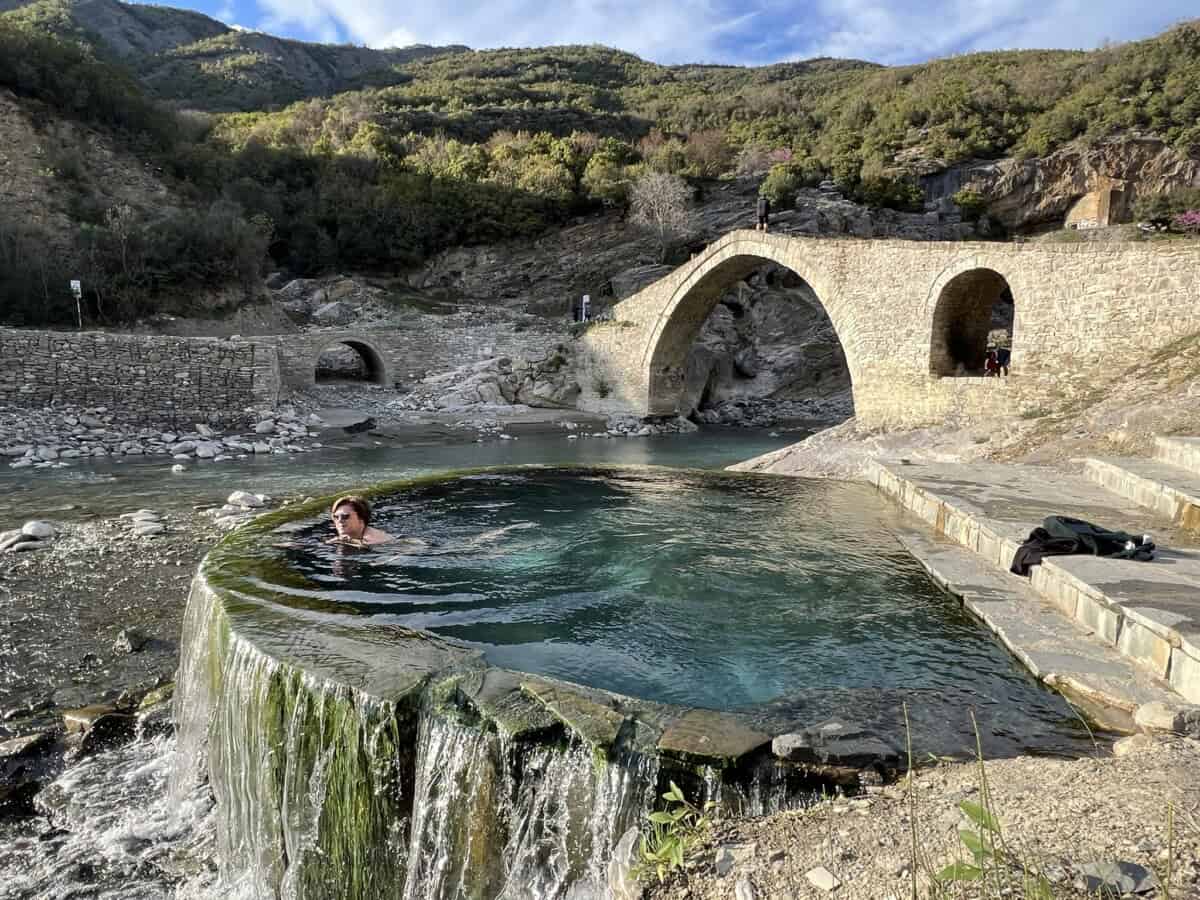
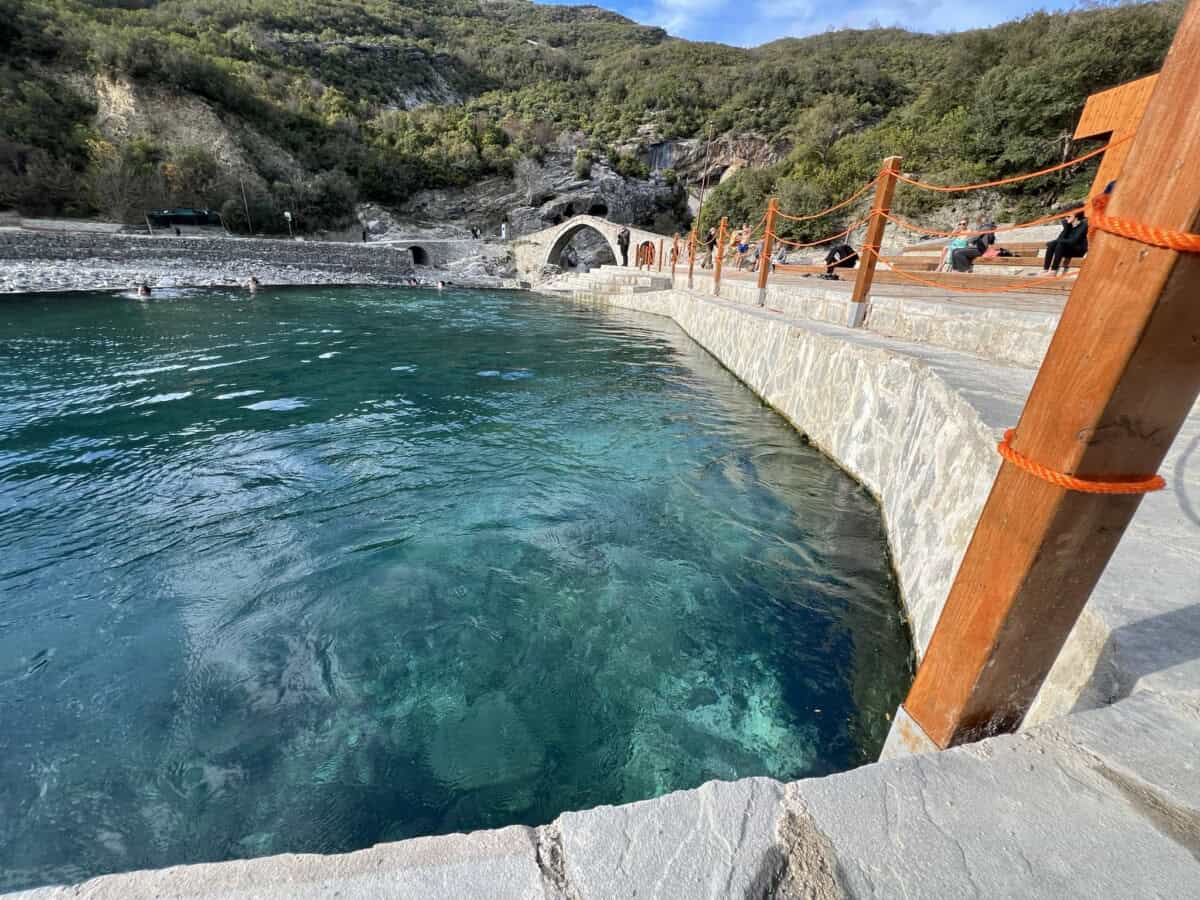
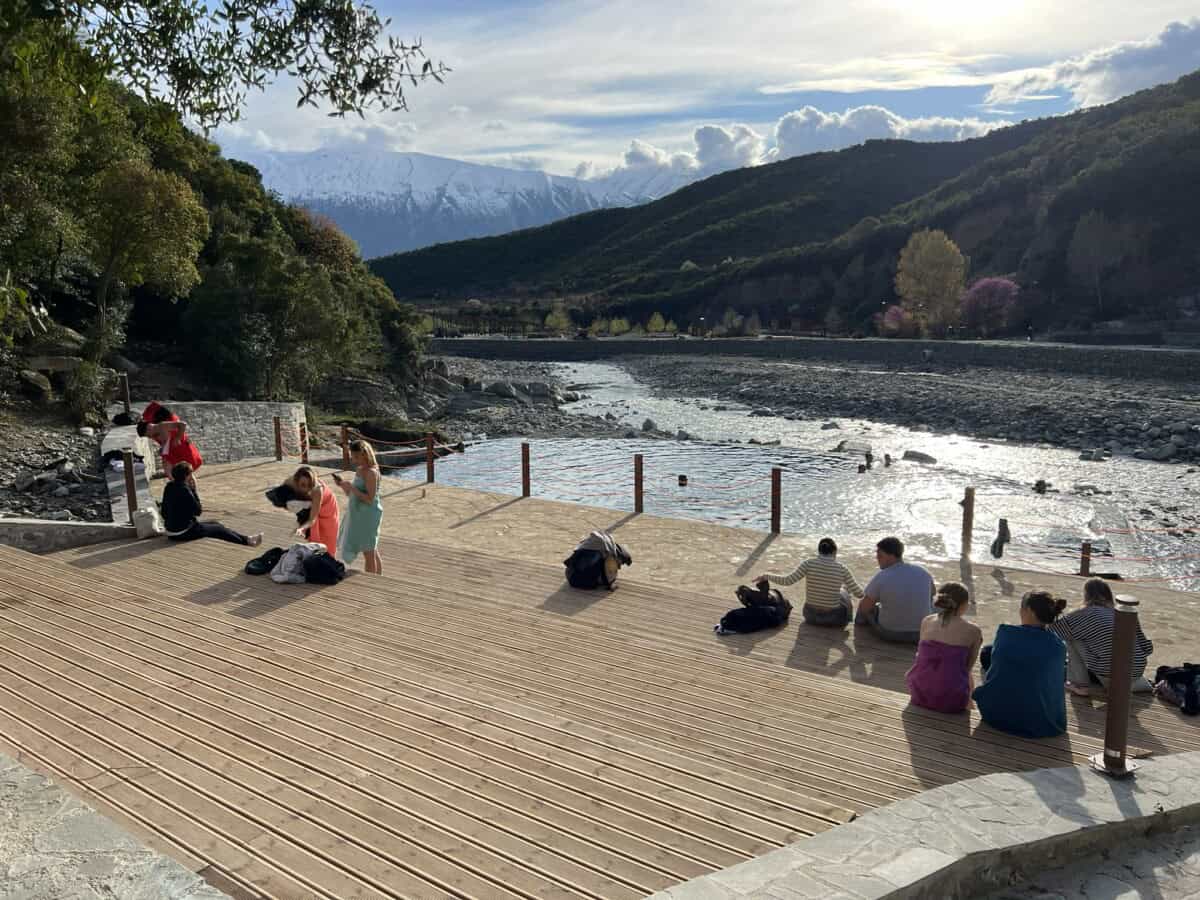
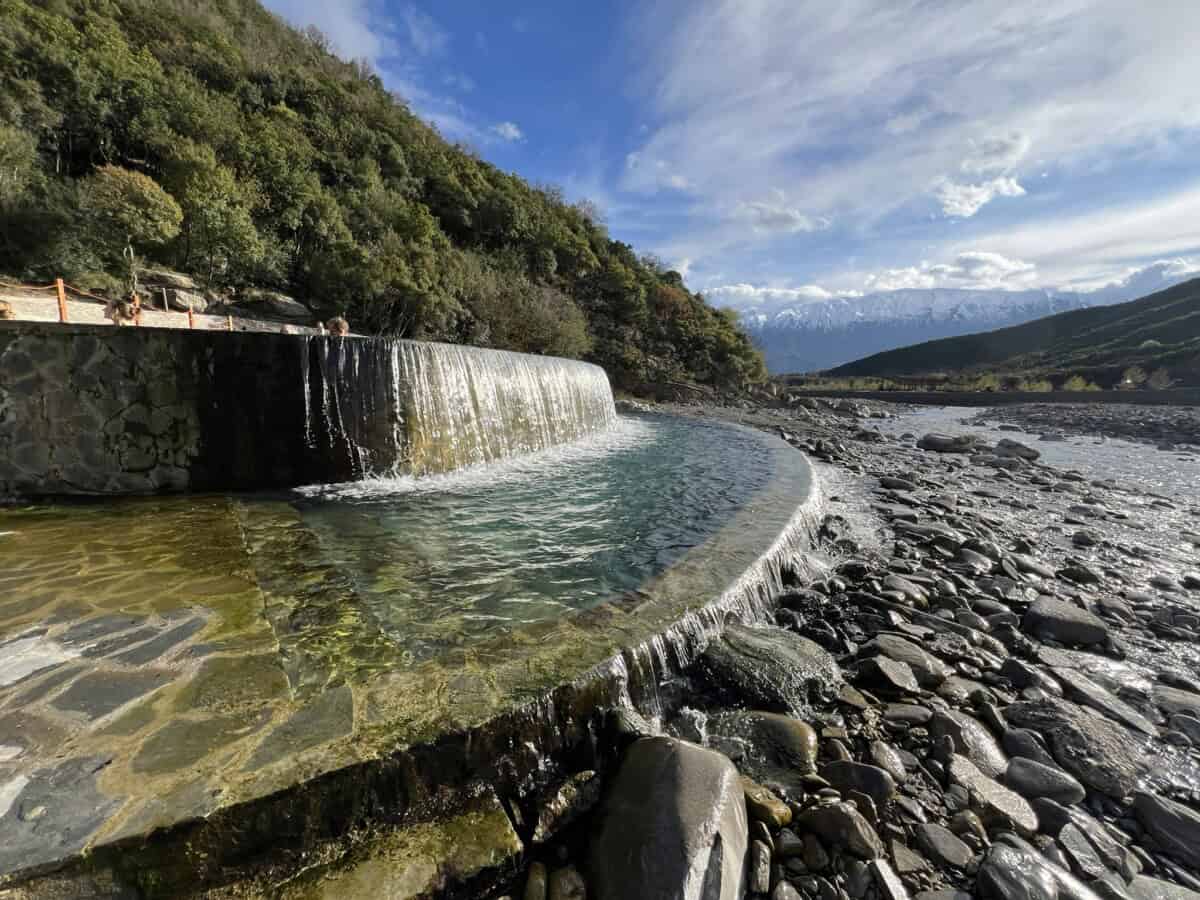
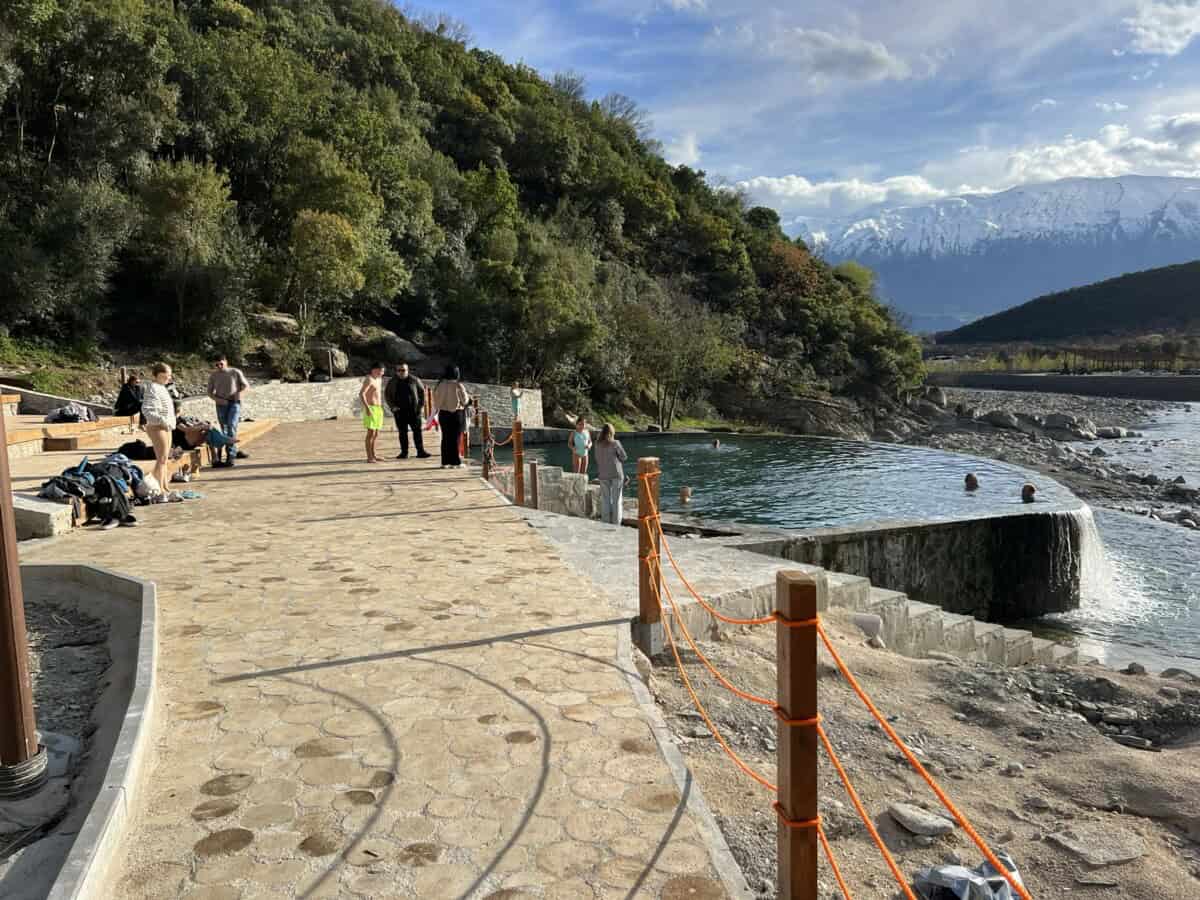
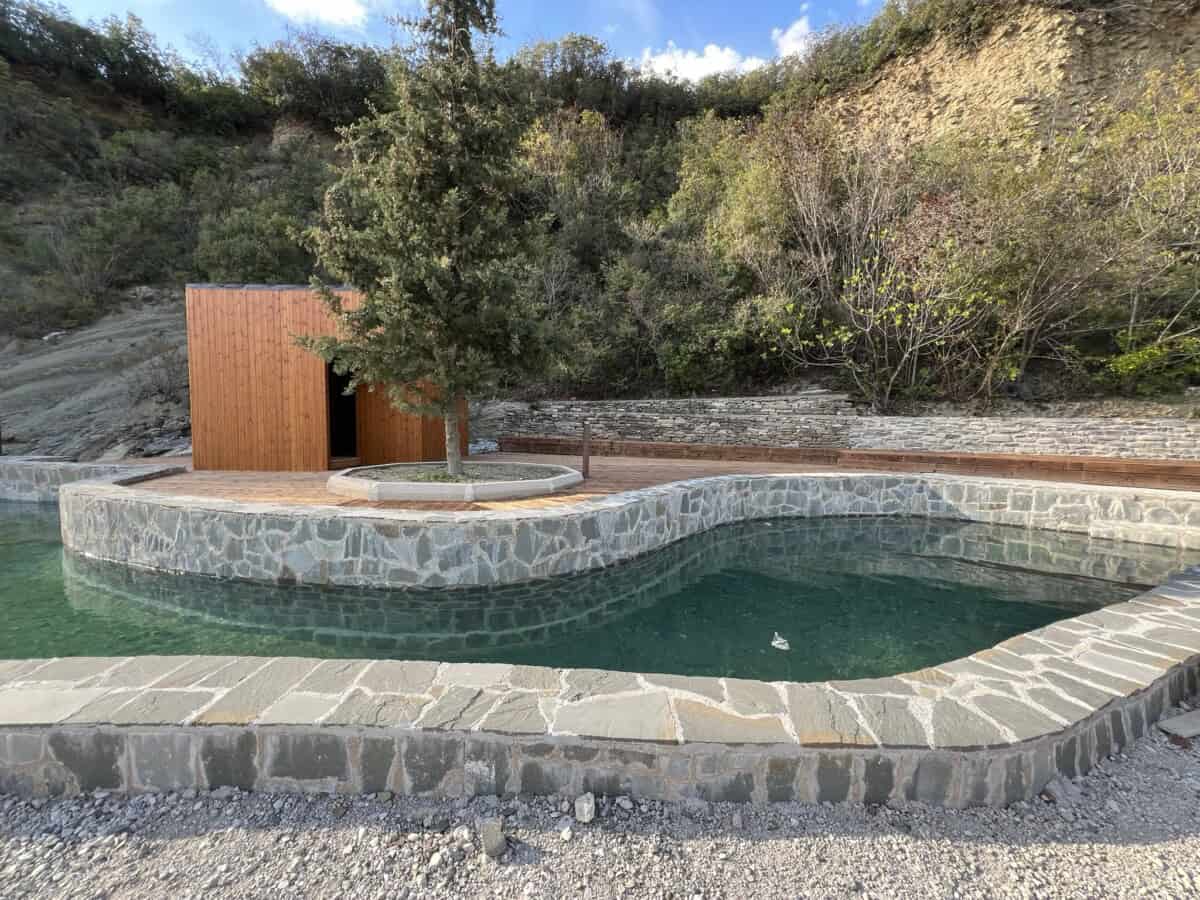
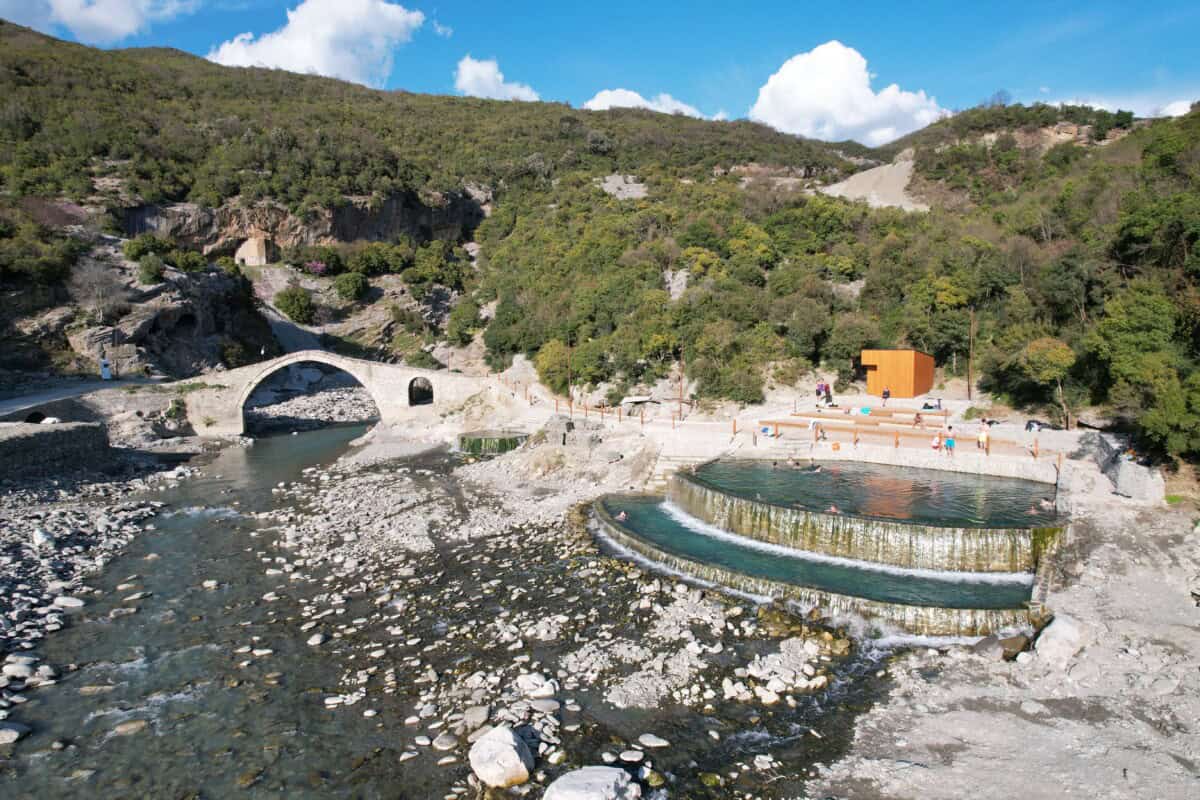
These thermal springs were used by the state in the years 1964 – 1975. For several decades, the springs were neglected. In the last two years, new construction modifications have been undertaken in the complex and it is rumored that entry to the complex will be charged. Our photographs are from various periods between 2020 and 2025. The complex is expected to open after complete reconstruction in 2026.
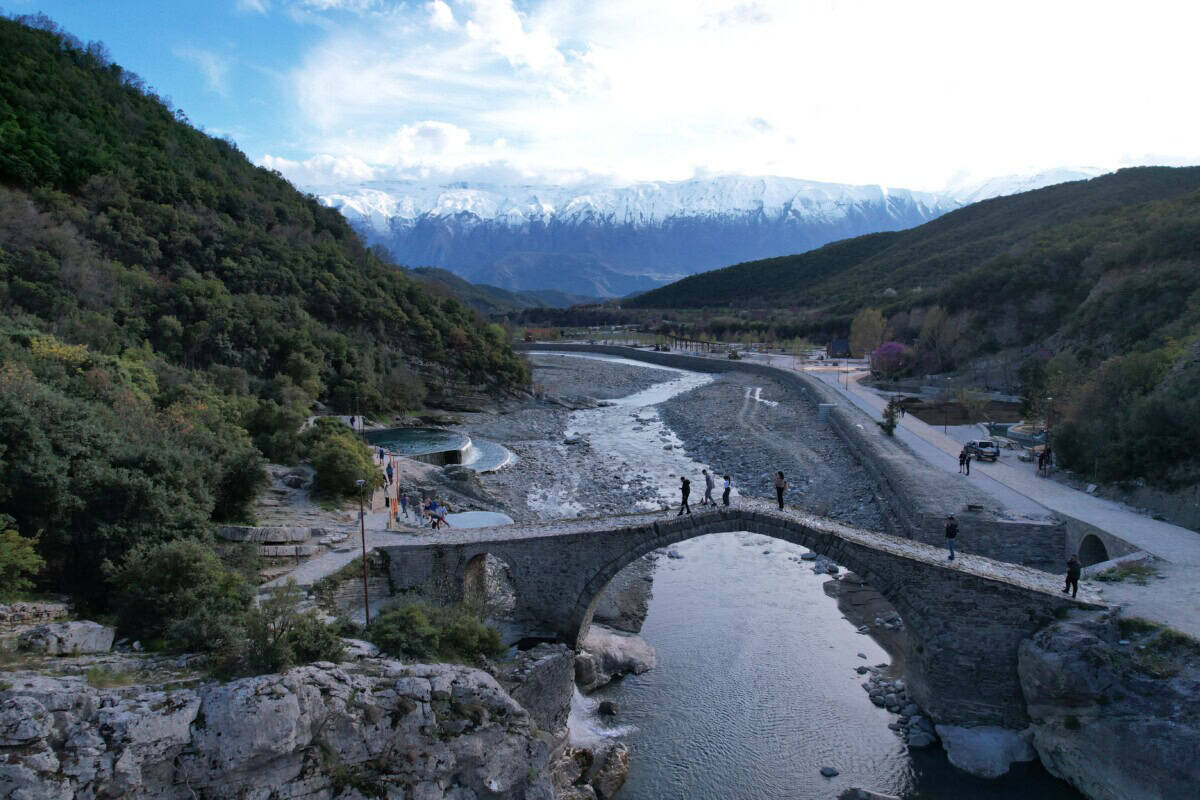
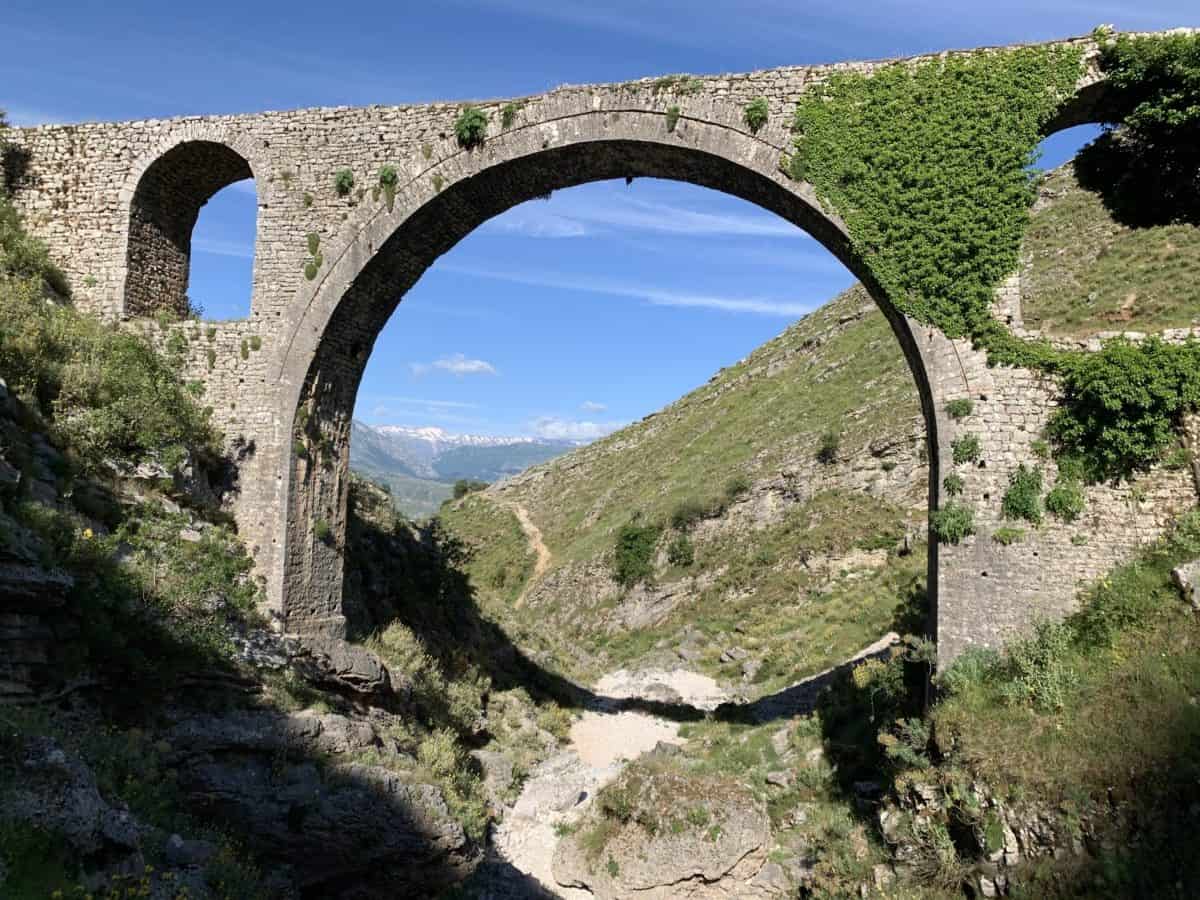
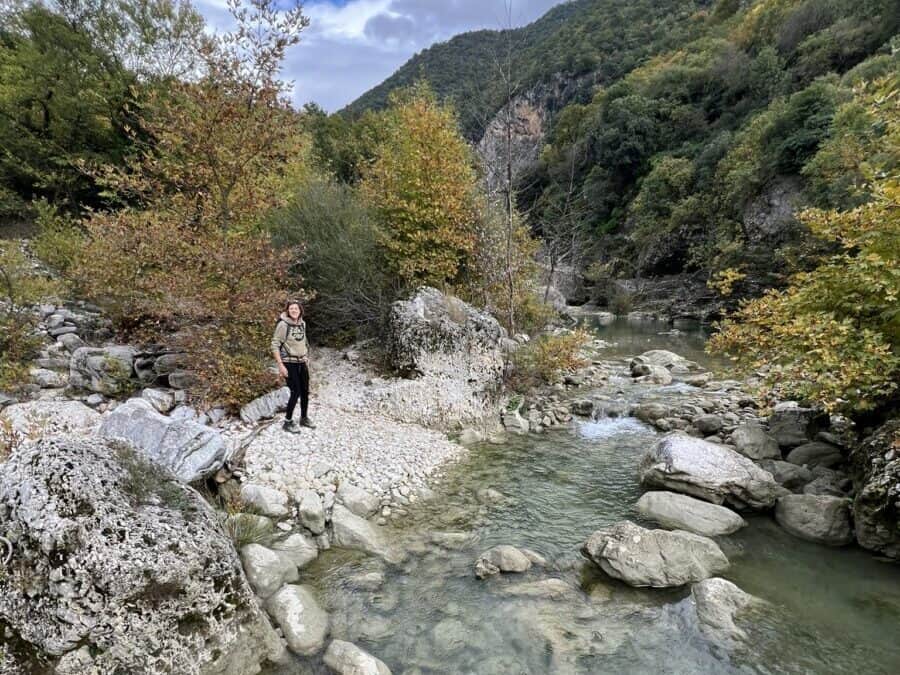
The Lengarica River has carved out a canyon that is remarkable not only from a natural but also from an archaeological perspective. Recent research has concluded that the canyon’s caves contained prehistoric dwellings. The stone bridge at the mouth of the canyon is interesting for its architectural composition and constructive solution. In the center of the bridge’s composition is the main arch with a span of 15.5 m and a height of 6 m above the water level. The arch vault is 1 m thick and is made of limestone slabs arranged in a wedge. Due to its stability and harmonious appearance, this type of bridge was very widespread in Albania in the 18th century.
Praktické
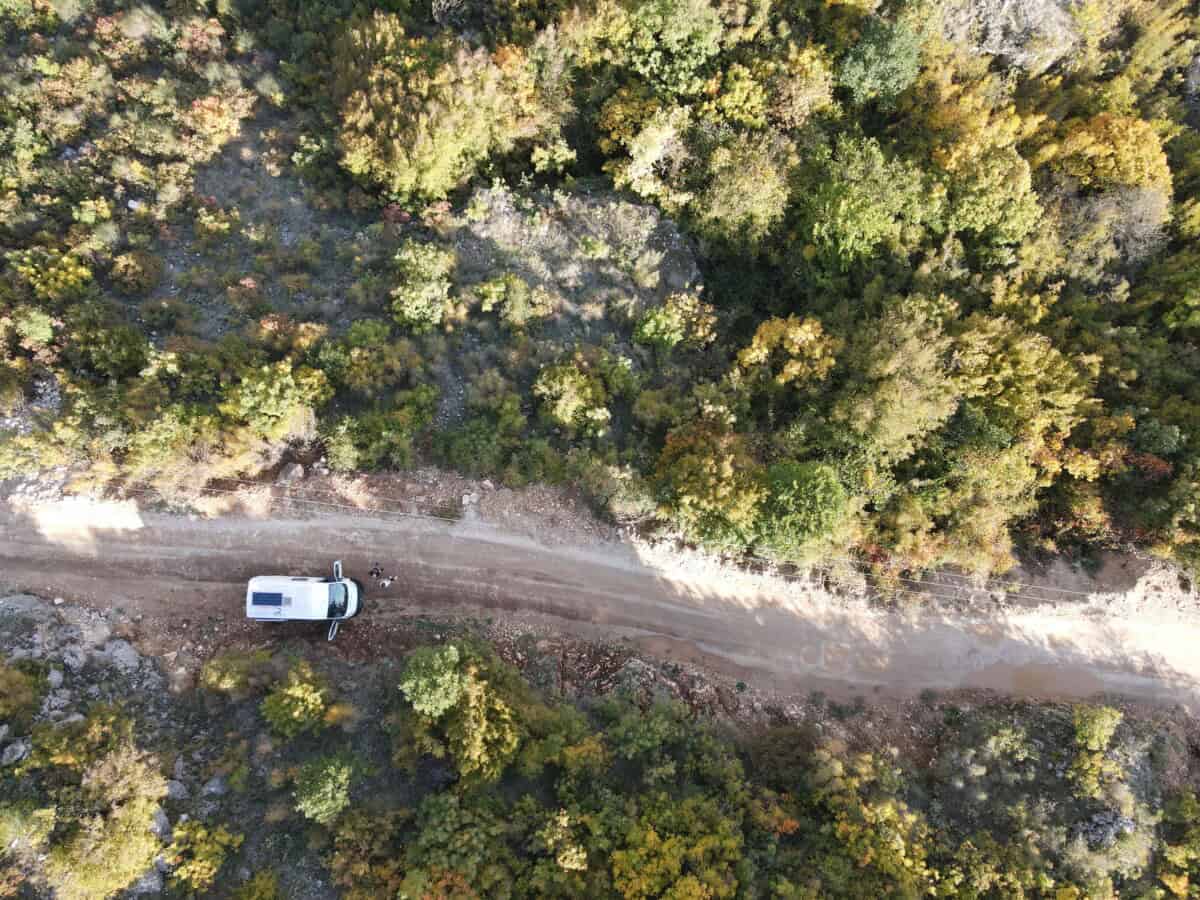
Parking in front of the canyon was free until now. Over the years, however, the meadow has been converted into a parking area and small structures have been added. Whether the news about charging for thermal springs or parking will be true will be shown by time. Everything points to it, however.
Mapa

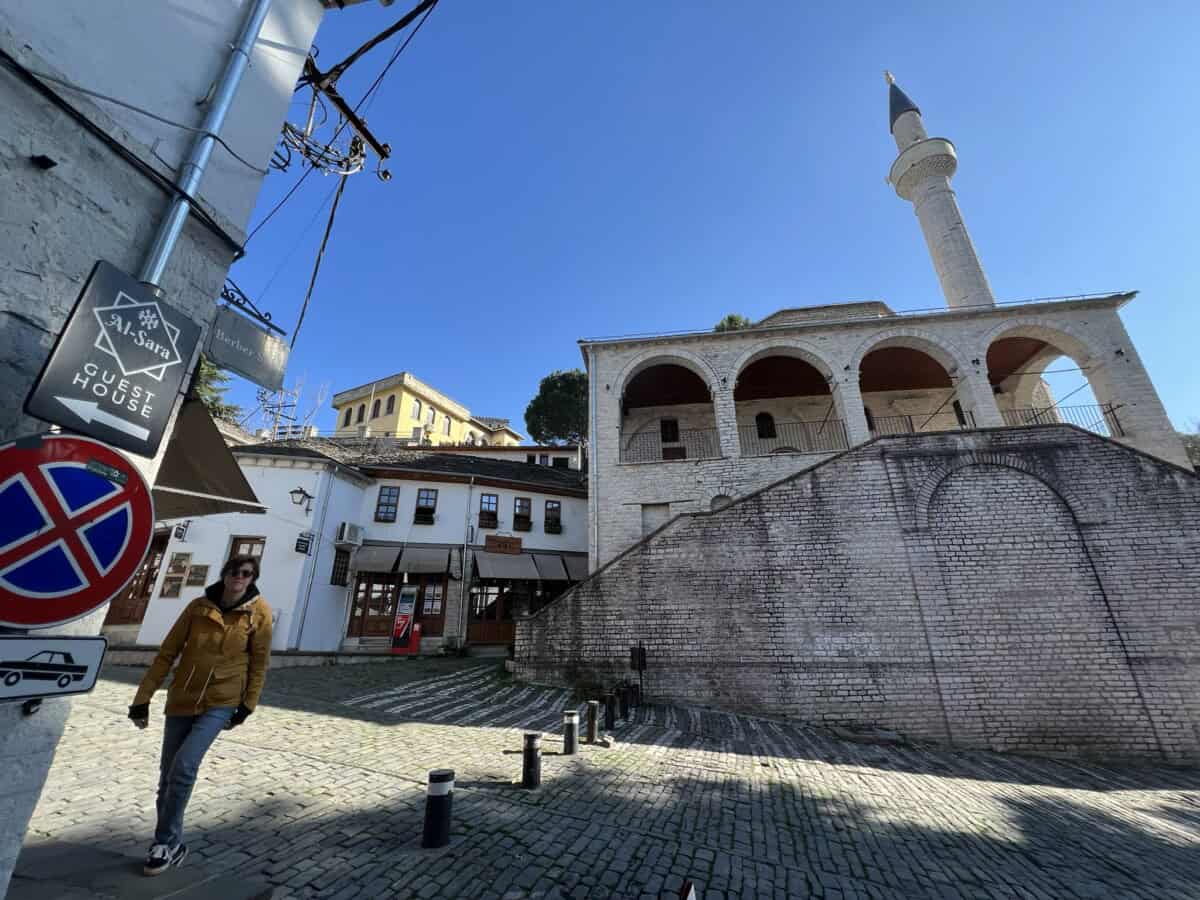
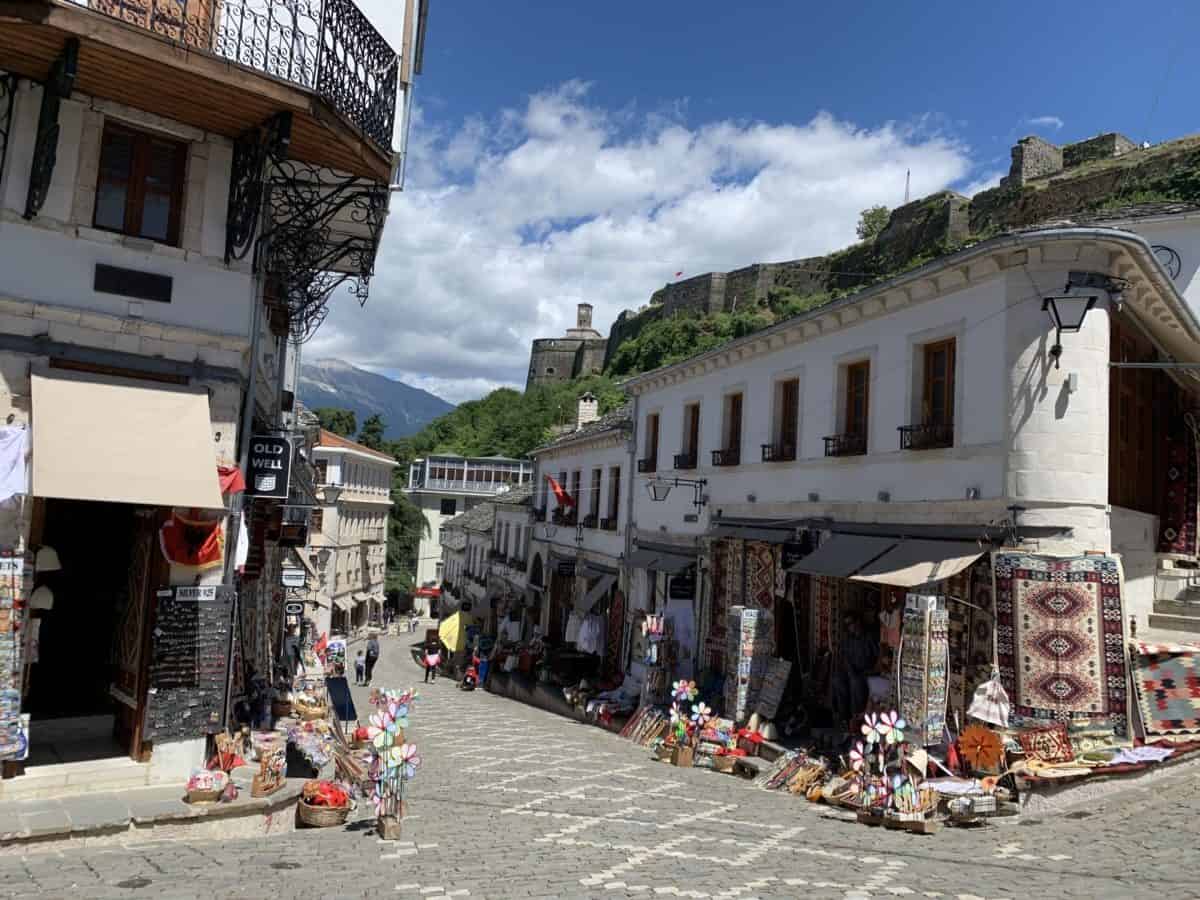
City Gjirokastër
Více o Gjirokastëru
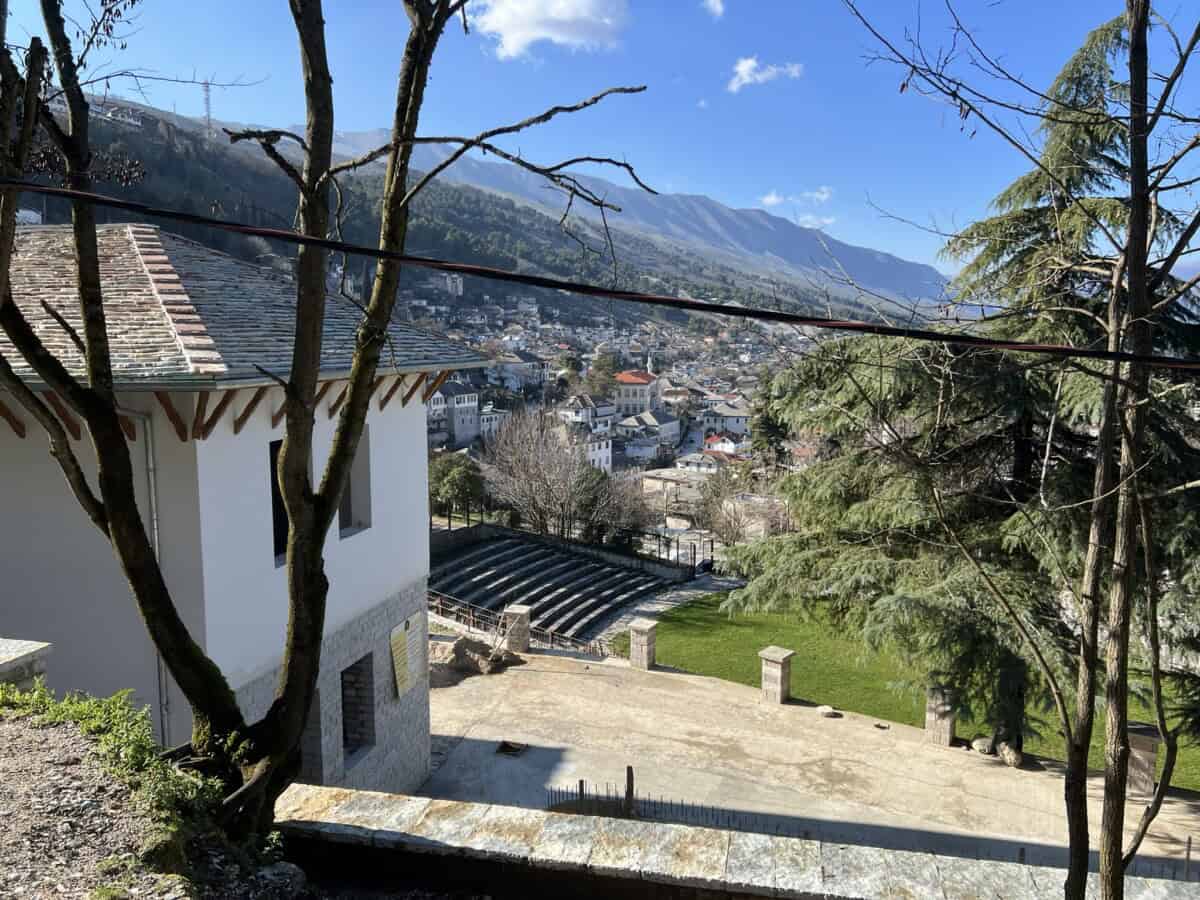
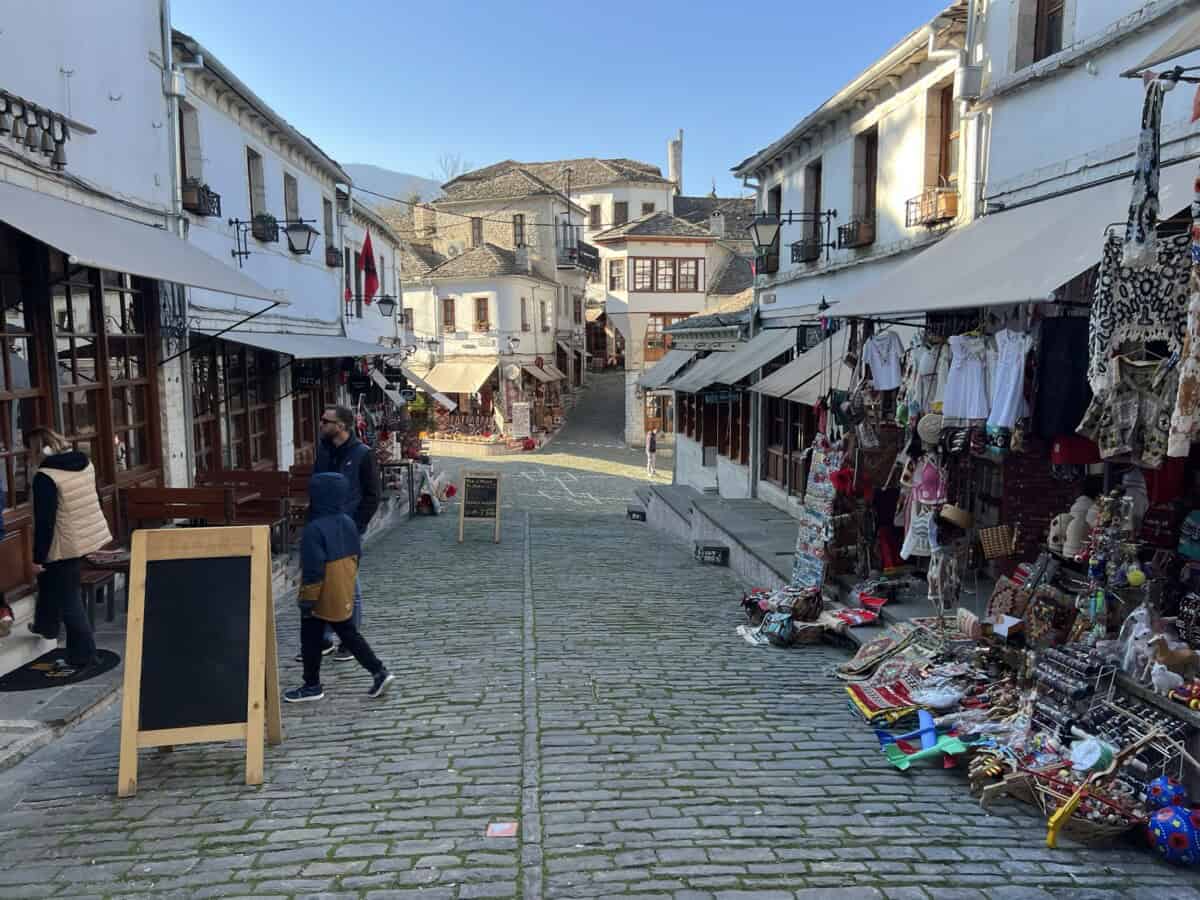
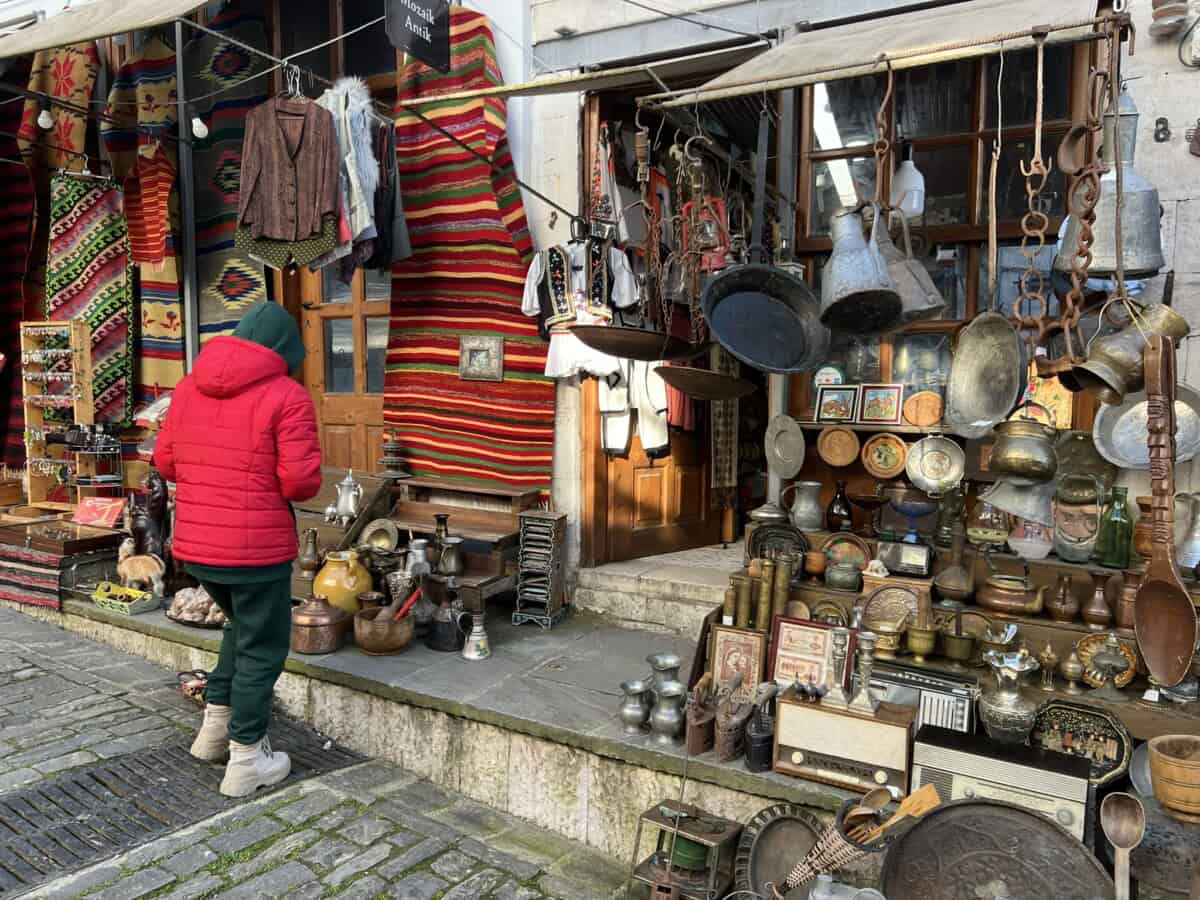
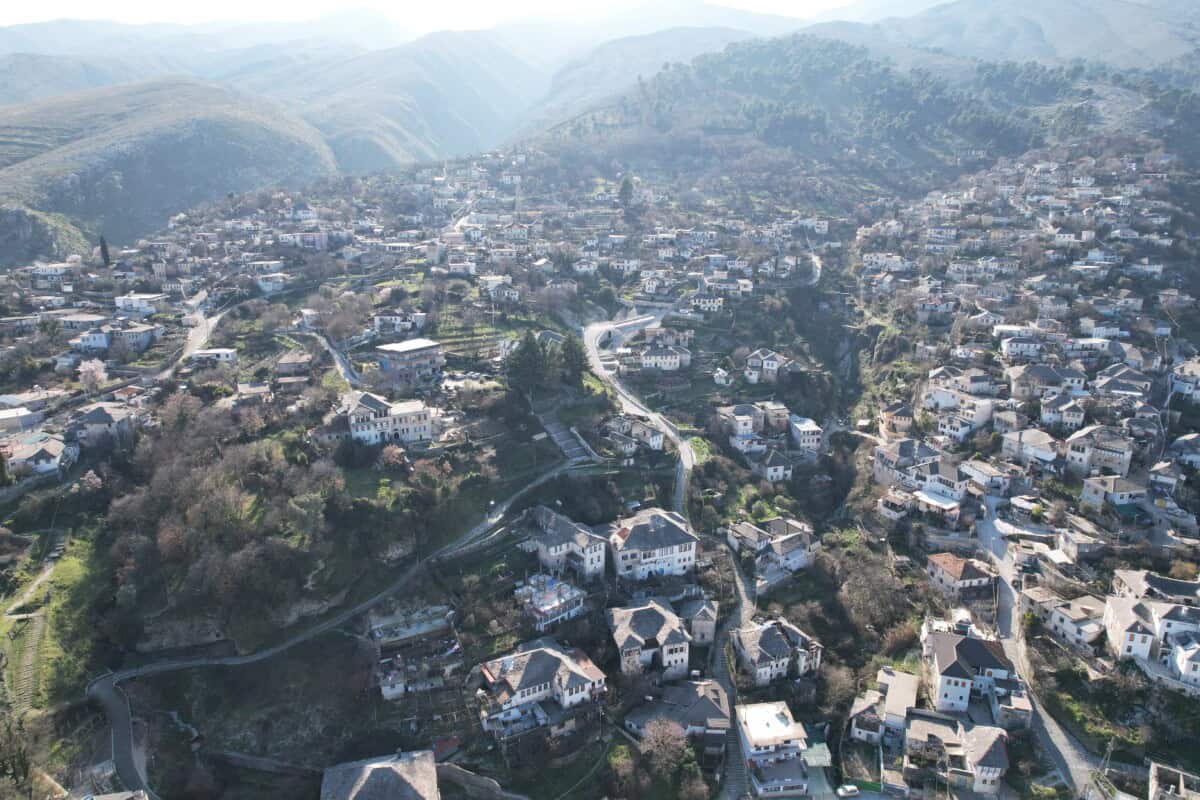
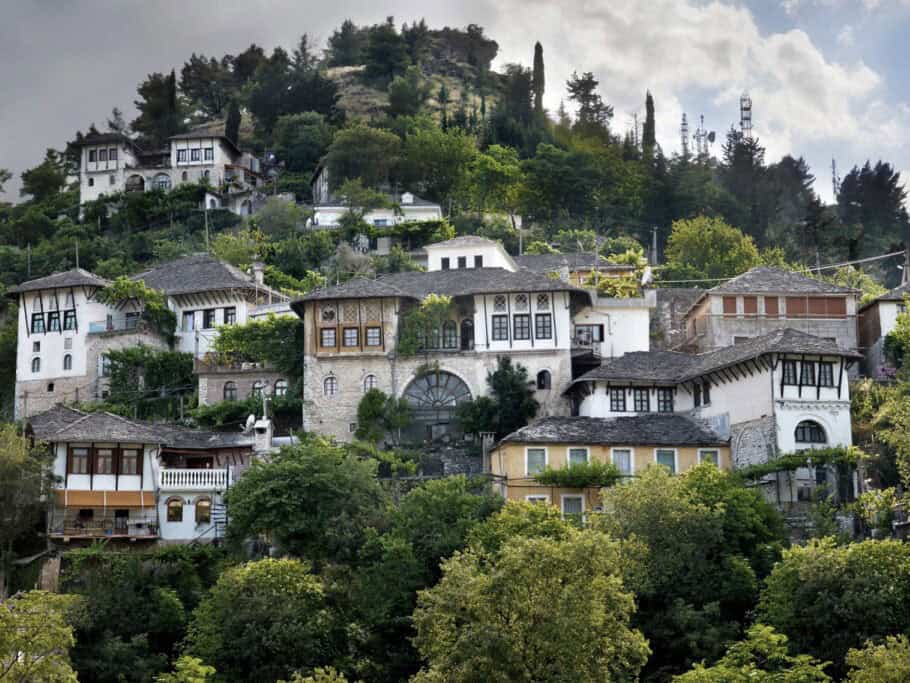
Worth noting is certainly also the Cold War museum or the Tunnel of Nostalgia, which offers an interesting perspective on the military and folk history of the region through a collection of relics.
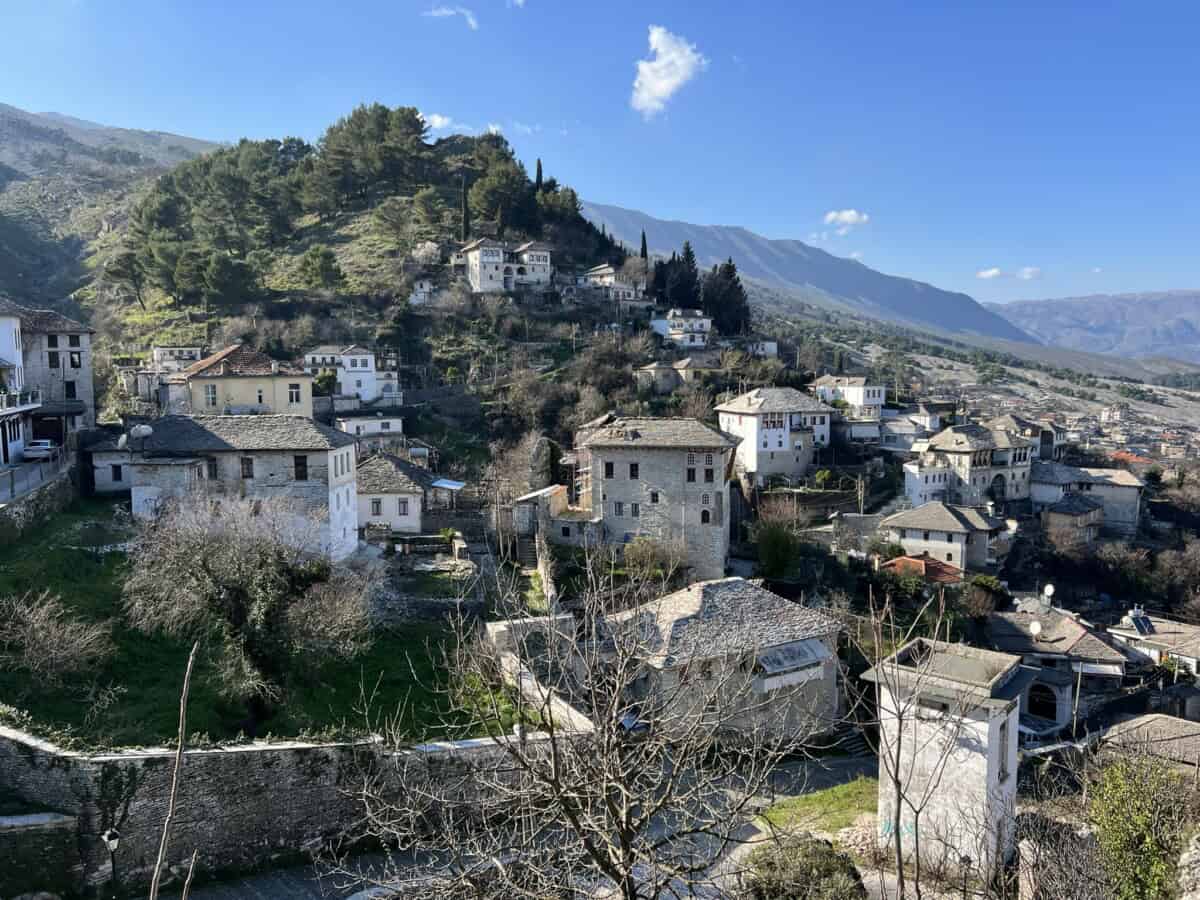
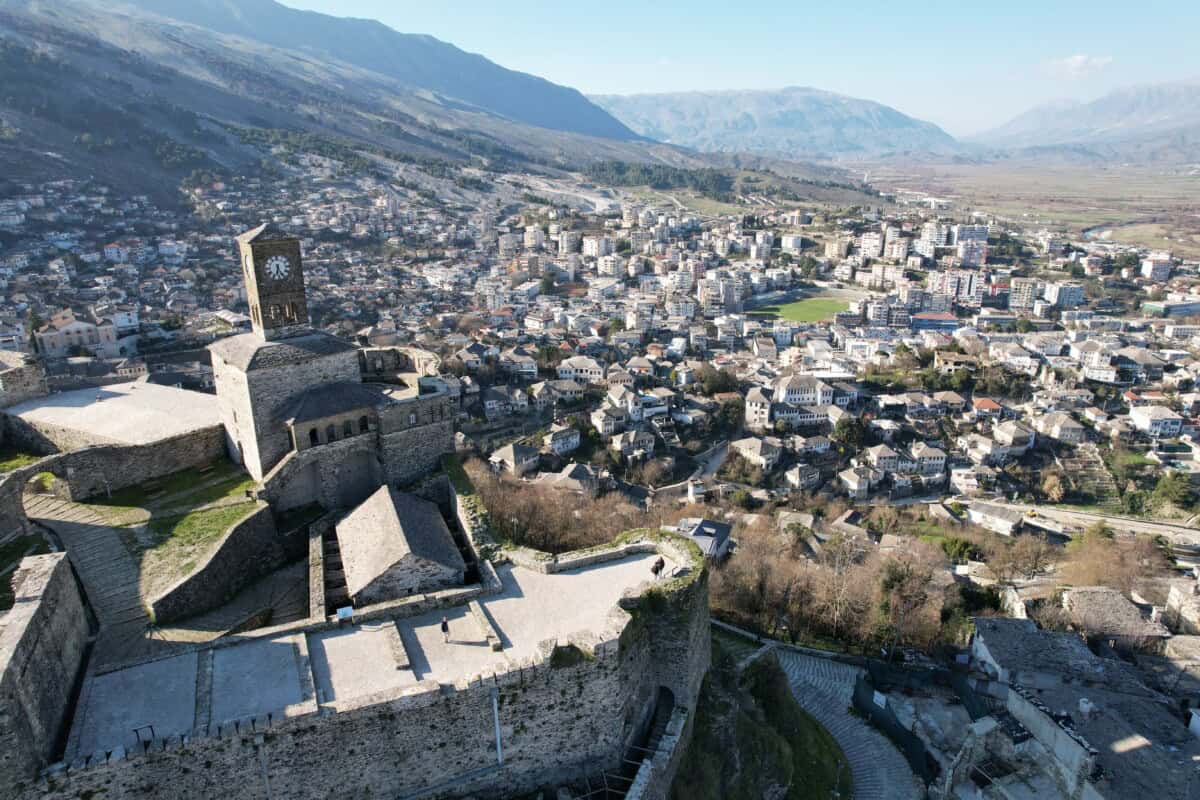
Over the centuries, Gjirokastër underwent many forced transformations and its chroniclers recorded many rulers and attackers. The city is first mentioned in historical sources in 1336, when Byzantine chronicler John Kantakouzenos mentioned Argyrókastro. As the Ottoman Empire expanded into Europe at the end of the 14th century, the city of Gjirokastër came under the influence of the sultans and the city’s leading representatives became their vassals. Significant resistance occurred only in 1880, when the assembly of Gjirokastër actively supported resistance against Ottoman rule and the right to self-determination.
By 1908, the Turks were losing their influence and the first Albanian school named “Liria” was opened in the city. Gjirokastër became important during the period when the borders of present-day Albania were being defined. At the time of the declaration of national independence on November 28, 1912, the area was part of the “Autonomous Republic of Epirus” under the leadership of General Zograf, who sought union with Greece, but after World War I the Allied powers (Britain, France, and Russia) persuaded Greece to withdraw its claims to this area with an Albanian majority.
The current border with Greece was ratified in 1921. Gjirokastër inspired many poets, writers, and artists. The city with 40,000 inhabitants is today the largest cultural, academic, economic, and administrative center of the southern region. It is known as the birthplace of three prominent Albanian personalities – former communist dictator Enver Hoxha, linguist and Albanologist Eqrem Çabej, and great writer Ismail Kadare. You can visit his birthplace HERE. In the birthplace of Enver Hoxha you can now find an ethnographic museum.
Praktické
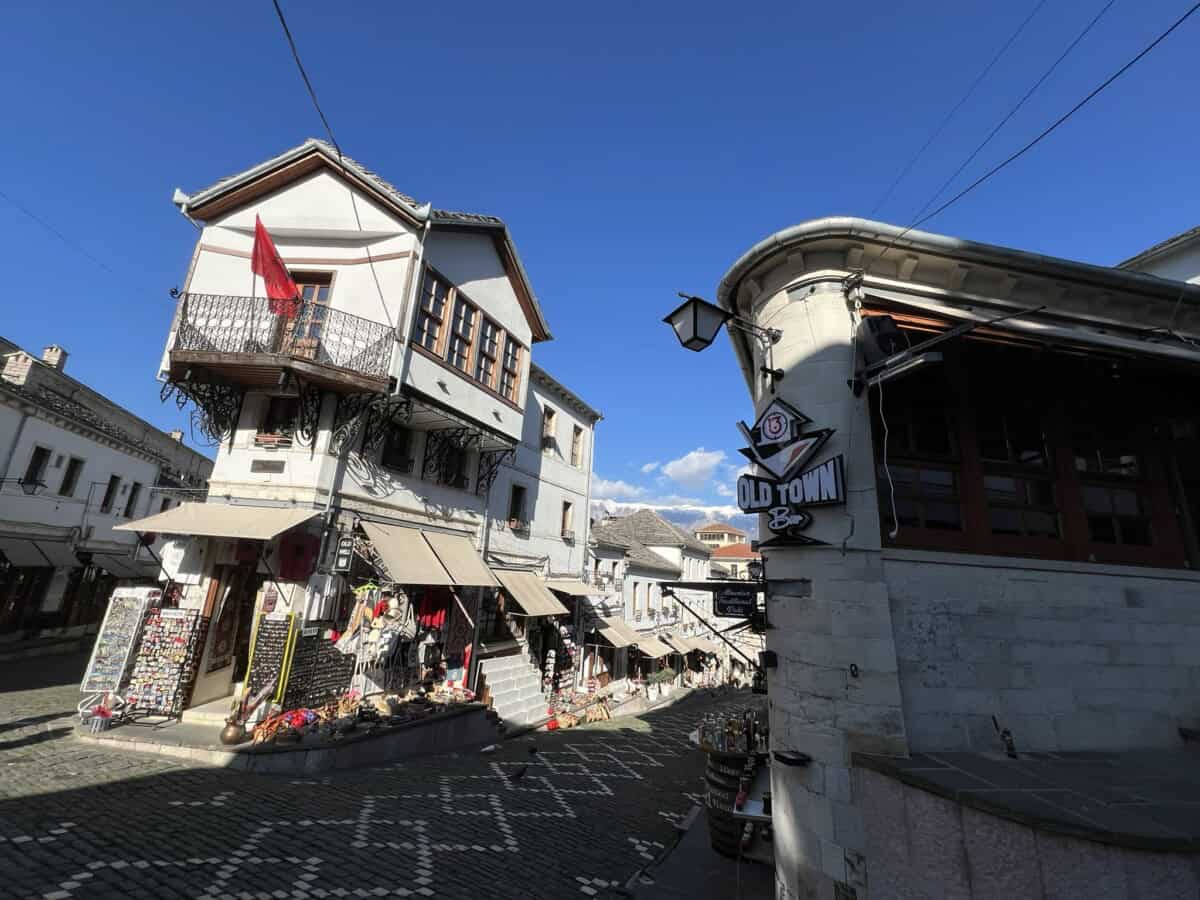
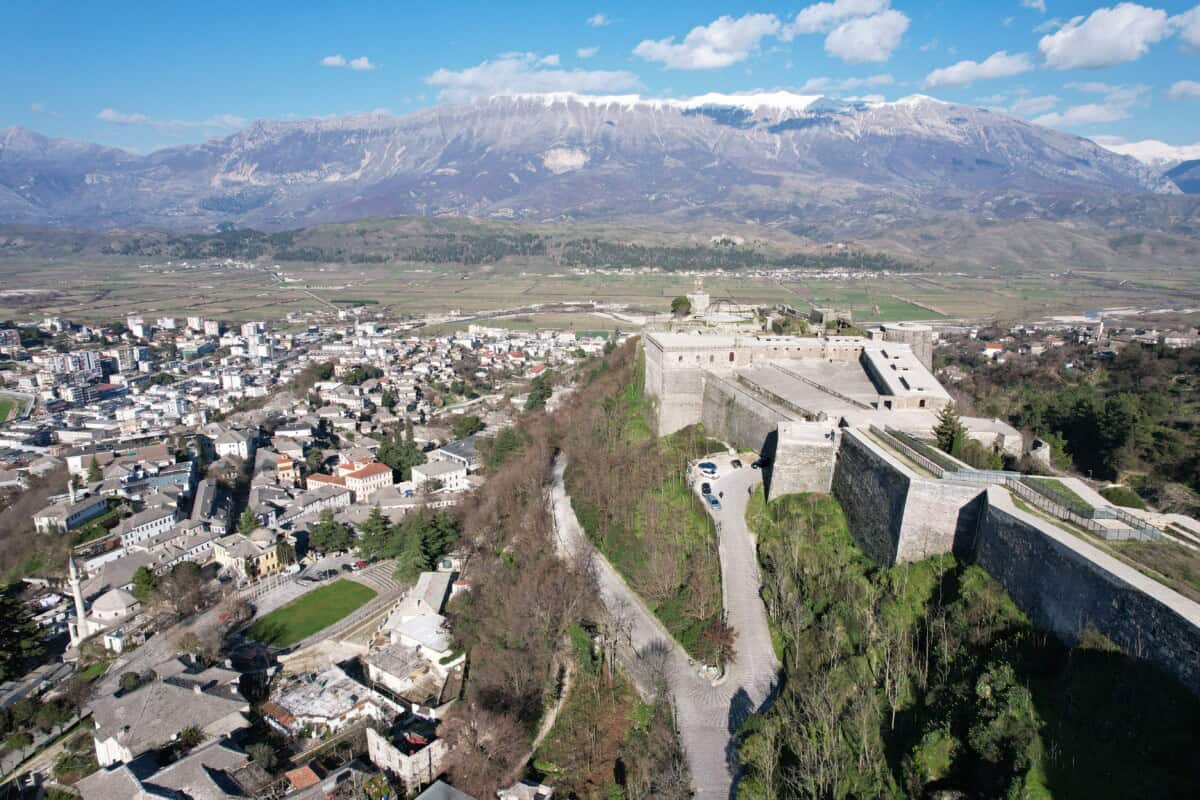
Not far from the castle you will find an underground parking lot – HERE. However, upon entering the city you will definitely encounter signs that will tempt you to park in private spaces. We definitely recommend parking in the lower part of the city. The alleys on the hill are very narrow and are often made of polished cobblestones. Getting stuck in traffic in difficult maneuvering conditions, and heaven forbid in the rain, is no picnic. If you visit the city with a campervan, two of the campsites are HERE on the edge of the city.
The goal of a pleasant walk around Gjirokaster is Ali Pasha Bridge, which is located just outside the city. More information about it can be found in a separate section below.
Mapa
City Tepelenë
Více o Tepelenë
The territory around present-day Tepelenë was inhabited as early as prehistory. Archaeological finds document the presence of early settlements from the Bronze and Iron Ages. Due to its location at a natural crossroads of paths that connected south with north and inland with the coast, the area played an important trade and military role throughout all historical epochs.
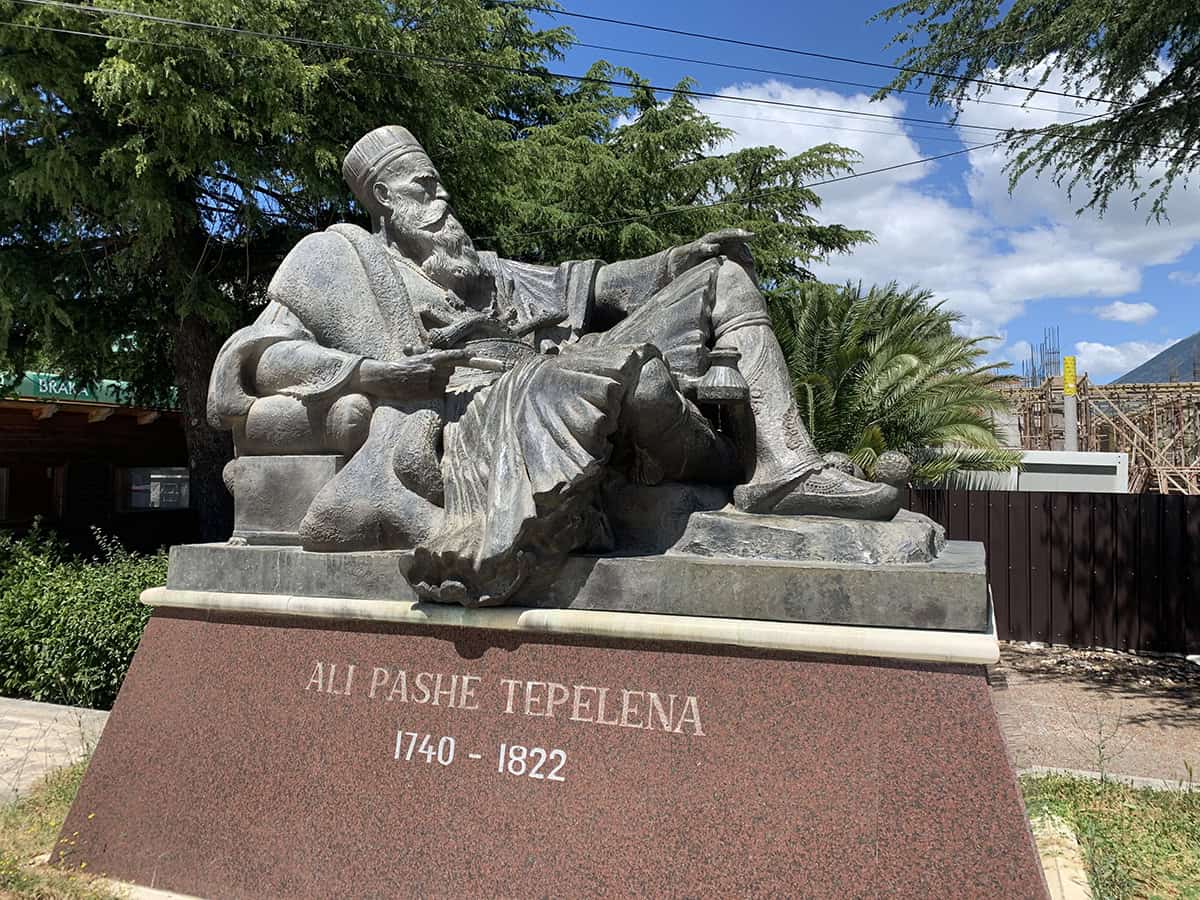
In ancient times, this part of Albania belonged to the Illyrian tribe of the Kaones and later became part of territory under Roman rule. During the Byzantine period, the place also maintained its strategic importance – castles and fortifications were built here to control the valley and mountain passes. From a historical point of view, the most prominent period is the end of the 18th century, when Tepelenë became the birthplace of one of the most famous figures in Albanian history – Ali Paša Tepelenian (1788–1822).
He came from a local influential family and thanks to his ambition and well-thought-out political alliances, he managed to achieve a high position within the Ottoman Empire. He built a powerful pashalik with its seat in Ioannina. The citadel in the city, which he had expanded and rebuilt during his reign, remains one of the most important monuments to this day.
Praktické
The town of Tepelenë is a crossroads of multiple possible routes to discover the beauties of southern Albania. When traveling from the north from the city of Fier, the road in a southwestern direction will lead you to the amazing Nivicë canyon, which is part of the famous Kurvelezh area. Here you can visit the Peshtura-Progonat waterfall and also the waterfalls of the Nivicë river along the way. Along the way you will pass an interesting structure called the Ali Pasha Bridge.
The southeastern route will take you to Gjirokastër and subsequently to the Blue Eye (Syri i Kaltër) and further to Sarandë. If you head in the northeastern direction, you can reach the thermal pools of the Langaricë river in Benjë and subsequently along the Greek border to Korcë or Pogradec to Lake Ohrid.
Mapa
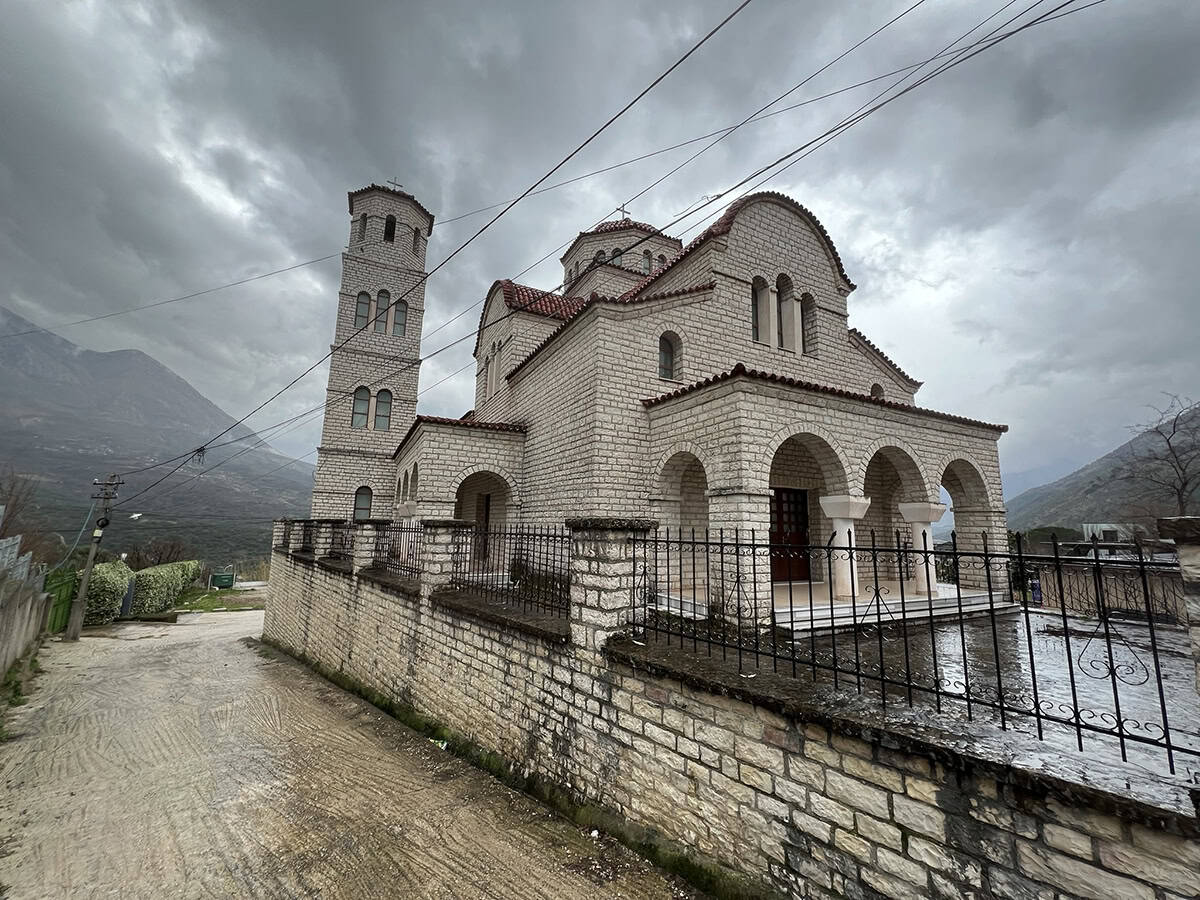

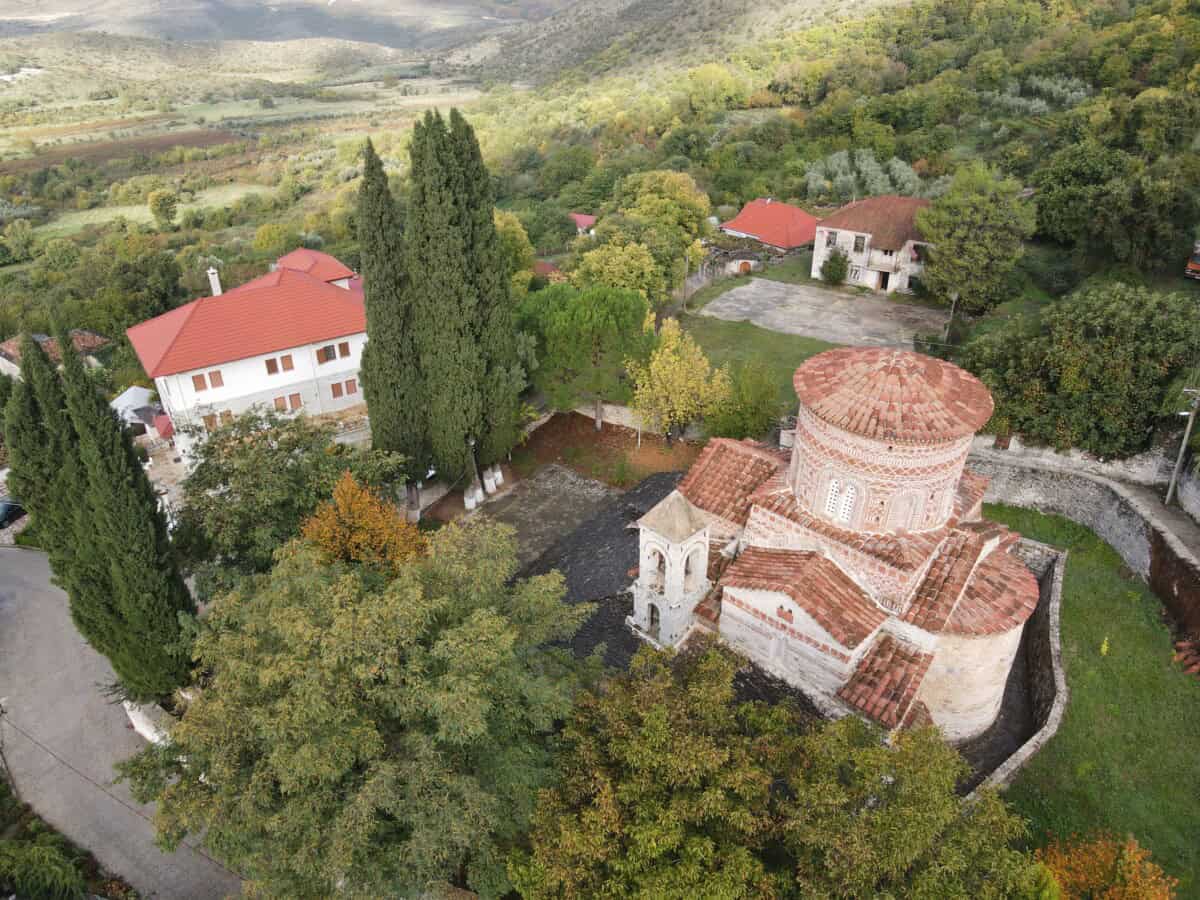
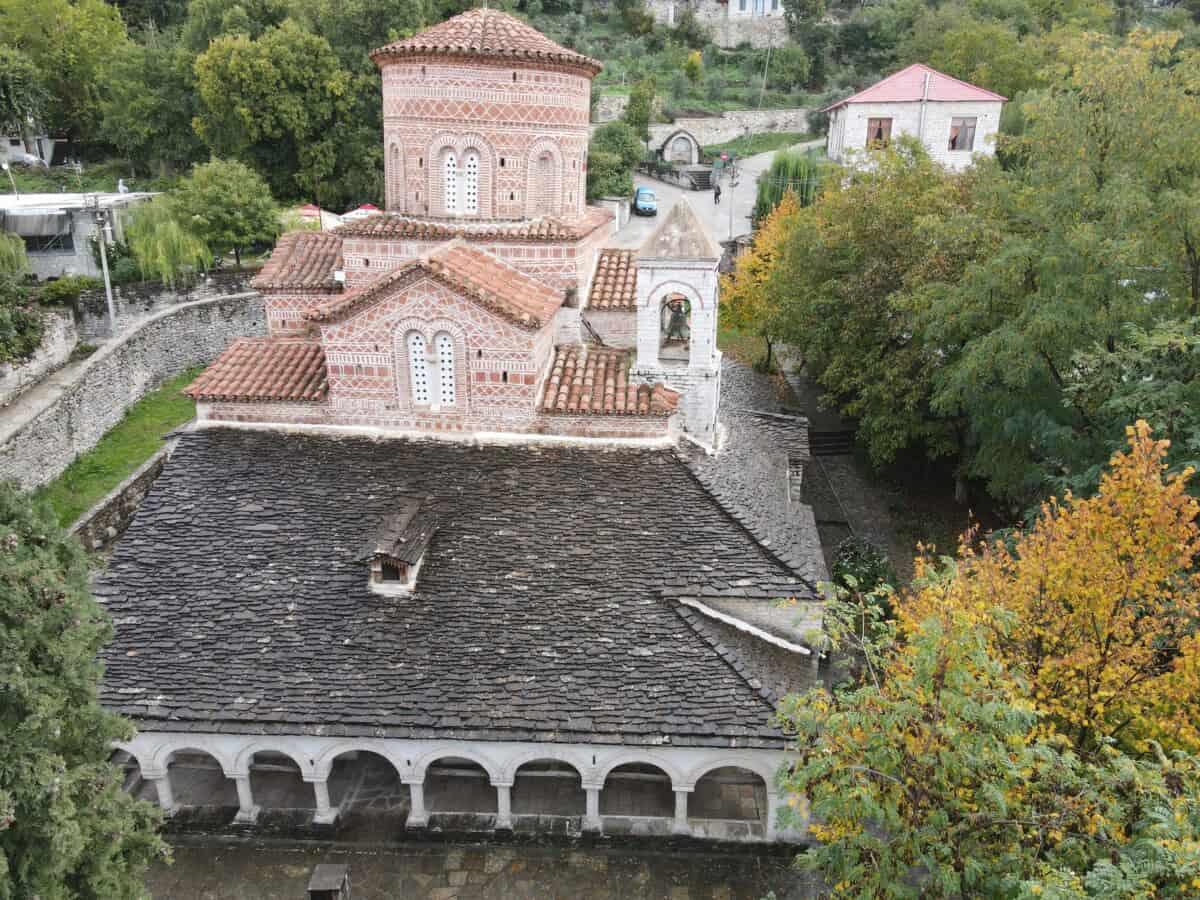
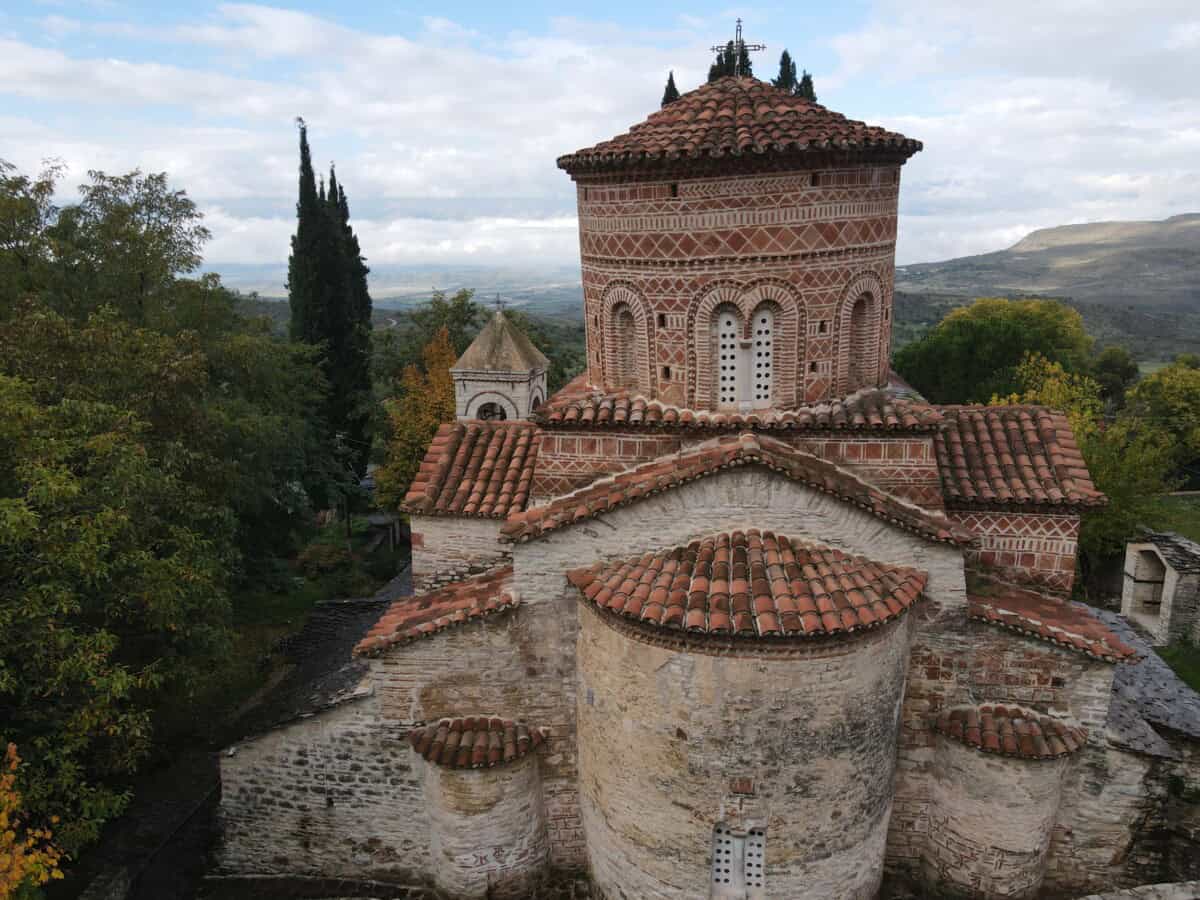
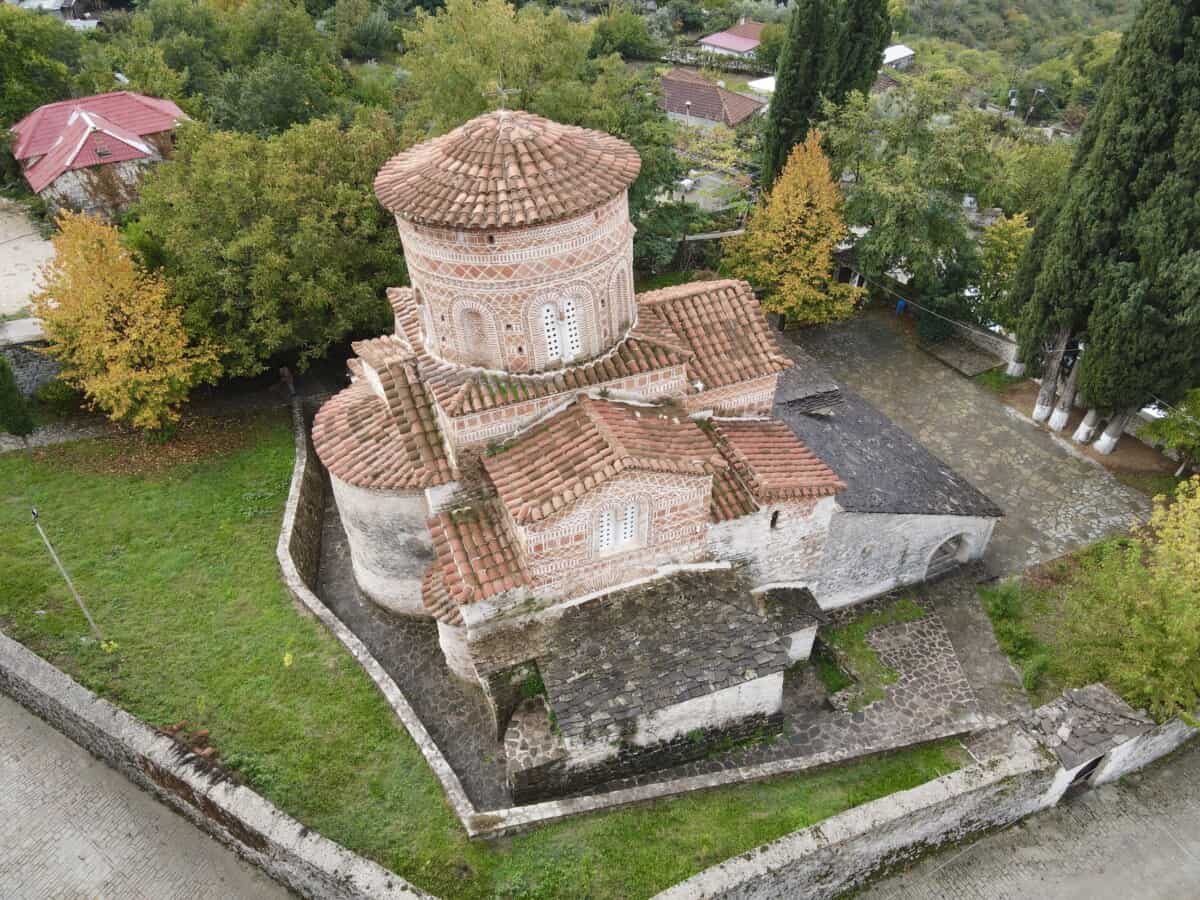
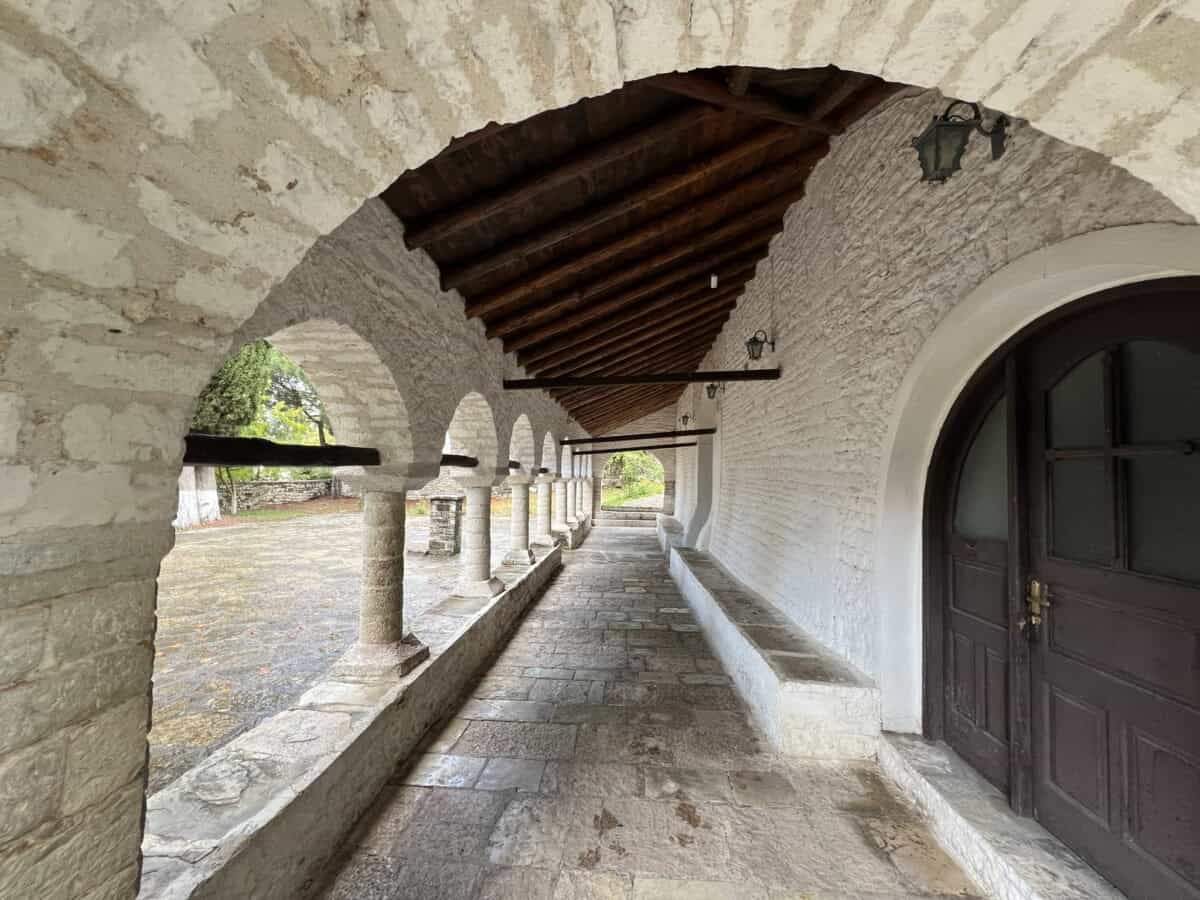
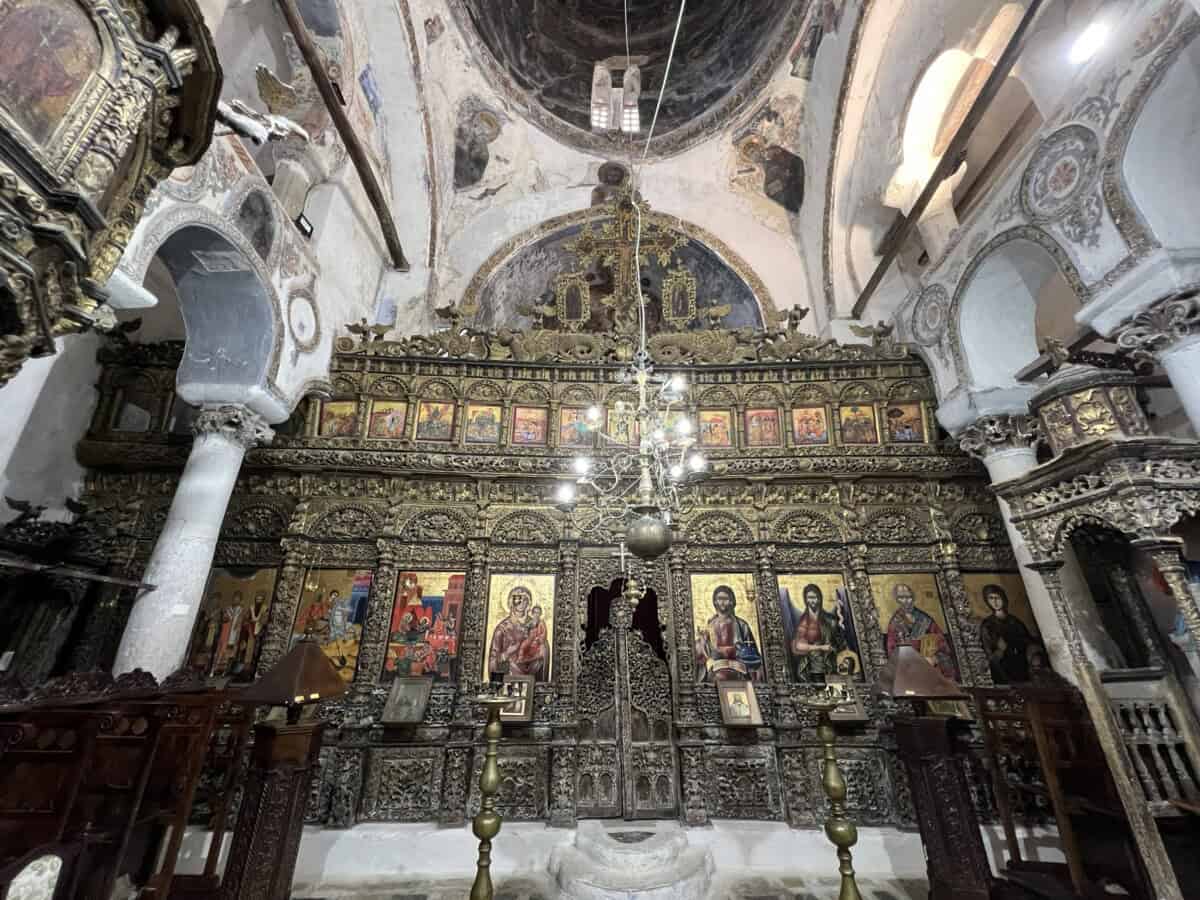
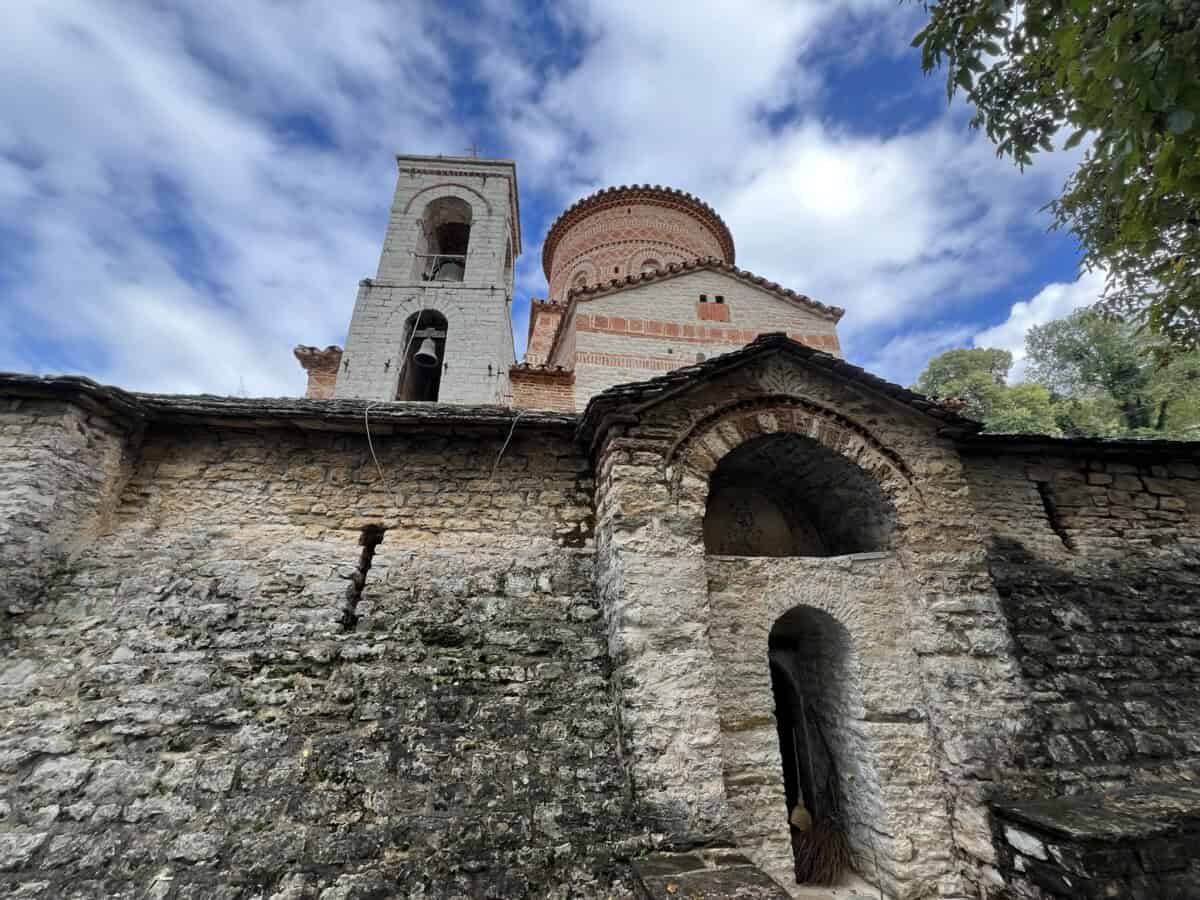
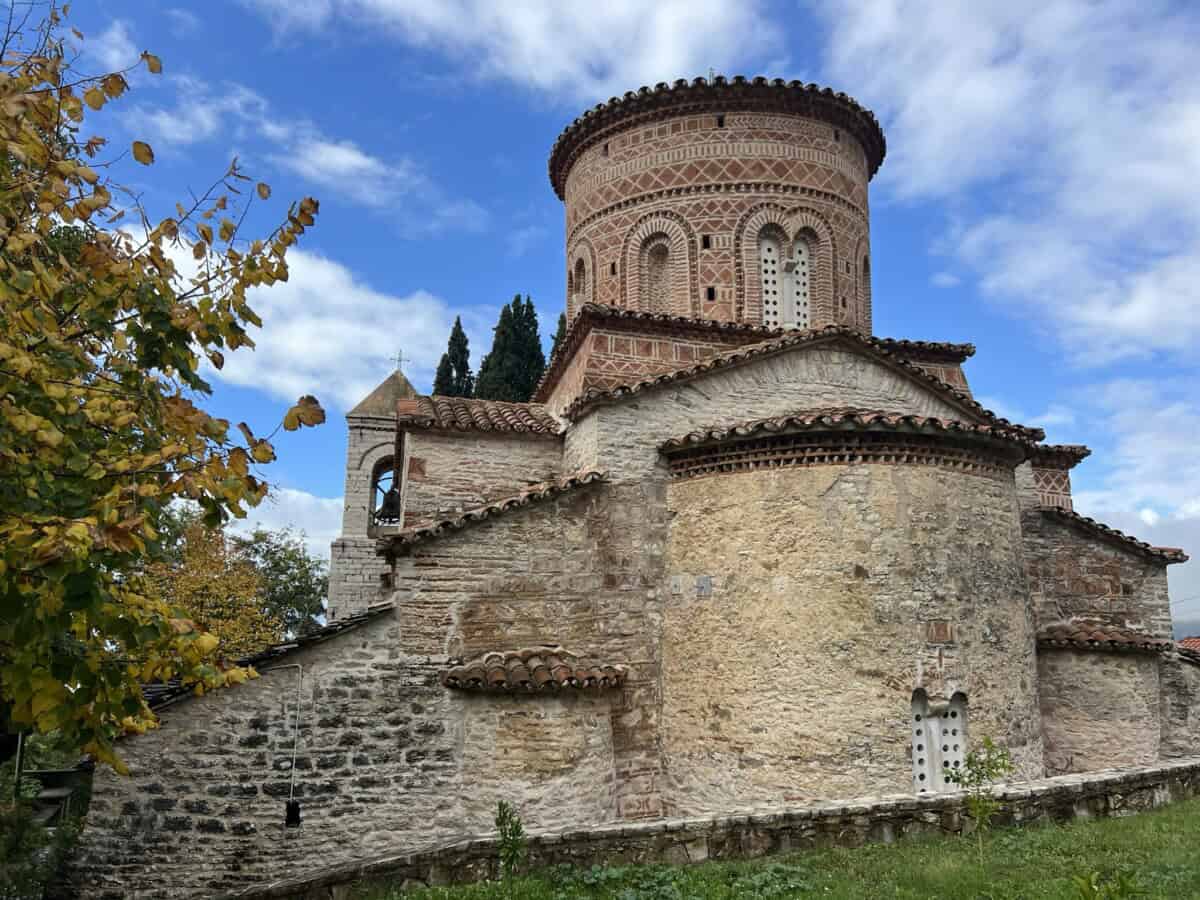
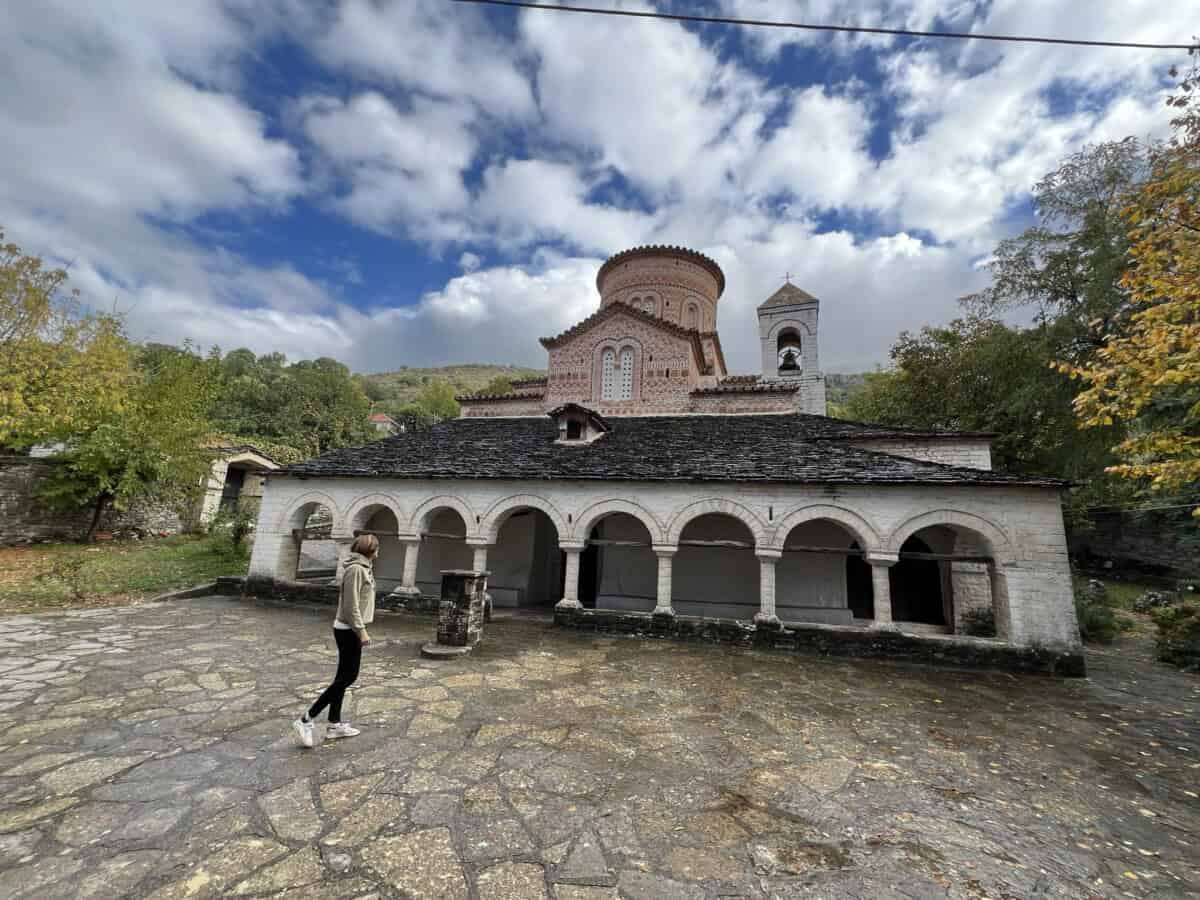
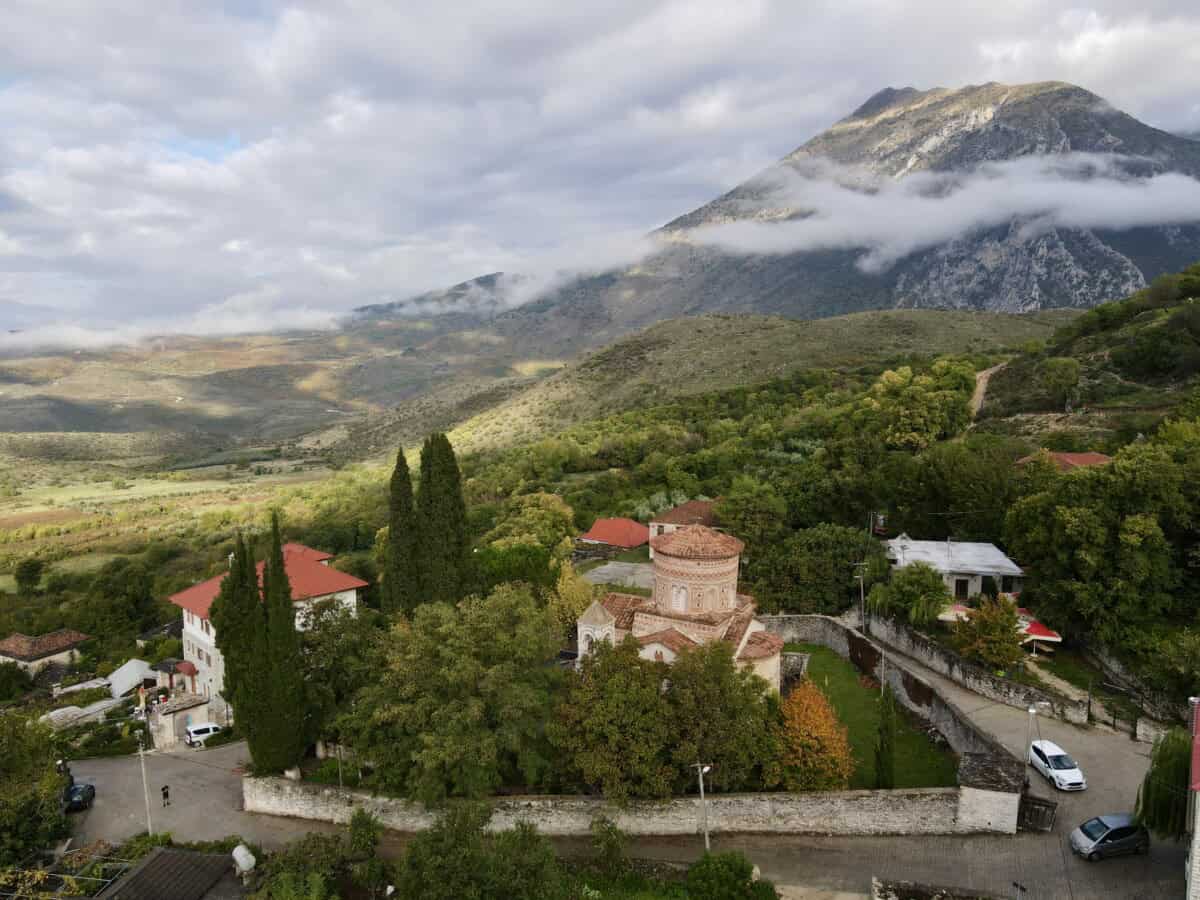
Labova Kostel sv. Panny Marie
Více o kostelu
Praktické
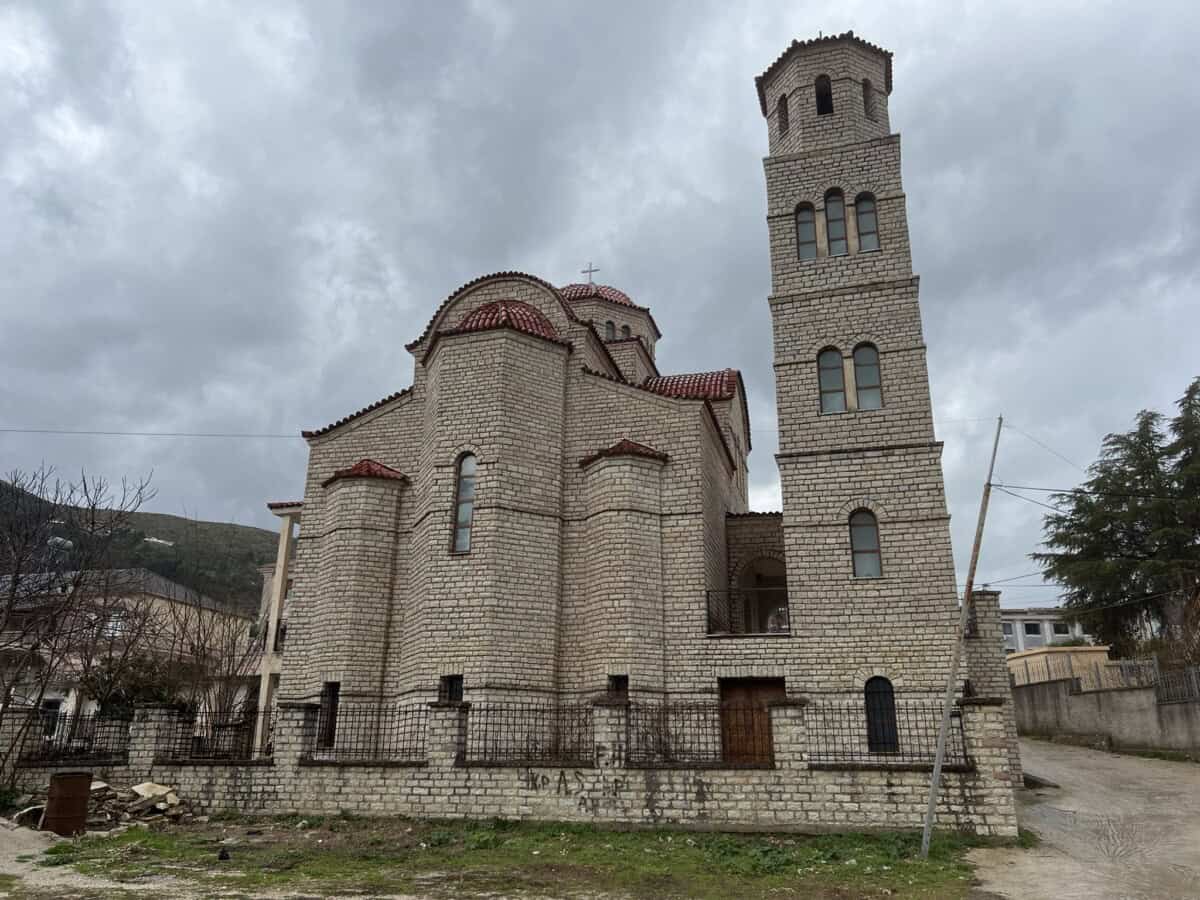
If you decide to visit this historically and spiritually very powerful place, it’s worth spending one night here. A visit to the church can be combined with a short trip to the nearby canyon with waterfall Katarakti i Sëlckes, where you can cool off pleasantly on hot days. It is about 16 km from the church. An ideal place to stay is Bujtina Sophie, which is located in the immediate vicinity of the church.
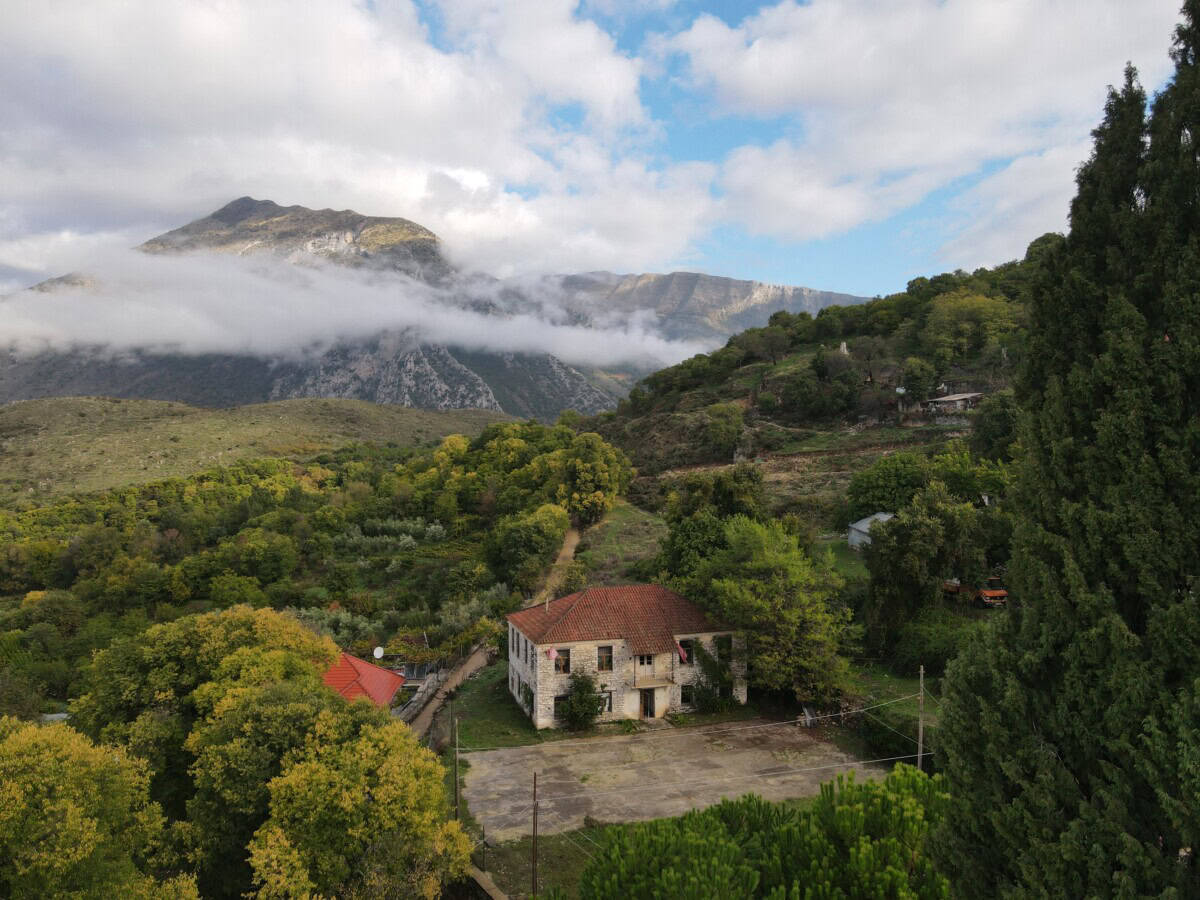
It is a new family business where you will feel at home. In addition to beautiful accommodation for a song, you will also enjoy great home cooking. A bonus is the incredible views of the Drin river valley. Parking is right at the guesthouse.
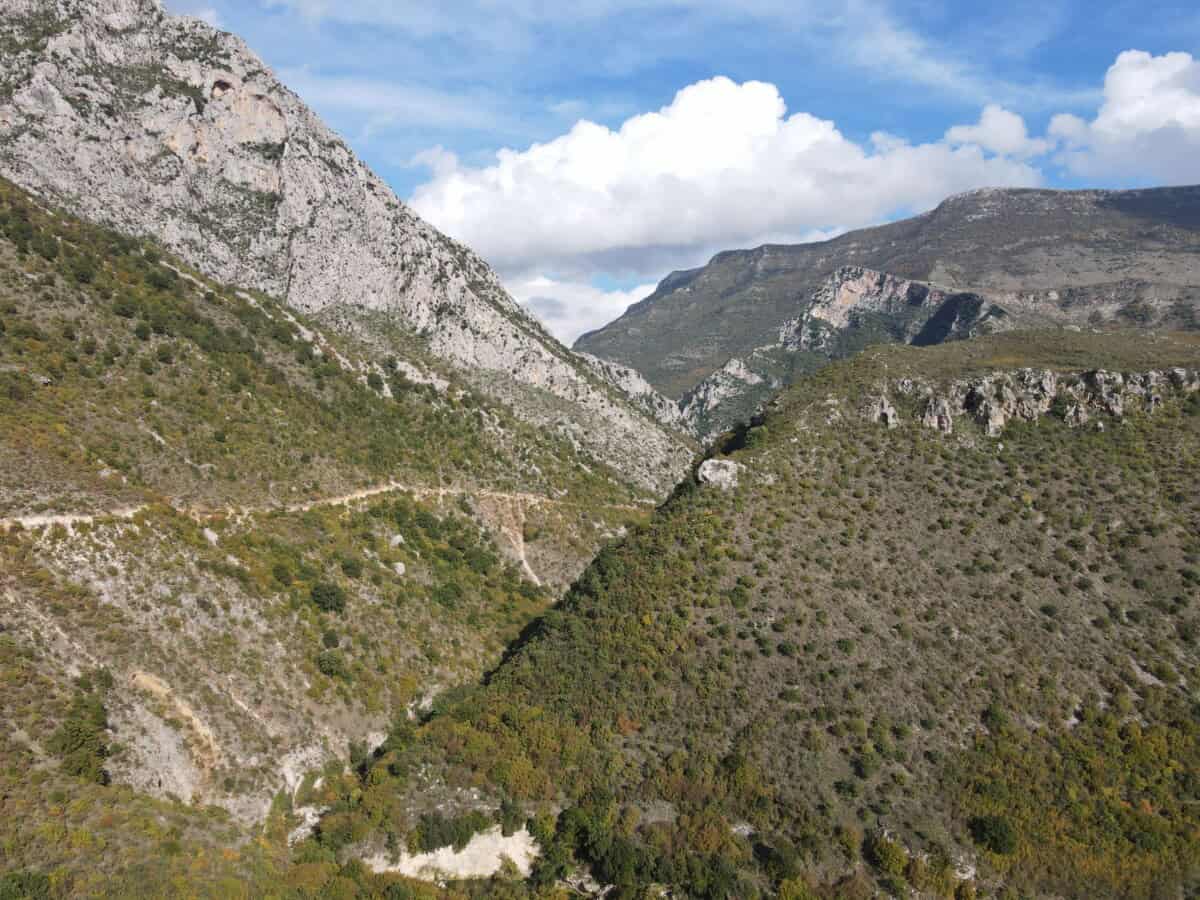
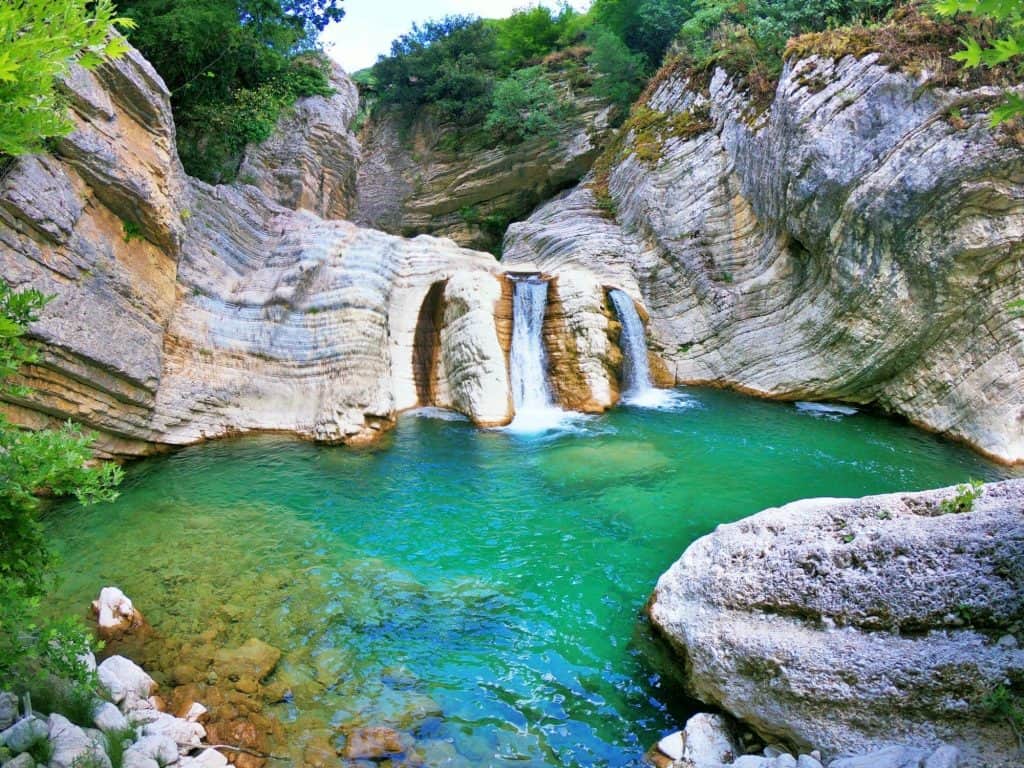
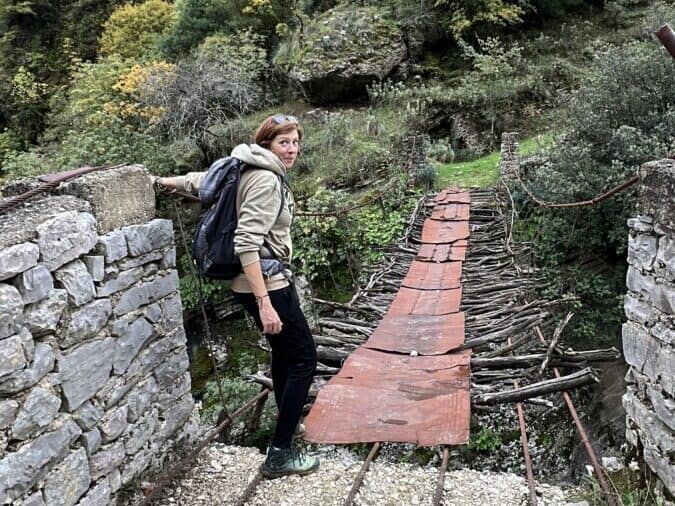
The road to the waterfall Katarakti i Sëlckes is gravel, but it is passable by a normal car. The place from which you can easily reach the waterfall is HERE. If you go a bit higher above the waterfall, you will reach a suspension bridge where you can enjoy an adrenaline rush. You will go to the bridge from here.
Mapa
Canyon Nivica
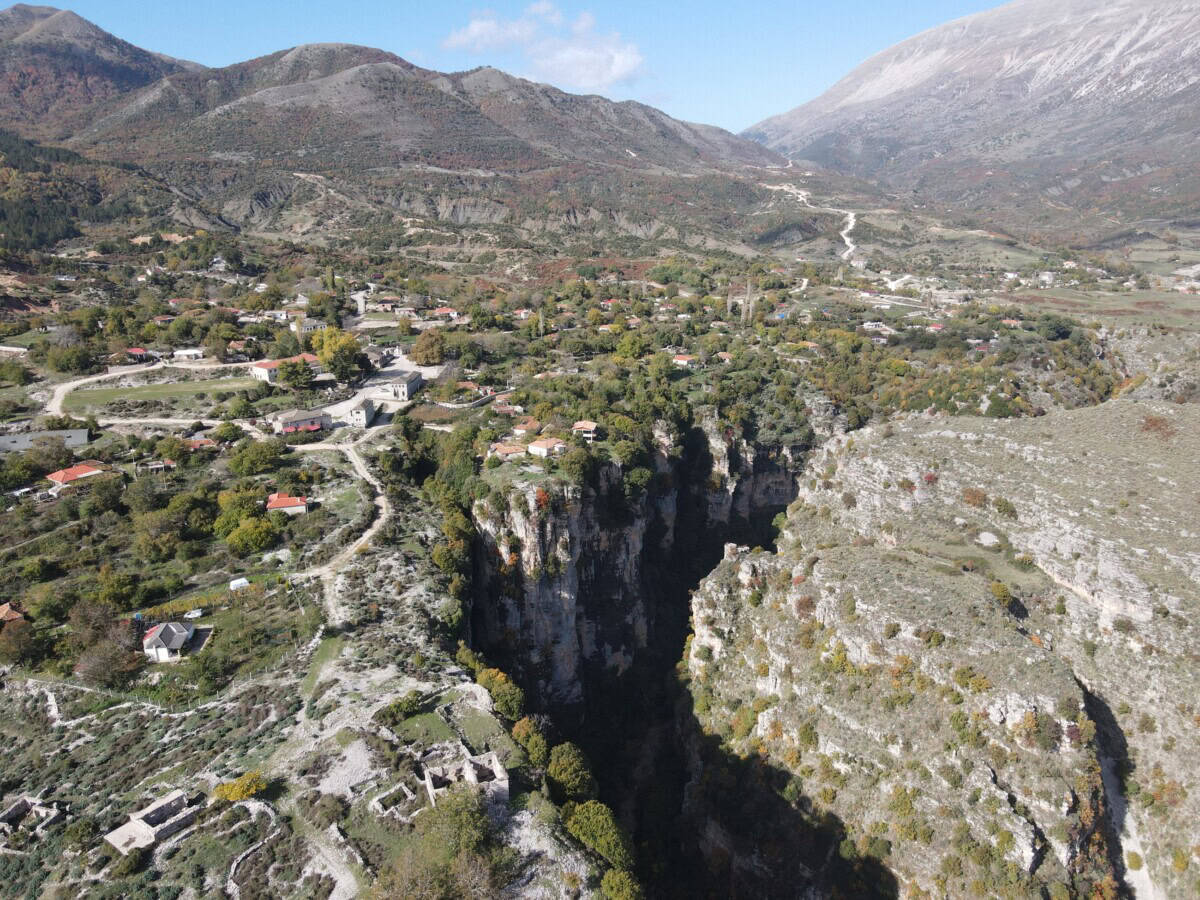
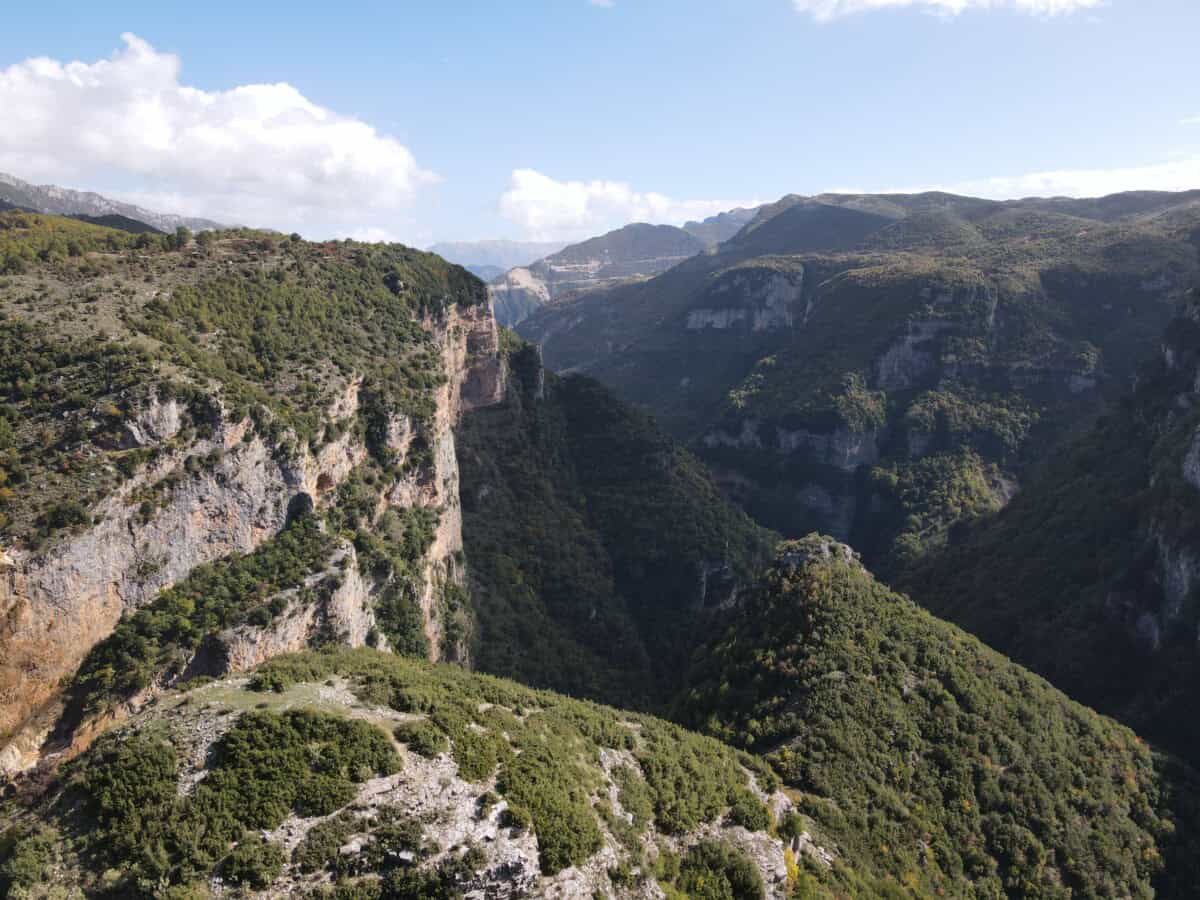
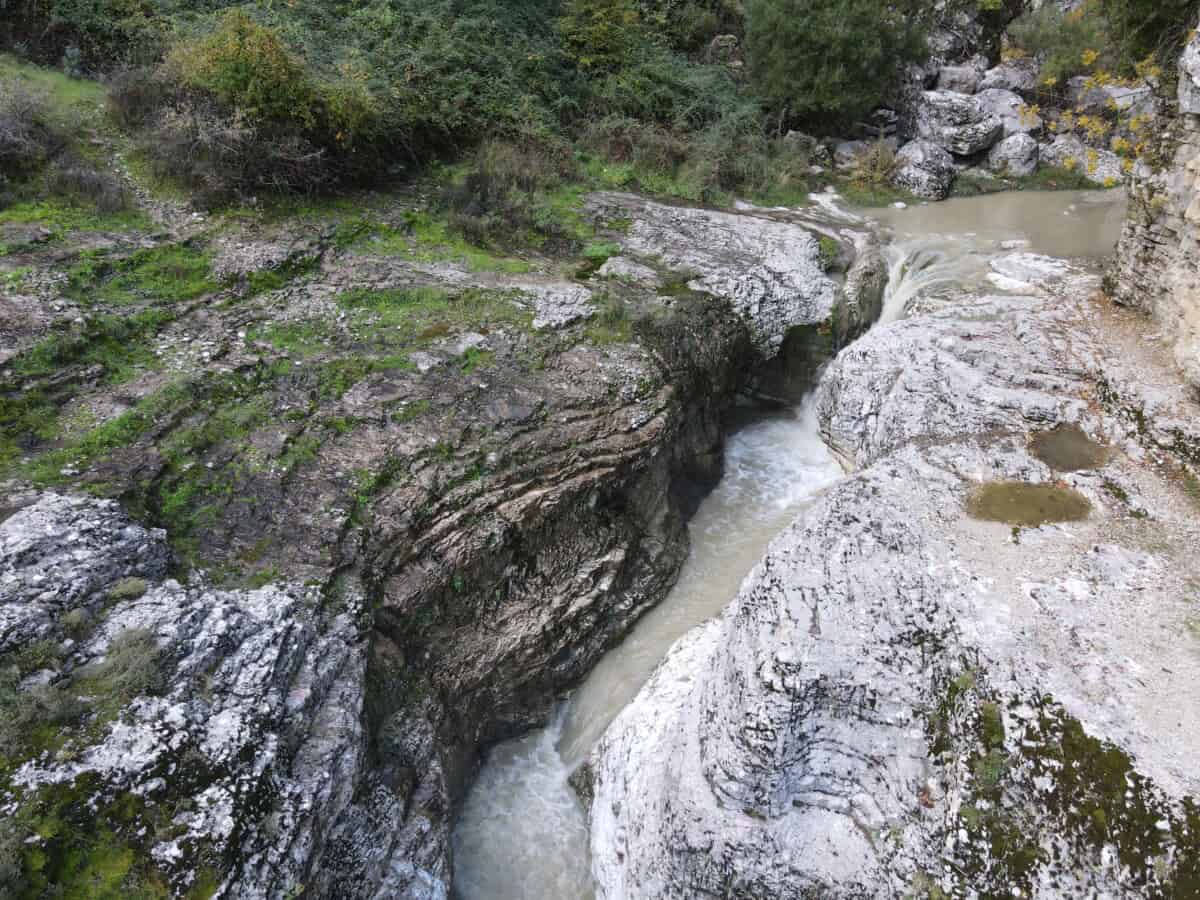
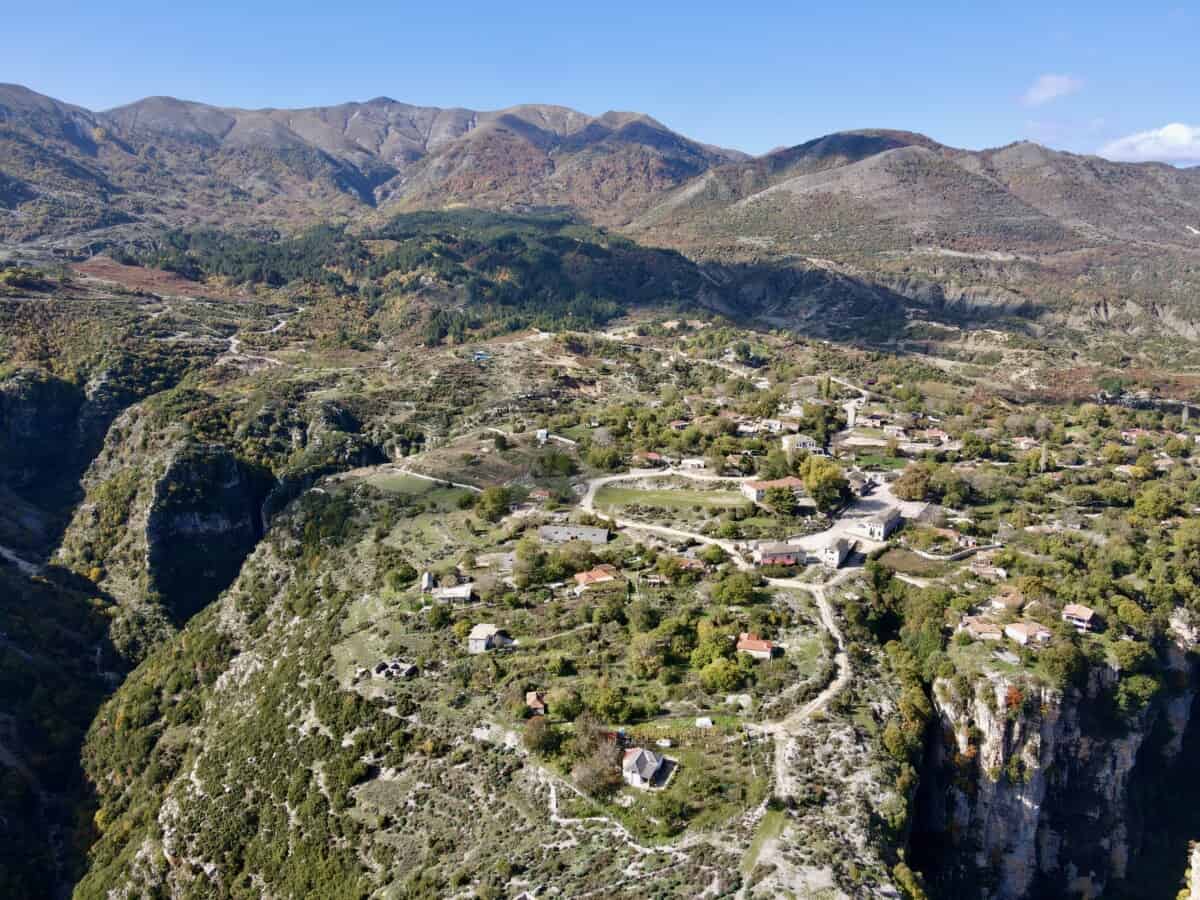
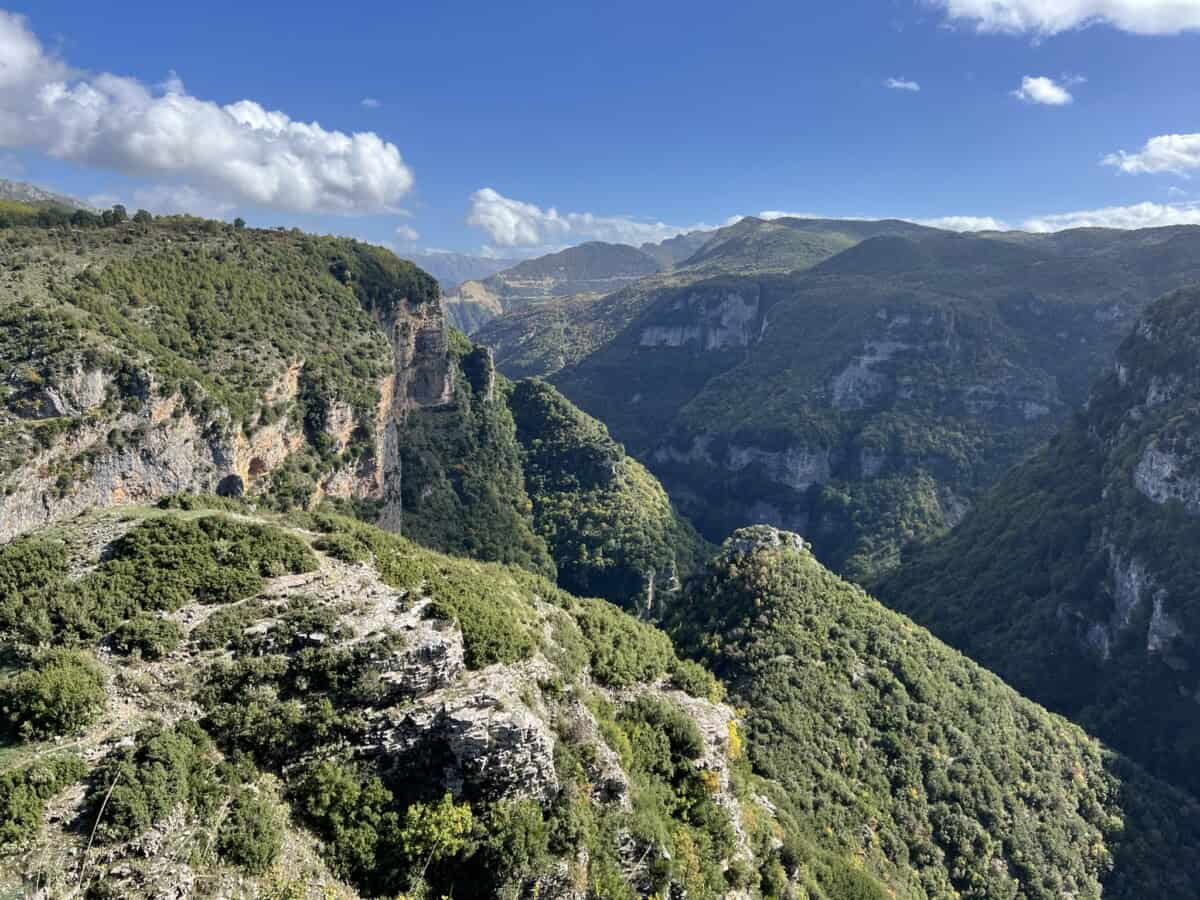
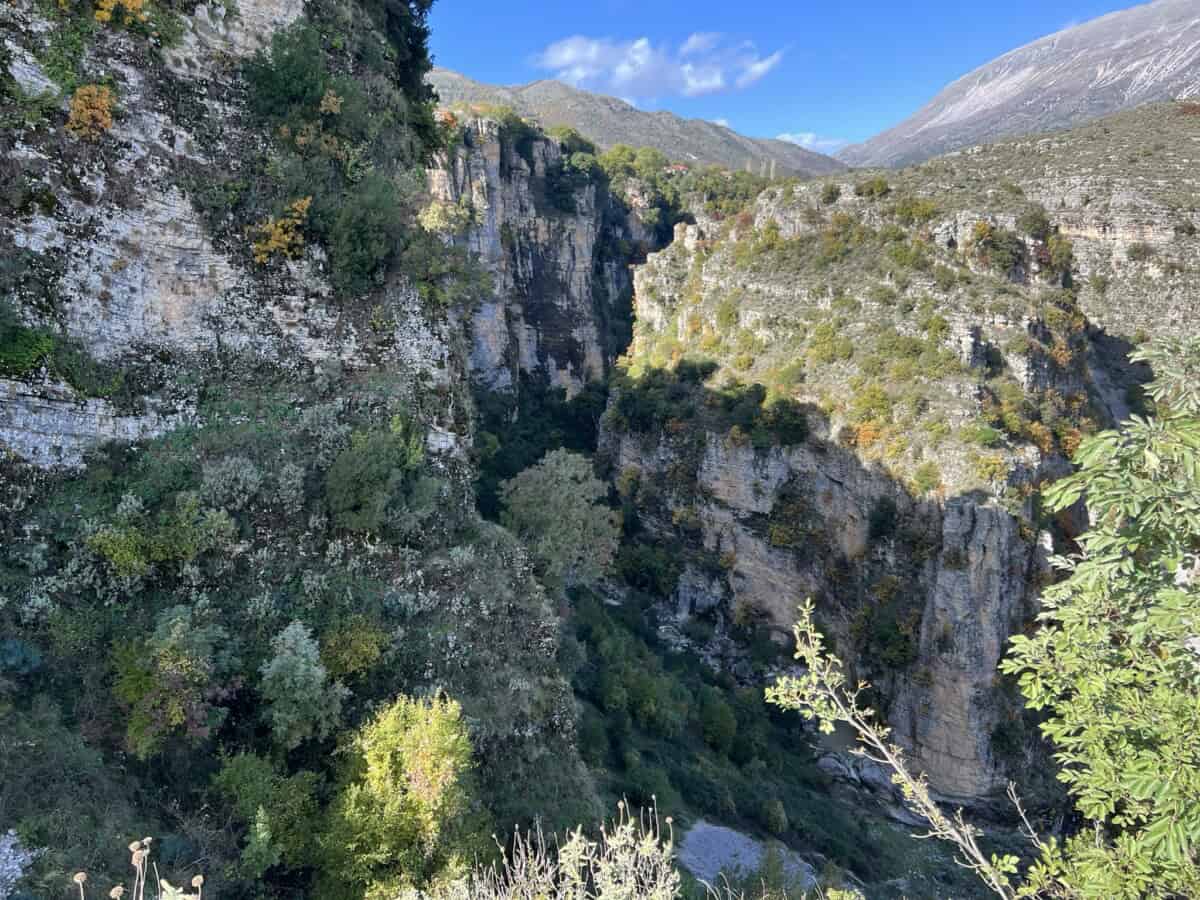
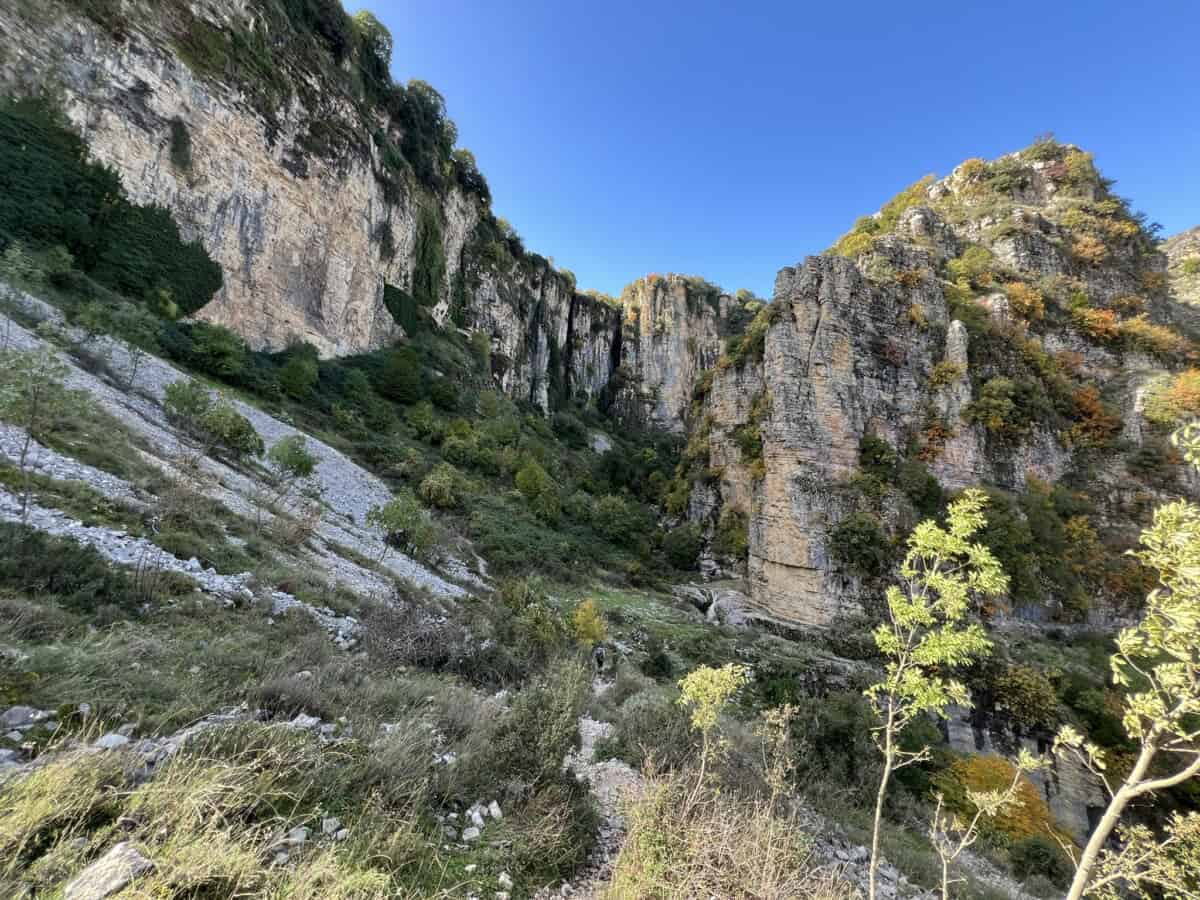
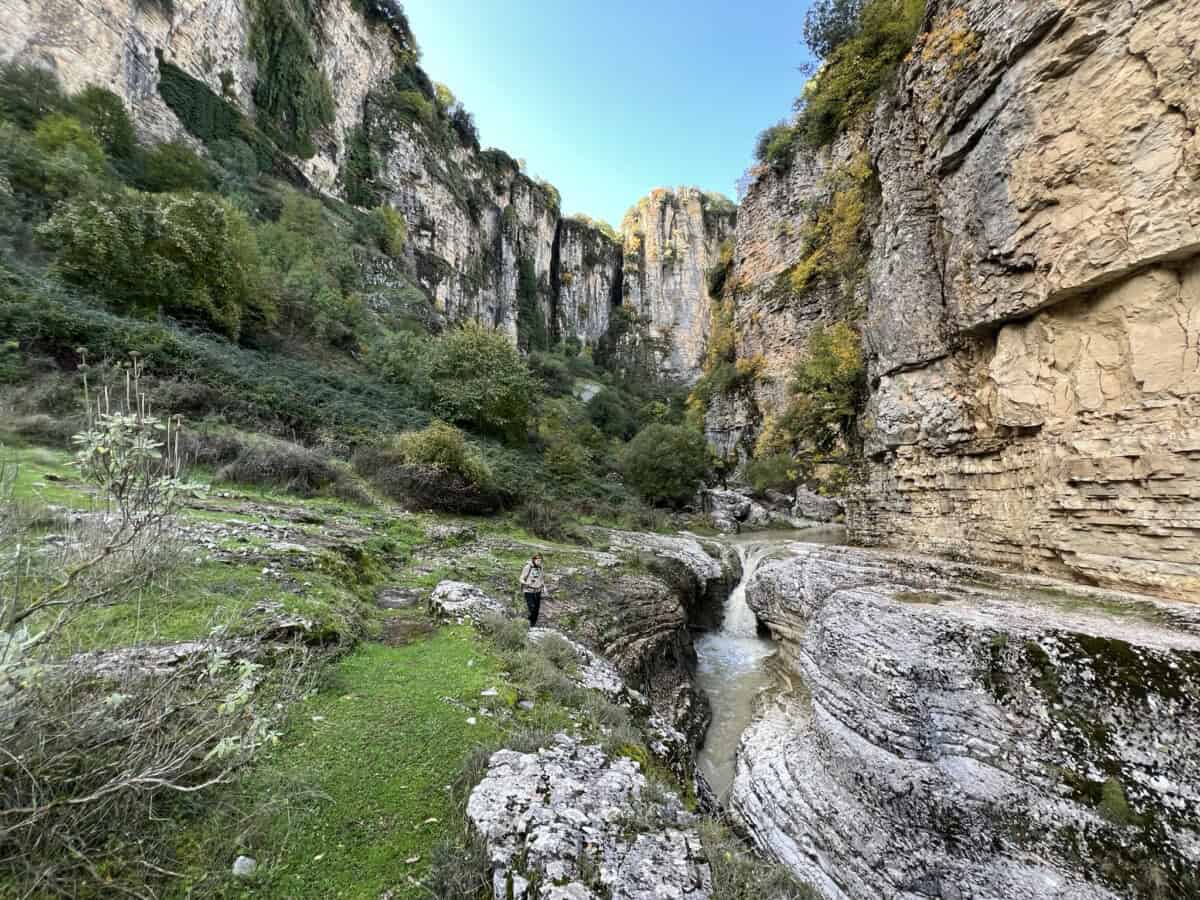
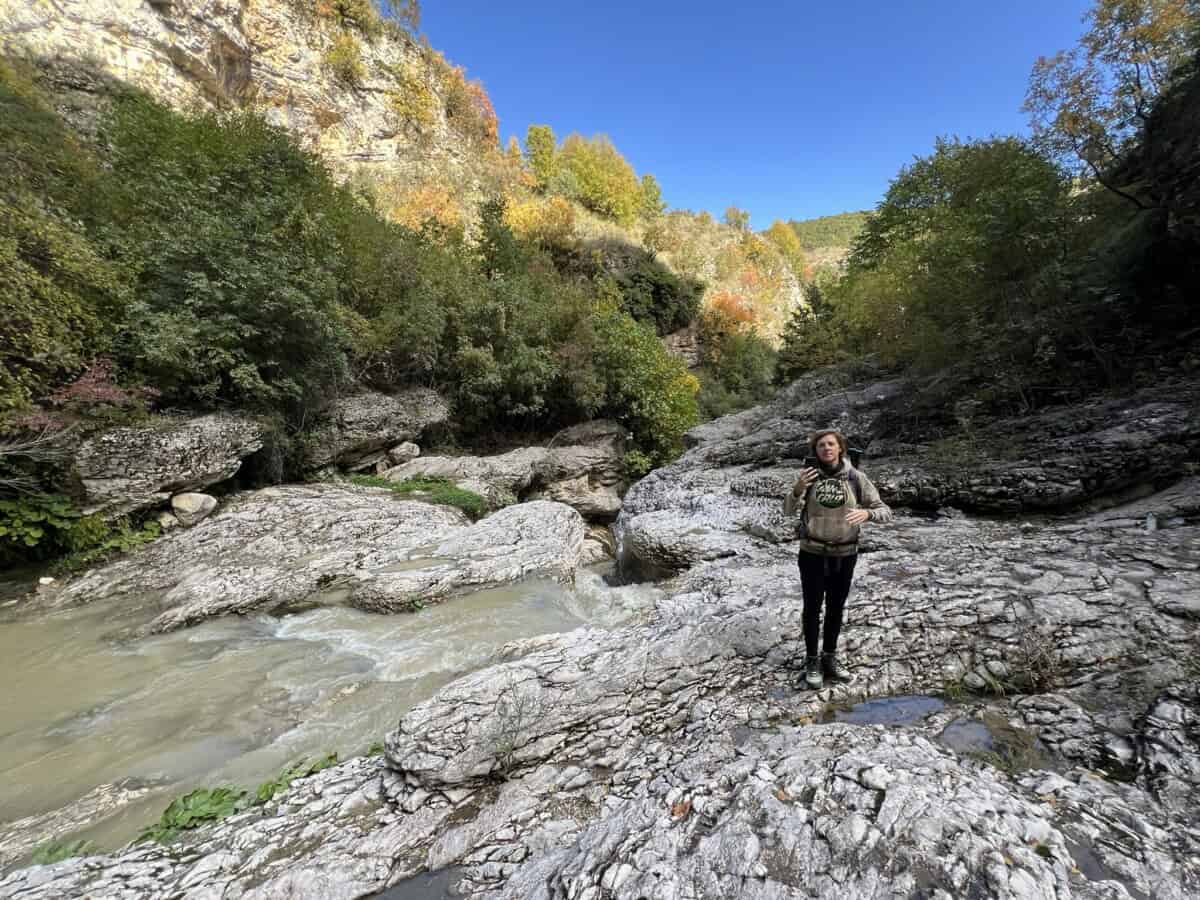
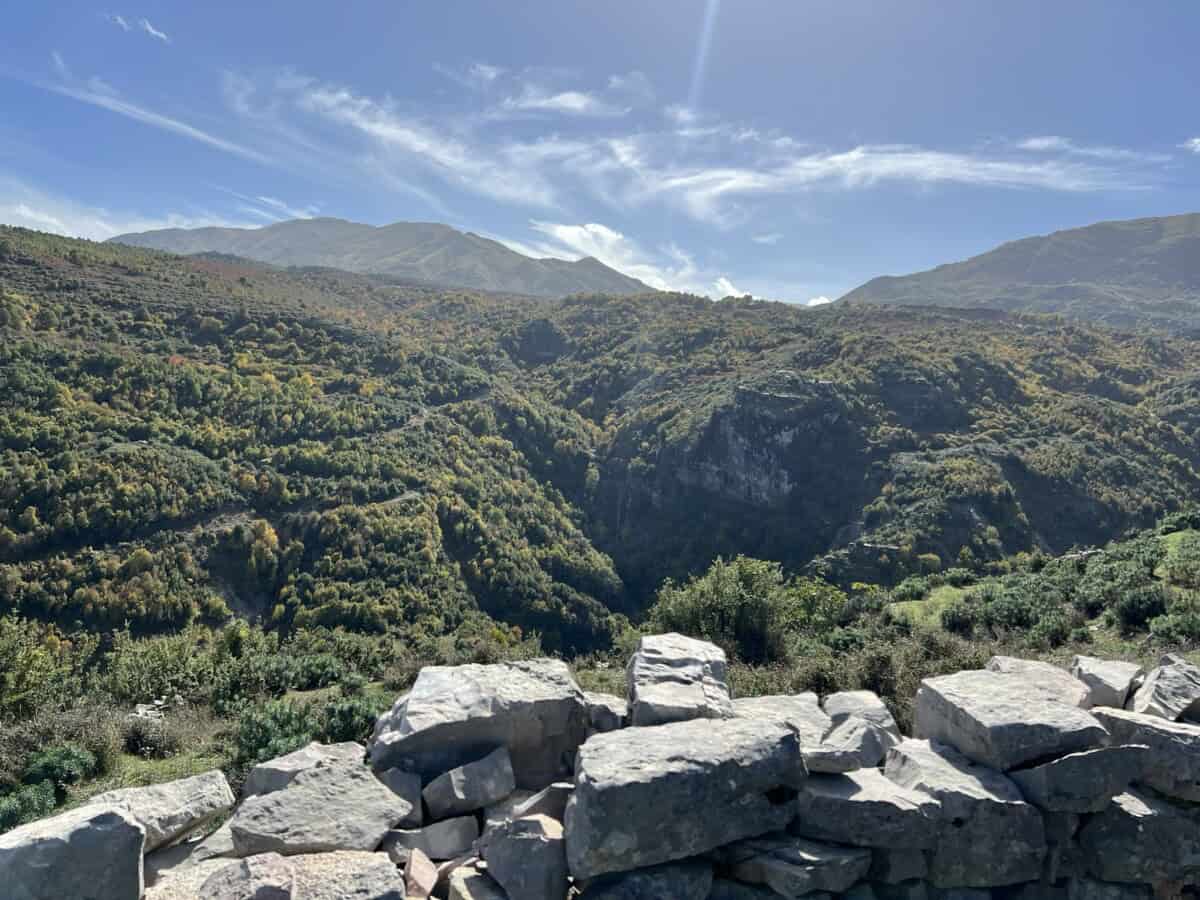
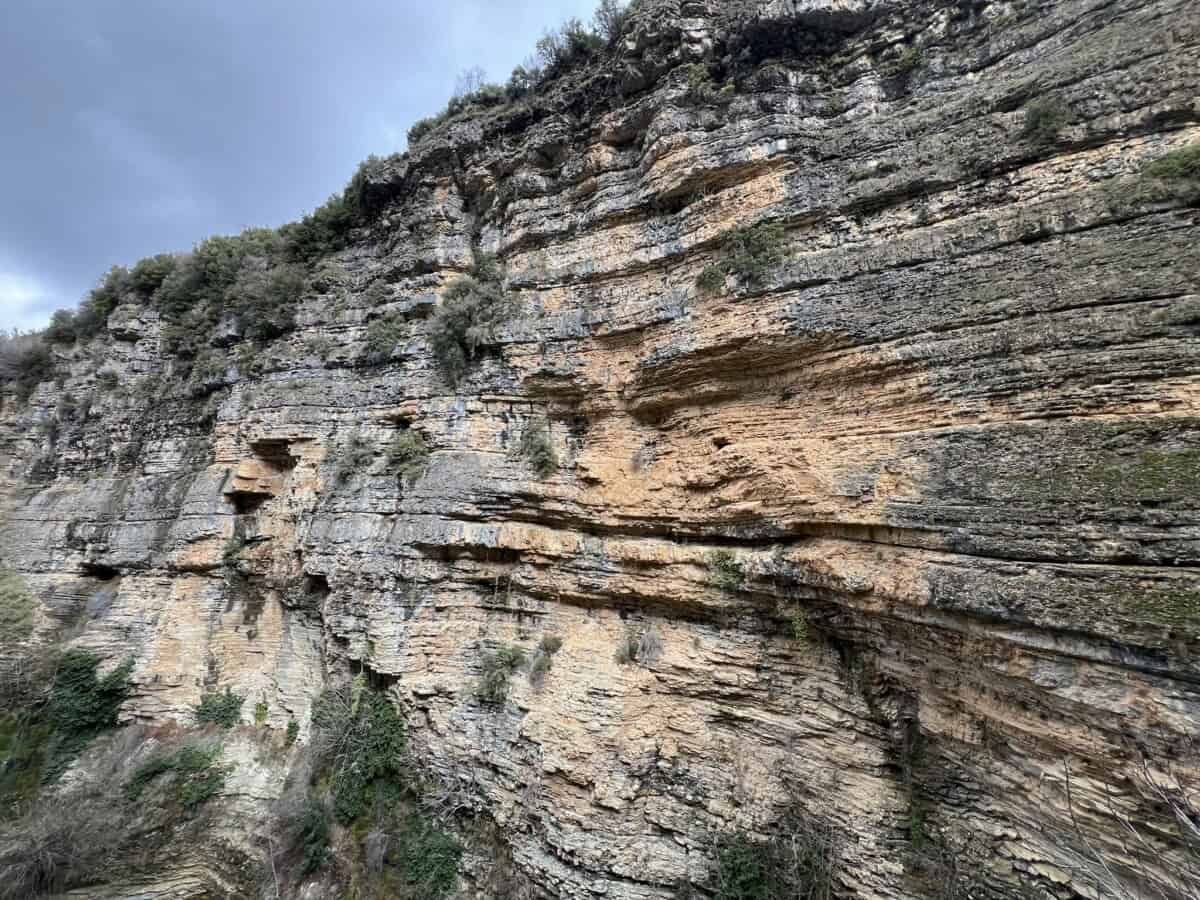
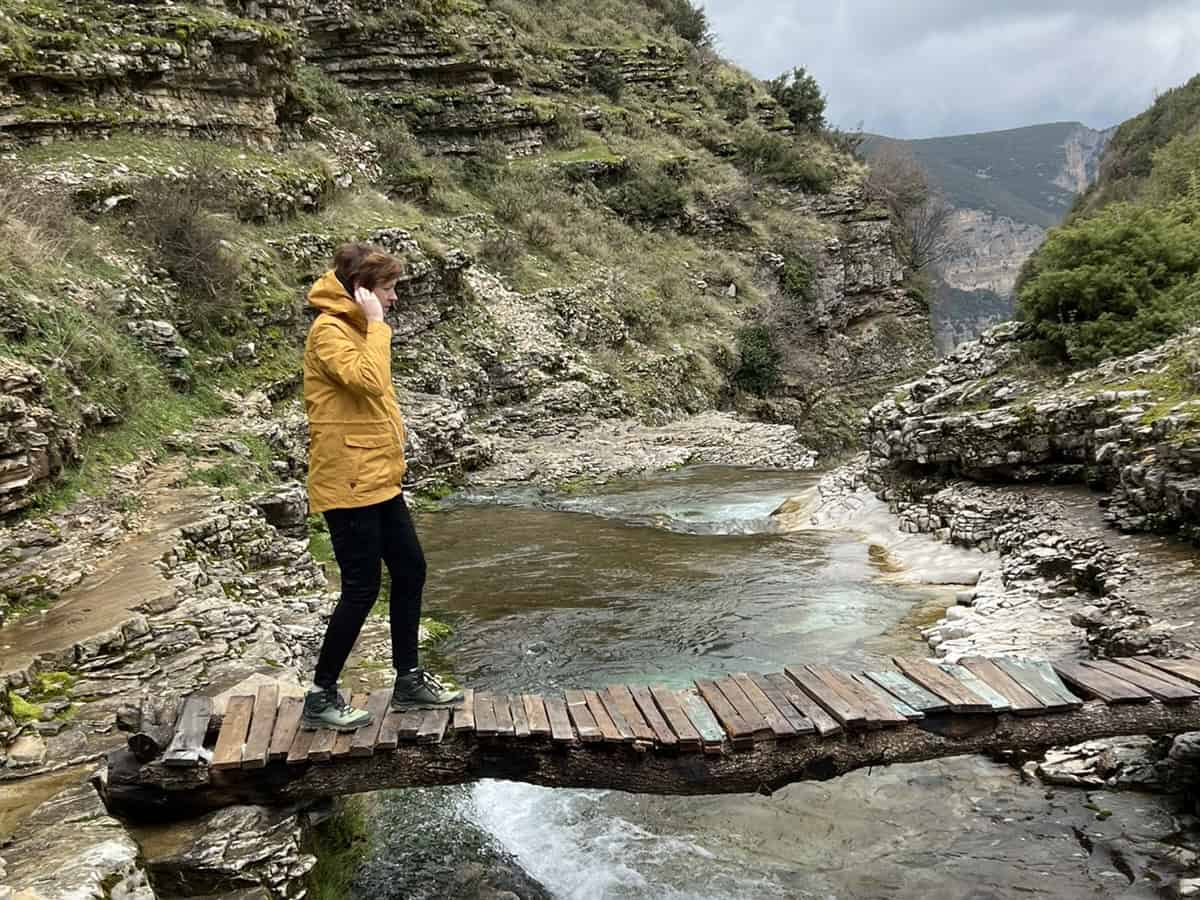
Griba is a mountain massif located in the Kurvelesh region in southern Albania. Its highest peak, Maja e Këndrevicës, reaches a height of 2,122 m and is a frequent destination for tourist expeditions. At the foot of this mountain is the Nivicë canyon. It is one of the longest canyons in Europe. It offers hiking and canyoning including rappelling and swimming. The canyon – in places up to a kilometer wide – was created by water erosion. Water, besides carving a brutally enormous furrow in the earth, has created numerous water cascades and waterfalls.
The entire canyon and the plateau are something exceptional. Here one again realizes how incredibly creative nature is… and how insignificant we humans are. Even just the drive by car along the canyon towards the village of Nivicë is a wonderful experience. The passenger has it better, as they can fully enjoy the incredible views. The new asphalt road, which replaced the gravel road, has made enjoying the views a bit easier for drivers too.
Více o Nivicë
The small town of Nivicë has a very ancient origin. According to the book Travels through Greece by François Pucqueville, an Illyrian tribe of the Amantians once lived here. The Illyrians built a fortress here in the 4th–2nd century BC, which became the foundation of the later city. The fortress stood on a cliff 100 meters high, at a strategically advantageous crossroads. Due to its location and fortifications, this settlement became the second most important center of the Amantian tribe.
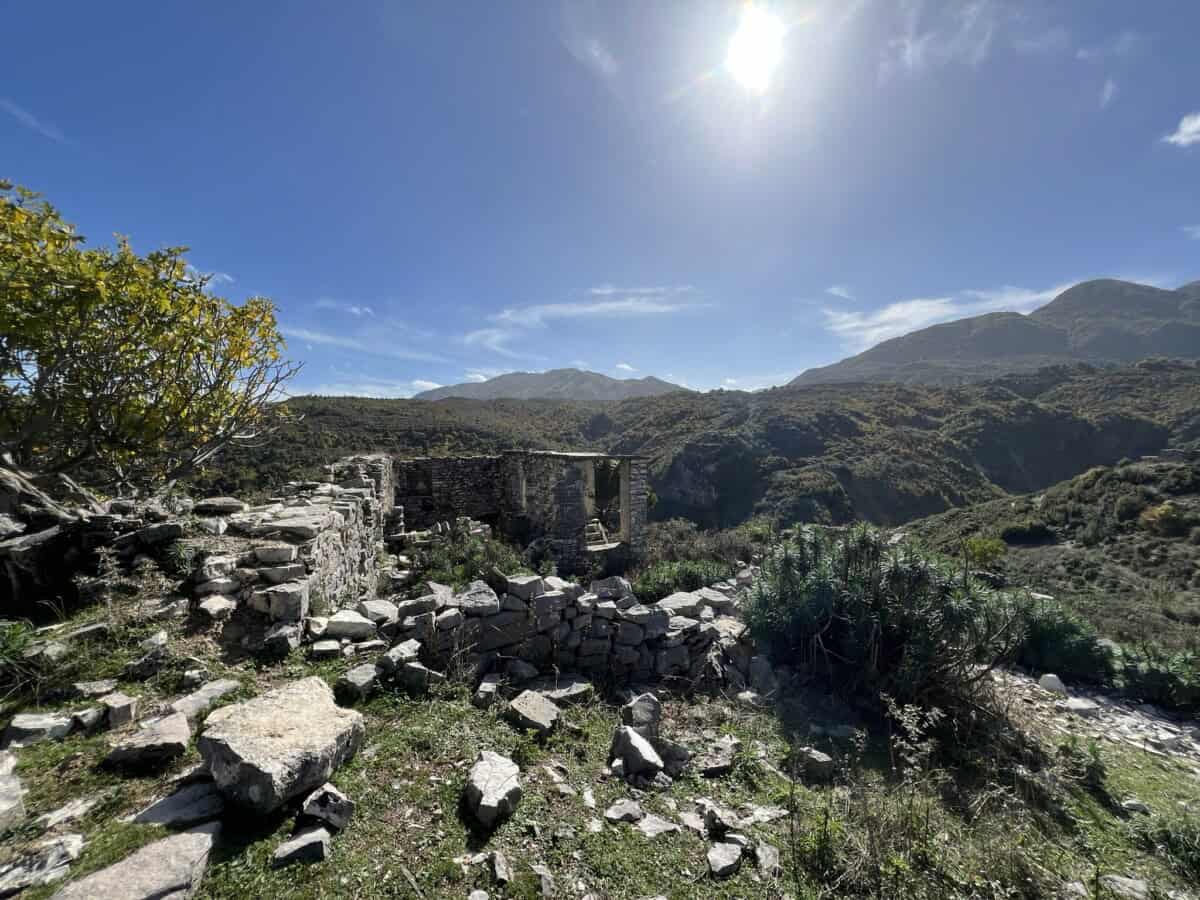
The fortress was first rebuilt by the Romans around 167 BC. Today, the remains of the 2400-year-old fortress are recognized as a significant cultural monument. In its vicinity, a bronze statuette of the Pelasgian Zeus was found, about 8 cm high. The statue depicts a naked god of lightning with a menacing expression. The statuette is dated to around 530 BC.
Praktické
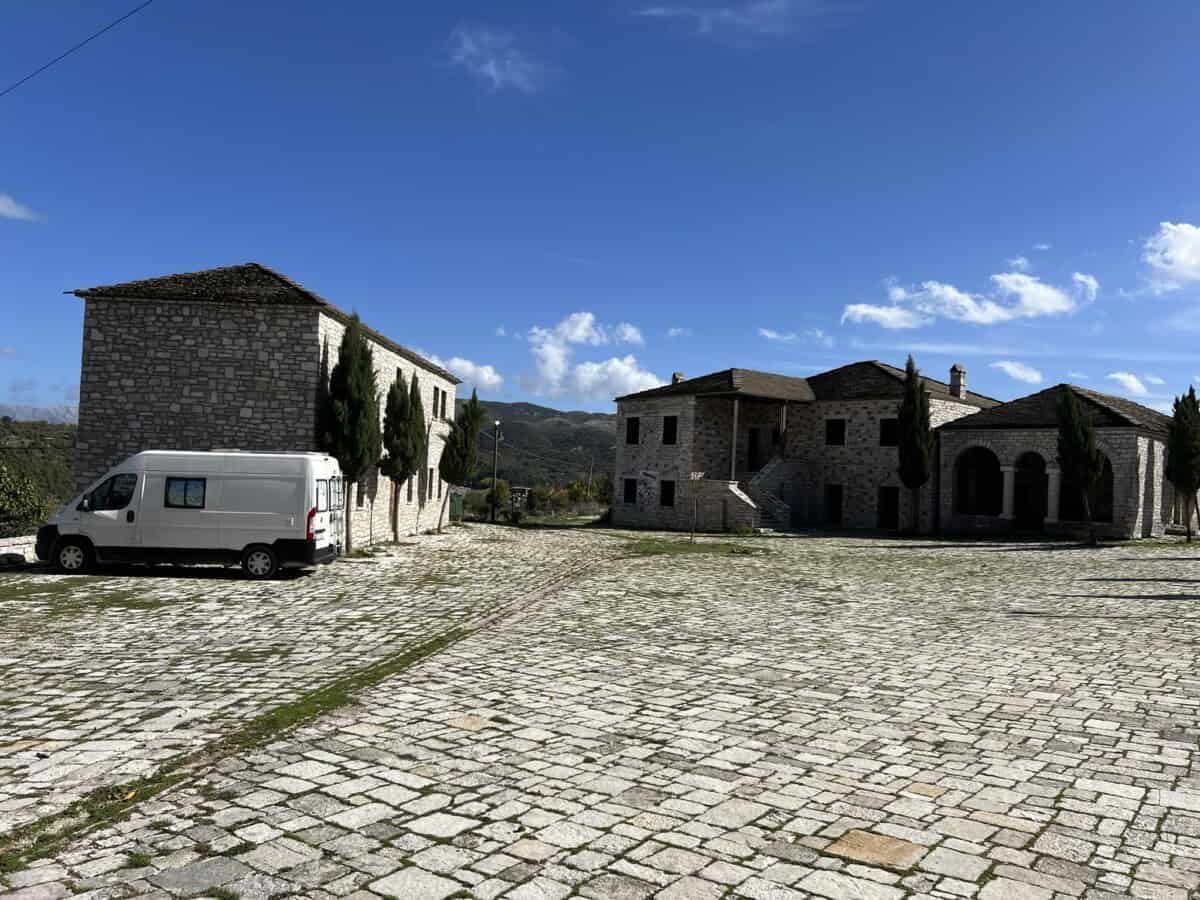
Stone square of the village Nivicë is an ideal starting point for the waterfalls and at the same time a parking place. The basic route to the waterfall is about 1 kilometer in one direction and you need to expect steep terrain. If you set out in summer, it’s better to go earlier in the morning so you don’t get burned.
Mapa
Waterfall Peshtura - Progonat
Více o vodopádu
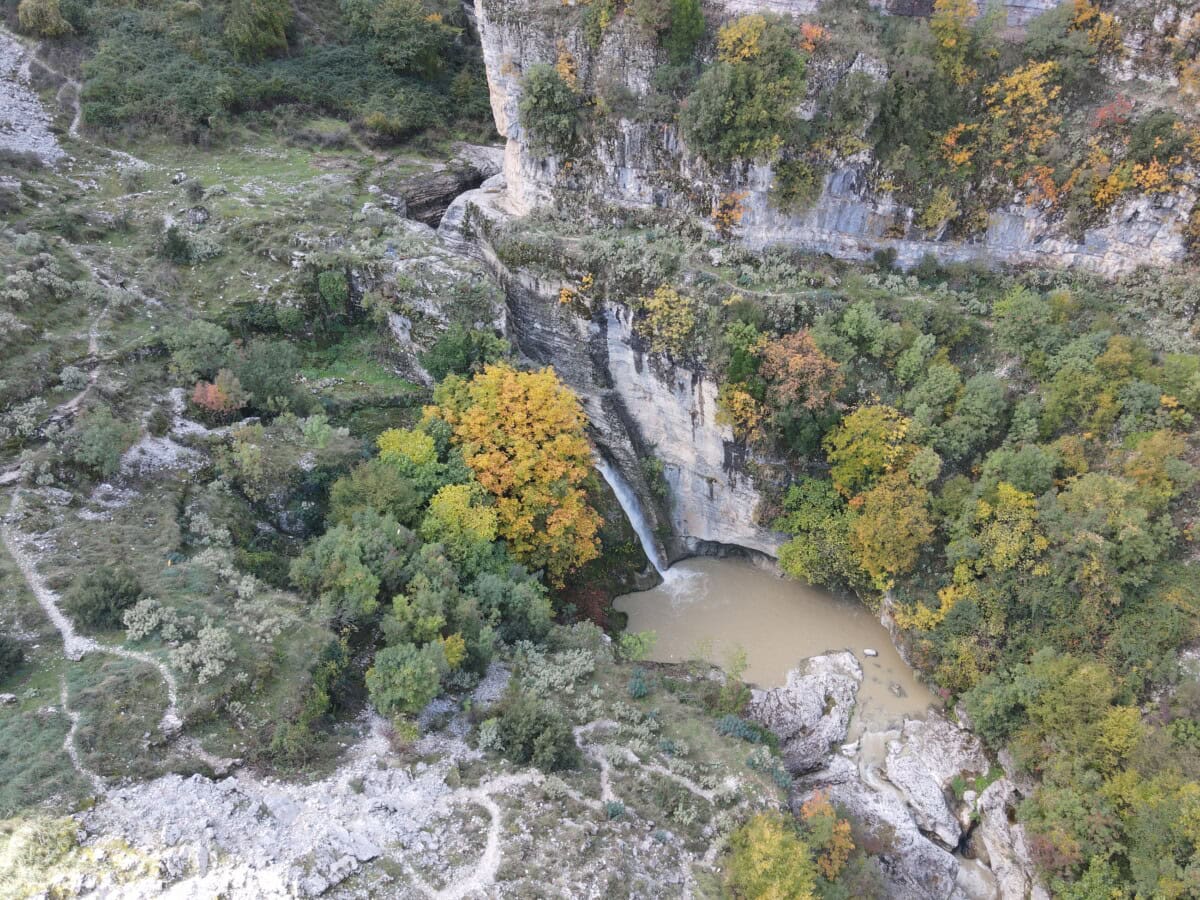
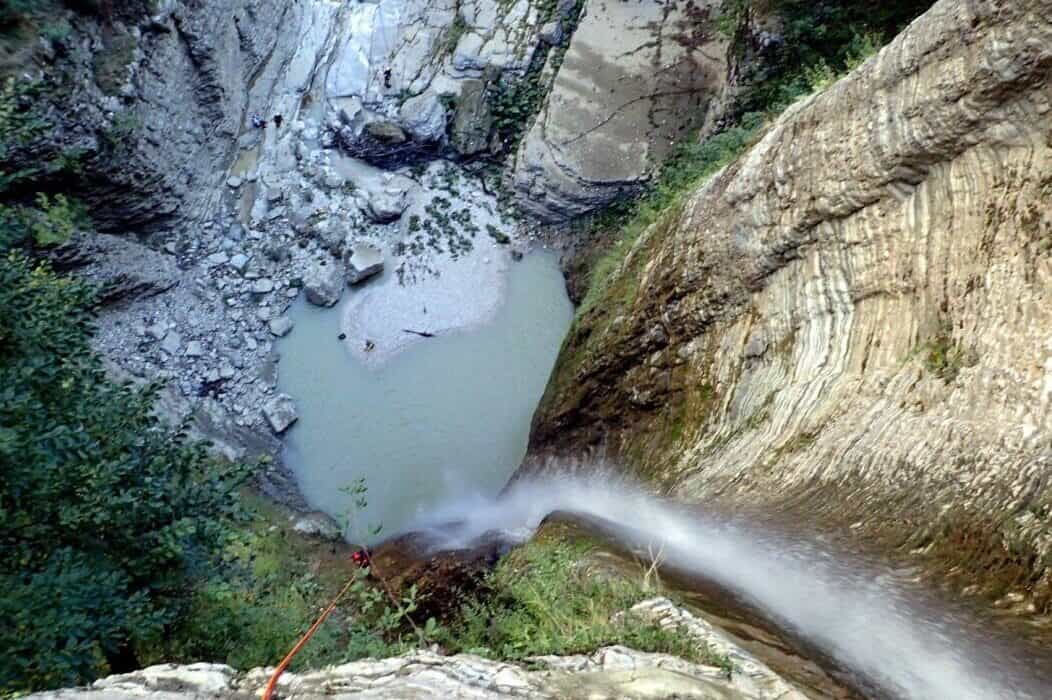
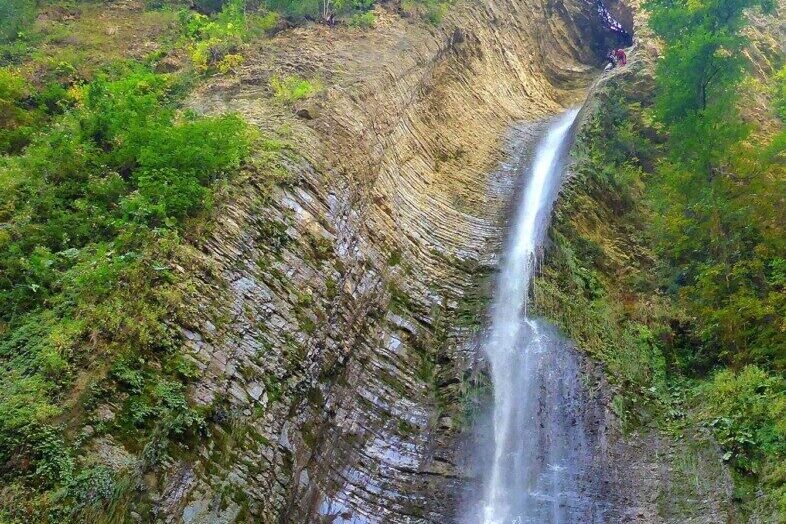
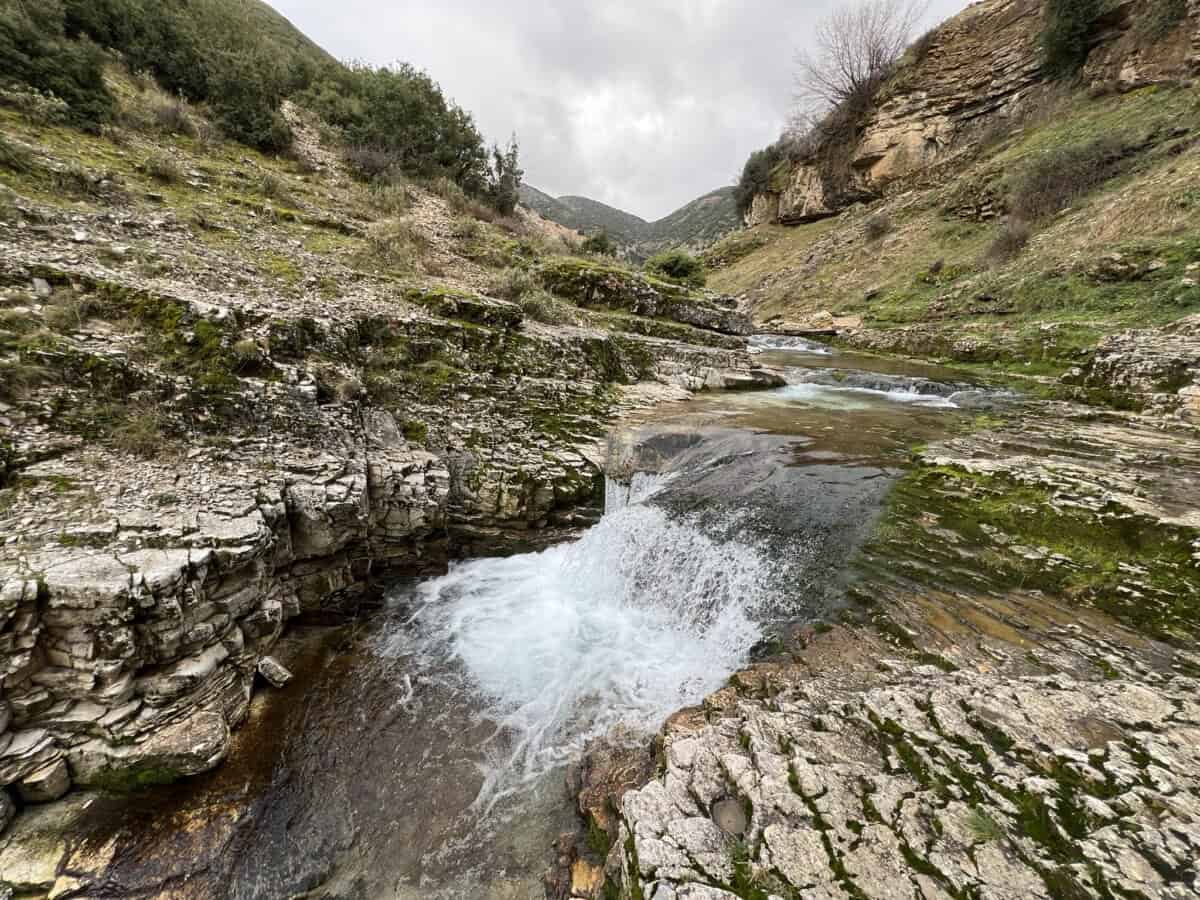
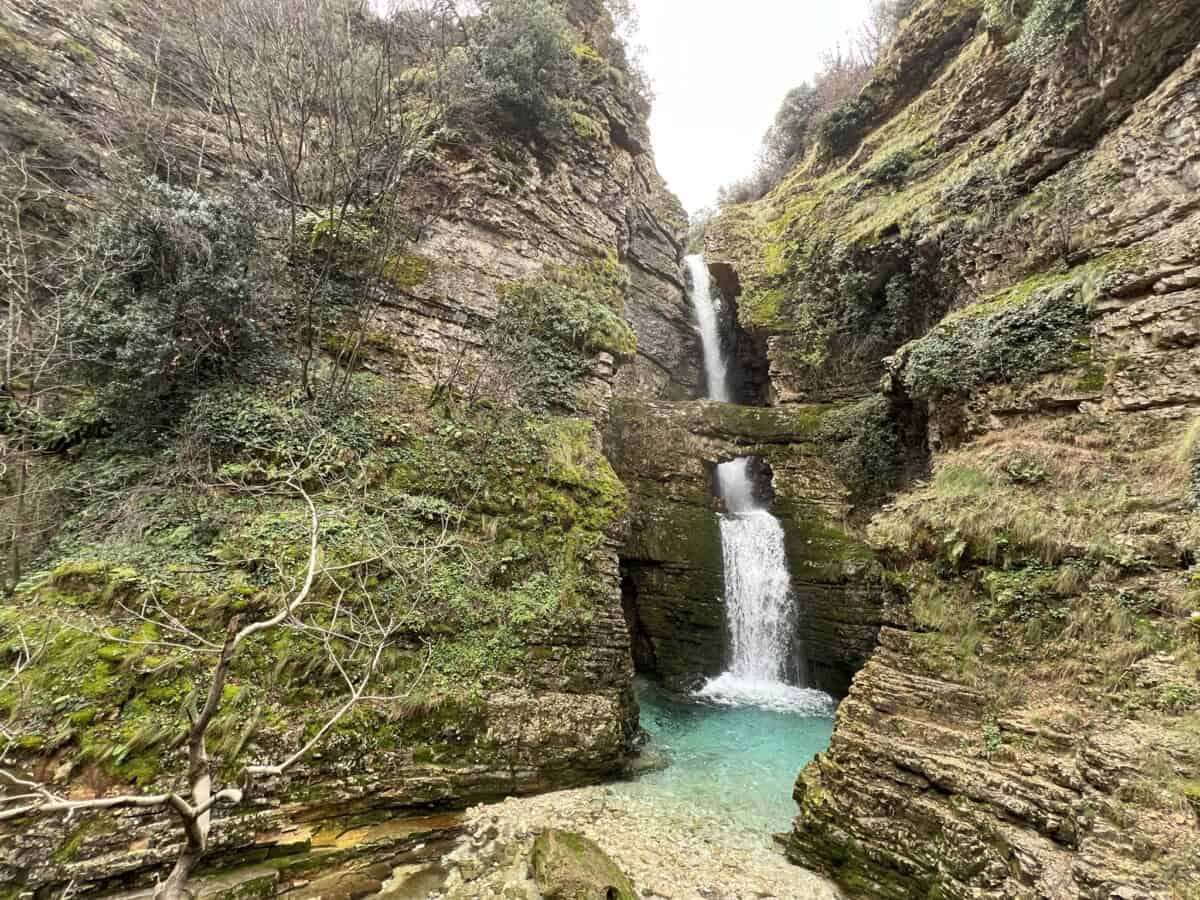
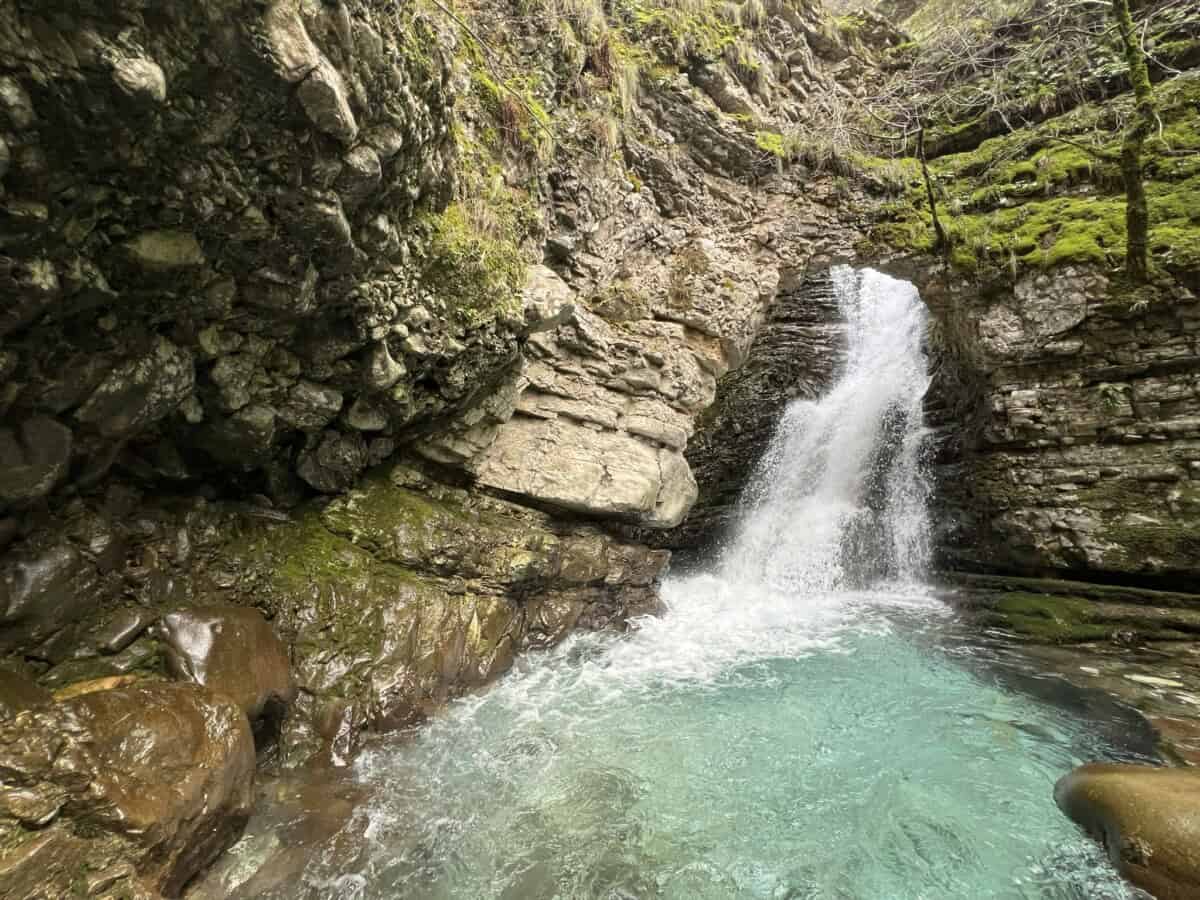
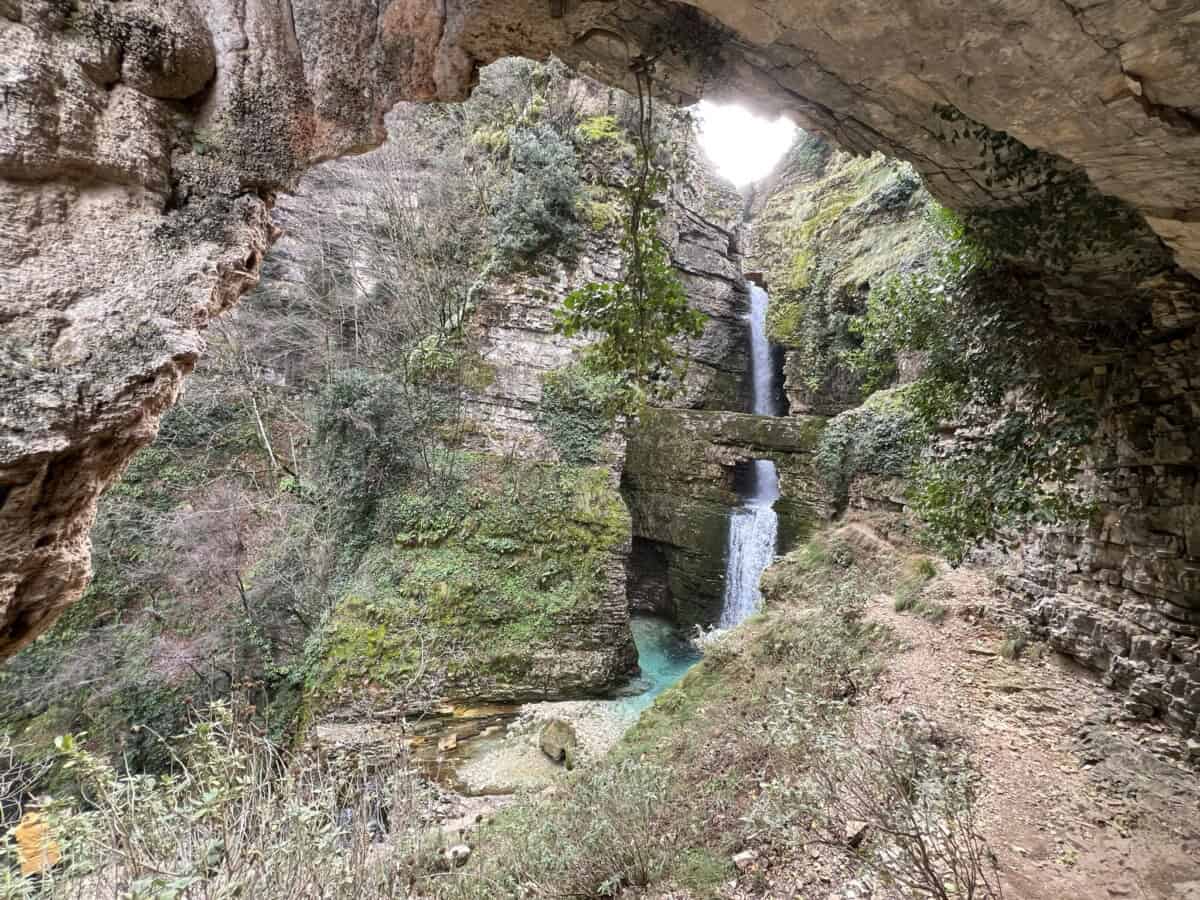
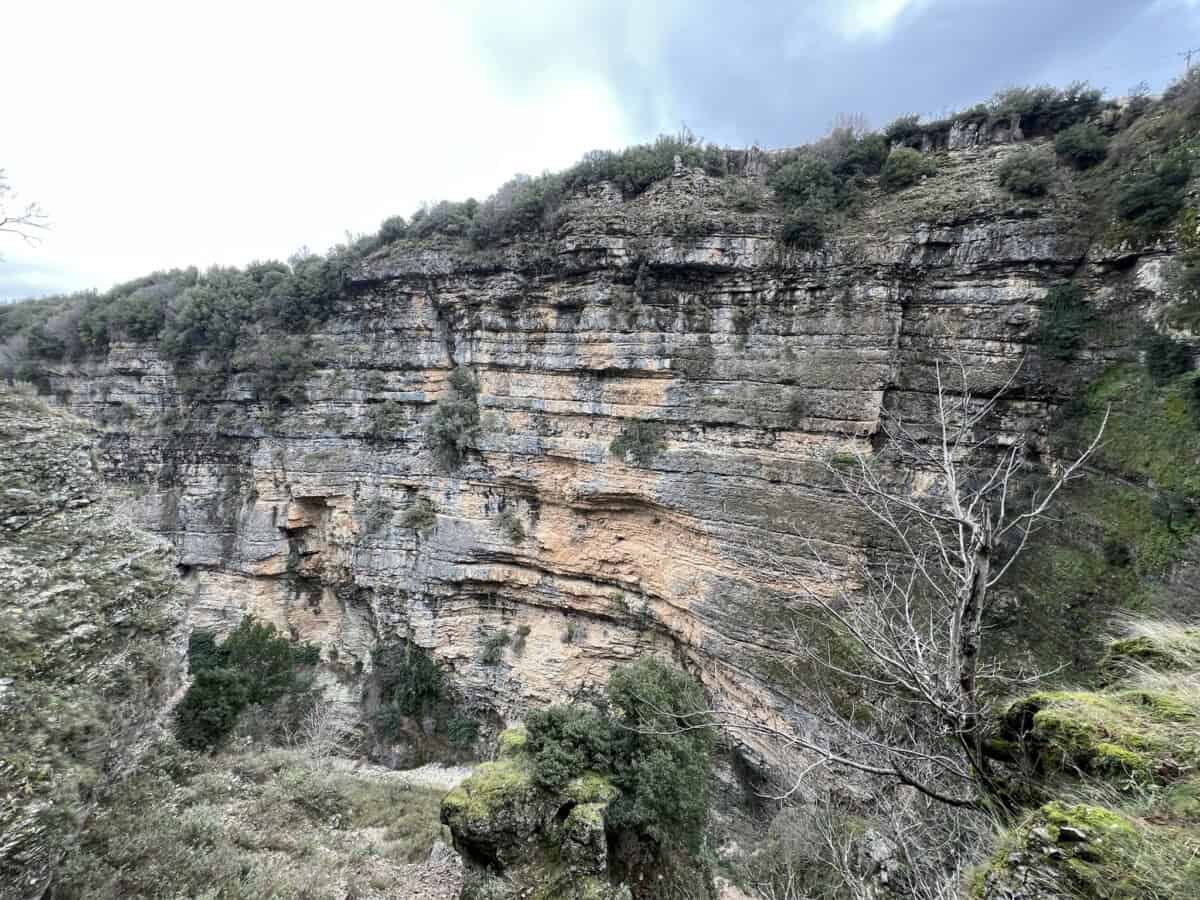
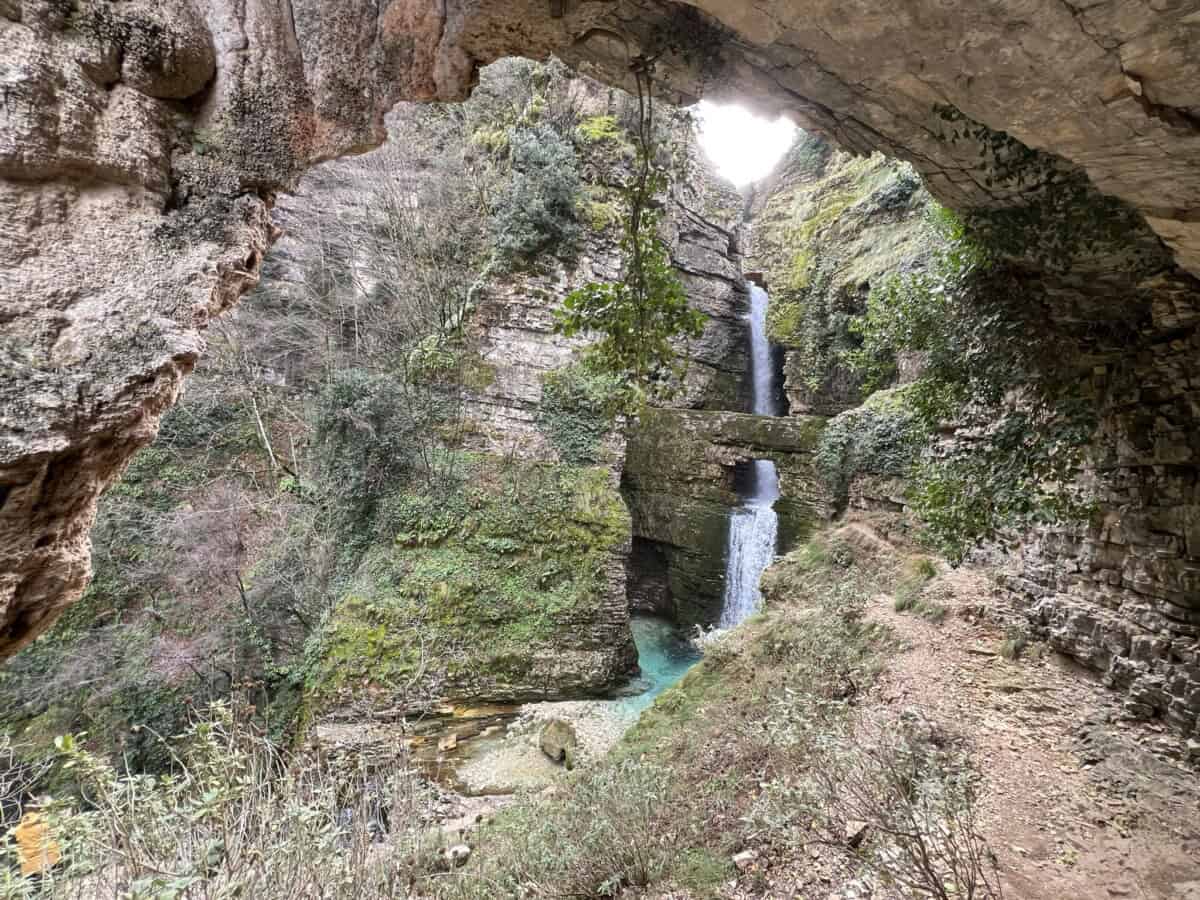
The waterfall area has been nicknamed “the edge of water” by the Albanians. However, the waterfall itself is not the only attraction. The canyon into which the water plunges from a height of several dozen meters is also fascinating. This is another place in Albania over which you will shake your head in disbelief.
Praktické
You can walk to the Peshtura waterfall from the center of the village Progonat. From Progonat, the walk to the Peshtura waterfall takes just over an hour. Another option is to park by the road right at the descent to the waterfall HERE. You will climb over the guardrails and then find the trail that will safely lead you to the waterfall.
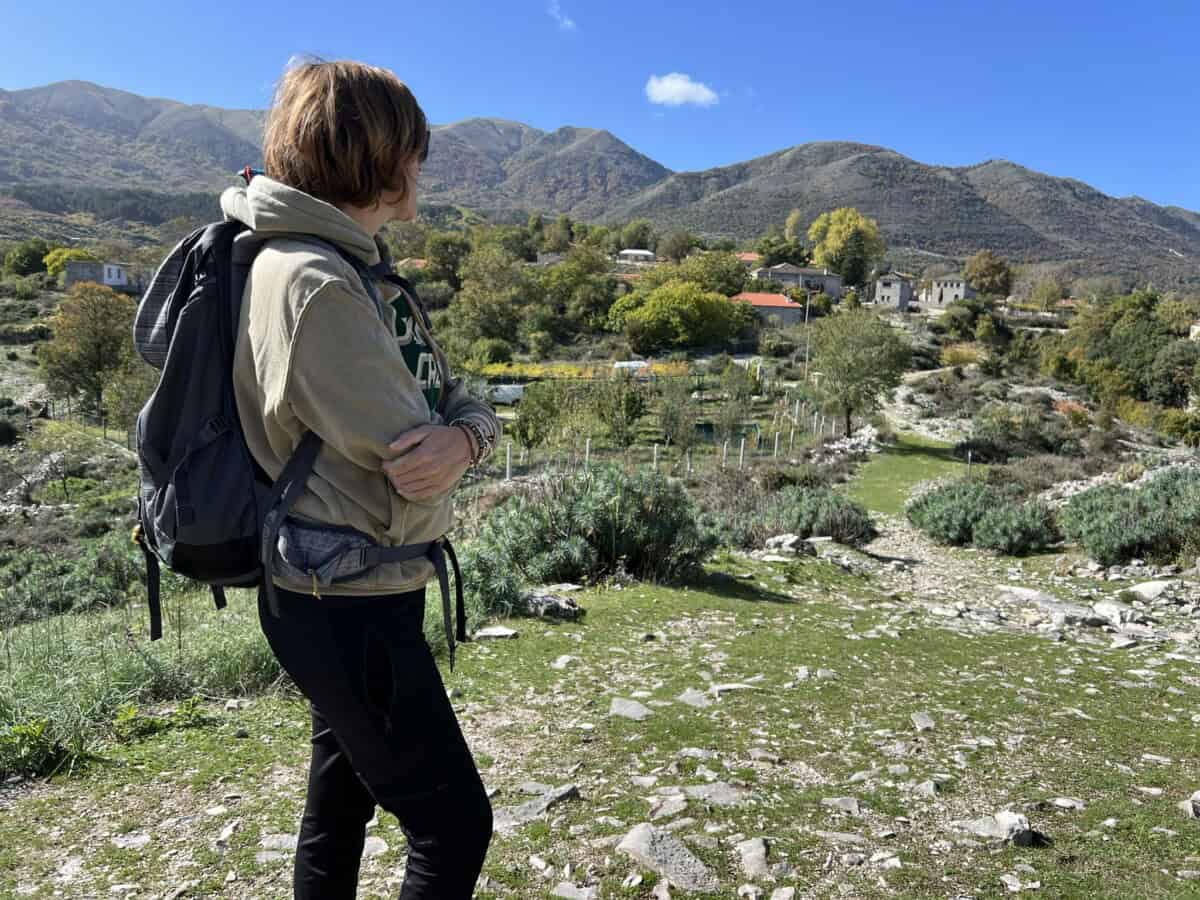
If you are going with children, be careful. The descent to the waterfall is steeper in places and without protective barriers. Be sure to bring sturdy footwear. During the descent, you will see the waterfall from above, and after a few minutes of hiking down you will be viewing the falling water from below. Swimming in the lagoon in the summer months is definitely irresistible.
Mapa
Jezero Viroi
Více o jezeru
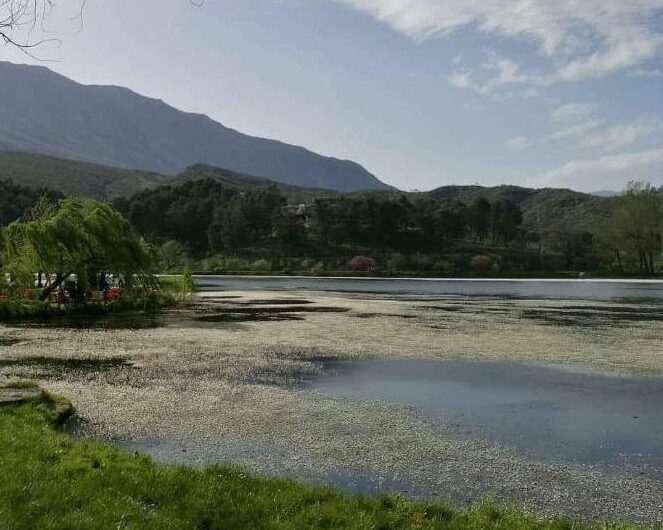
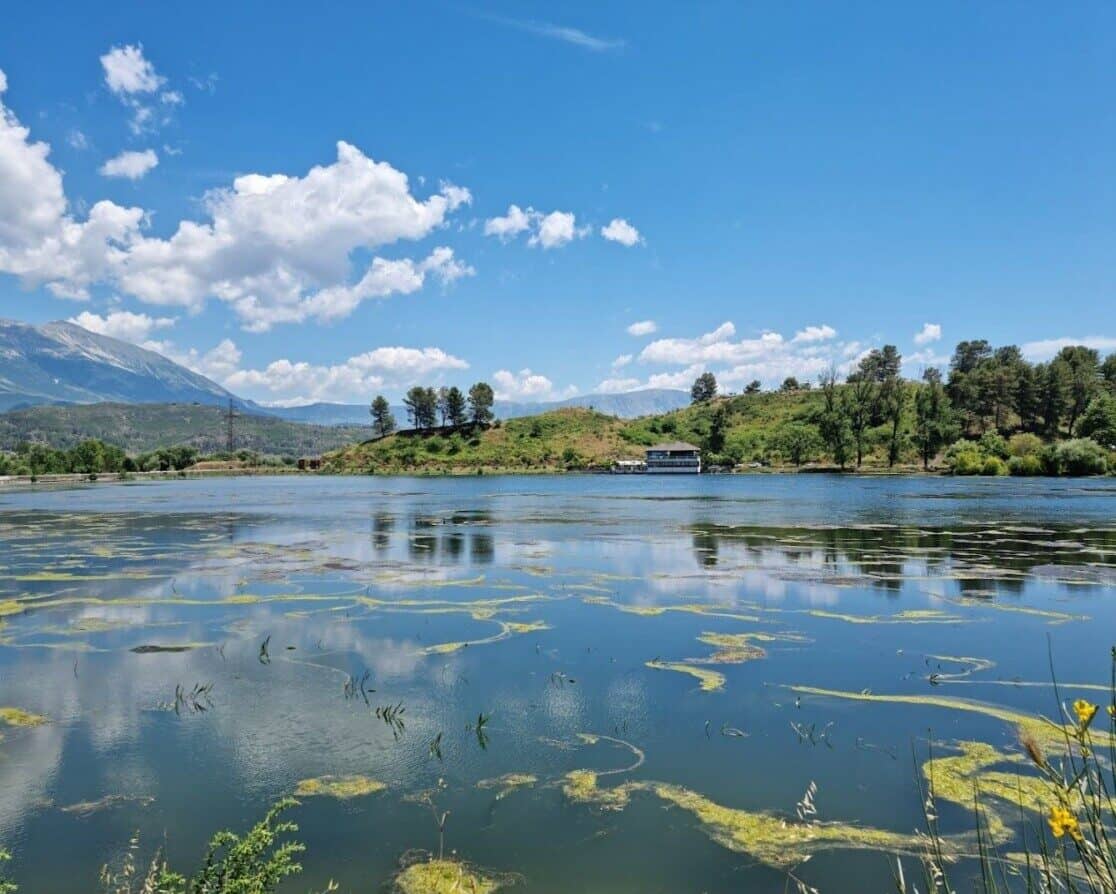
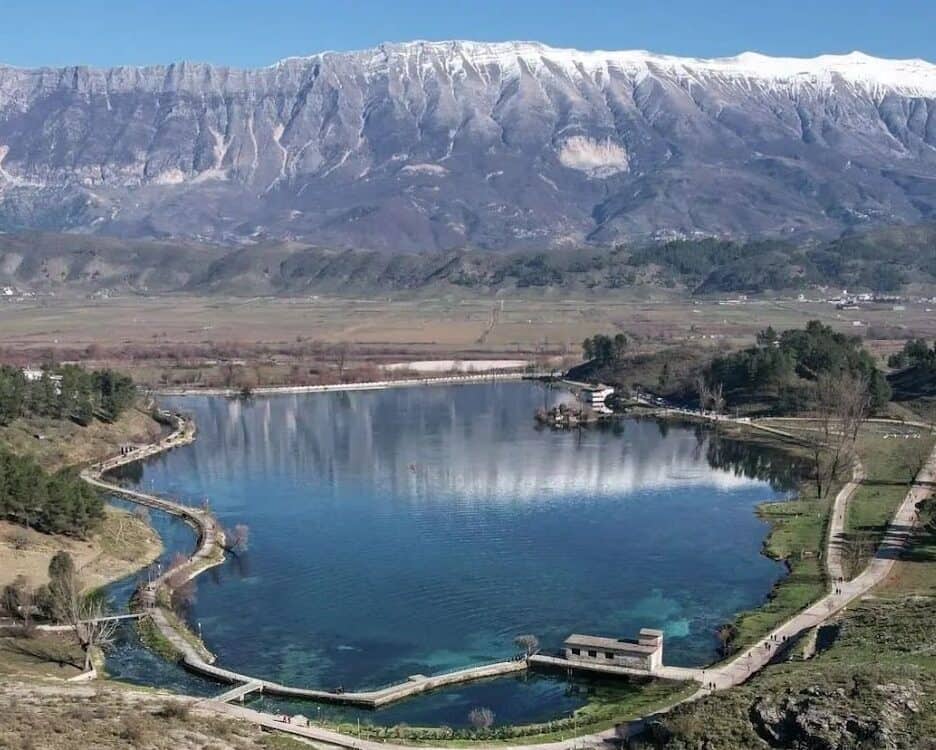
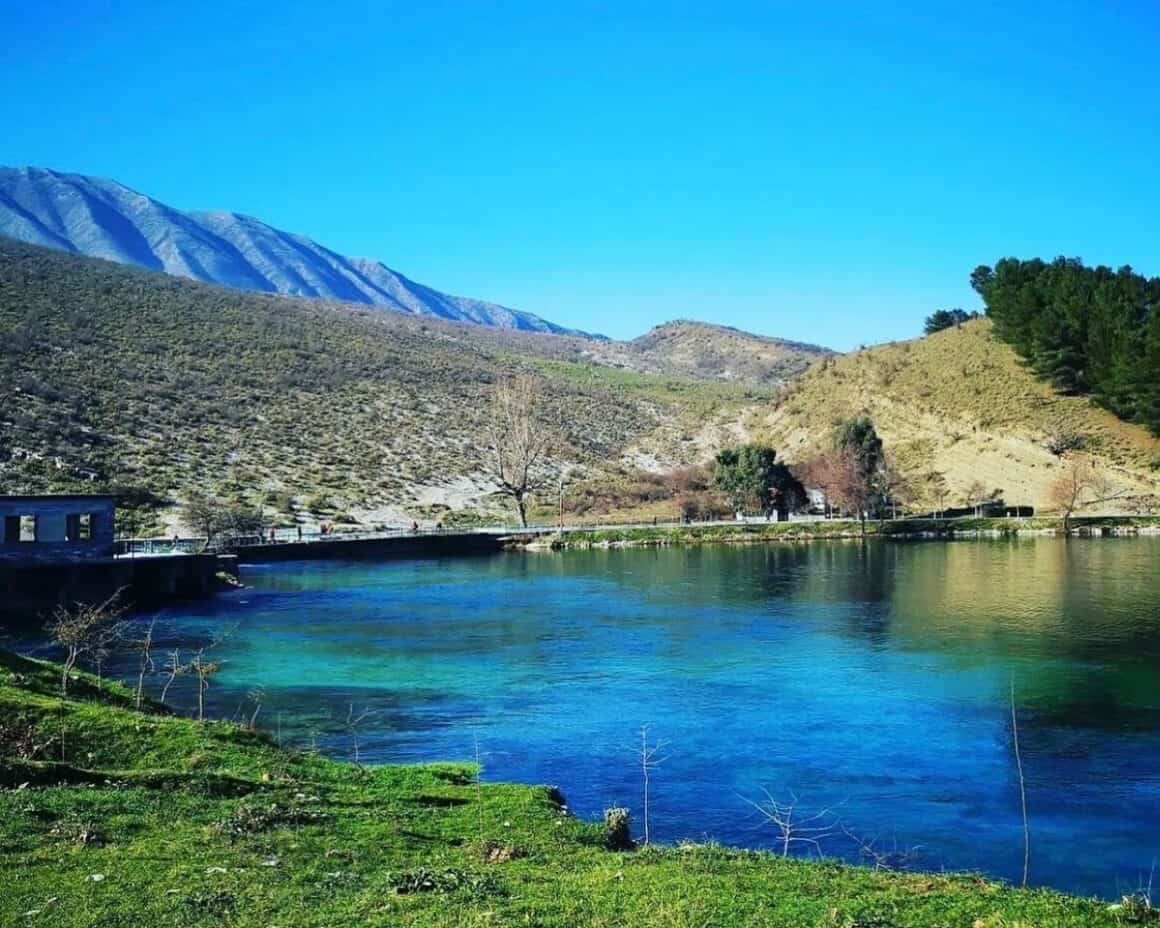
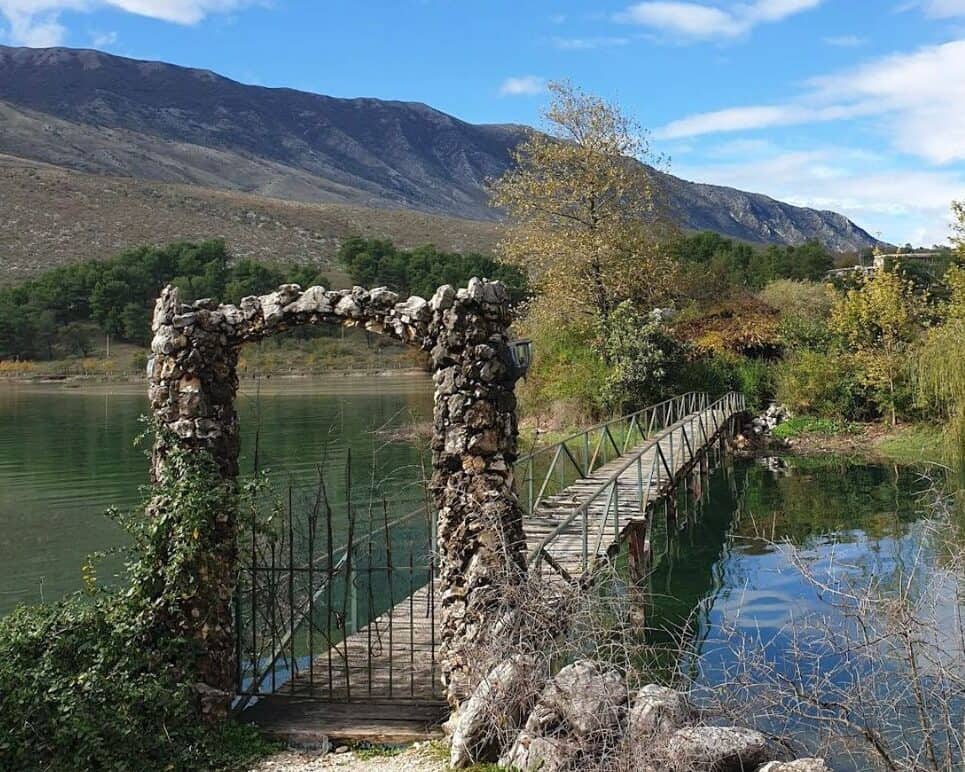
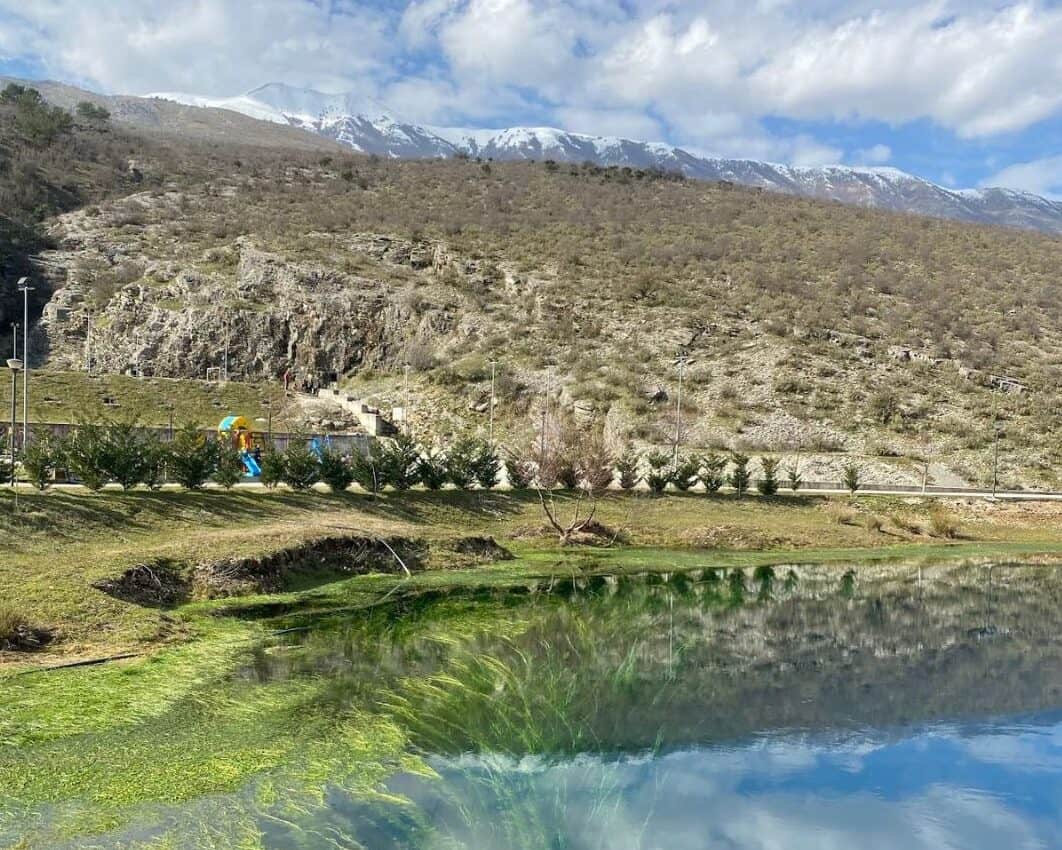
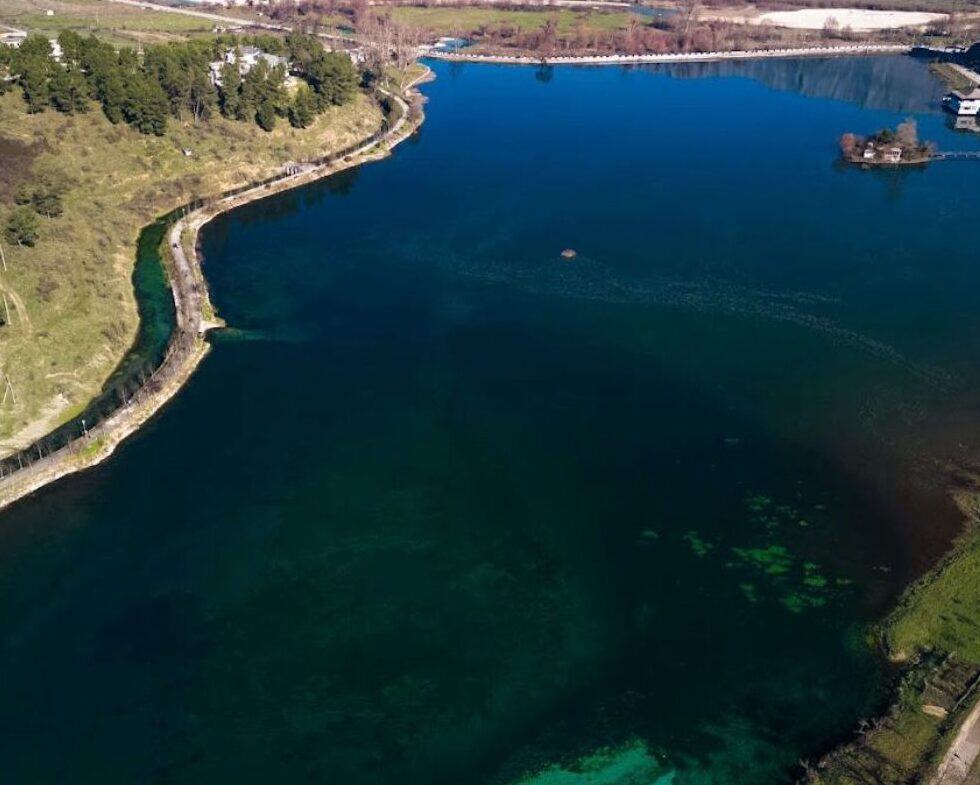
Officials in the Gjirokastër region are undertaking various activities related to cleaning the lake, which is one of the main natural attractions near the city. The main challenge is the effort to clean the springs so that the lake does not dry up in late summer. Another step for this purpose is the diversion of a branch of the Kardhiq River, which will also replenish the lake with water. Plans include expanding the lake’s attractiveness with boat trips combined with bird watching on small islands.
One of the main karst springs, the Mëmë spring, attracts professional divers. Plans include offering diving not only to professionals, but also to amateur enthusiasts for a unique underwater experience.
Praktické
The lake is easily accessible by car. There is plenty of parking available in the surrounding area. For visitors to the city of Gjirokastër, the lake is an excellent destination for a walk directly from the city. An ideal compromise for a trip is to choose a bicycle as your means of transport. Around the lake you will find several restaurants offering both classic and regional cuisine.
Mapa
Most Ali Pasha
Více o mostu
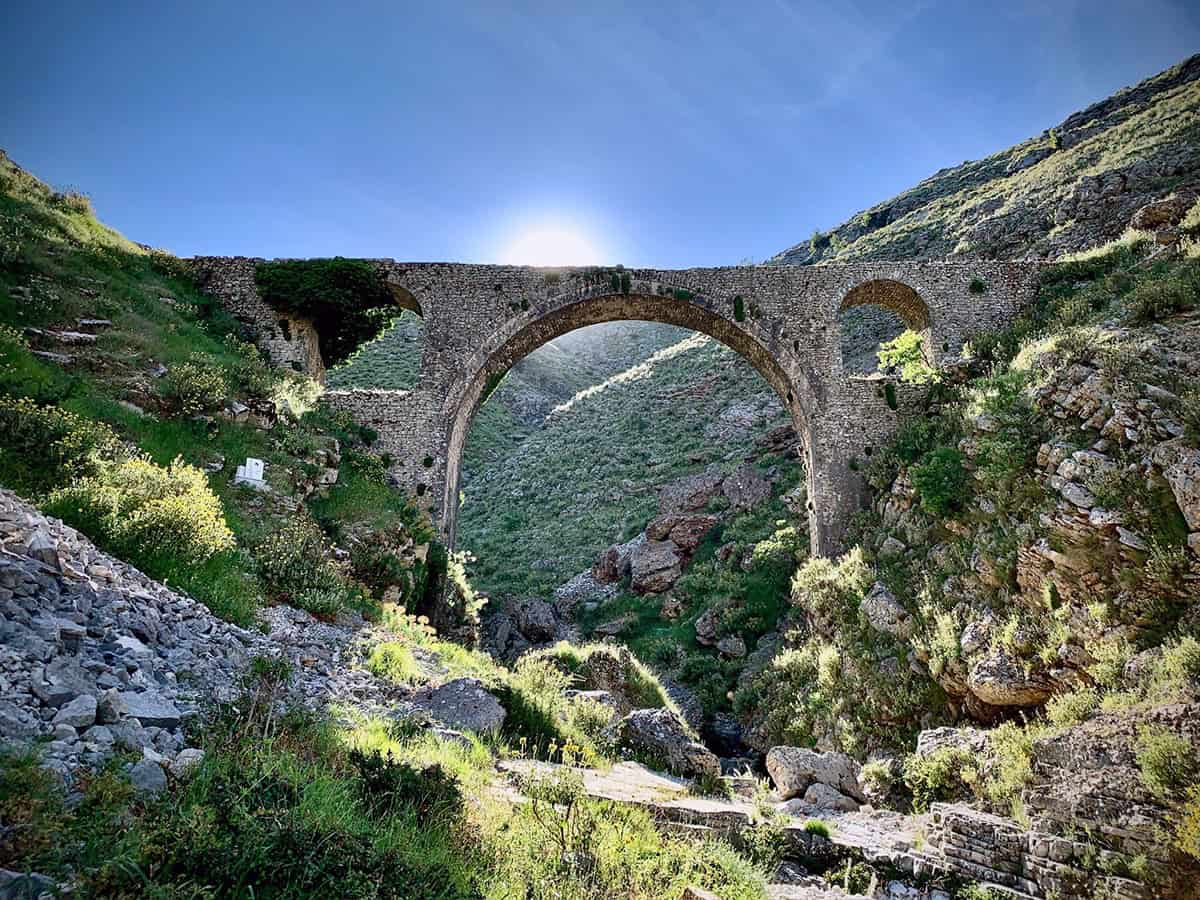
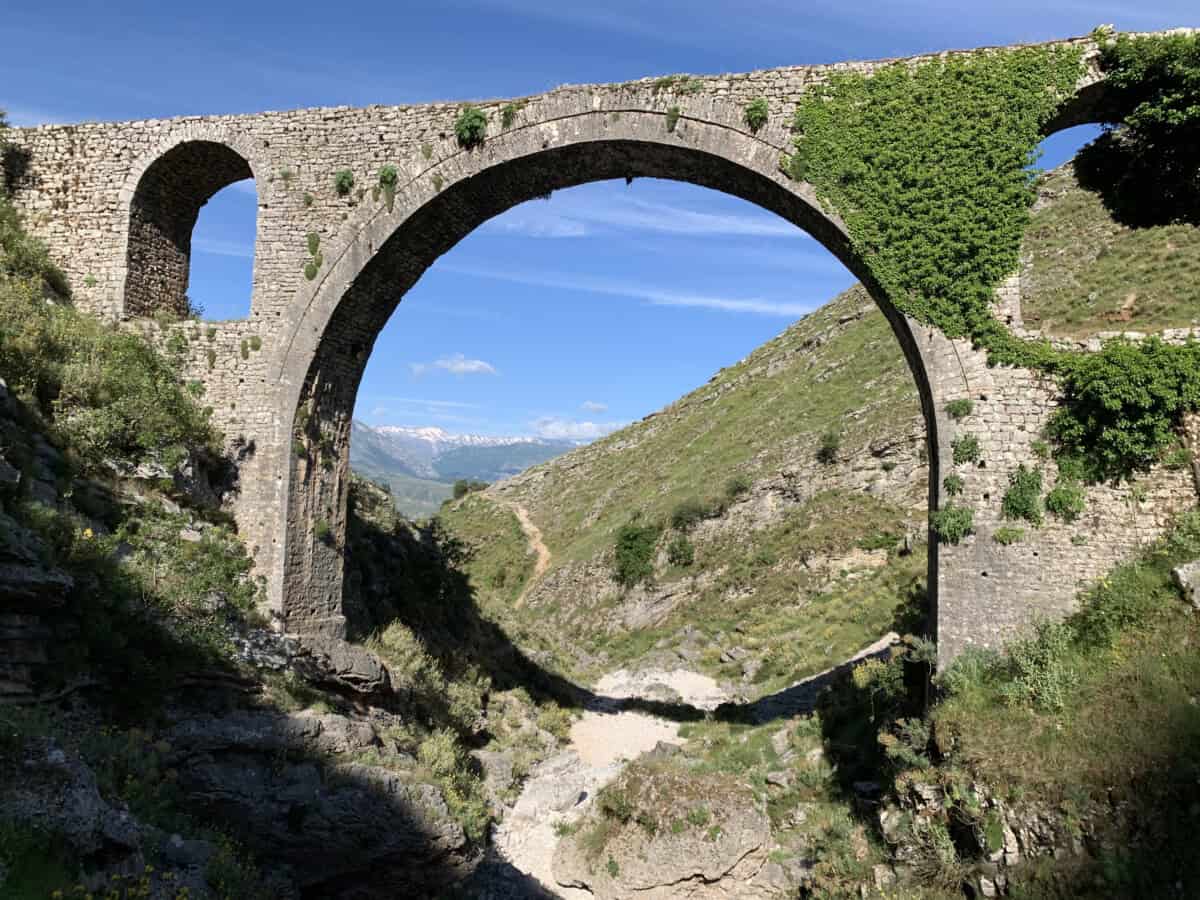
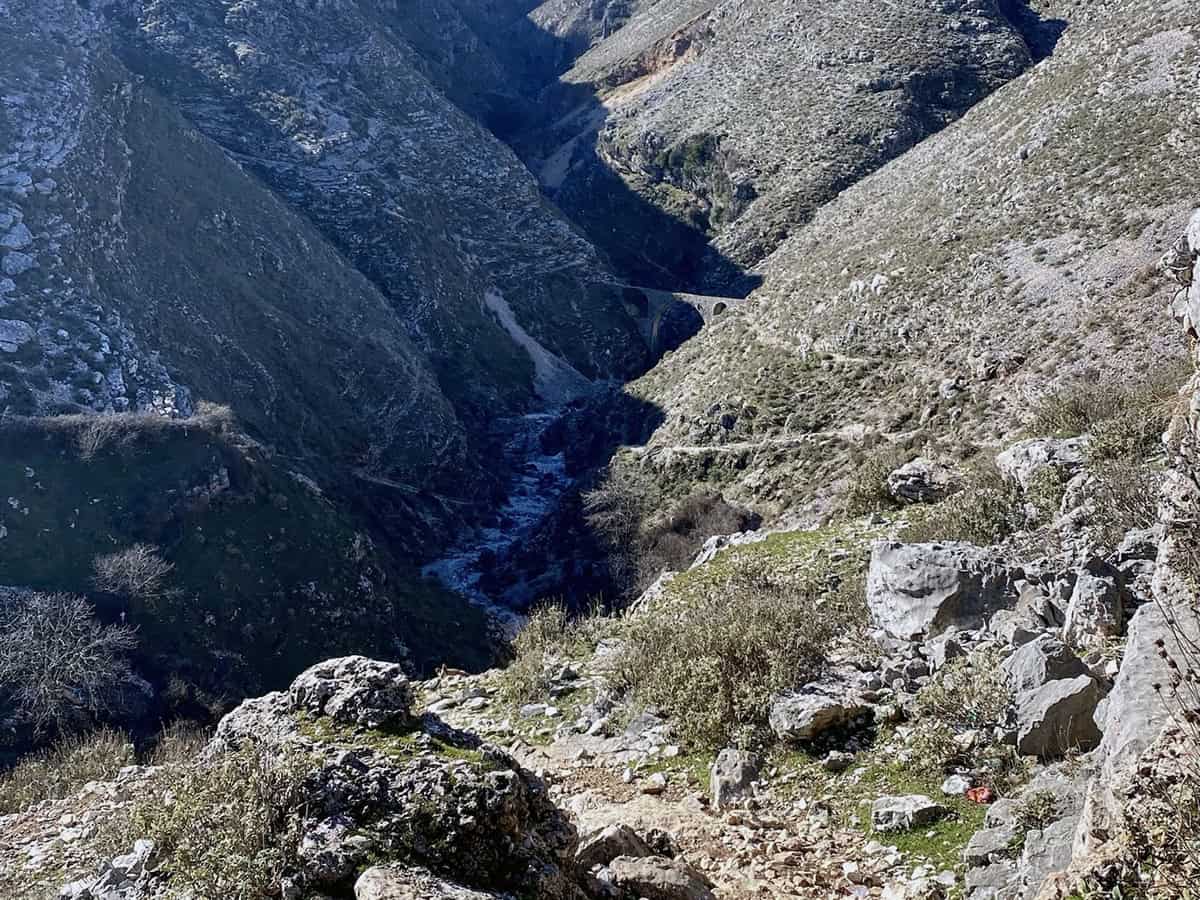
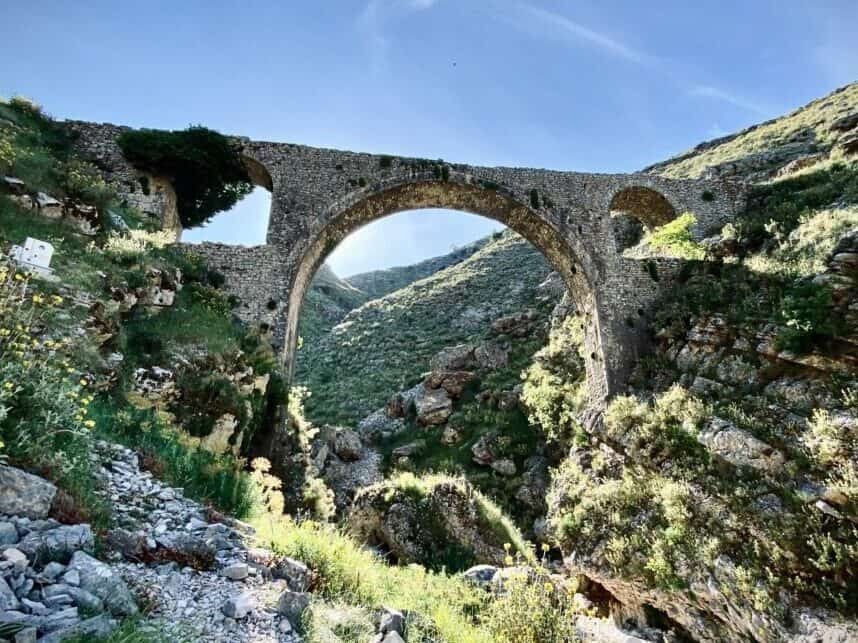
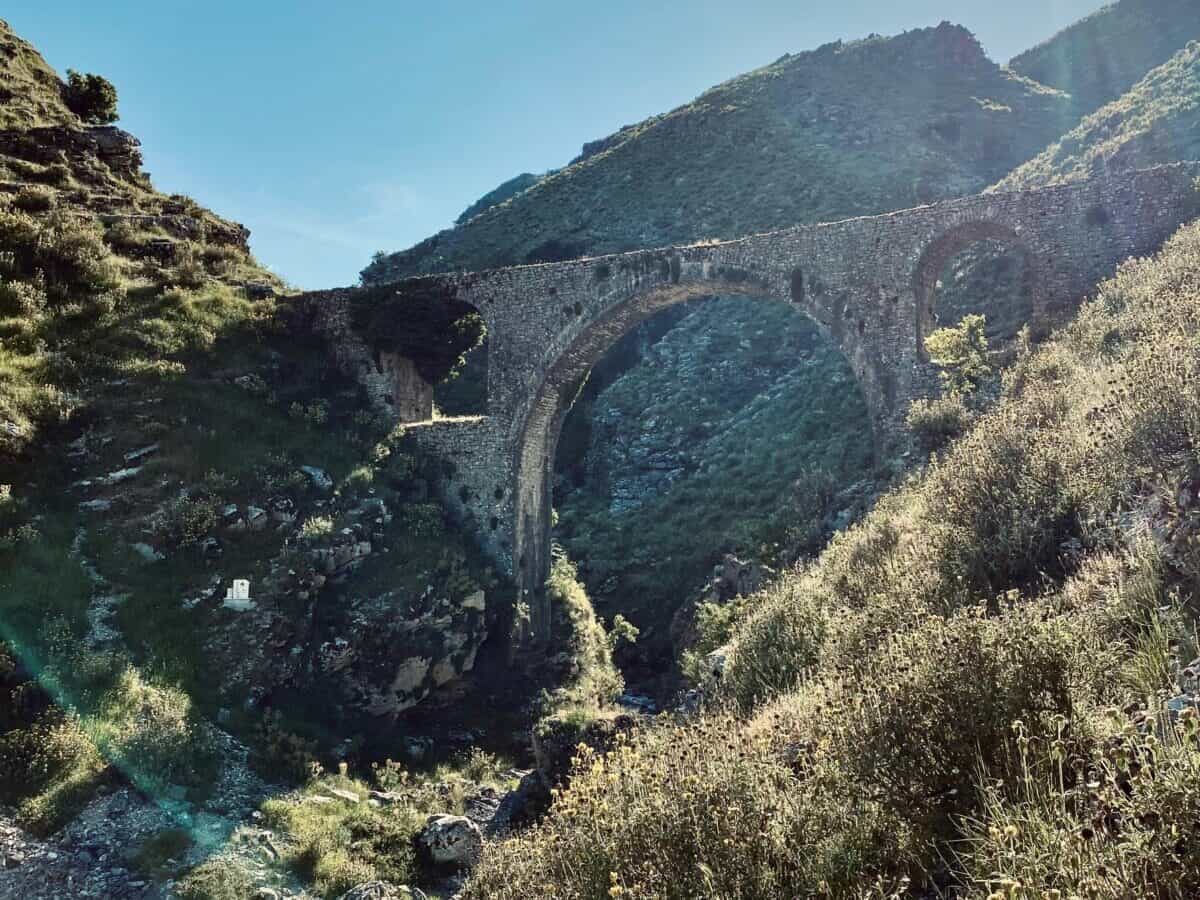
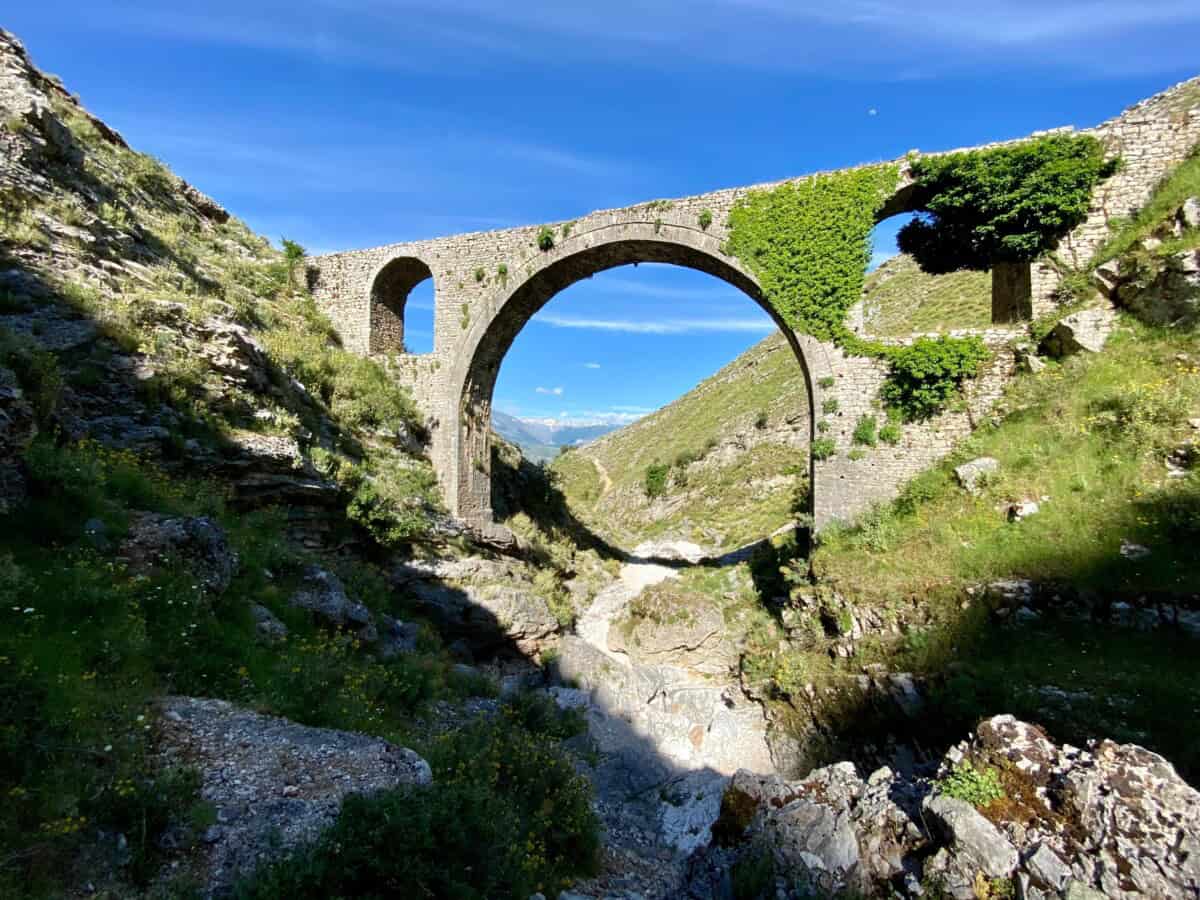
The bridge is one of several bridge structures that Ali Pascha of Tepelena had built in his territory. Another well-known bridge is for example the Kadiu bridge (Judge’s Bridge) at the mouth of the Langarica canyon near the thermal baths close to Benjë.
The difference in the construction of these two bridges lies in the fact that the bridge in Gjirokastër is straight and is supported by a lower arch, while the one at the Langarica canyon is overall arched.
Praktické
We recommend starting your day in Gjirokastër with a walk through the Old Bazaar, then head to the castle and experience a piece of history. Then, on the way to the bridge, taste traditional food at the family restaurant Kardashi and continue to the bridge after a good coffee.
If you are going in summer, bring enough water with you, as there is no shade on the way and in the final section there are no shops or restaurants.
Mapa
Rezort Altus
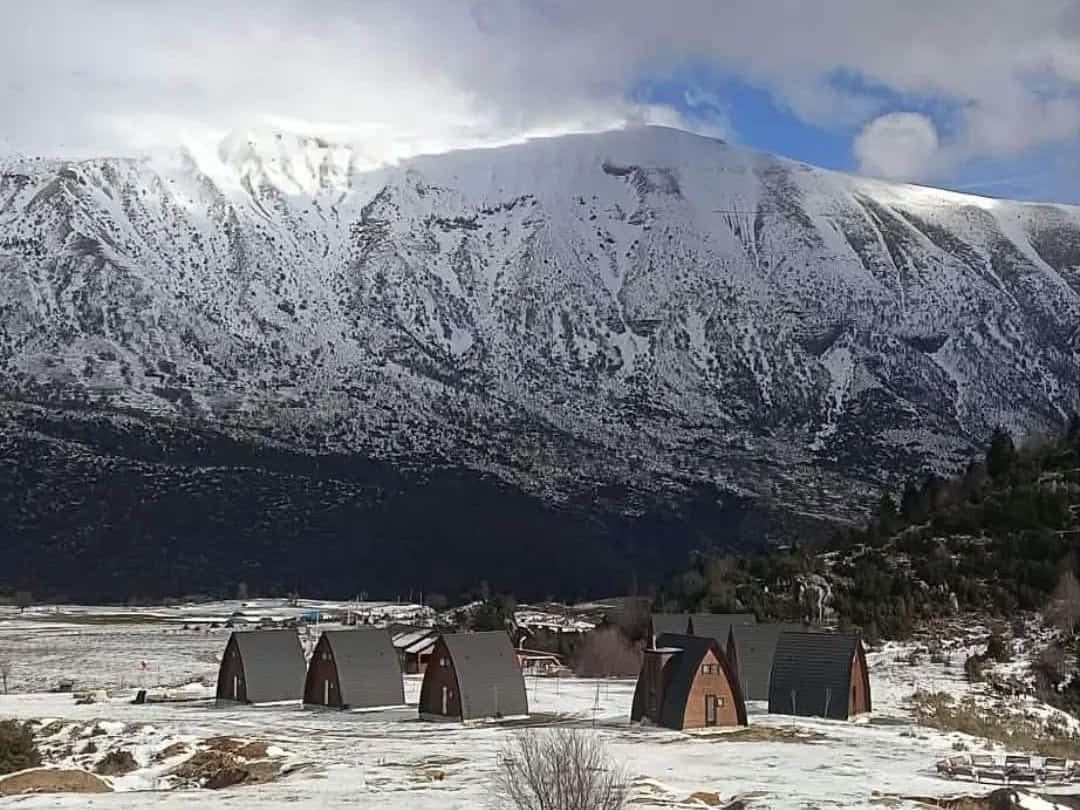
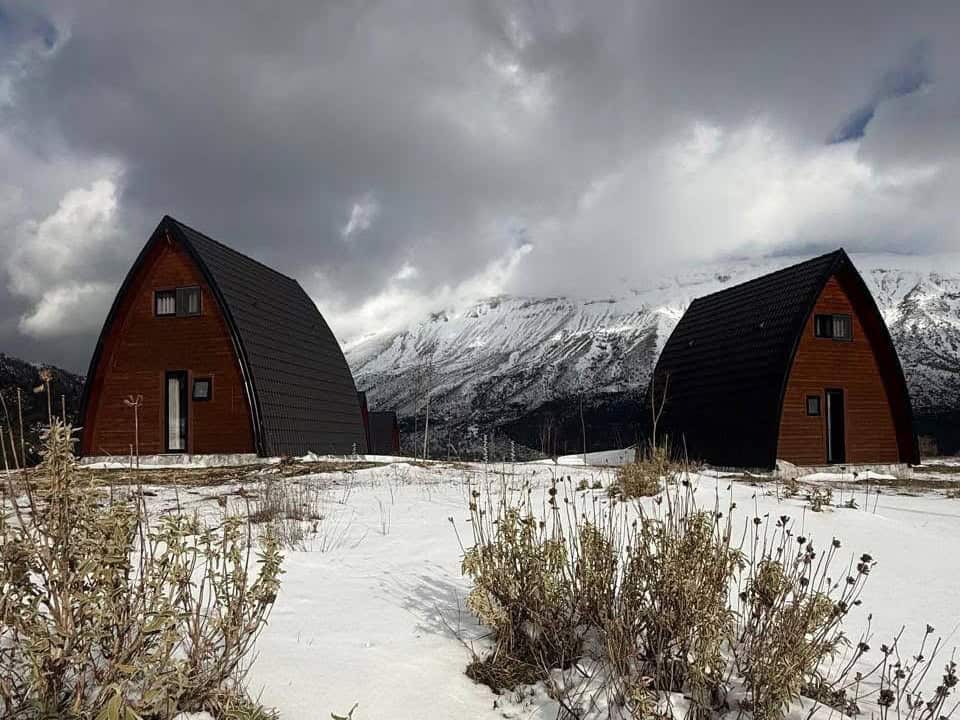
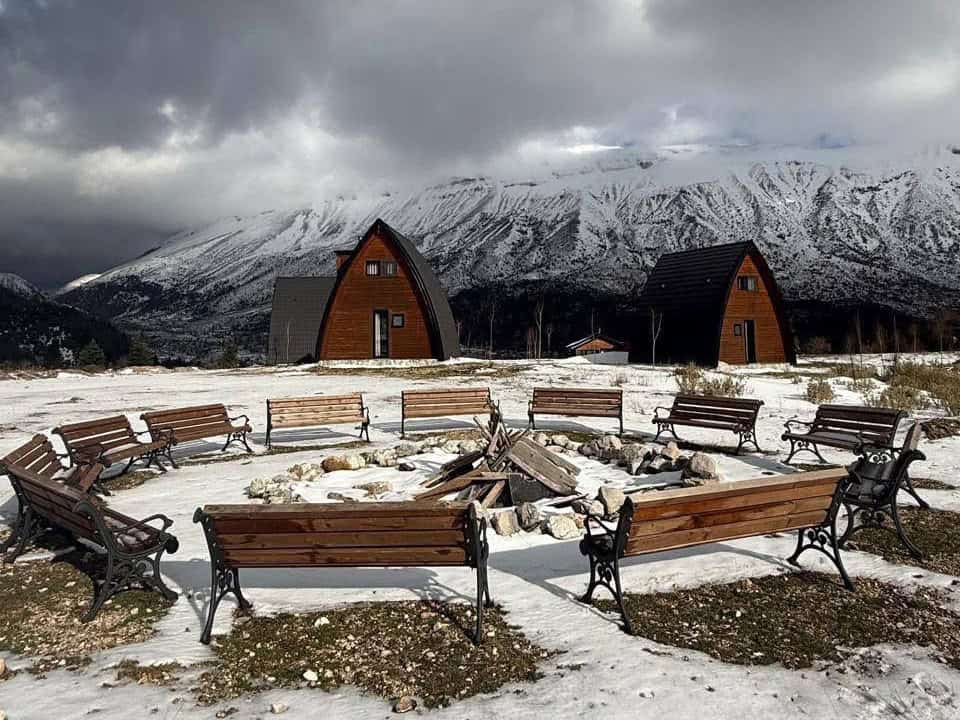
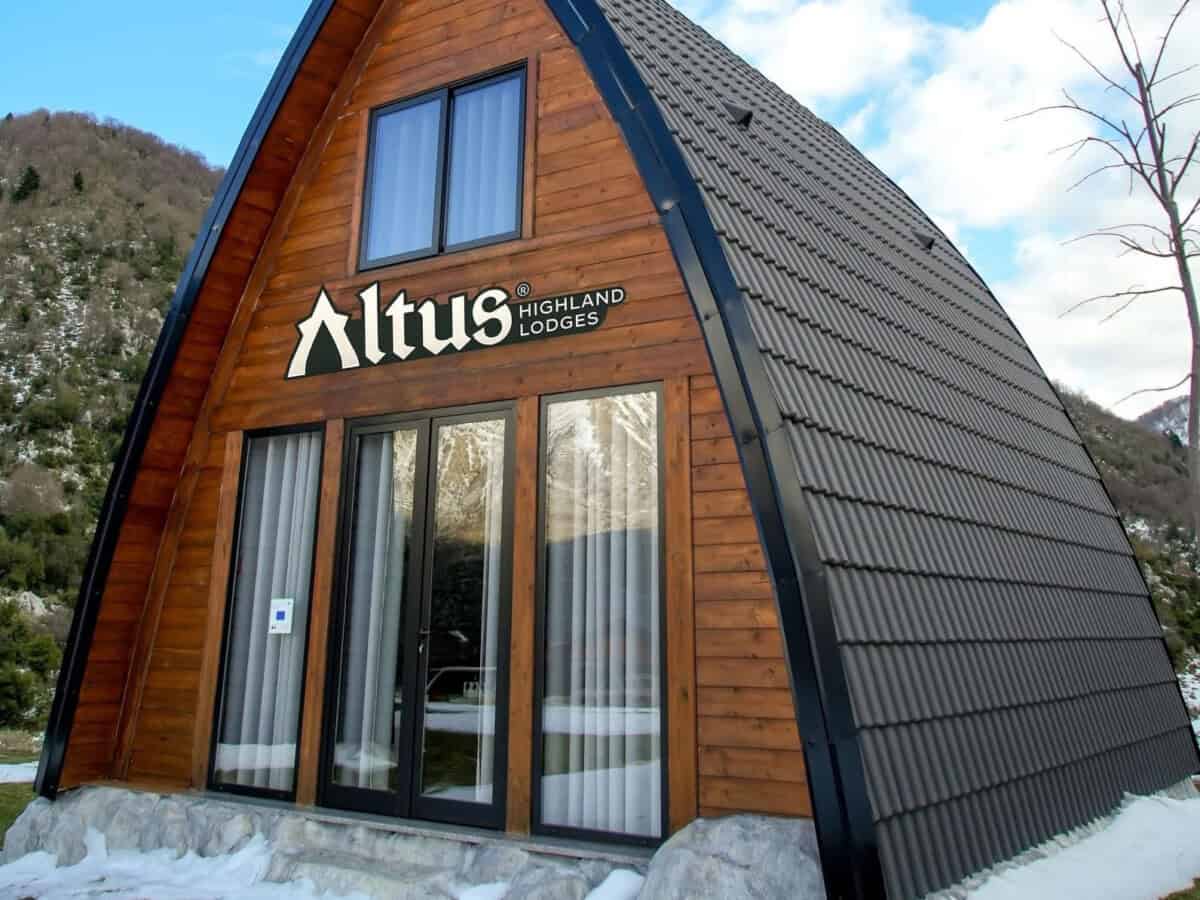
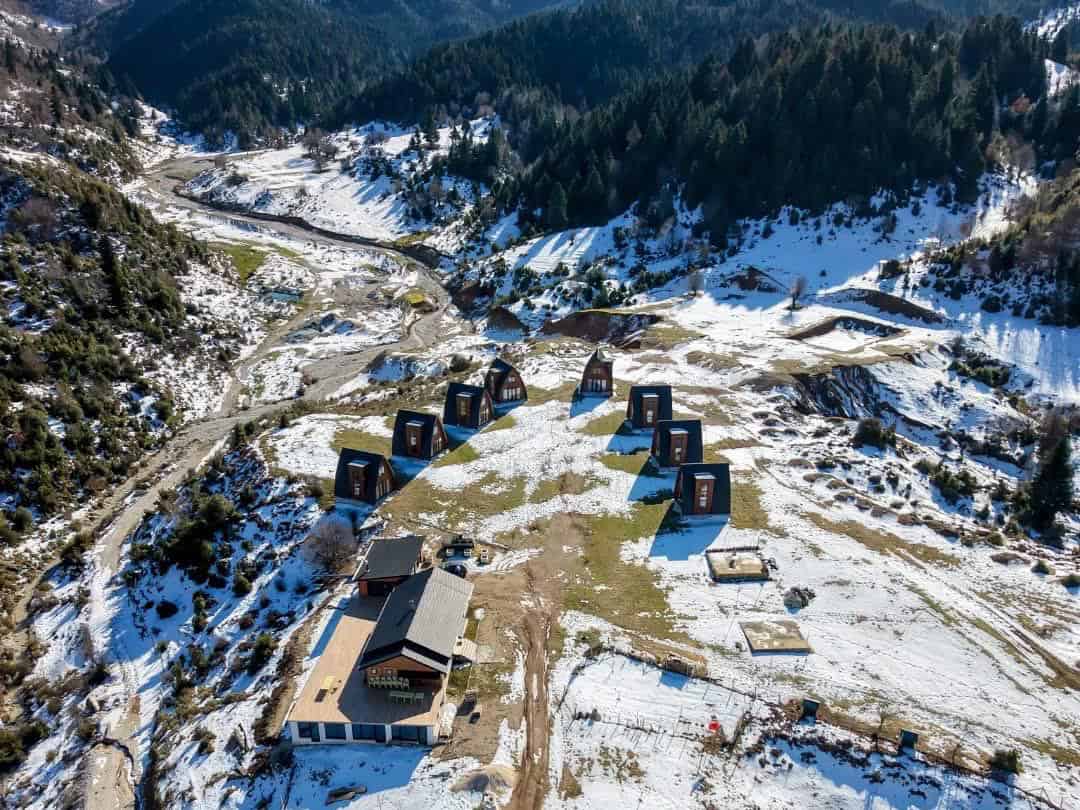
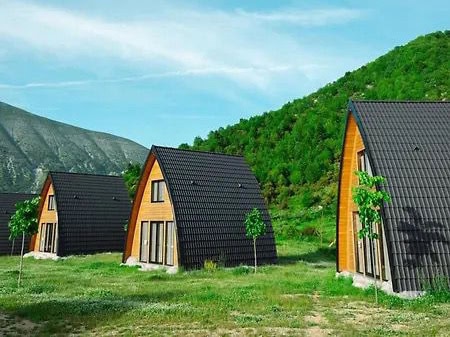
In the wild and still little-explored southern part of Albania, in the Kurvelesh region near the town of Tepelenë, there is an exceptional mountain resort – Altus Highland Lodges. A place that is not just accommodation, but a comprehensive experience for those seeking authenticity, peace and the raw beauty of Balkan nature.
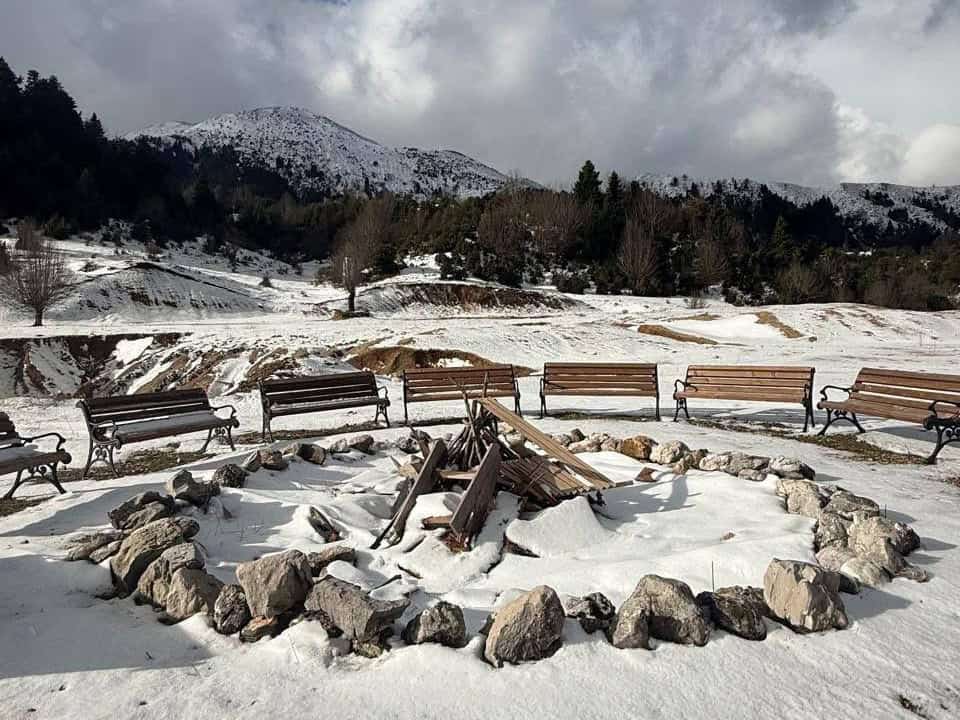
Altus is located at approximately 1000 meters above sea level, surrounded by dramatic mountain landscape and absolute silence. This location is ideal for those who want to escape tourist crowds and experience Albania in its purest form. From the moment you arrive at Altus Resort, you will feel a peace that is difficult to describe.
Více o rezortu
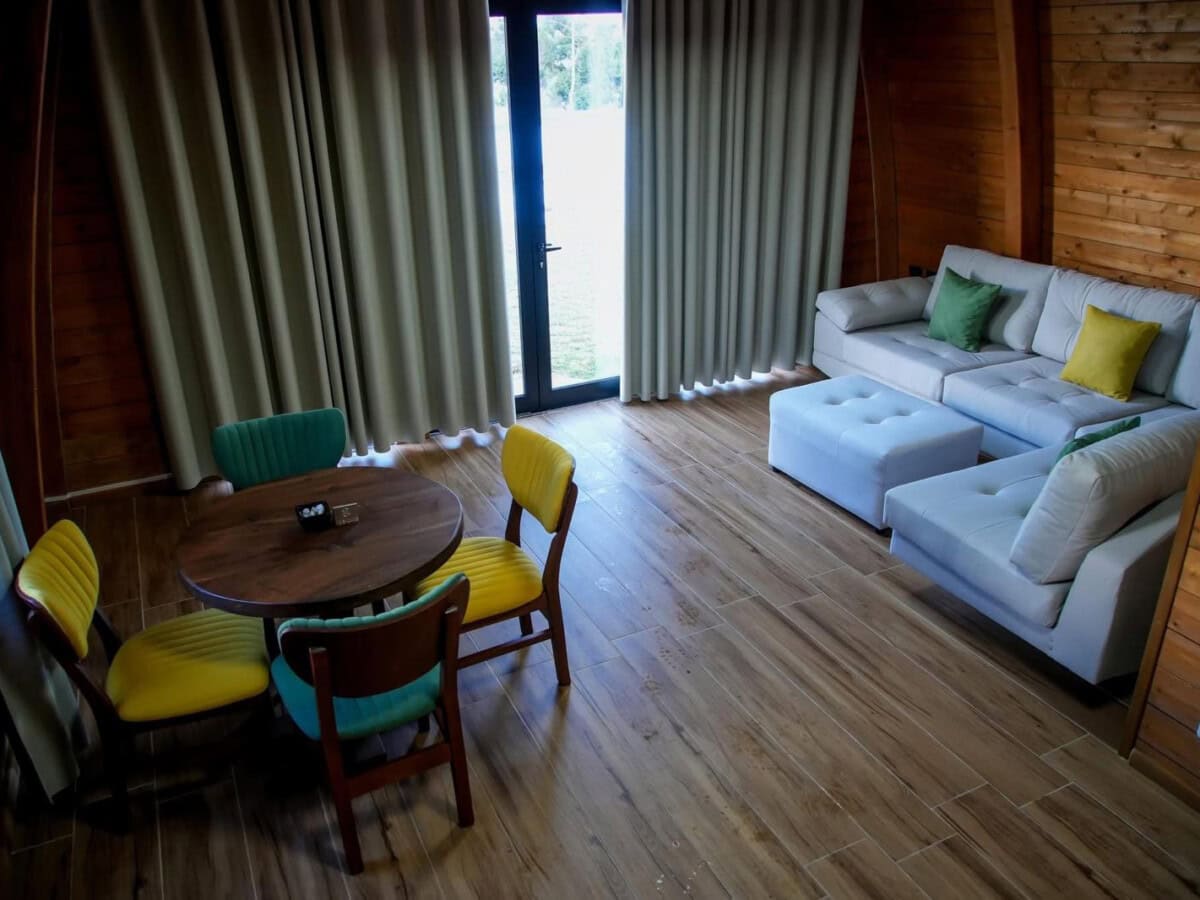
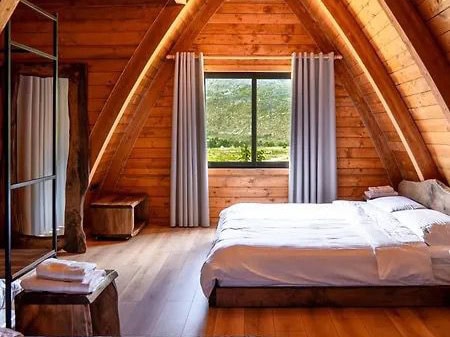
The rooms in the mountain cottages are spacious and cozy and the views from them are unforgettable. There is a quiet magic in the air. It is the type of place that will stay with you long after you leave, and you will definitely want to return to.
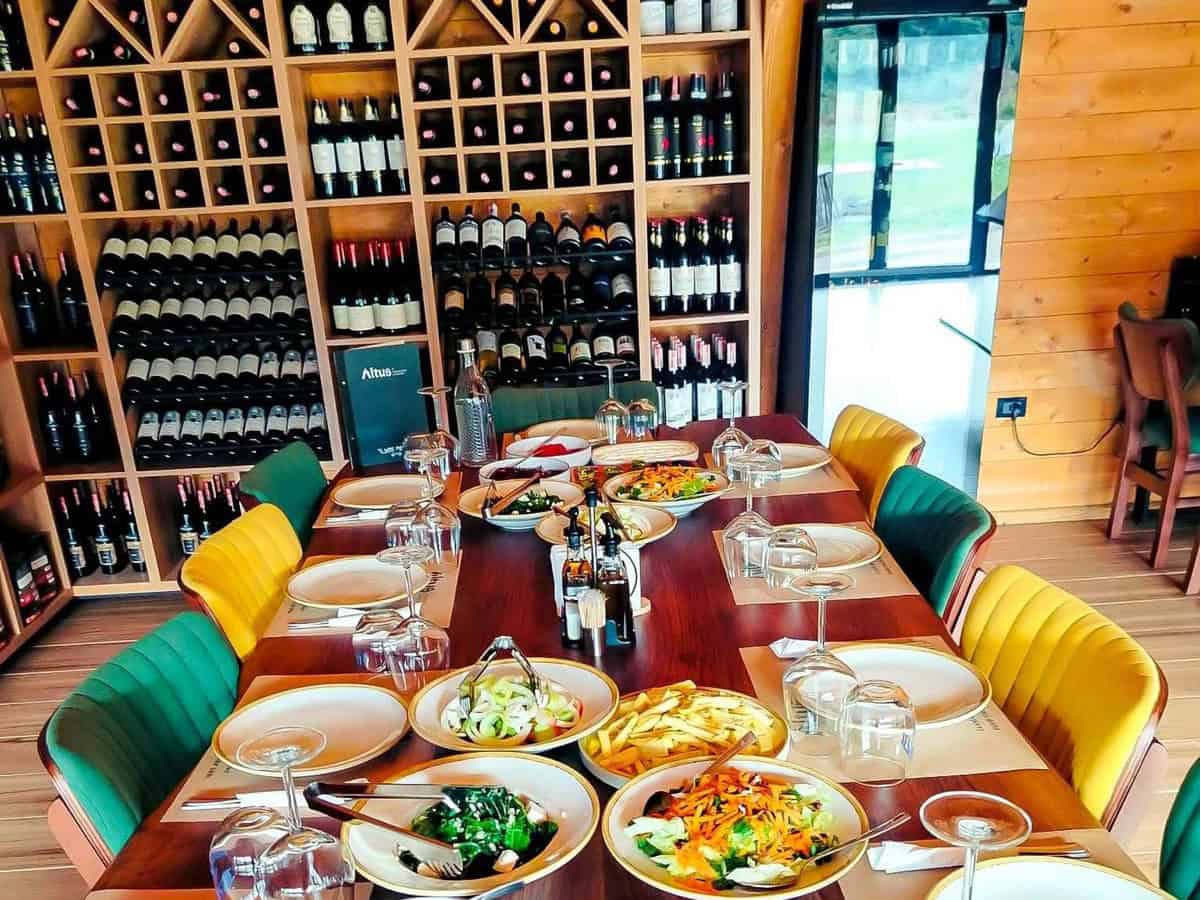
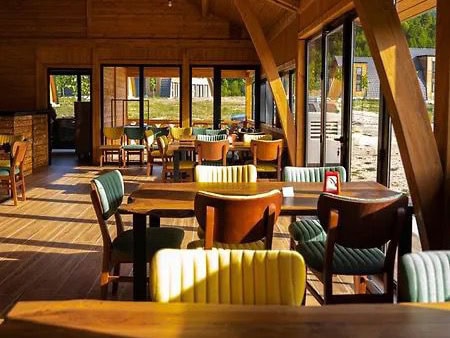
Altus Highland Lodges offers family rooms with private bathroom and mountain views. Each room is equipped with a bathtub, shower, TV and wardrobe. The resort includes a large garden, restaurant and bar. Free private parking is available. Guests can enjoy breakfast in buffet form with local specialties. For lunch and dinner, the restaurant serves Mediterranean and traditional Albanian cuisine.
Praktické
The access road is under construction, but the resort is accessible by any car. In winter, however, the area is often snowed under and during this period it is better to choose an SUV or 4×4 car. For any questions, contact the owner via WhatsApp at +355686037326.
Mapa
What to see in Albania?
Albania offers plenty of beautiful and interesting places waiting for you to discover – stunning beaches on the southern coast, majestic mountains in the north, river canyons, lakes, preserved historic cities and remnants of previous civilizations. Simply click on the map to select the area that interests you.
How to enjoy your vacation and avoid unnecessary spending
Stay smart
Whether you are planning a trip to Albania or anywhere in the world, you can use the trusted Booking.com to book accommodation. You will find a huge selection of cozy private apartments, houses and hotels. The price range is wide and you will definitely find something for yourself.
Fly for reasonable prices
Do you need a flight ticket? Check out the well-known Kiwi or also the less known, but among seasoned travelers very popular Kayak. It's our favorite. It quickly compares offers from all airlines and shows you the most cost-effective flight combinations. You can also set price alerts, so as soon as a ticket is available at a price that suits you, you'll get a notification.
Internet v mobilu
In the second half of 2026, Albania is promised free European roaming. Until then, you can get data with the YESIM app. You will get mobile internet on favorable terms.
Think of a backup plan
Quality travel insurance is the foundation of any trip. A trip to Albania is no exception. Insurance covers you in case of illness, accidents and loss of belongings. We ourselves have ended up in a hospital in a foreign country a few times. Having good insurance will save you a lot of stress and, most importantly, money.

