
Kraj Fier




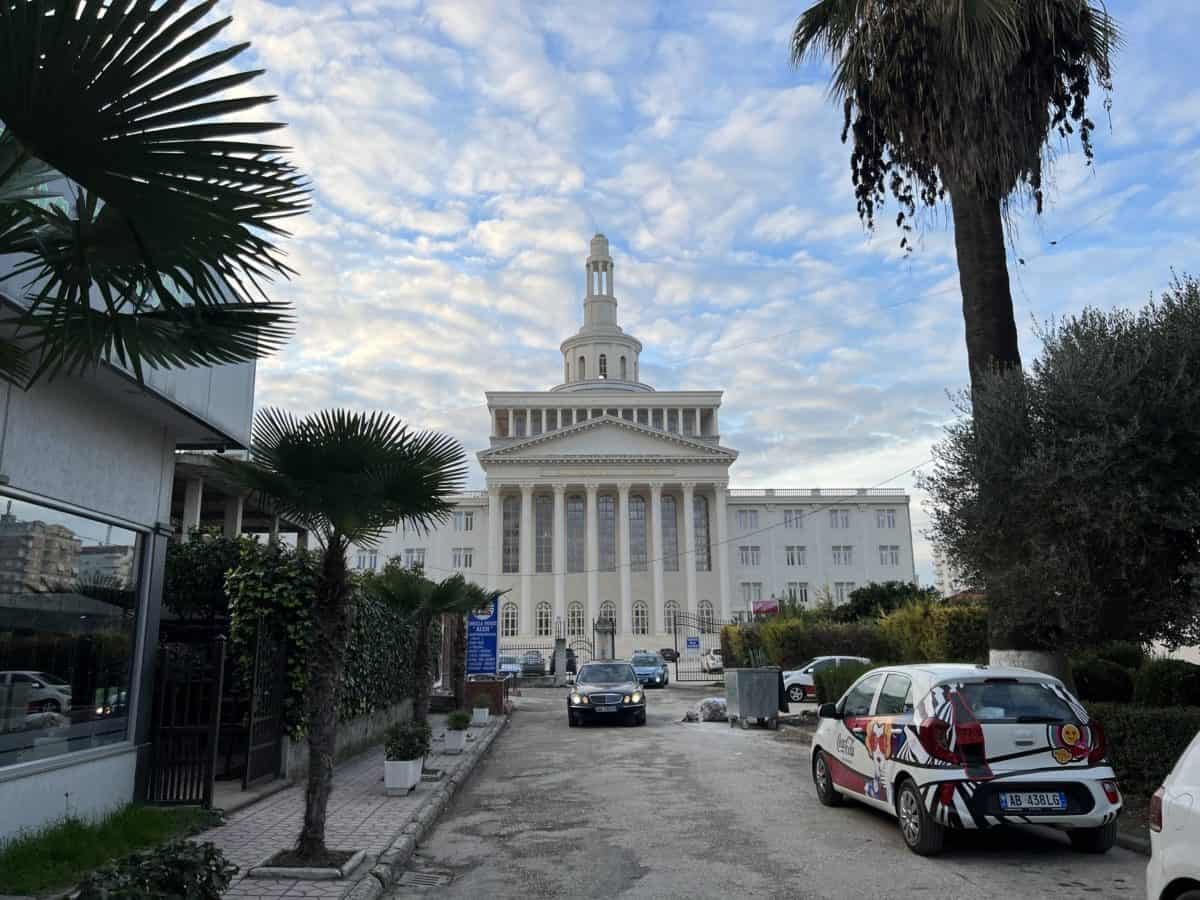
City Fier
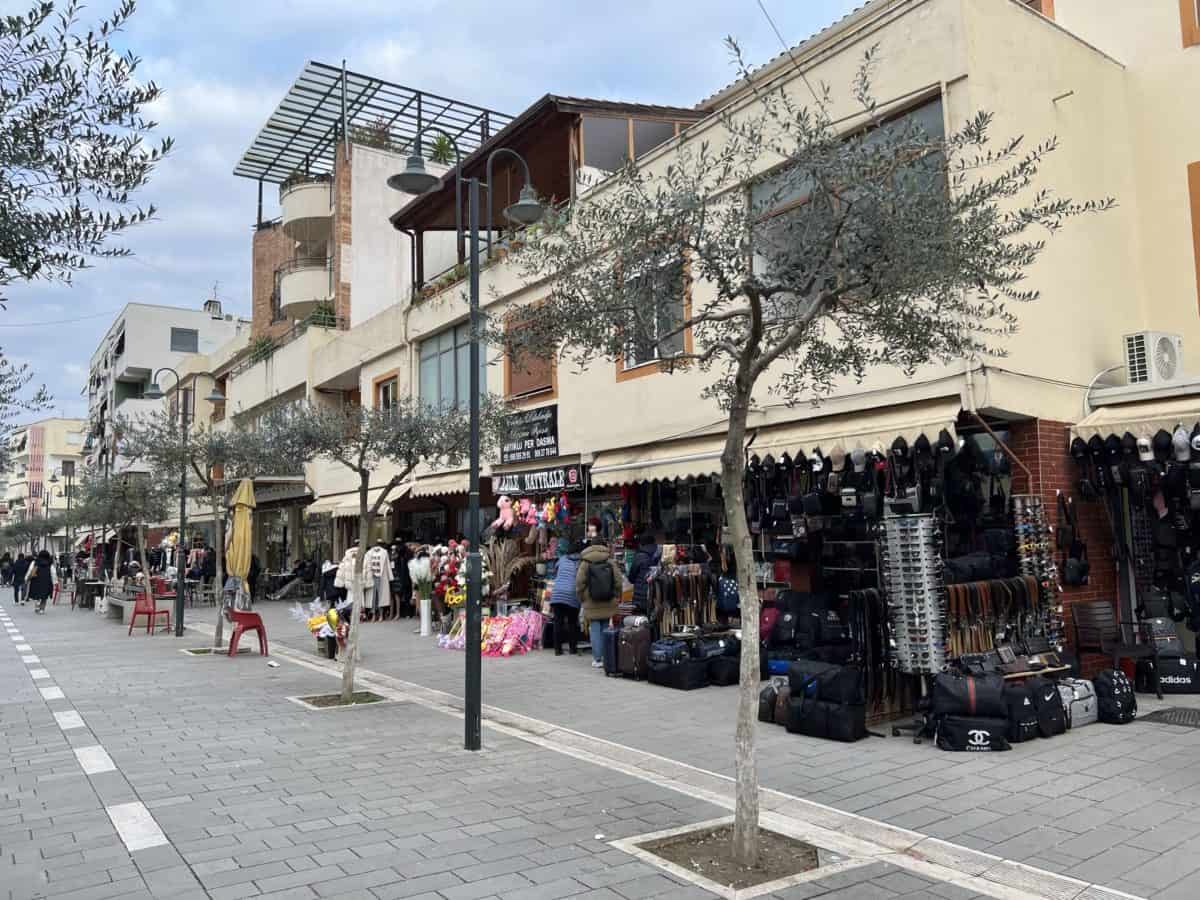
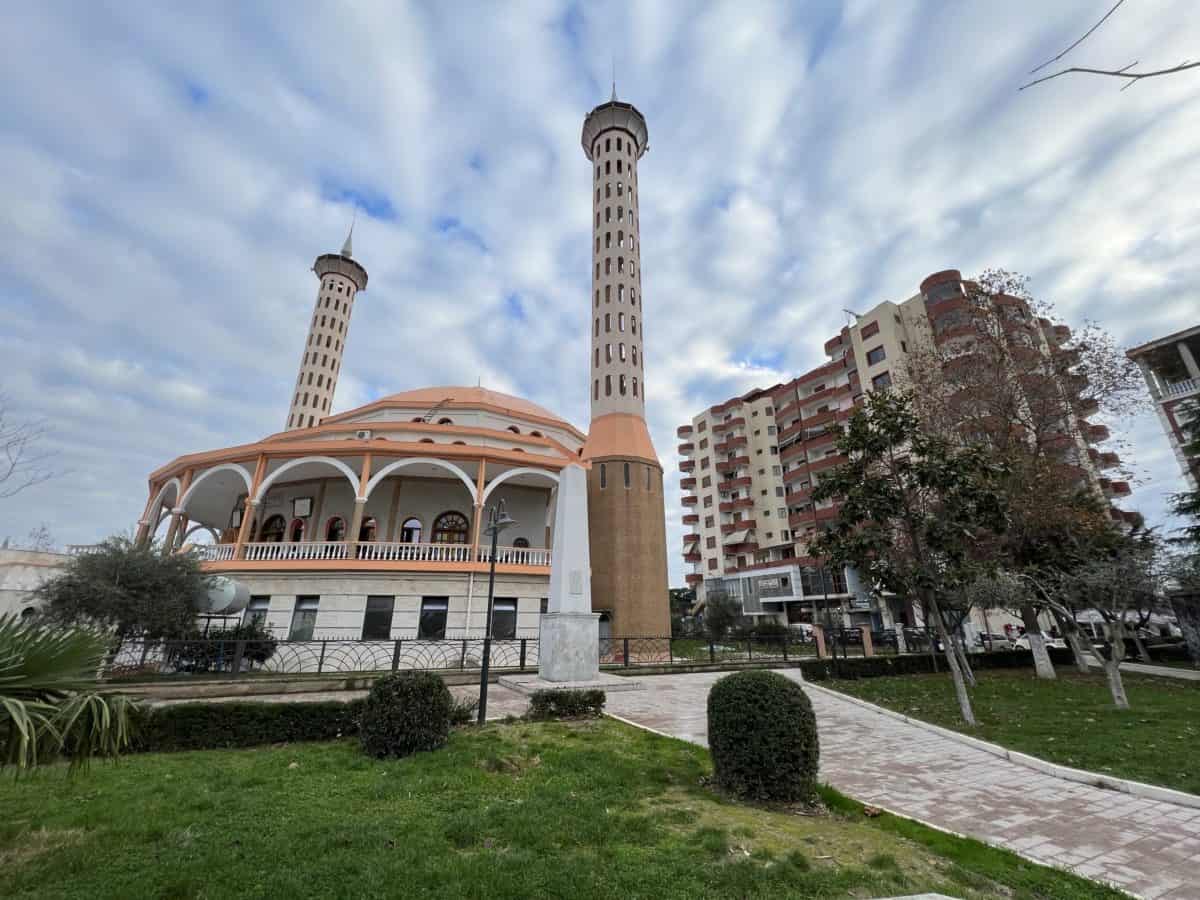
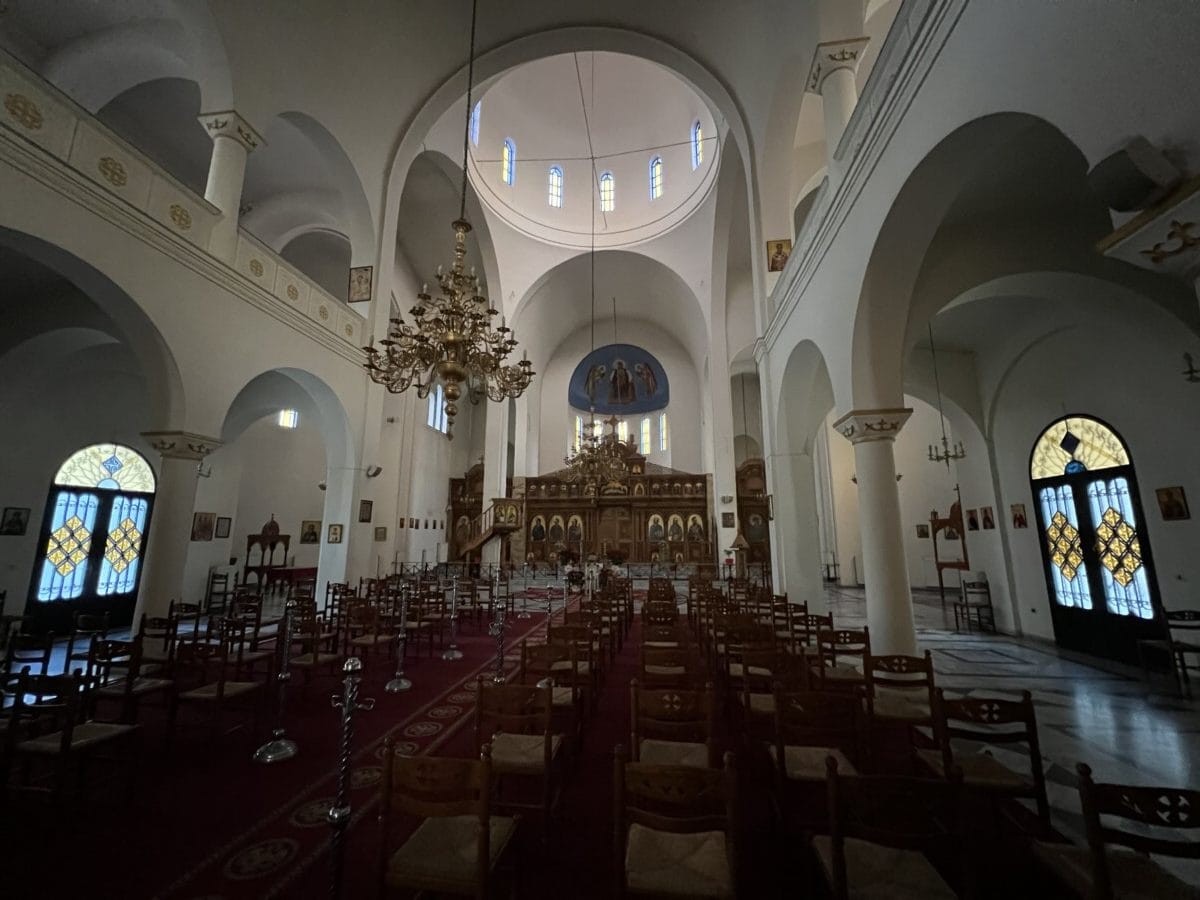
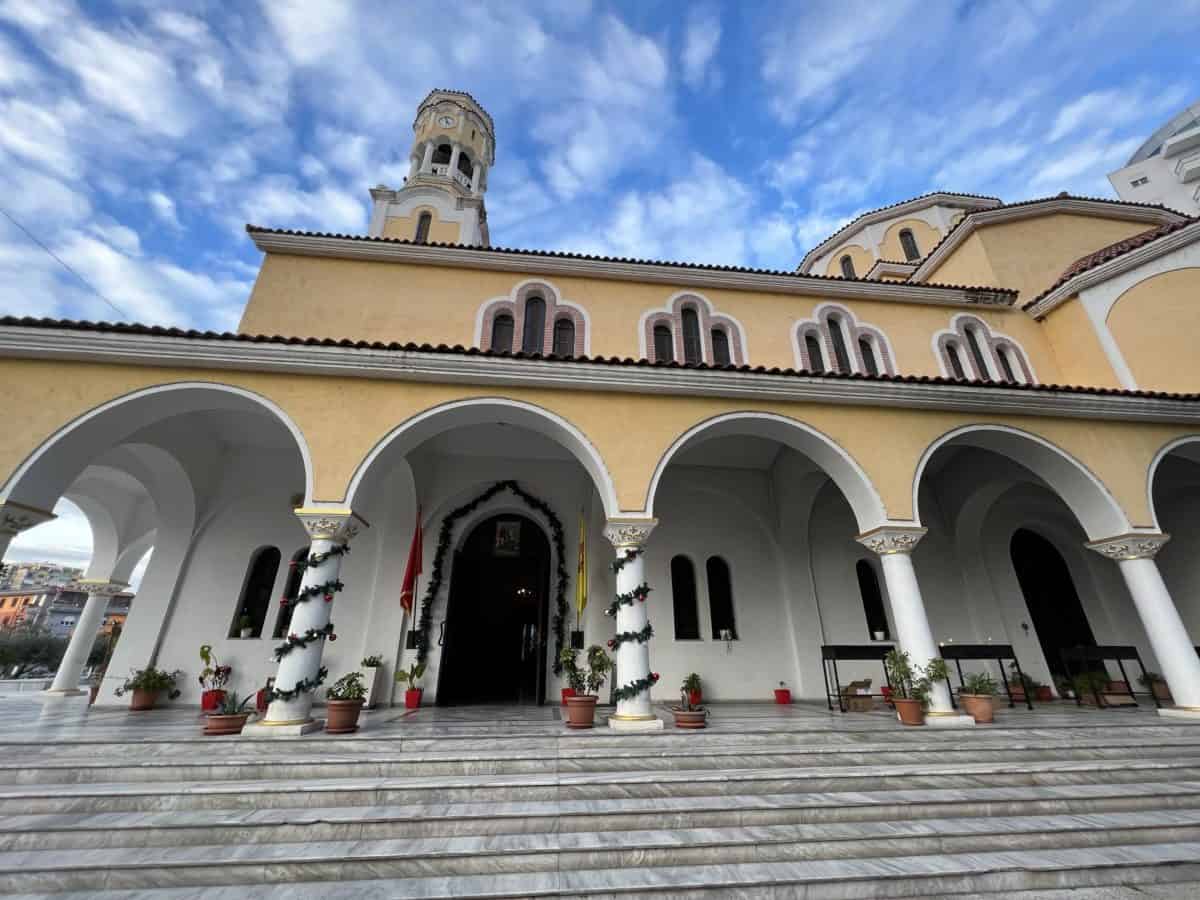
Fier lies on the banks of the Gjanica River in the Myzeqe Plain and is the seventh most populous city in Albania. The city’s atmosphere is pleasantly warm and you’ll find several excellent restaurants and bars here. The city was founded in 1864 by Omer Pasha Vrioni II. Among Albanian cities, it is therefore relatively young. It is located 7 km from the ruins of the ancient settlement of Apollonia from 588 BC, which was founded by ancient Greek colonists from Corfu and Corinth, on a site inhabited by Illyrian tribes.
The word “Fier” allegedly comes from the Albanian word for “fern”. Fier’s deep history is strongly linked to deposits of oil, gas and bitumen in the surrounding area. The presence of asphalt and leaks of burning natural gas in the area were already recorded in the 1st century AD. For example, Dioscorides describes chunks of bitumen in the adjacent Seman River and concentrated tar on the banks of the Vjosa River. Around 17 AD, Strabo mentions that on the territory of the inhabitants of Apollonia in Illyria there is a so-called nymphaeum – a rock that radiates fire.
Více o Fieru
The settlement gained city status in 1864, when the local governor Kahreman Pasha Vrioni asked French architects for a design of the future city as a center of crafts and trade. In 1864–1865, a market was built along the Gjanica river. The first inhabitants of the city were servants of Kahreman Pasha Vrioni and members of Aromanian families who had lived in the area since the early 19th century.
The Fier region is one of the areas that has been marked by relatively high air pollution. A significant hotspot is, for example, the Marinëz-Patos oil field, the Ballsh oil refinery and AZOTIKU. Despite air pollution problems, Fier is called the city of flowers. This is because of the large flower gardens and the special cultivation passion of the residents. This tradition is deeply rooted. The residents of Fier are known as tolerant, loving, kind and hardworking people.
For the curious, south of Fier there is a free-to-visit area of the former power plant. It will appeal to explorers who are excited by non-functional industrial complexes. In the same space you will also come across the remains of a fertilizer factory.
Praktické
Mapa
Archeopark Apolonia
Více a Apolonii
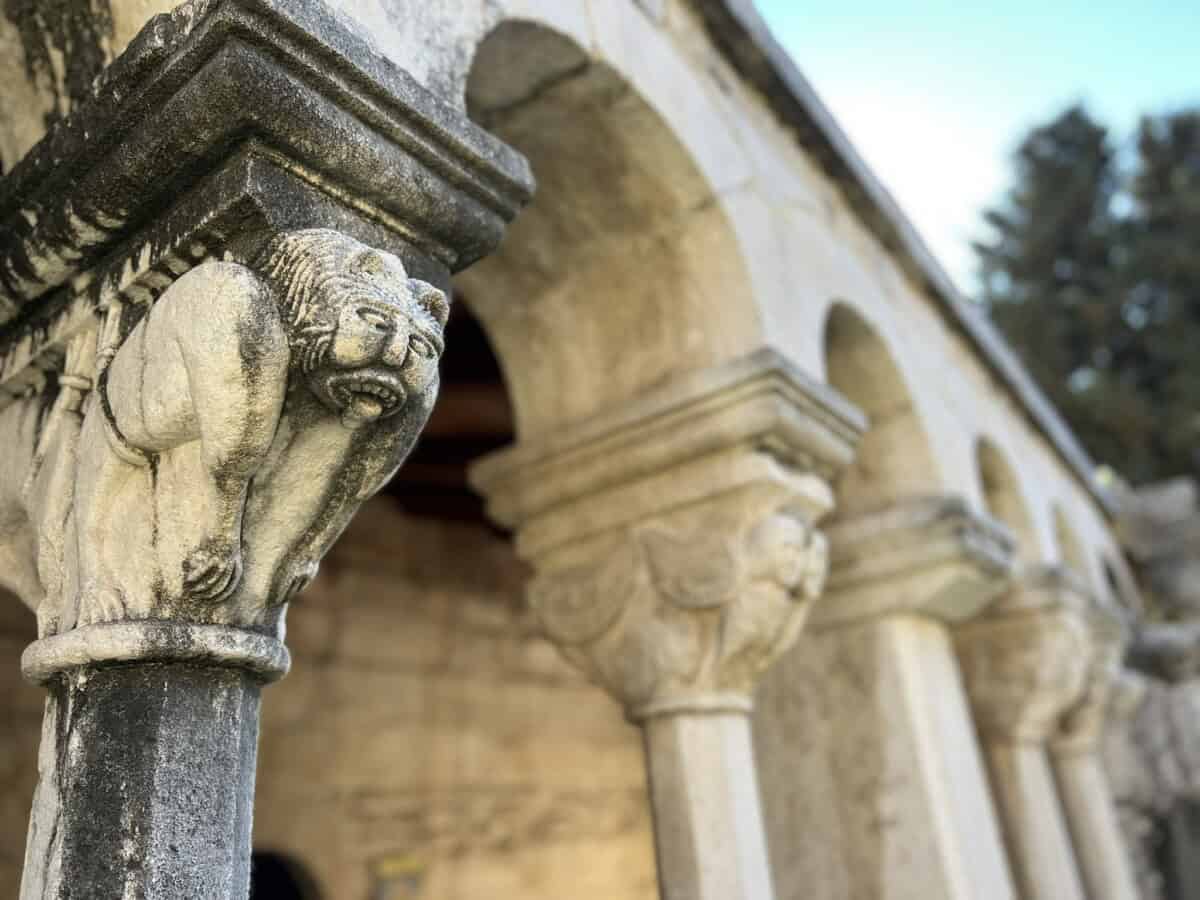
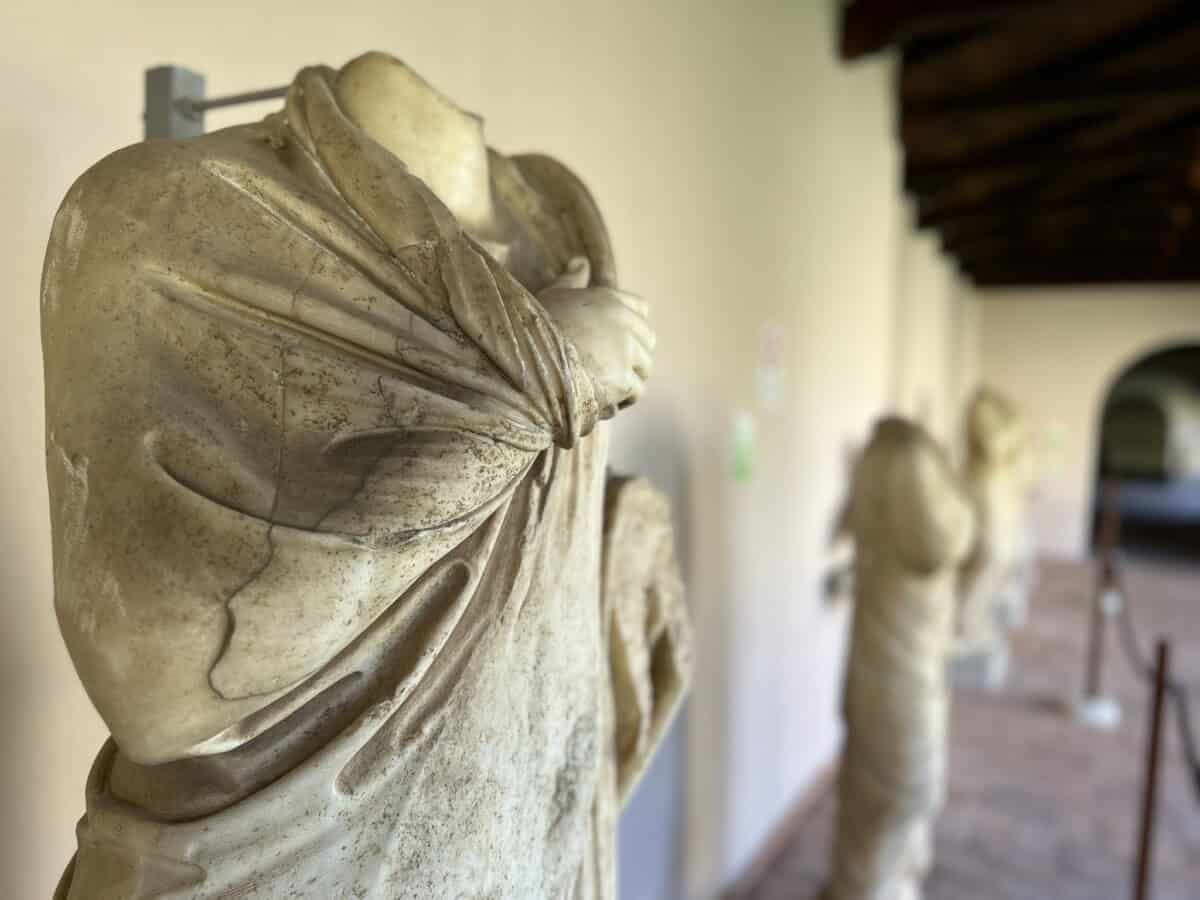
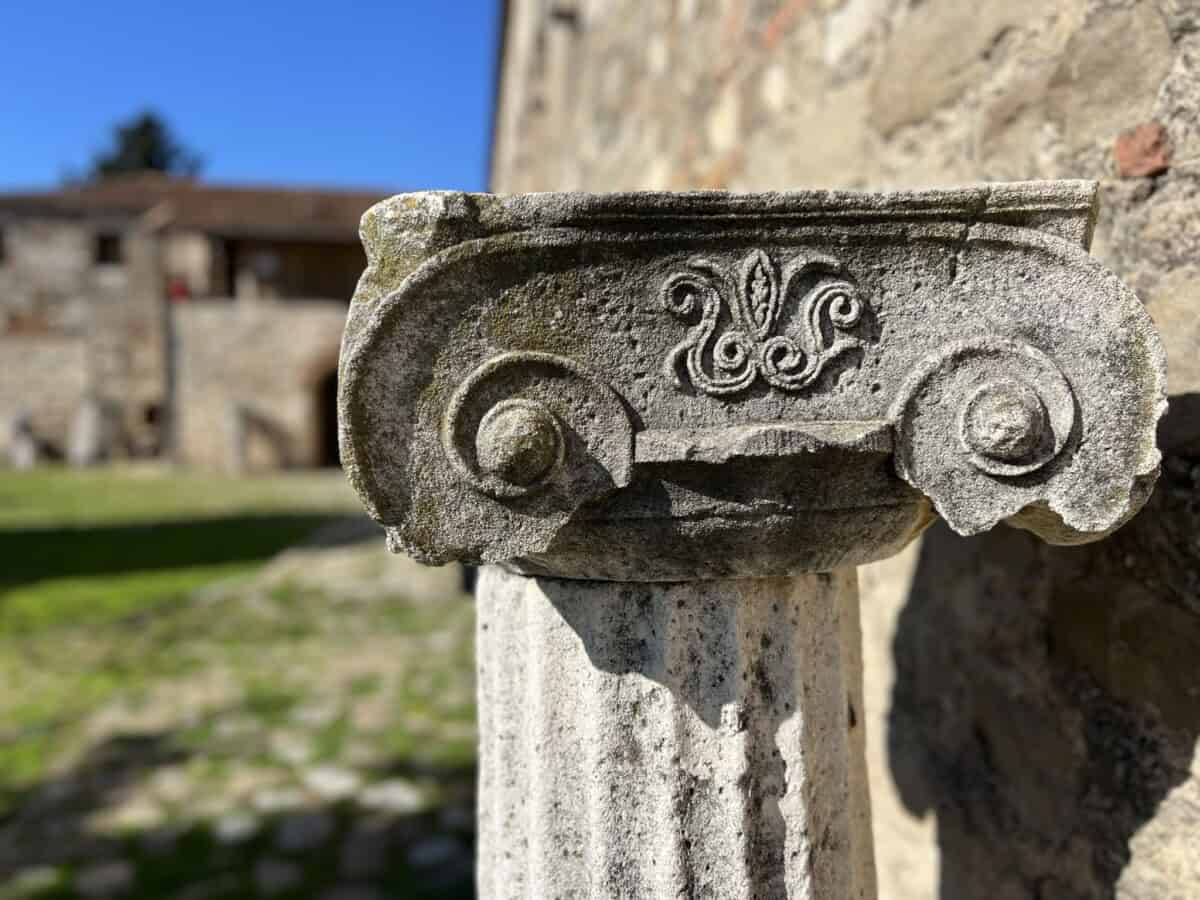
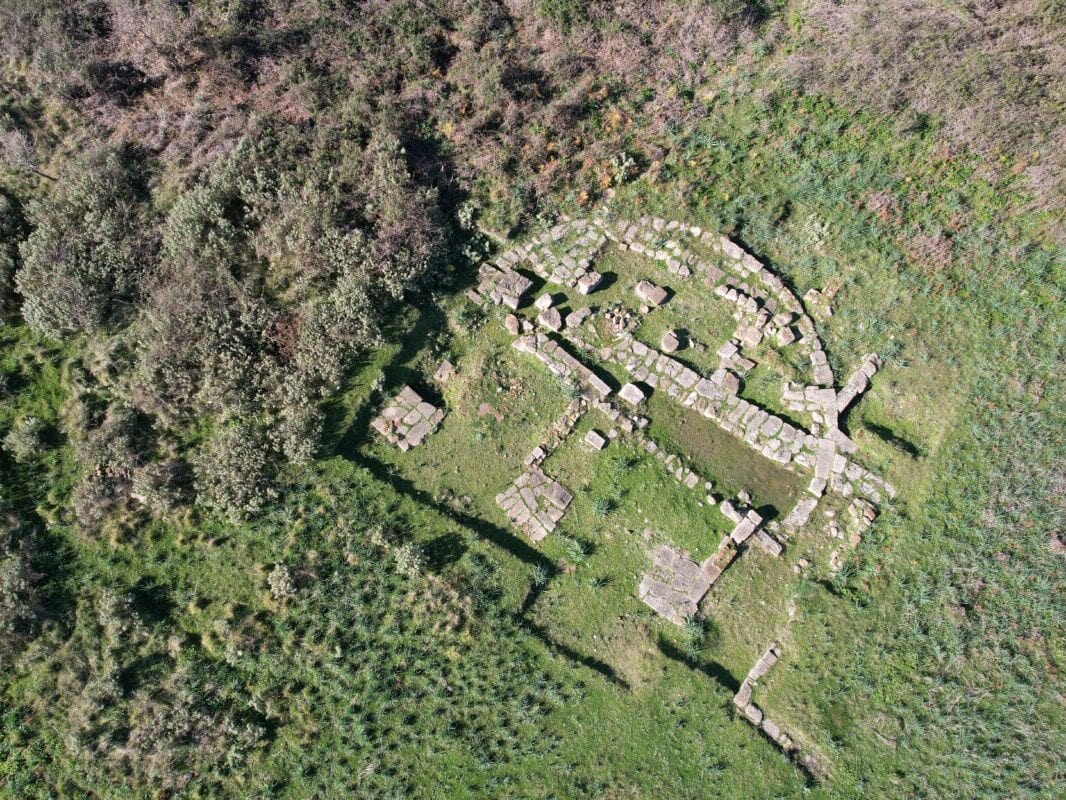
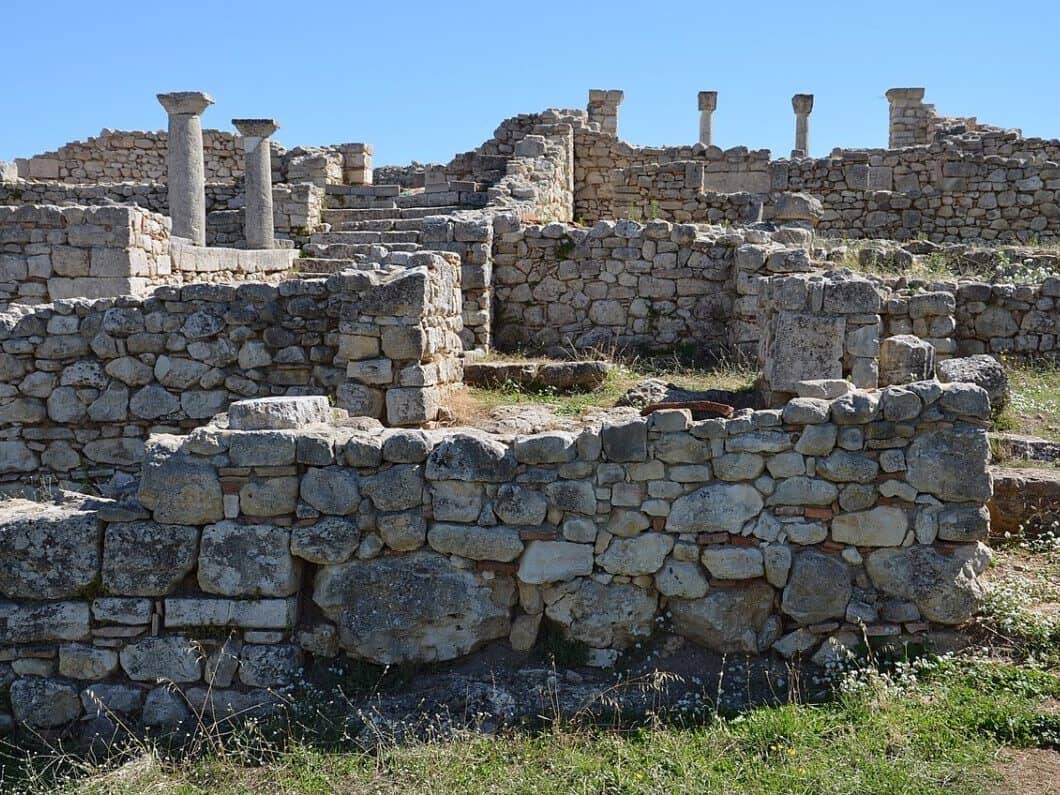
Apollonia, one of the two most important ancient Greek colonial settlements in present-day Albania, was founded on a hill near the sea and near the former course of the Vjosa River. According to archaeological research, Greeks and Illyrians lived in separate communities for 100 years. Apollonia’s economic prosperity grew based on slave trade and the area’s rich pastoral farming and agriculture. In the middle of the 5th century BC, a mint workshop was established here. Through trade and commercial transactions, these coins spread throughout Illyria and beyond its borders.
In 214 BC, the city was involved in a war between the Illyrian Taulantii and Cassander, king of Macedonia, and in 229 BC it came under Roman control. For 200 years it held central importance in Roman efforts to colonize the east. It was an important stronghold for Caesar in the civil war between Pompey and Julius Caesar.
Apollonia also built a reputation as a significant center of Greek education, particularly in the art of rhetoric. Cicero referred to Apollonia in his Philippics as “magna urbs et gravis”, which means a great and important city. In 45 and 44 BC, Octavianus, the future Emperor Augustus, studied there for six months.
Before the changes in landscape formation caused by an earthquake in the 3rd century AD, the port of Apollonia could accommodate up to 100 ships. According to historical and geological records, around 234 AD an earthquake occurred which allegedly changed the course of the Vjosa River. The river’s course shifted, Apollonia’s port silted up and the city gradually lost its importance.
Praktické
Parking you will find right below the Apollonie area. Outside the season it was free, but in season it will cost you some € or a few LEK. Entrance to the area itself is 6€/person. Not far from here is a campground for campervans.
Mapa











Laguna Karavasta
Více o laguně
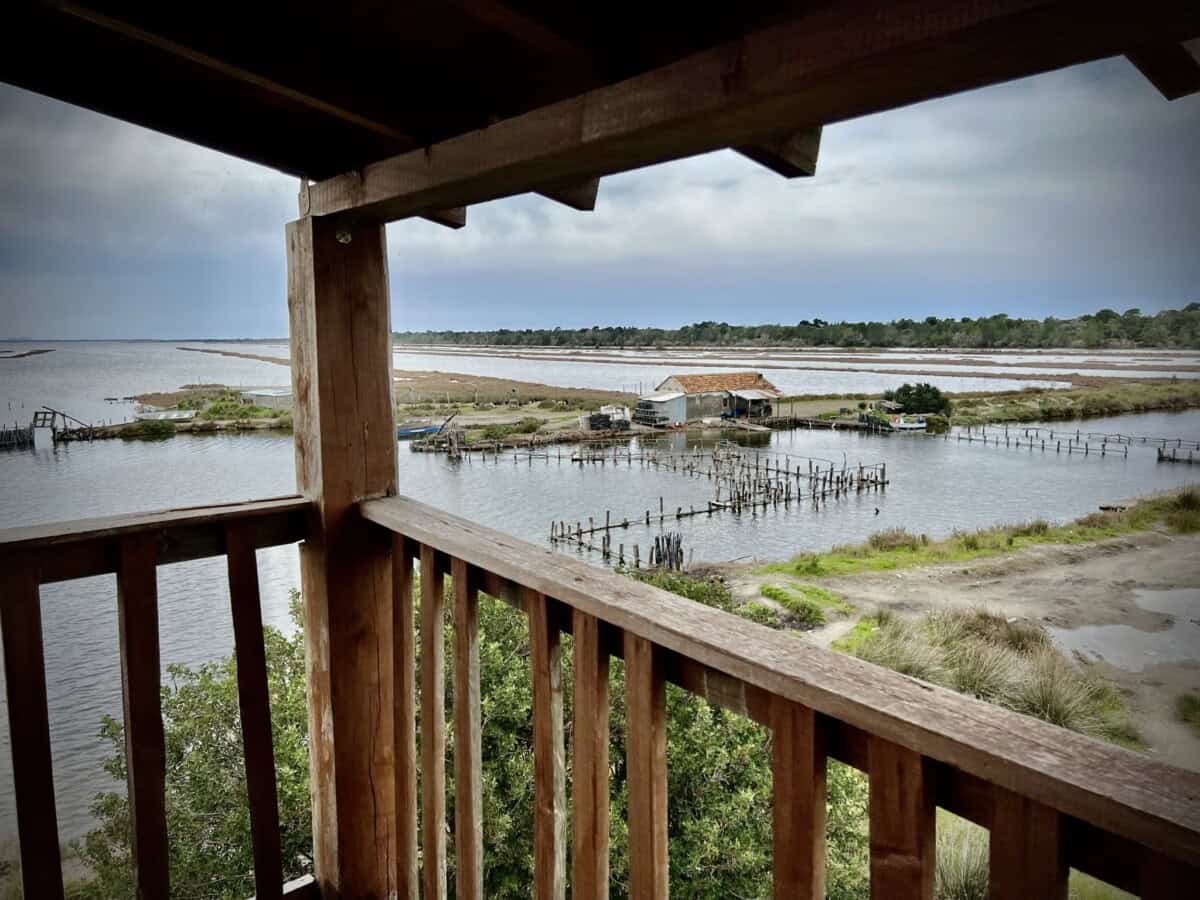
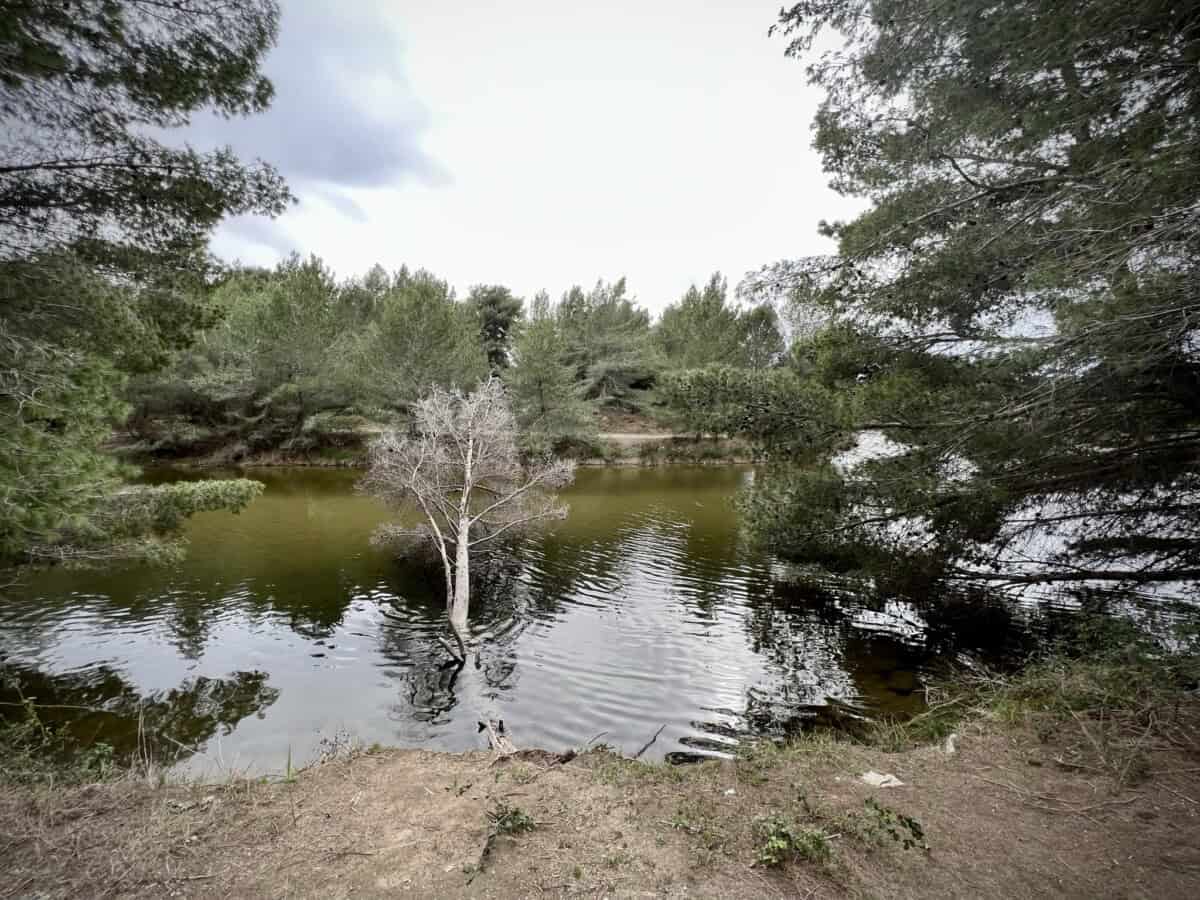
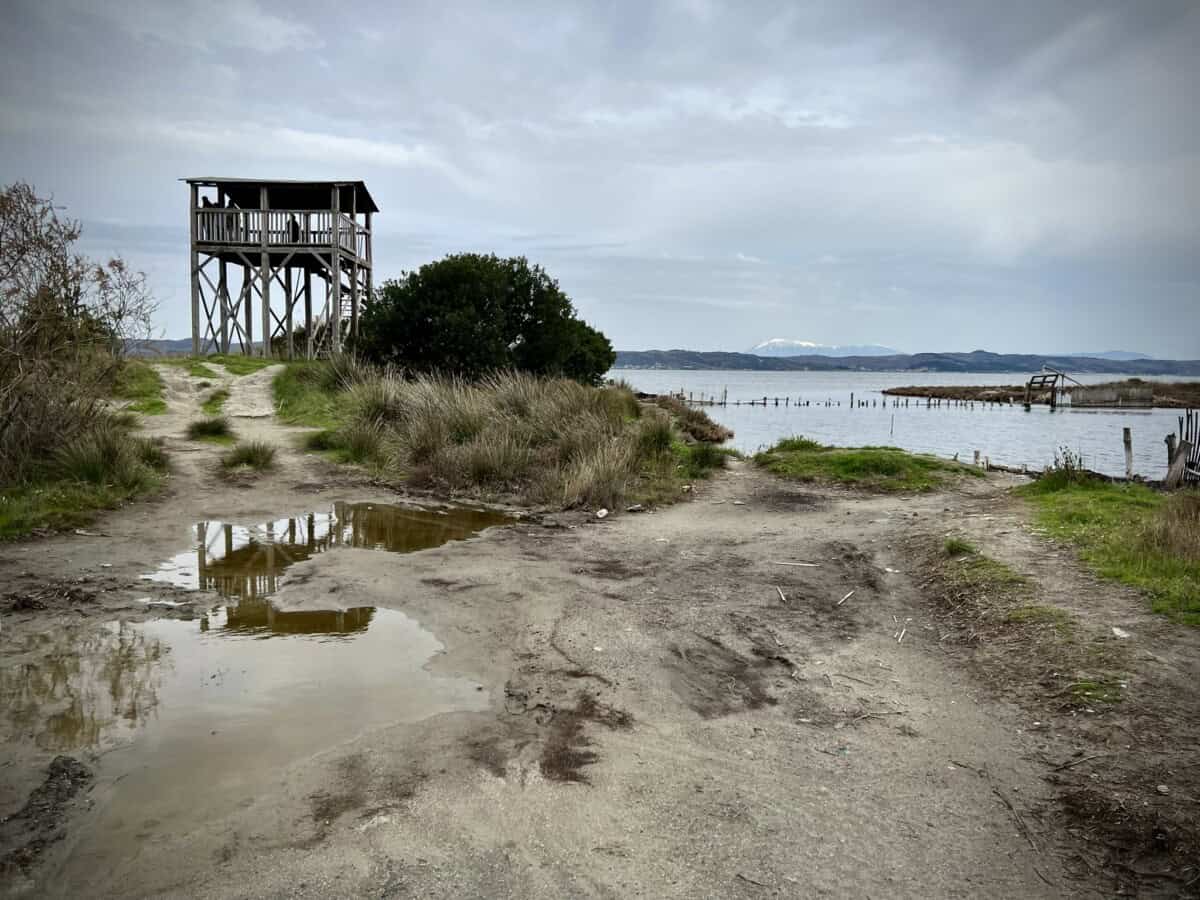
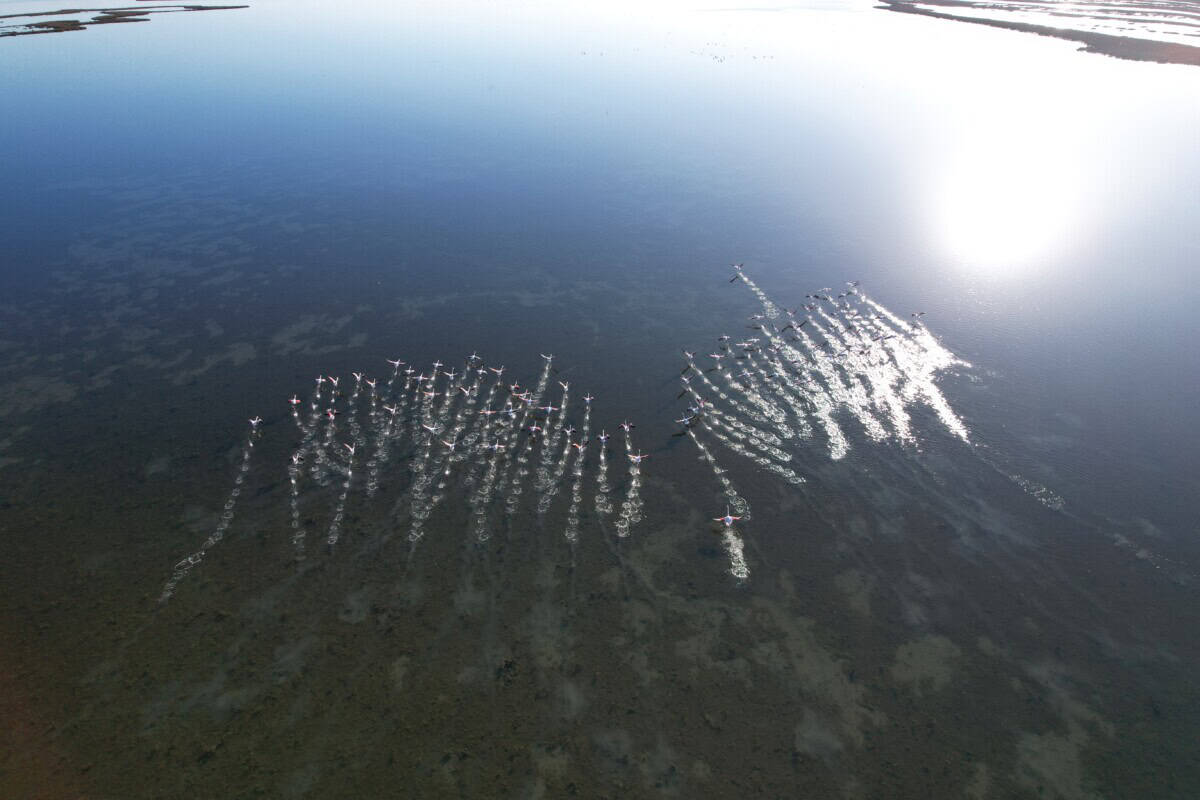
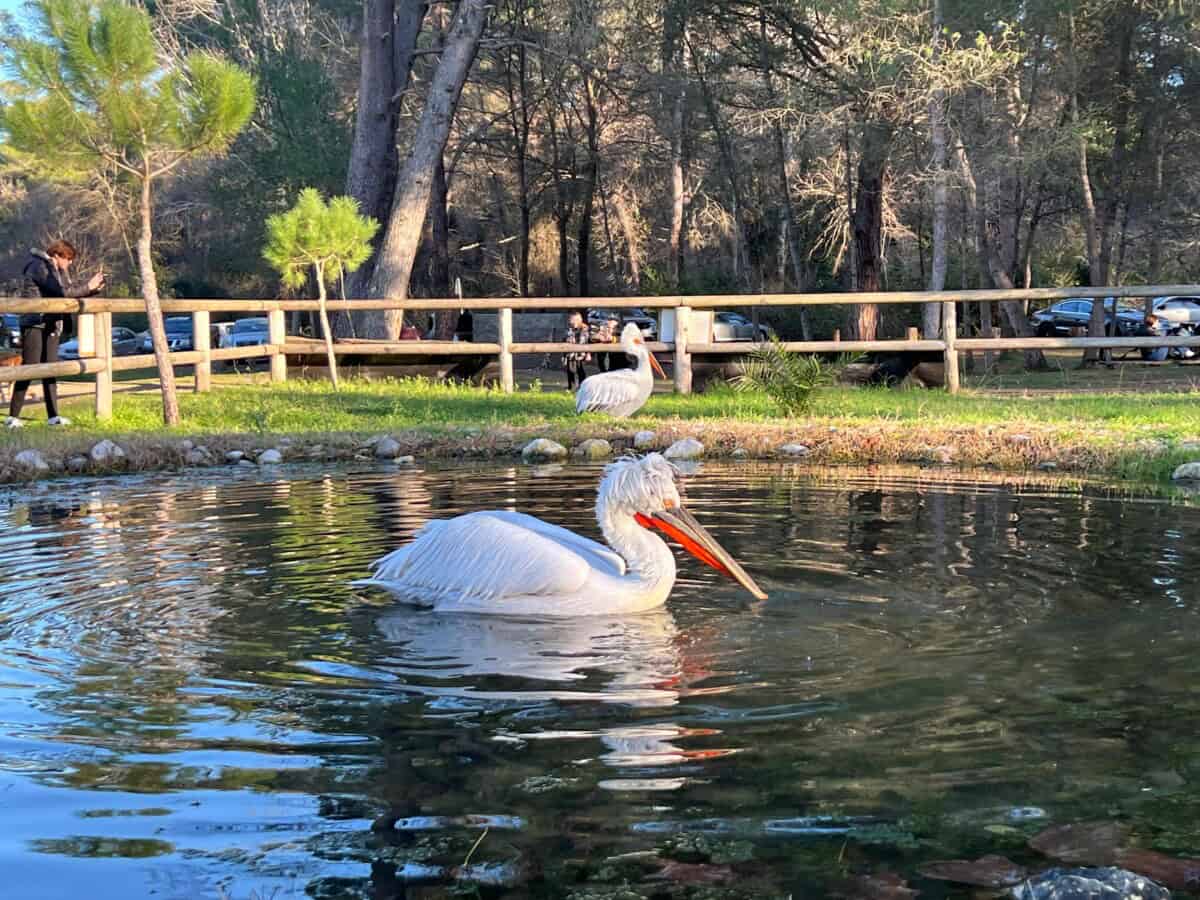
The ideal time to visit the lagoon is in spring or early summer, when the weather is pleasant and wildlife is most active. Bird watchers in particular will have a great time, as migratory species pass through the area. Efforts to preserve the Karavasta Lagoon and its unique ecosystem continue. Local organizations and international partners are working together to protect this fragile environment and promote sustainable tourism practices.
Praktické
Parking in the center of the park is HERE. Restaurants, guesthouses and campsites are available directly in the park. You can find other accommodation options, for example, also in Divjake, which is five kilometers away Divjake. Many facilities in NP Karavasta accept credit cards, but it is advisable to have cash in Euro or LEK with you. Smaller bars or pubs will prefer cash. Similarly, boat trips are required to be paid in cash. Boarding the boat HERE.
Mapa
Archeopark Bylis
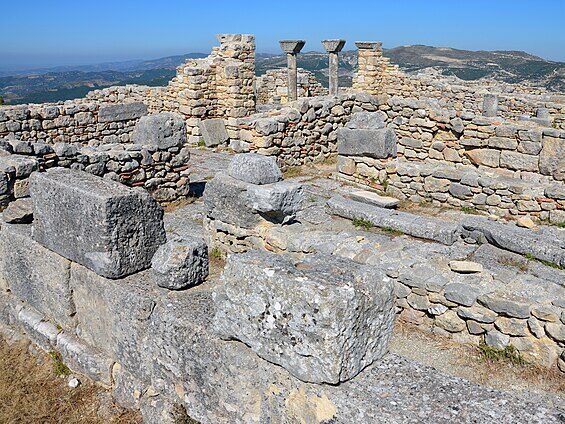
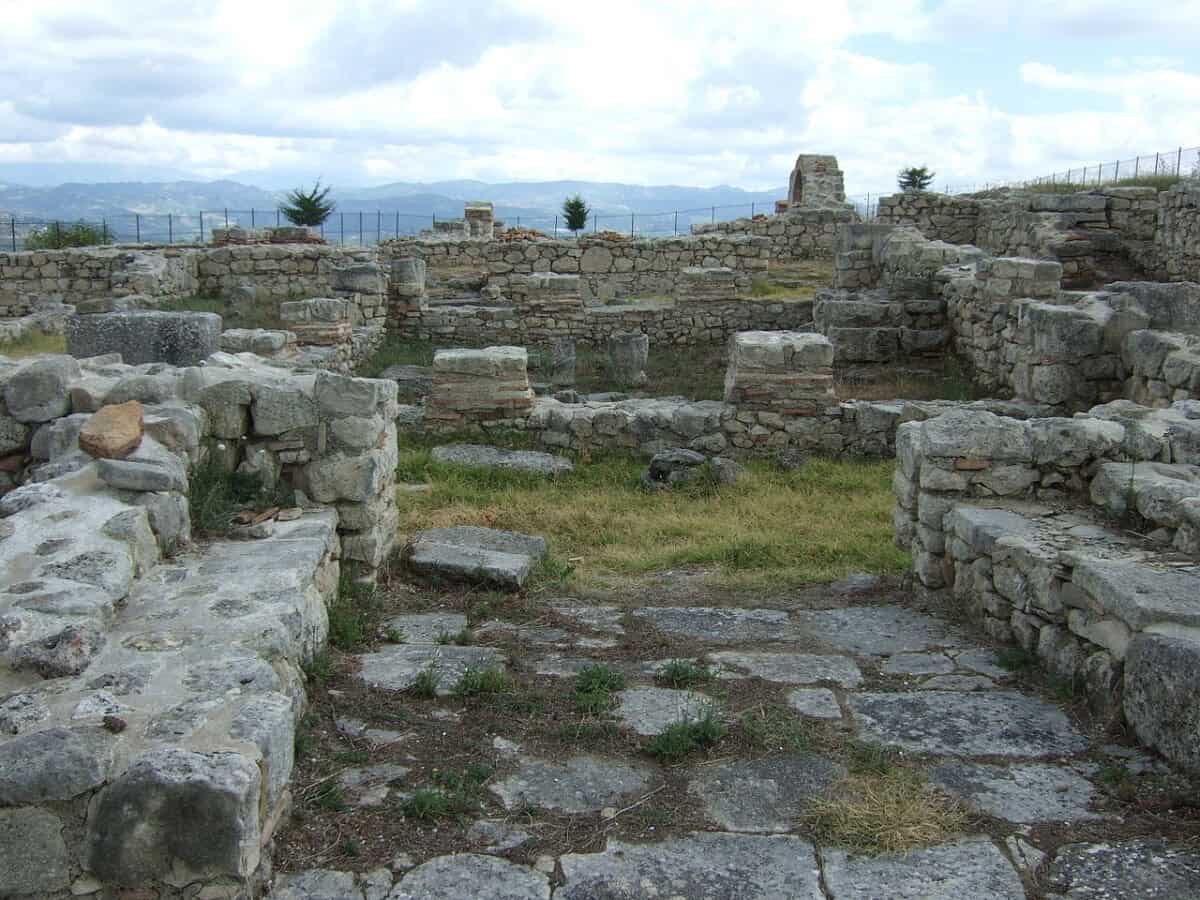
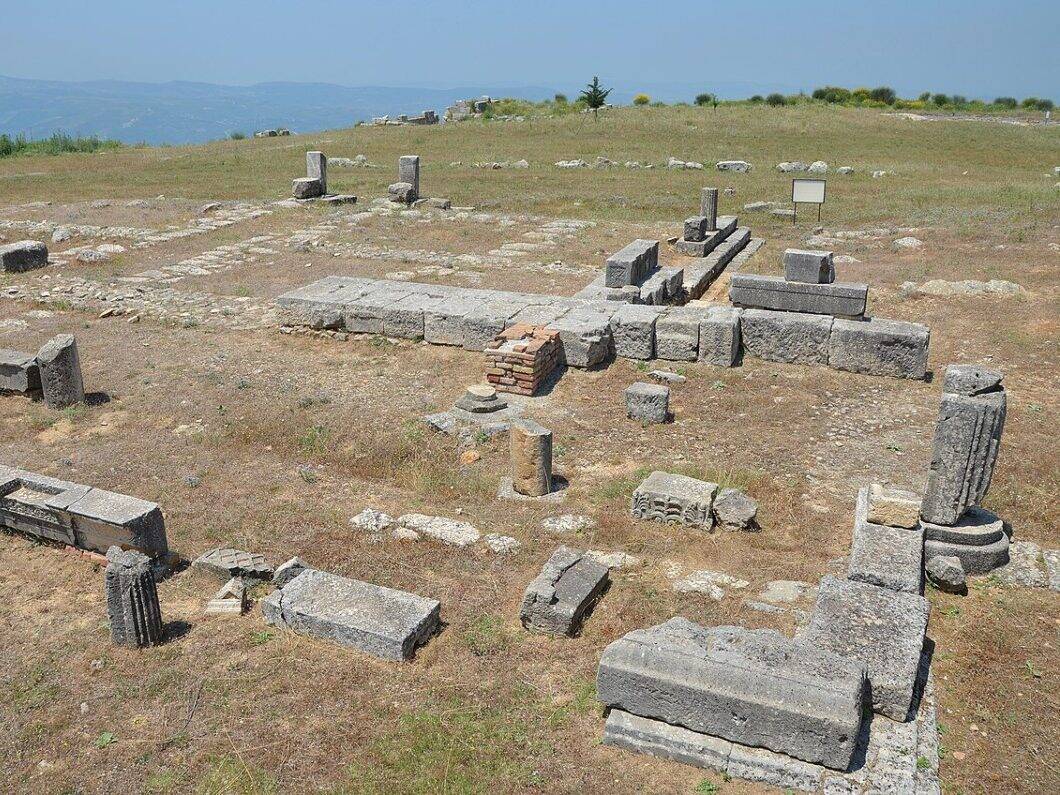
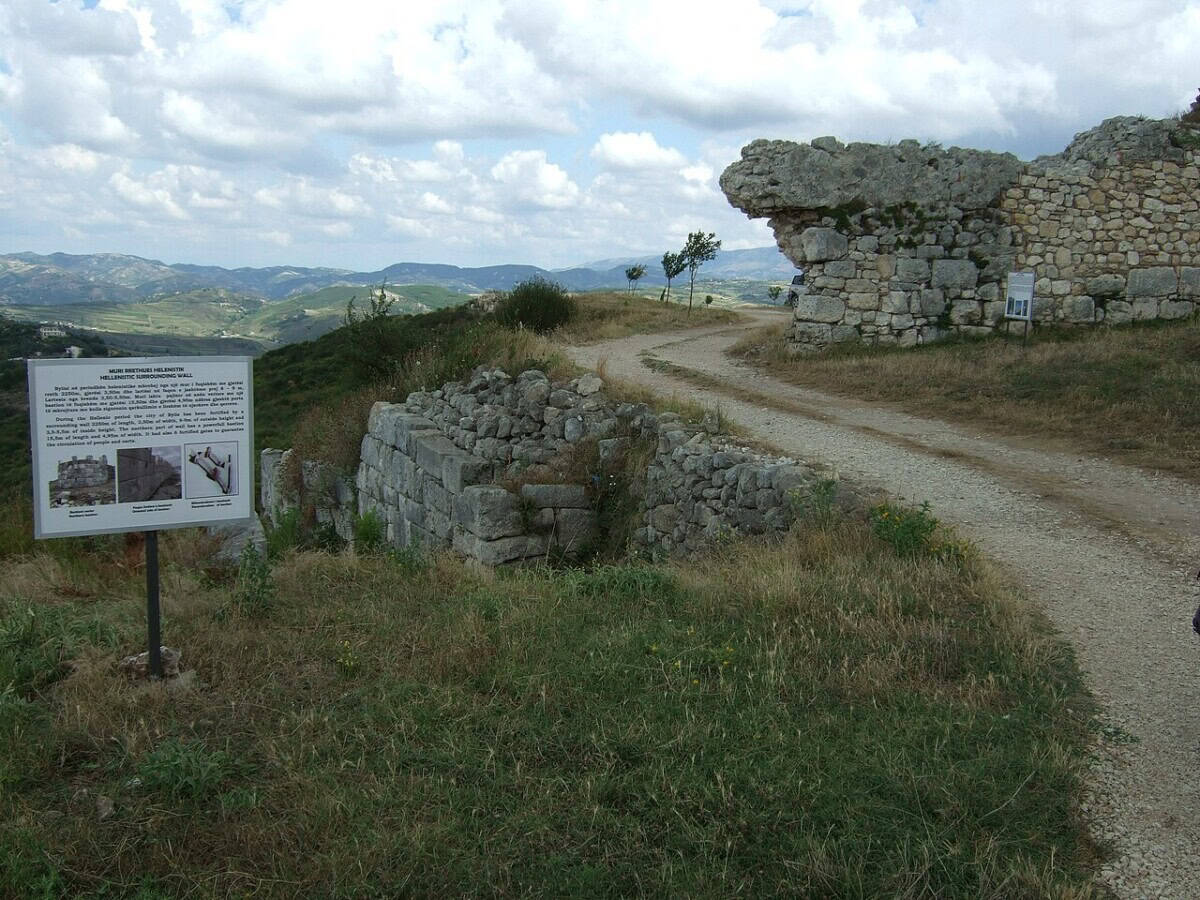
Bylis Archeopark, situated on a high hill, is among the most important Illyrian archaeological sites in Albania and offers a fascinating glimpse into history. The name derives from the name of the Illyrian tribe of the Bylliones. The city was allegedly founded in the 4th century BC by King Pyrrhus. According to another legend, it was built by members of the Greek nation of the Myrmidons, who passed through on their return from the Trojan War, which would mean a time more than 1,000 years BC. Archaeological evidence more suggests that the city was founded around 380–350 BC, which corresponds to the building techniques of its fortified walls and nearby cemeteries.
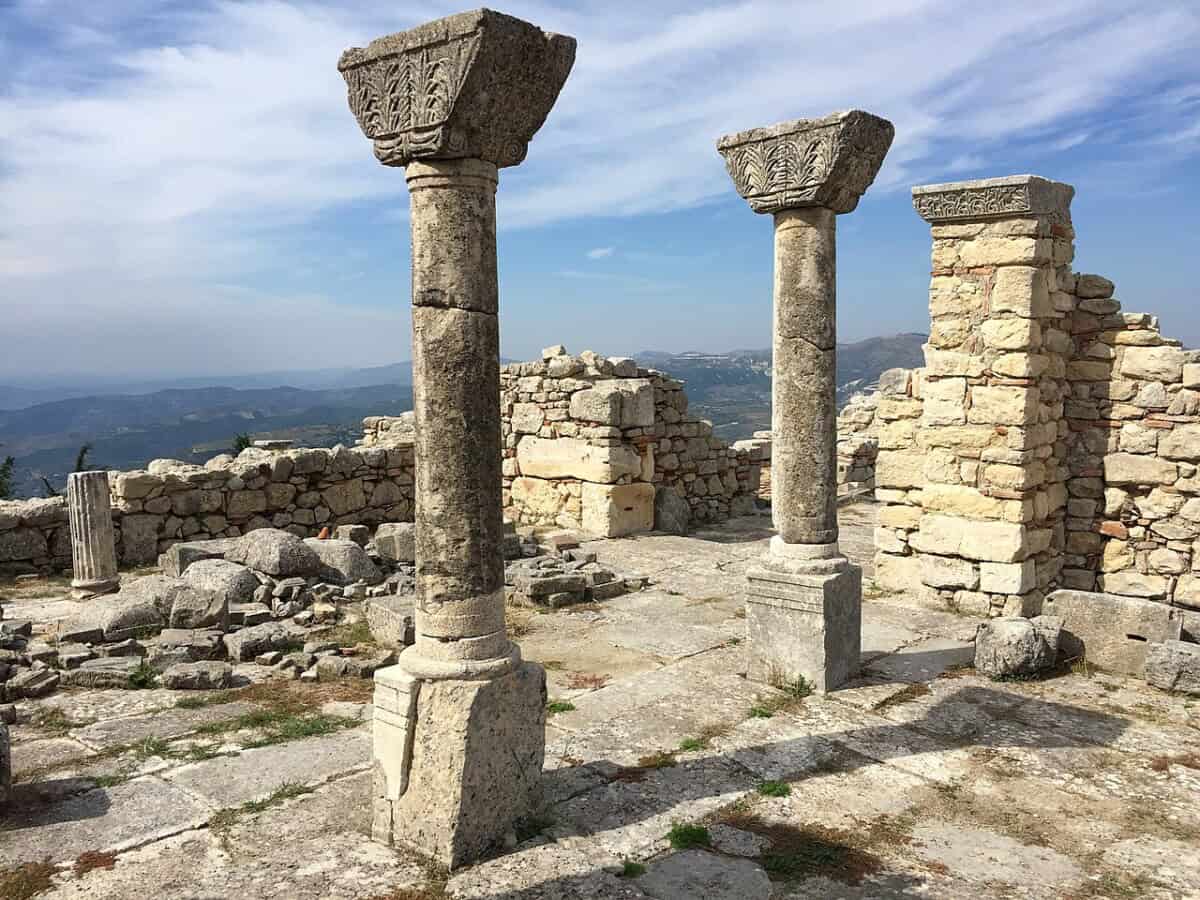
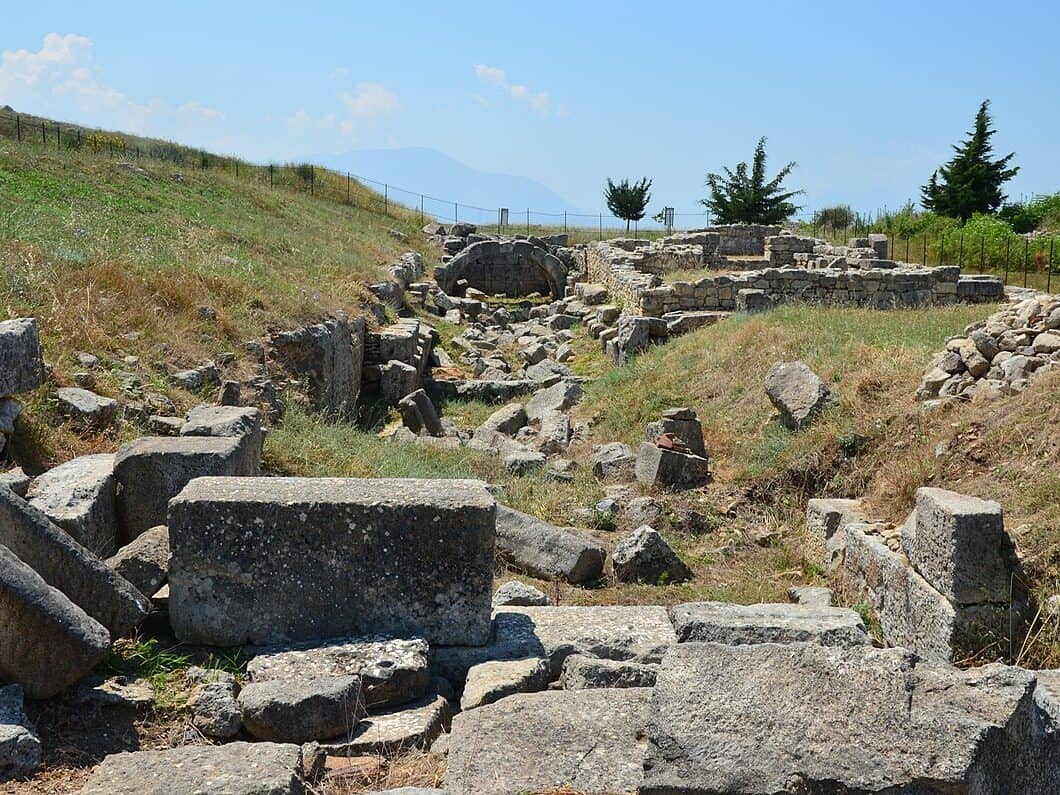
Due to its strategic location above the Vjosa River valley, it had a key defensive role, as evidenced by the massive stone walls that surrounded the city over an area of more than 30 hectares. Byllis was also known for its public buildings – you can still see the ruins of a theatre with a capacity of up to 7,500 spectators and several basilicas from the early Christian period.
Více o hradu Bylis
Bylis, once a thriving Illyrian city, offers visitors a rare glimpse into centuries of architectural genius, cultural development and natural beauty. One of the most poetic inscriptions found in Bylis reads: “Hey stranger, do not turn your gaze from the beauty of Bylis, whose fallen walls were once rebuilt by the brave Victorinus.” This ancient message, once carved near the gate, evokes the city’s former glory and invites every traveler to admire its enduring beauty. Three original blocks from this inscription are preserved in the National Archaeological Museum in Tirana.
In 48 BC, the city was used by Julius Caesar as a strategic point during his campaign to the city of Dyrrachium (Durrës) in battles against Pompey. Another significant mention comes from Cicero, who informed the Roman Senate about the city’s takeover by Mark Antony. Some information a bit outside of Bylis, but just for clarification: Cicero was a prominent Roman statesman, philosopher, orator and writer who, after Caesar’s death, was killed in 43 BC by soldiers acting on the orders of Mark Antony. Cicero was his long-standing and unwavering political opponent. But that’s another story.
Praktické
Parking is possible about 25 minutes walk from the area on the edge of the village Hekal. Right at the area there is a restaurant where you can find refreshments in the form of a large selection of food and beverages. Conditions are changing and it is not ruled out that arrival will be possible directly to the restaurant. It is worth asking about the current situation in the village.
Mapa









Monastery Ardenica
Více o klášteru Ardenica
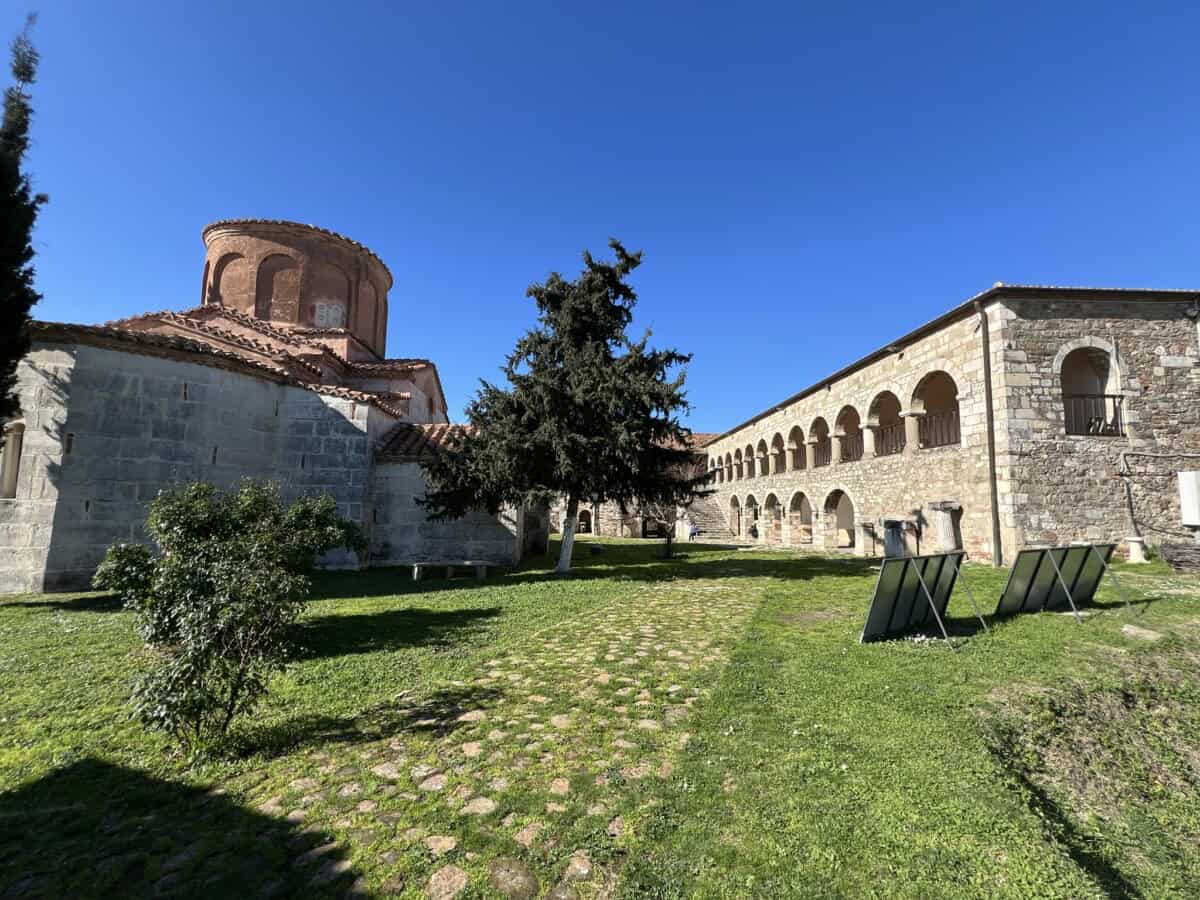
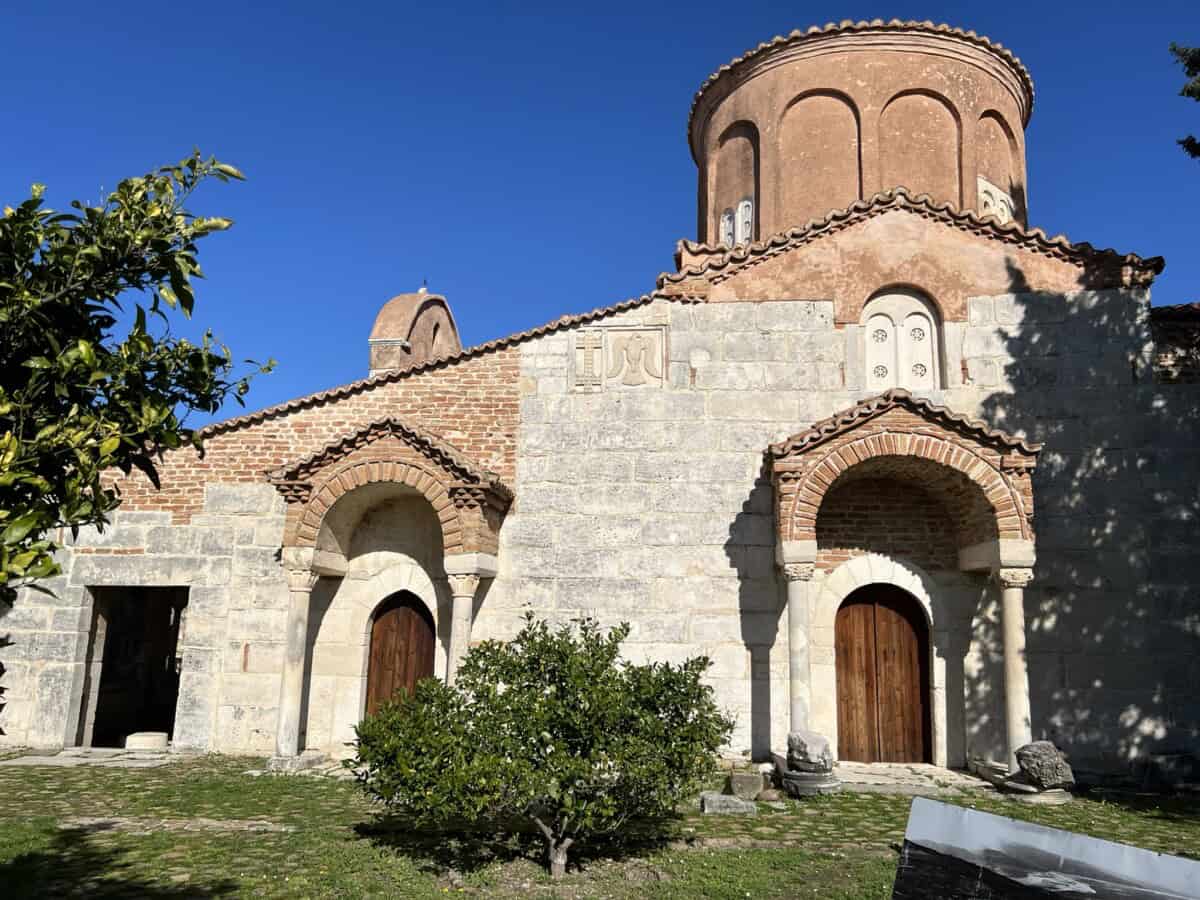
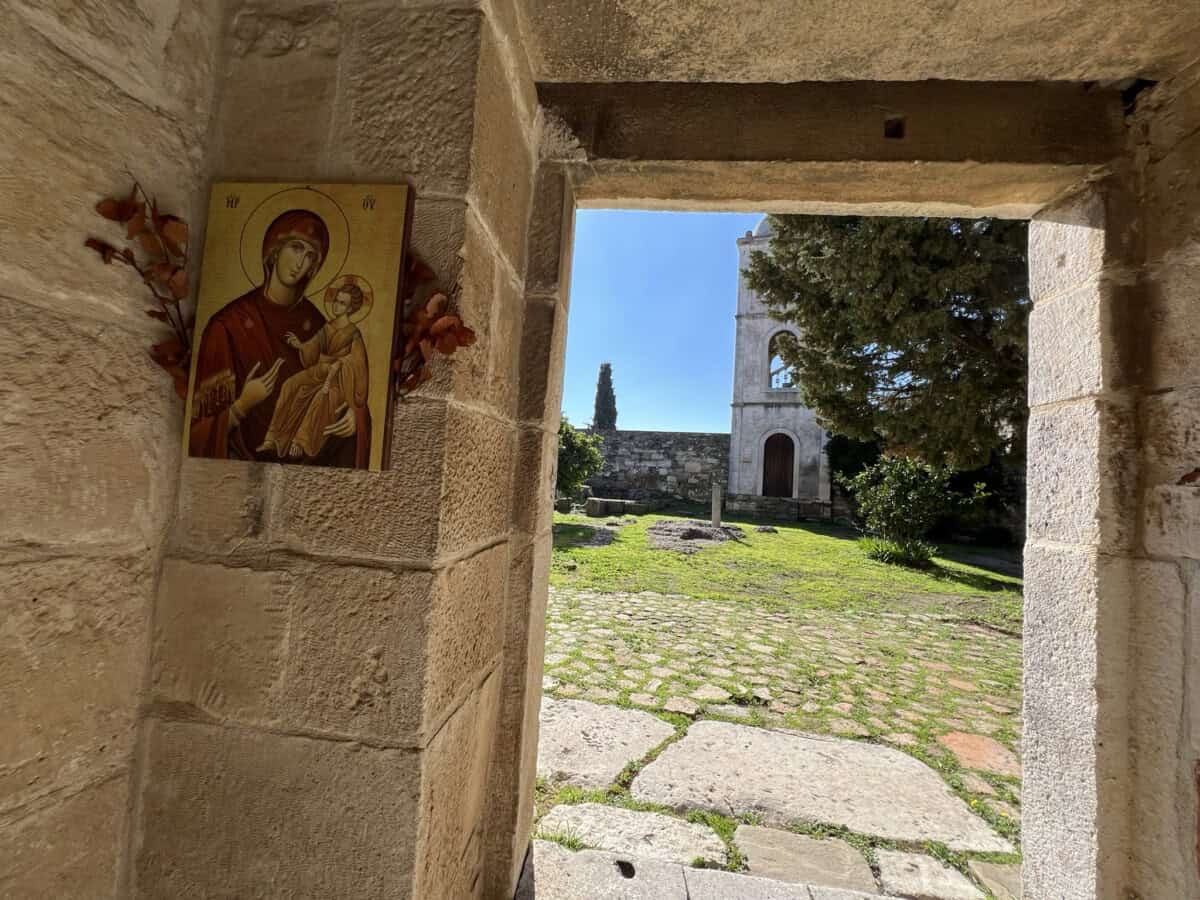
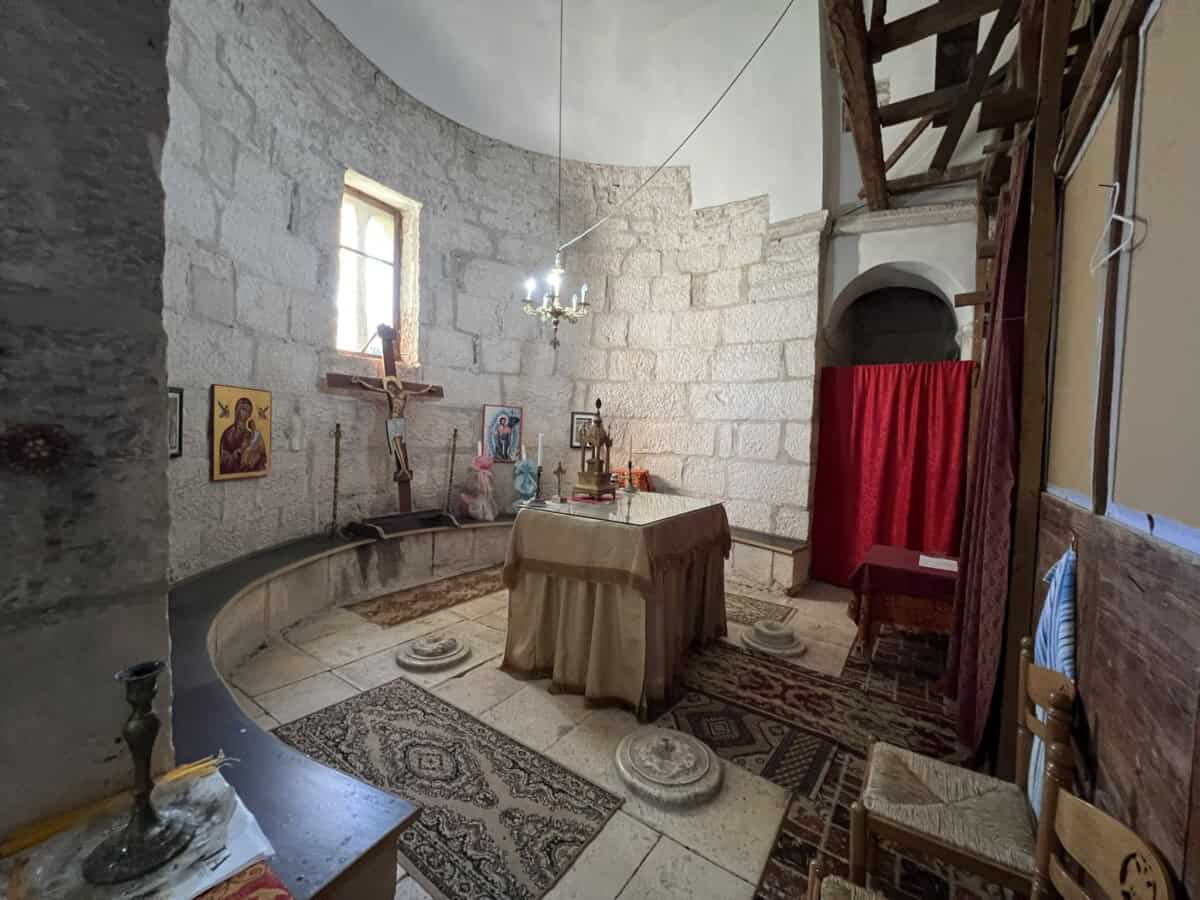
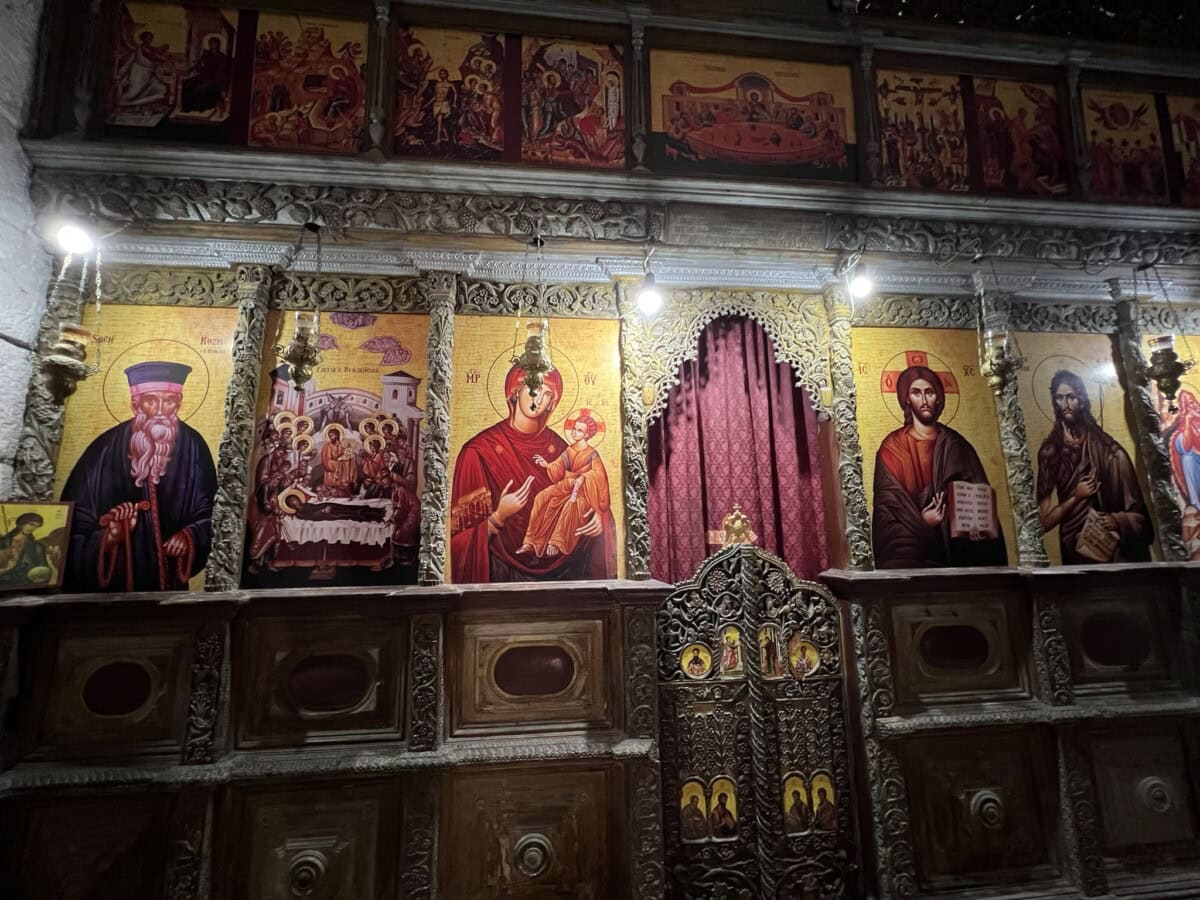
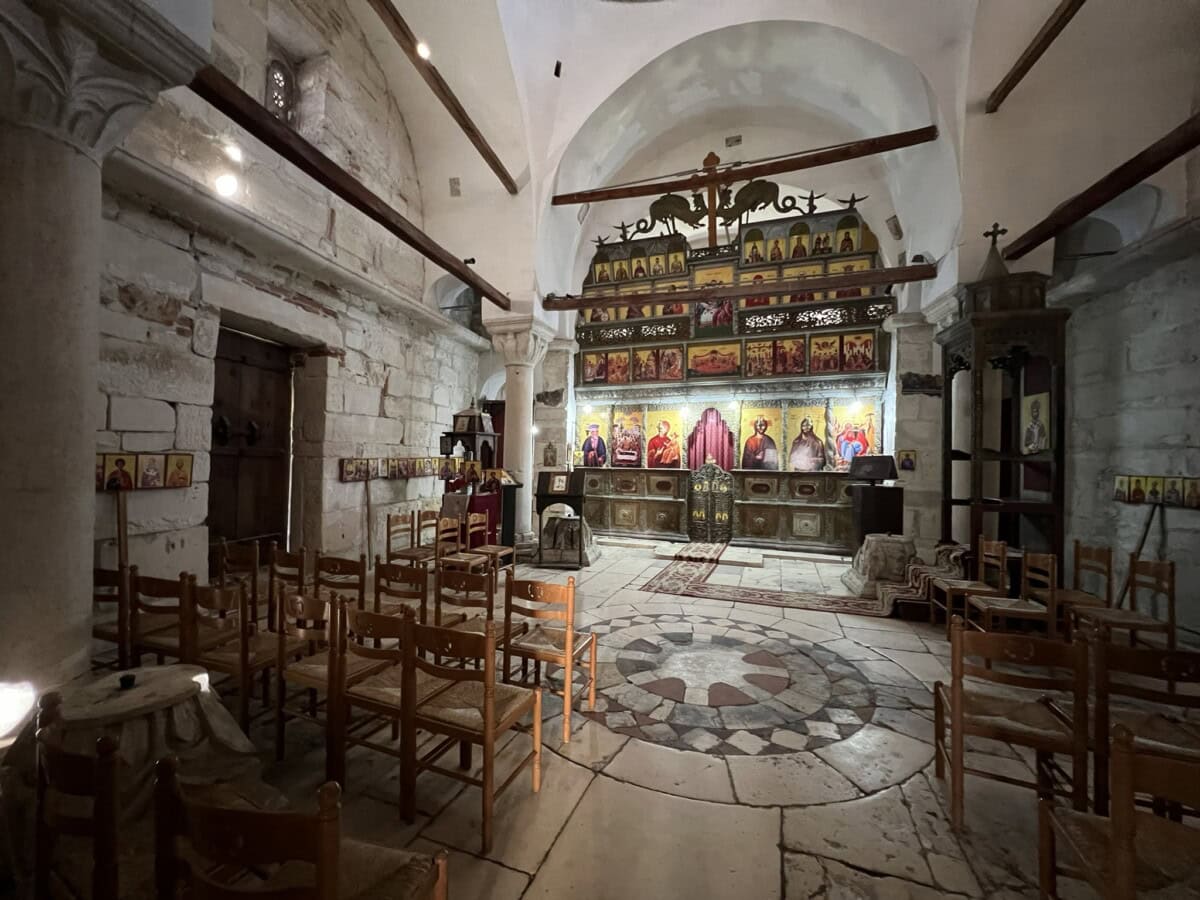
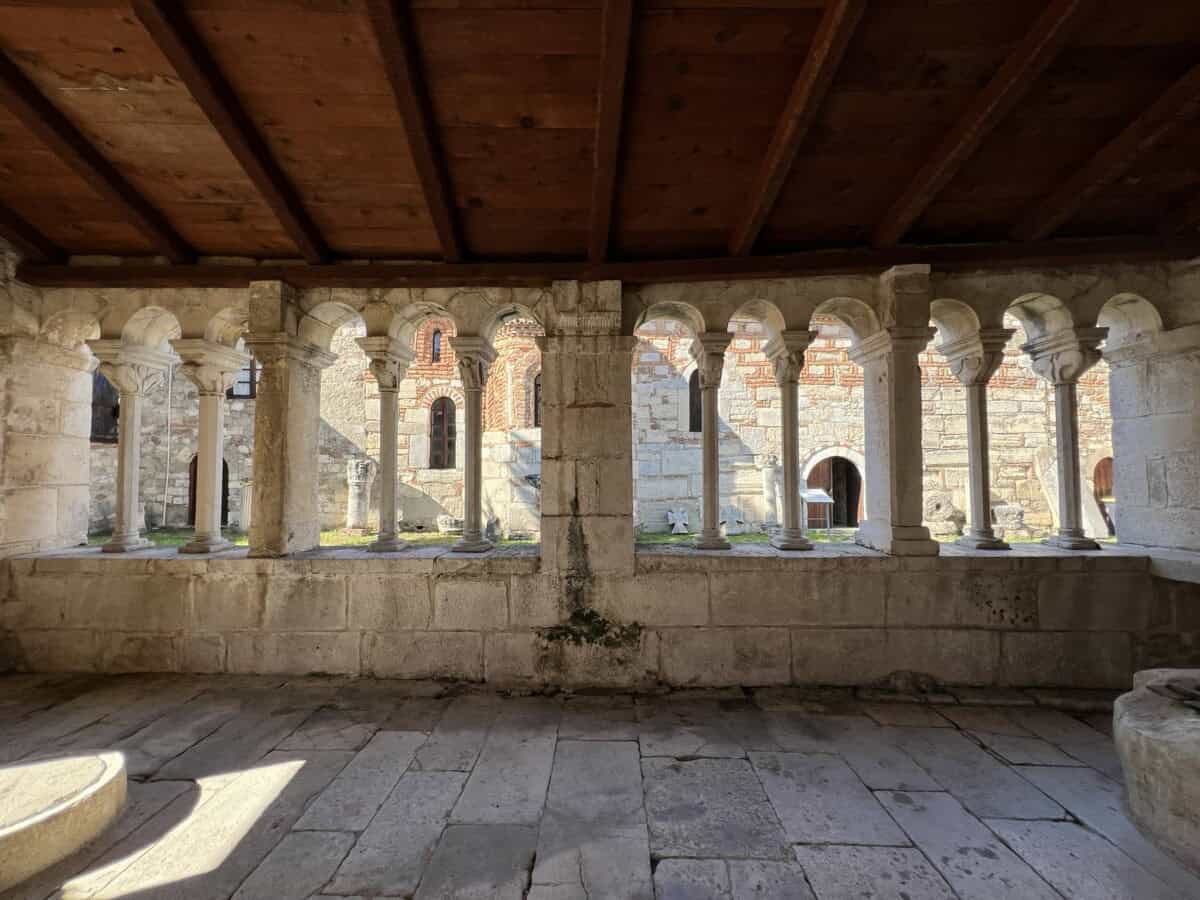
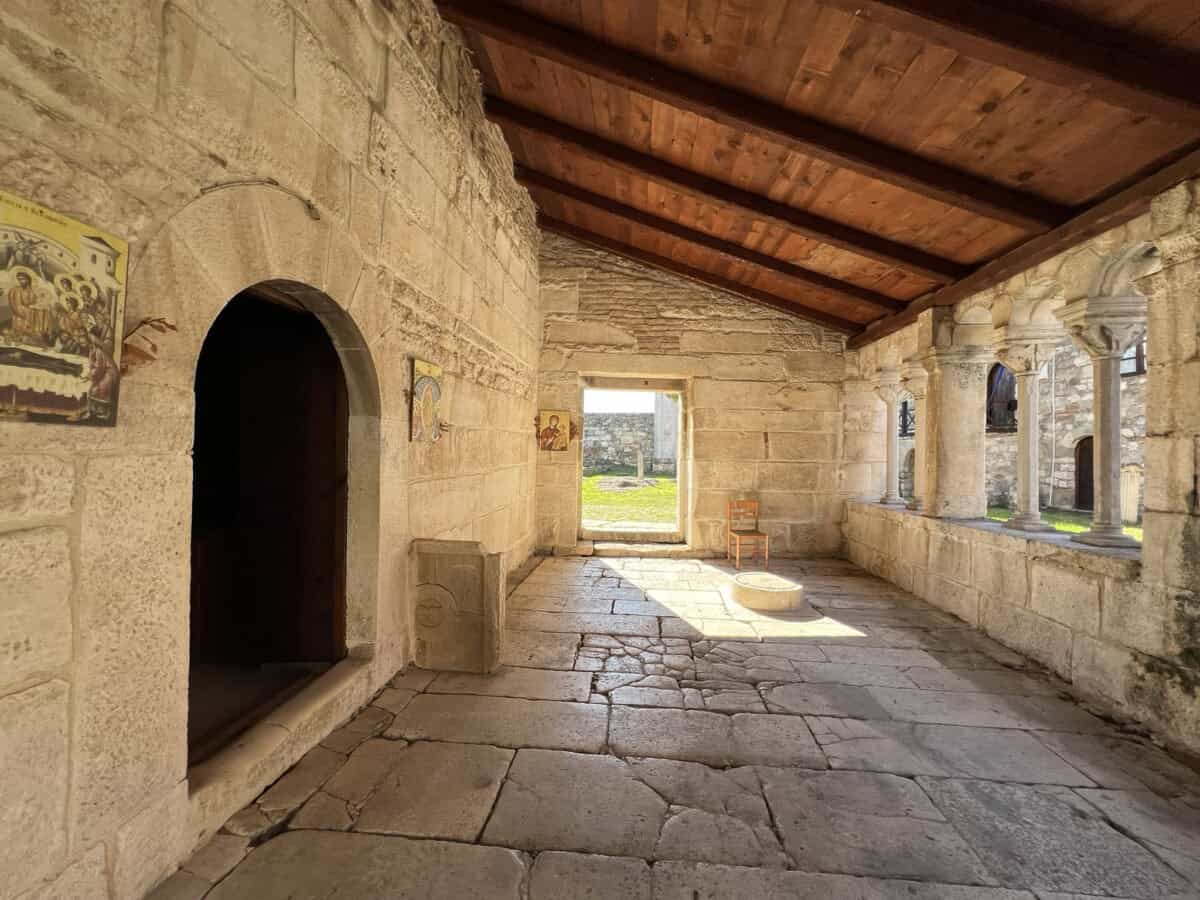
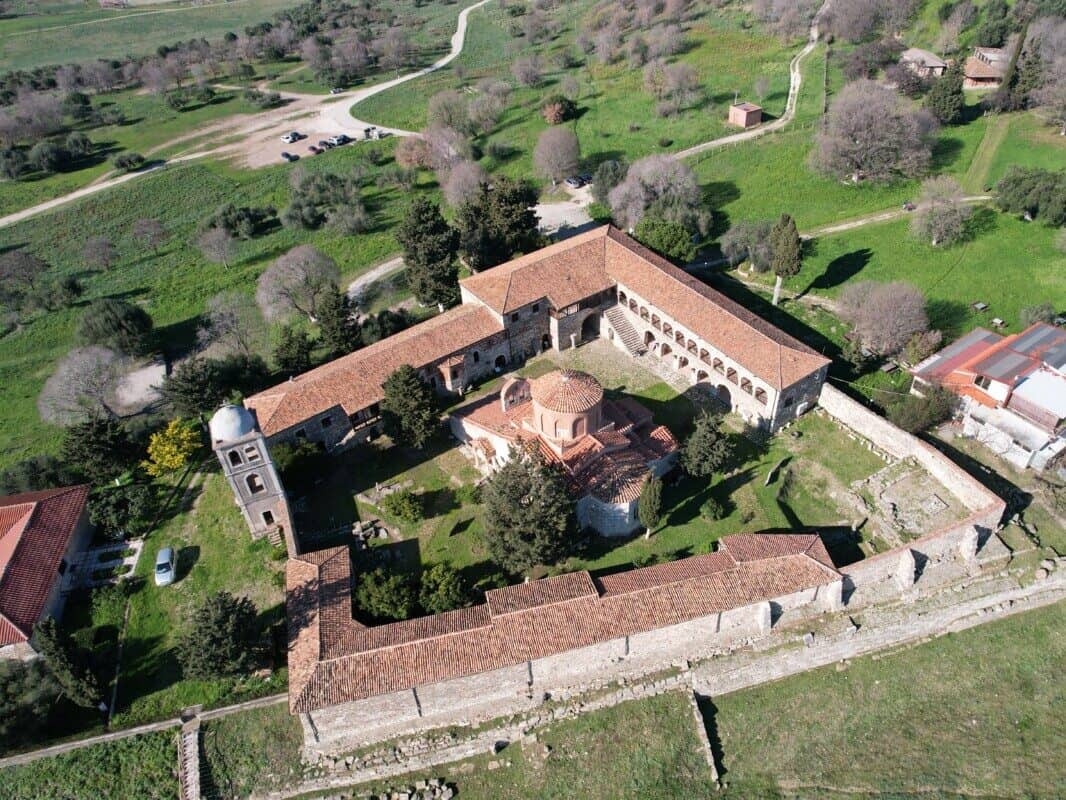
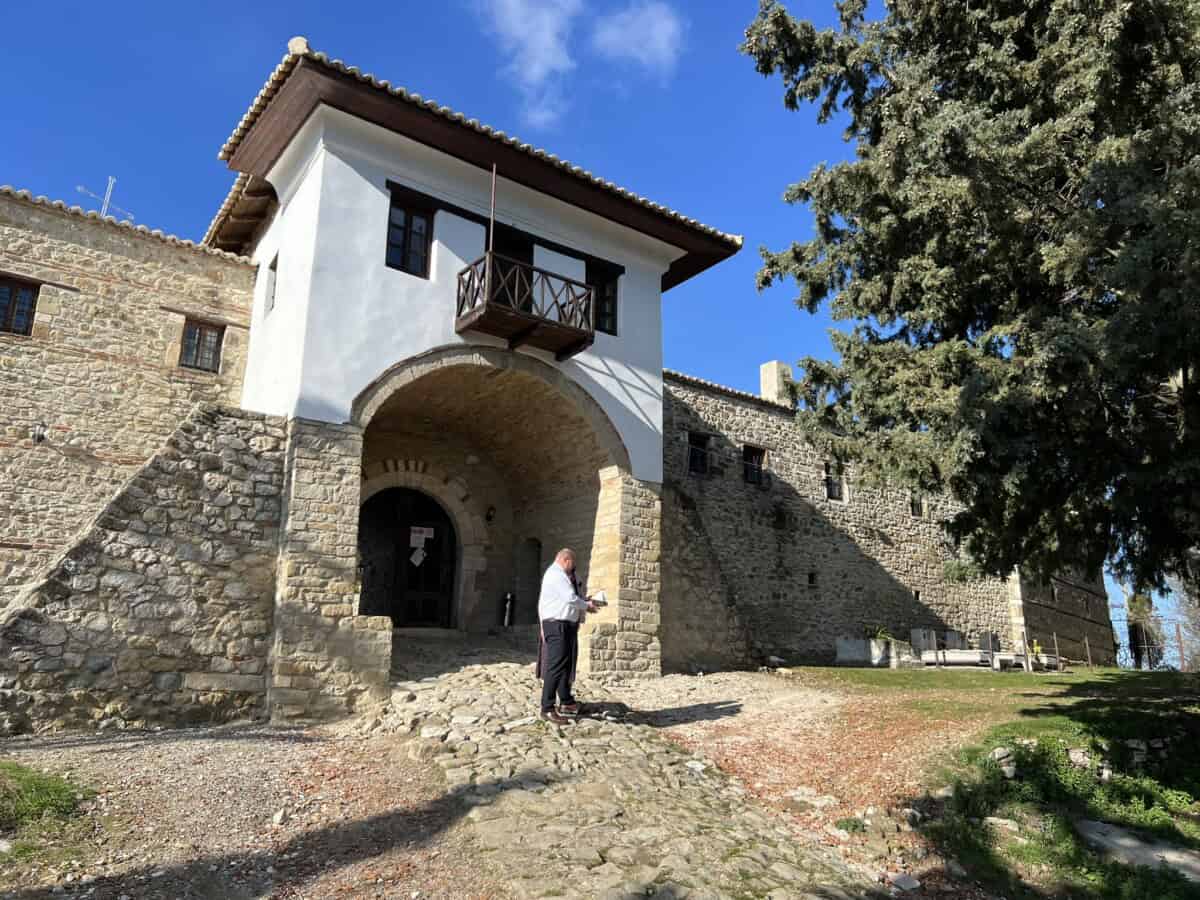
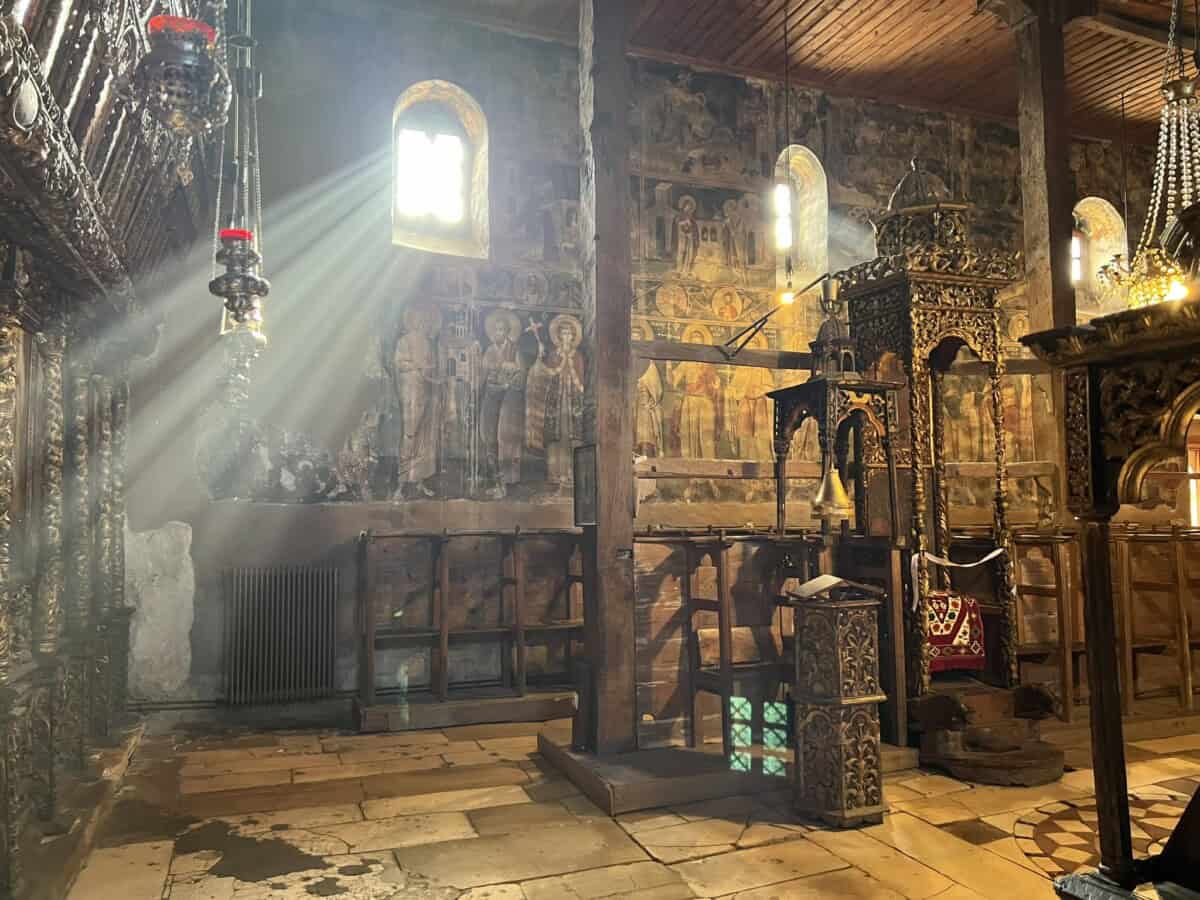
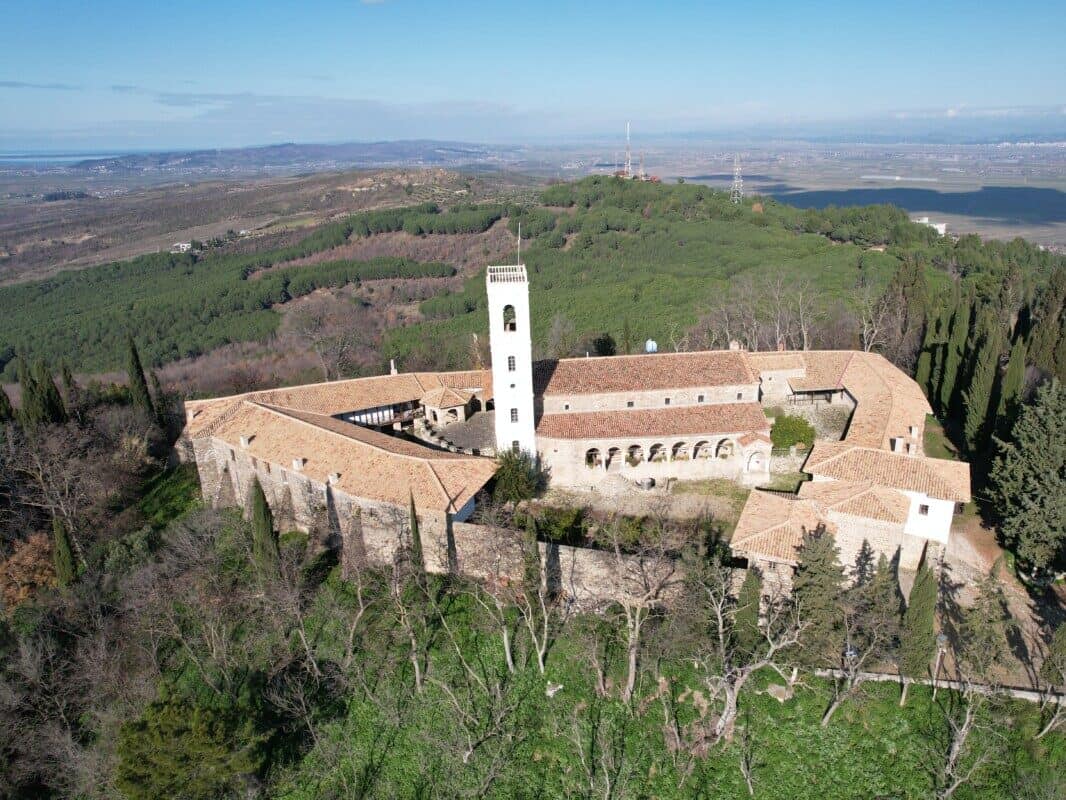
Ardenica Monastery was founded in 1282 by order of Byzantine Emperor Andronikos II Palaiologos. The name “Ardenica” is allegedly derived from the name of one of the Roman gods. The monastery held an important place in the religious and political life of the country. In 1780, Ardenica founded a primary school with instruction in Greek. In 1817, it was expanded into a secondary school and existed as such until the period before World War II. The monastery had a very extensive library, which at its last count contained 32,000 volumes. It contained not only titles from Orthodox culture, but also works from Western Europe, Hungary, and Poland, which eloquently testify to the extent of the spiritual connections of the monks in the 18th century. Ardenica Monastery acquired most of its book treasure from the trading city of Voskopoja, which was at that time the most significant cultural center in the Balkans besides Constantinople. However, most of the books became victims of a fire in 1932.
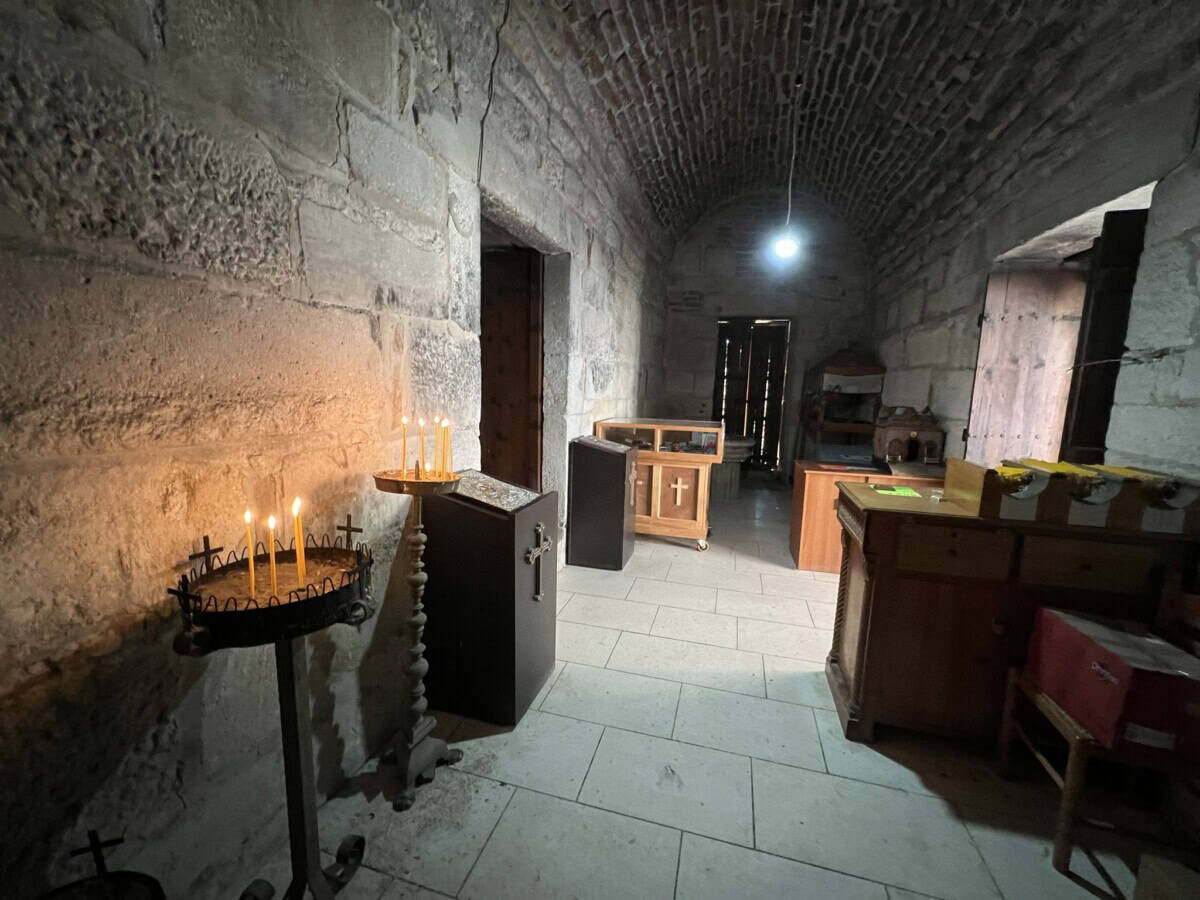
In 1967, the monastery was forcibly dissolved by the communist government, but fortunately it was not destroyed like many other sacred buildings in Albania. On the contrary, it was declared a cultural monument and as such was partially maintained. In the late 1980s, the monastery complex was converted into a tourist hotel and the monks’ cells served as rooms. In 1992, the monastery was returned to the Albanian Orthodox Church. Immediately after, a priest was sent to Ardenica to resume regular services. Since the mid-1990s, a community of monks has lived in the monastery again. The monastery complex covers an area of 2,500 square meters. In addition to the Church of Saint Mary and the Chapel of the Holy Trinity, the complex includes several narrow buildings with cells for monks, an oil press, a bakery, stables, and a gate. The main church is a basilica.
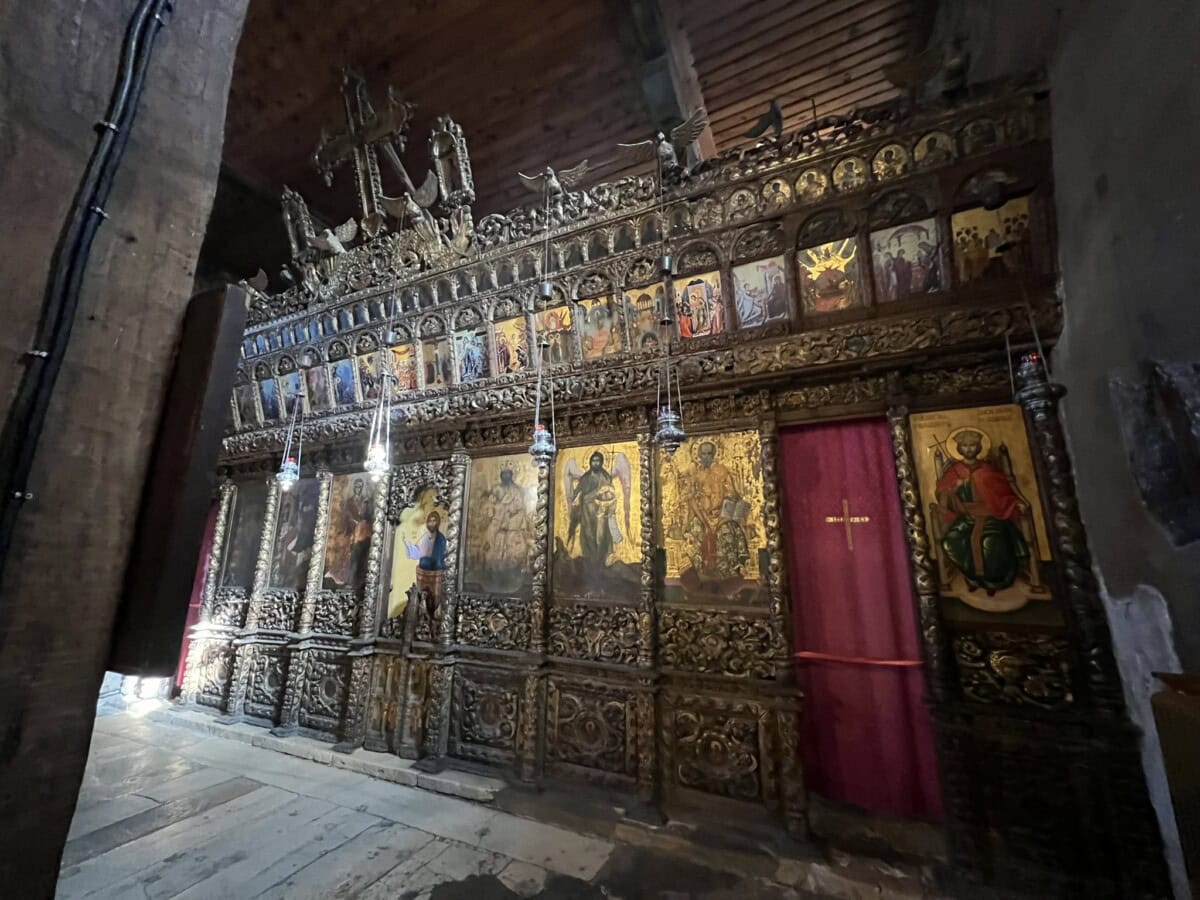
Most of the stones used in its construction come from the ruins of Apollonia, located about 18 kilometers away. The monastery church was painted with frescoes in 1744 by Constantine and Athanasios Zographios from Korça, who both also worked in Voskopoja and on Mount Athos in Greece. The iconostasis was also built in 1744. The wooden elements suggest the craft school of Voskopoja.
Praktické
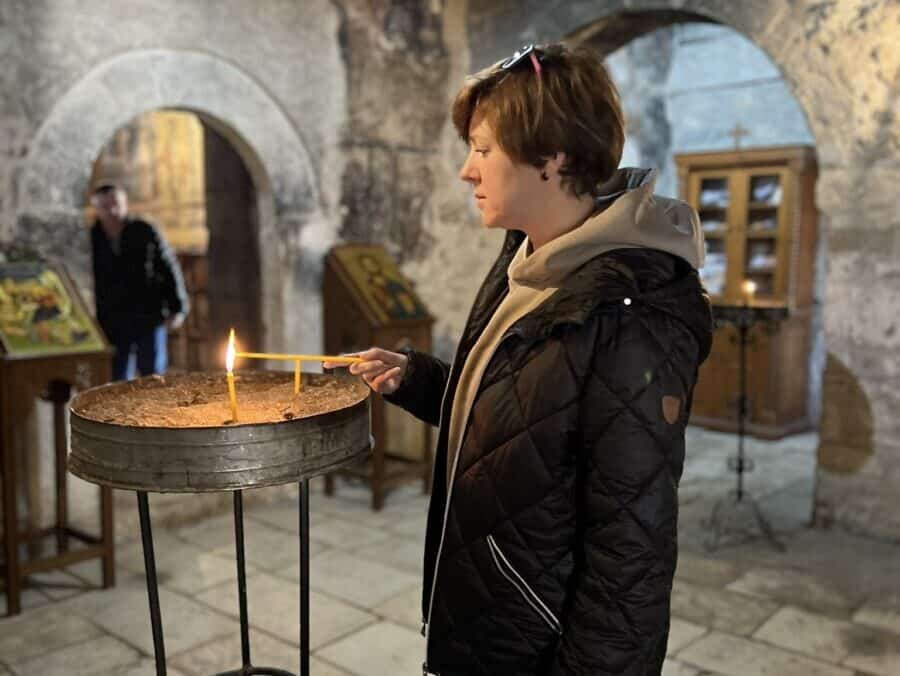
Ardenica Monastery is accessible to the public for a small fee. Opening hours are 8-16 hours. If the gate is closed, there is a phone number for the caretaker posted on the gate. Another option is to knock on the gate. Parking is directly below the monastery. Of course, it is possible to attend one of the regular religious ceremonies.
Mapa
What to see in Albania?
Albania offers many beautiful and interesting places waiting for your discovery. Check out our tips for attractive places in individual regions of Albania. Whether you are drawn to adventure in wild nature, history, or the charm of traditional Albanian villages, you will find many places here that, in our opinion, are worth seeing! Just click on the map to select the area that interests you.
How to enjoy vacation and not overspend
Stay smart
Whether you are planning a trip to Albania or anywhere in the world, you can use the trusted Booking.com for accommodation reservations. You will find a huge selection of cozy private apartments, houses, or hotels. The price range is wide and you will definitely find something.
Fly at reasonable prices
Do you need a flight ticket? Check out the well-known Kiwi or also the lesser-known, but among seasoned travelers very popular Kayak. It's our favorite. It quickly compares offers from all airlines and shows you the most cost-effective flight combinations. You can also set price alerts, so whenever a ticket is at a price that suits you, you'll get a notification.
Internet v mobilu
In the second half of 2026, Albania is promised free European roaming. Until then, you can get data for example with the YESIM application. You will get mobile internet on favorable terms.
Think about the back door
Quality insurance is the foundation of any trip. A trip to Albania is no exception. Insurance covers you in case of illness, injuries and loss of belongings. We ourselves have ended up in a hospital in a foreign country several times. Having good insurance will save you a lot of stress and most importantly money.

