
Lezhe Region
Visitors to this region can explore historical remains, relax on beaches, or enjoy nature. The center of the region is the city of Lezhe, where you will find the mausoleum of Albanian national hero Gjergje Kastrioti Skanderbeg and also the remains of a historically significant castle. For nature lovers, there is the Kune-Vain-Tale nature reserve, which is home to many bird species.
The Patok Lagoon attracts not only biologists. Visitors are also attracted to the sand dune Rana e Hedhun. Villages in the region attract with their authenticity, friendly atmosphere, and excellent local cuisine. You can relax in the nearby seaside resort of Shëngjin, which is constantly improving and expanding services for tourists.
OUR ACCOMMODATION TIPS

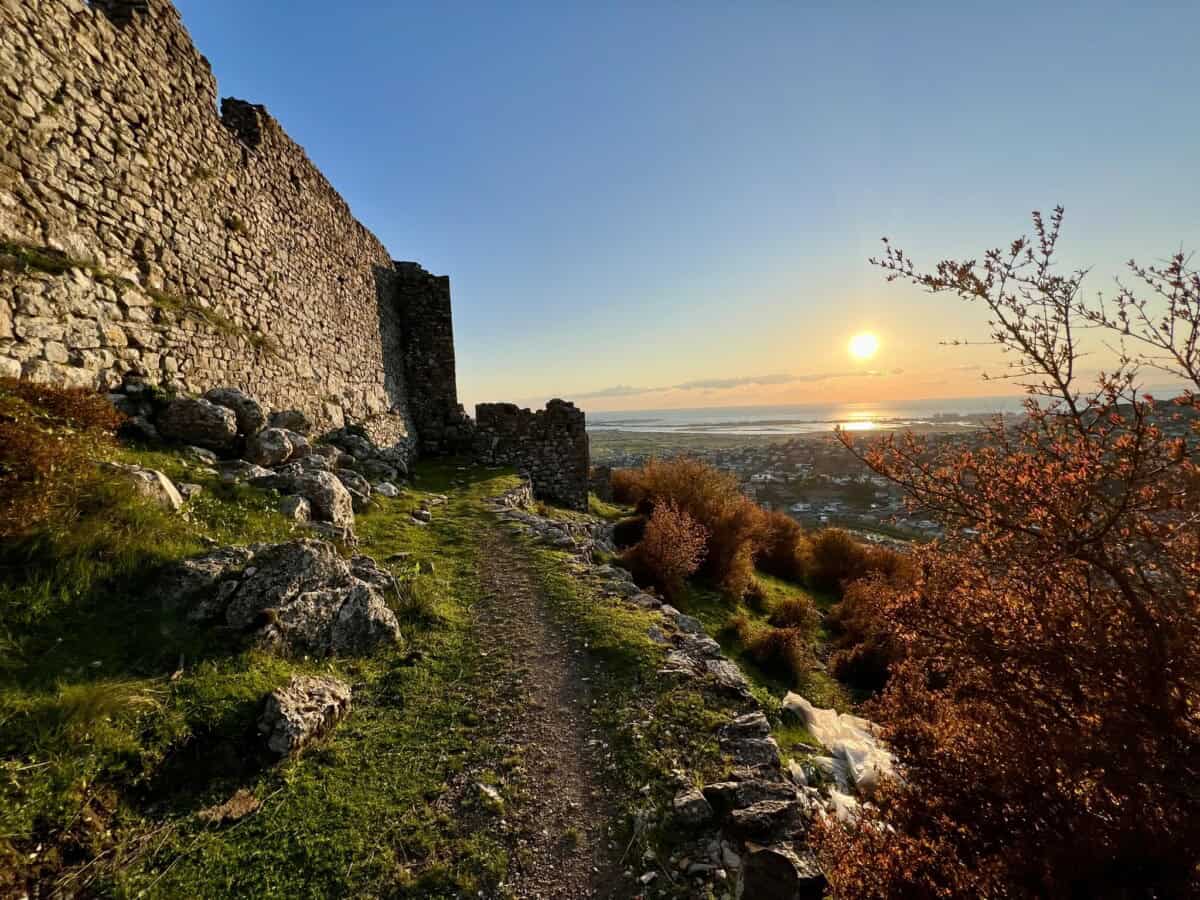
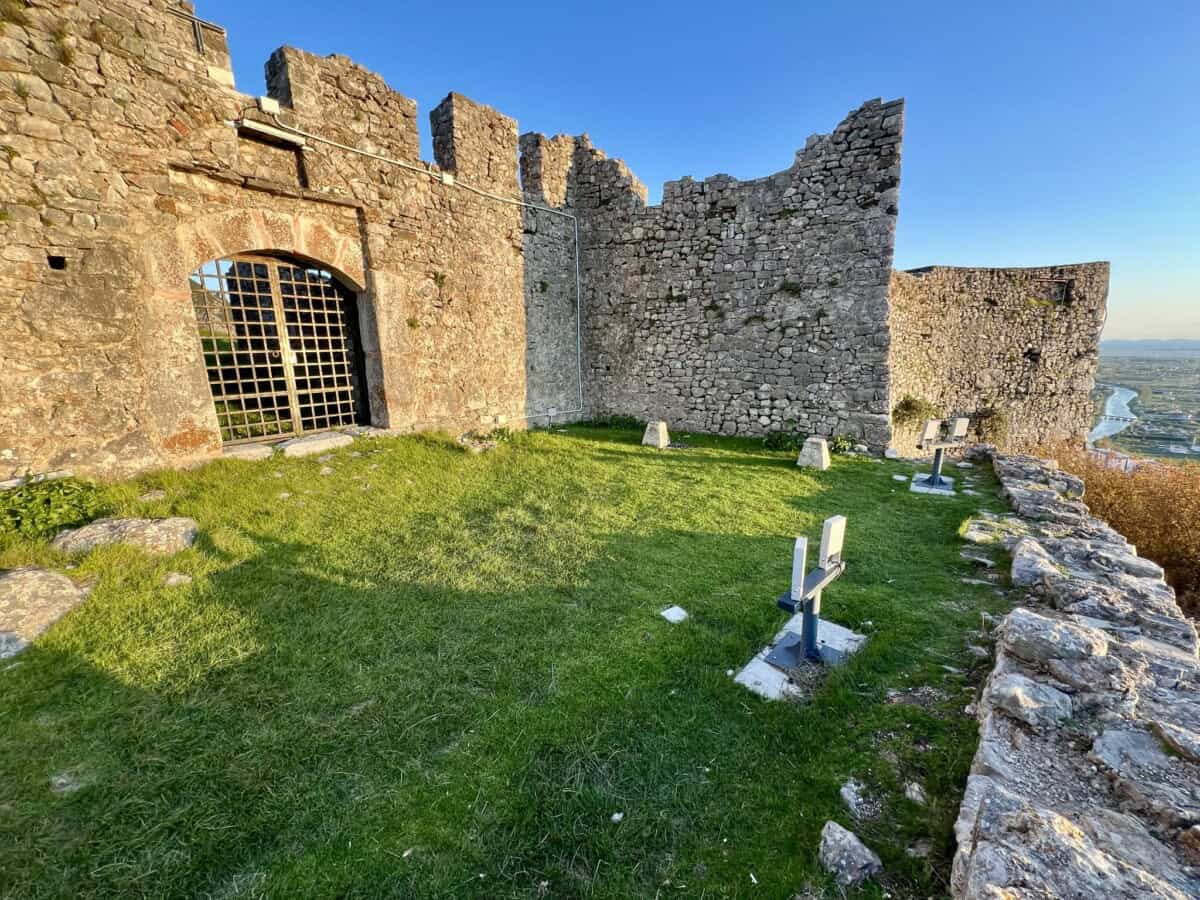
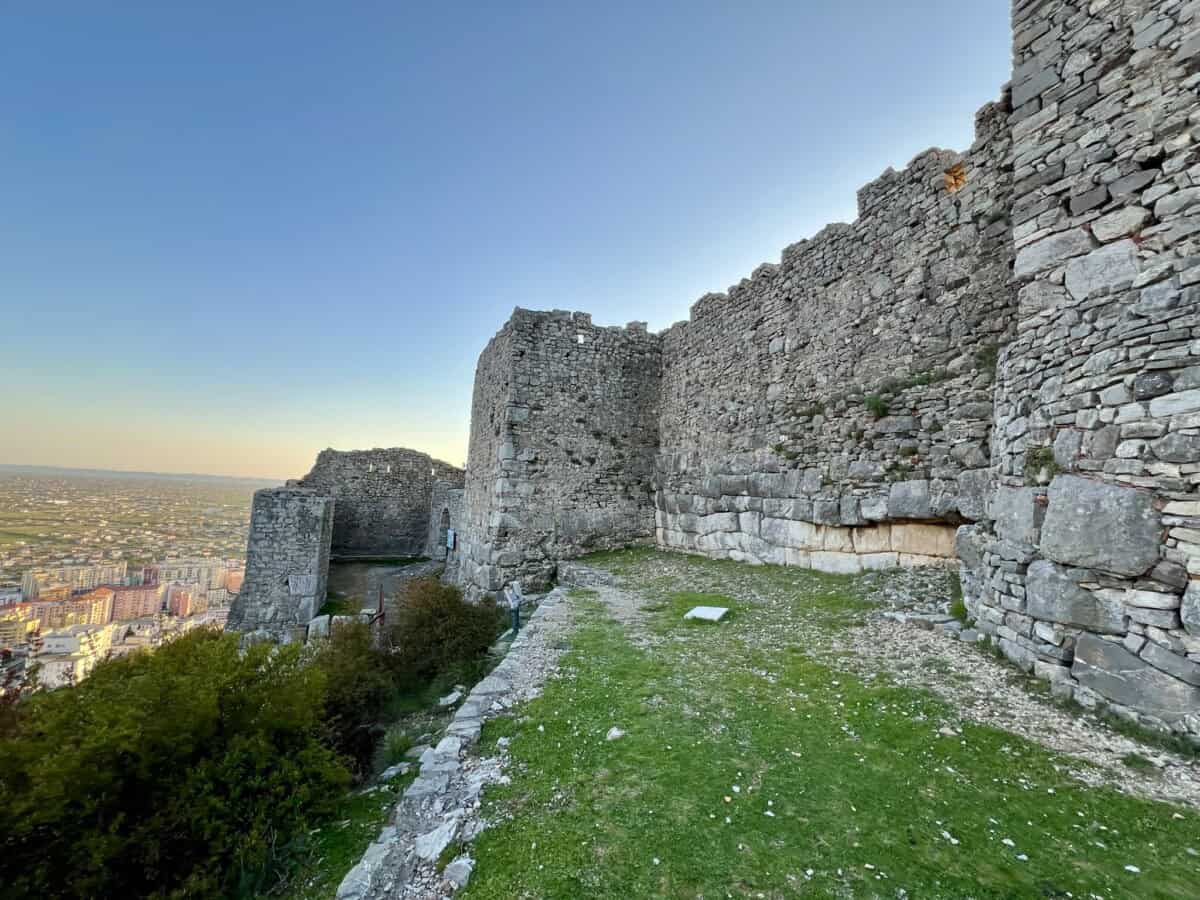

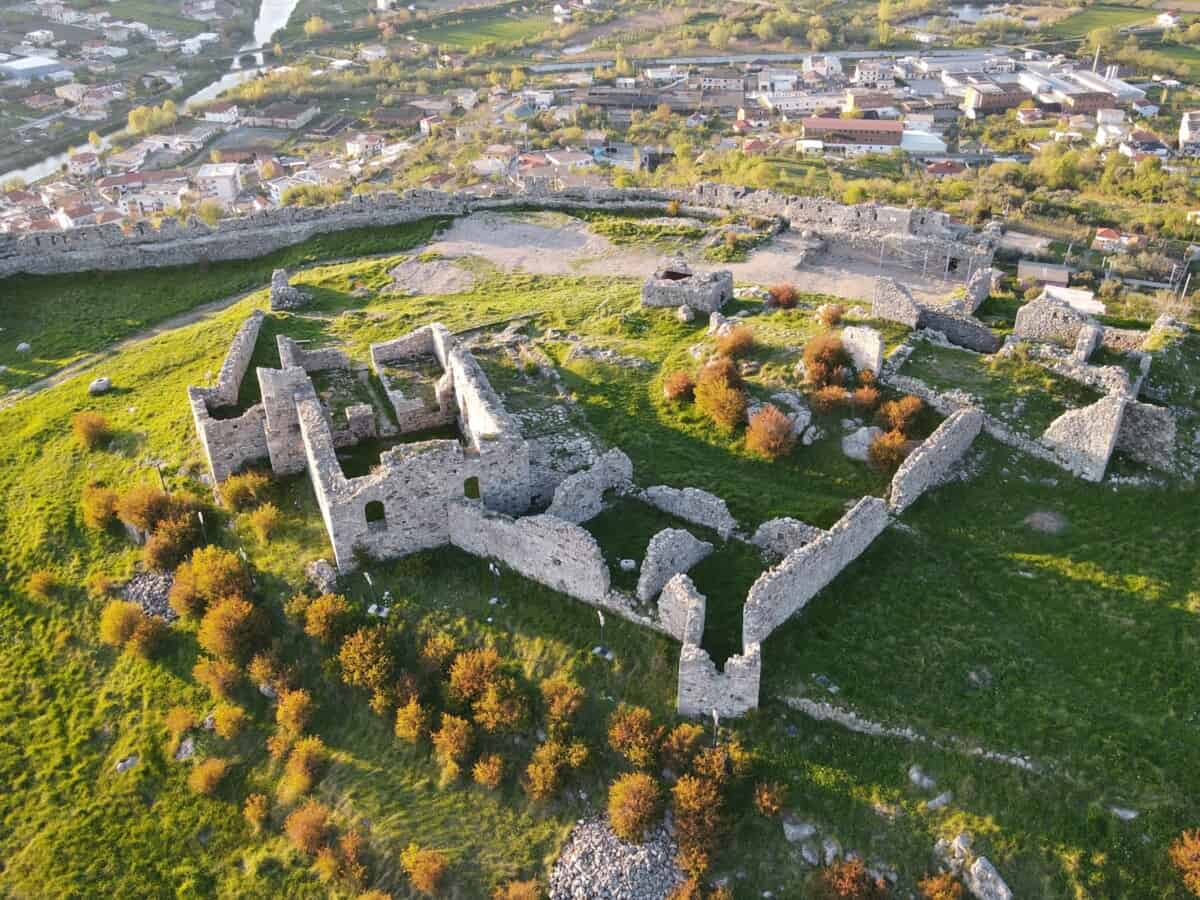
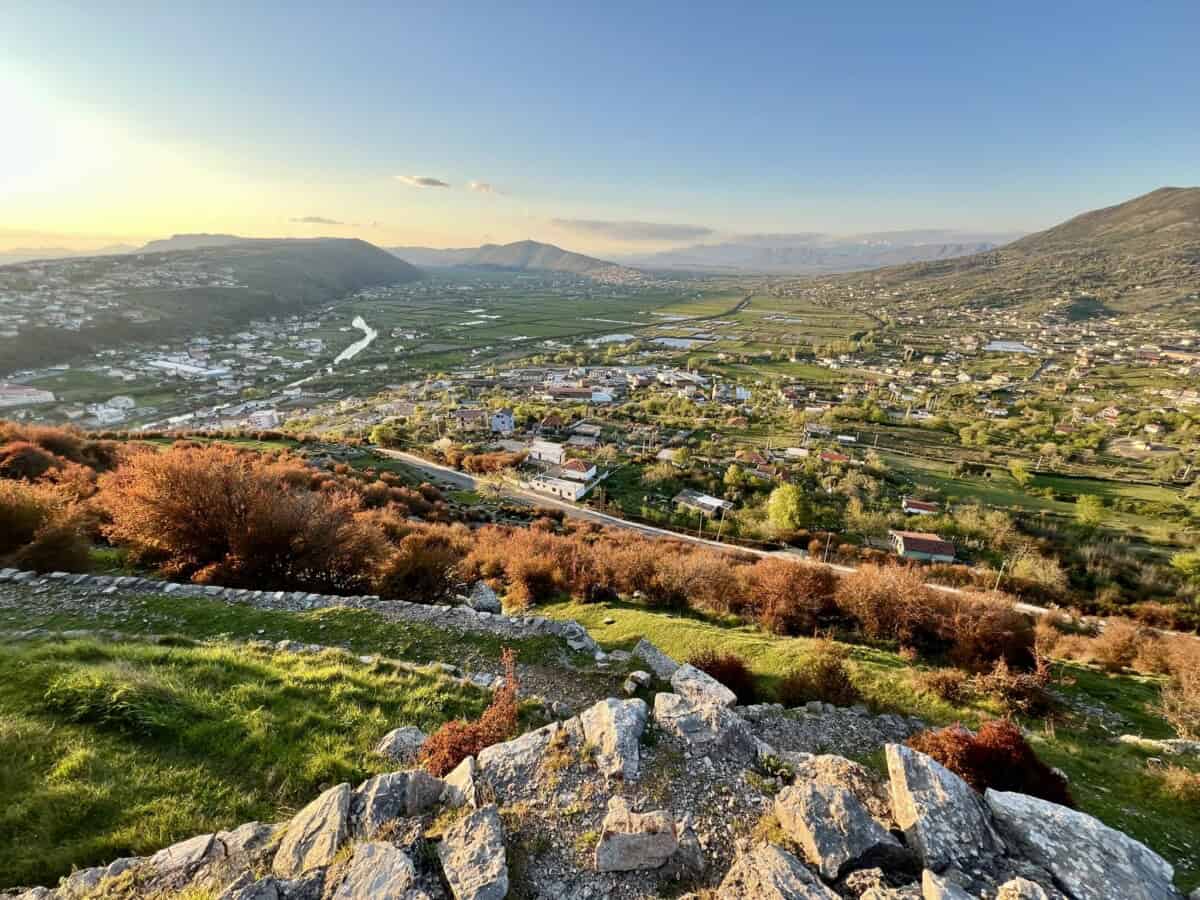

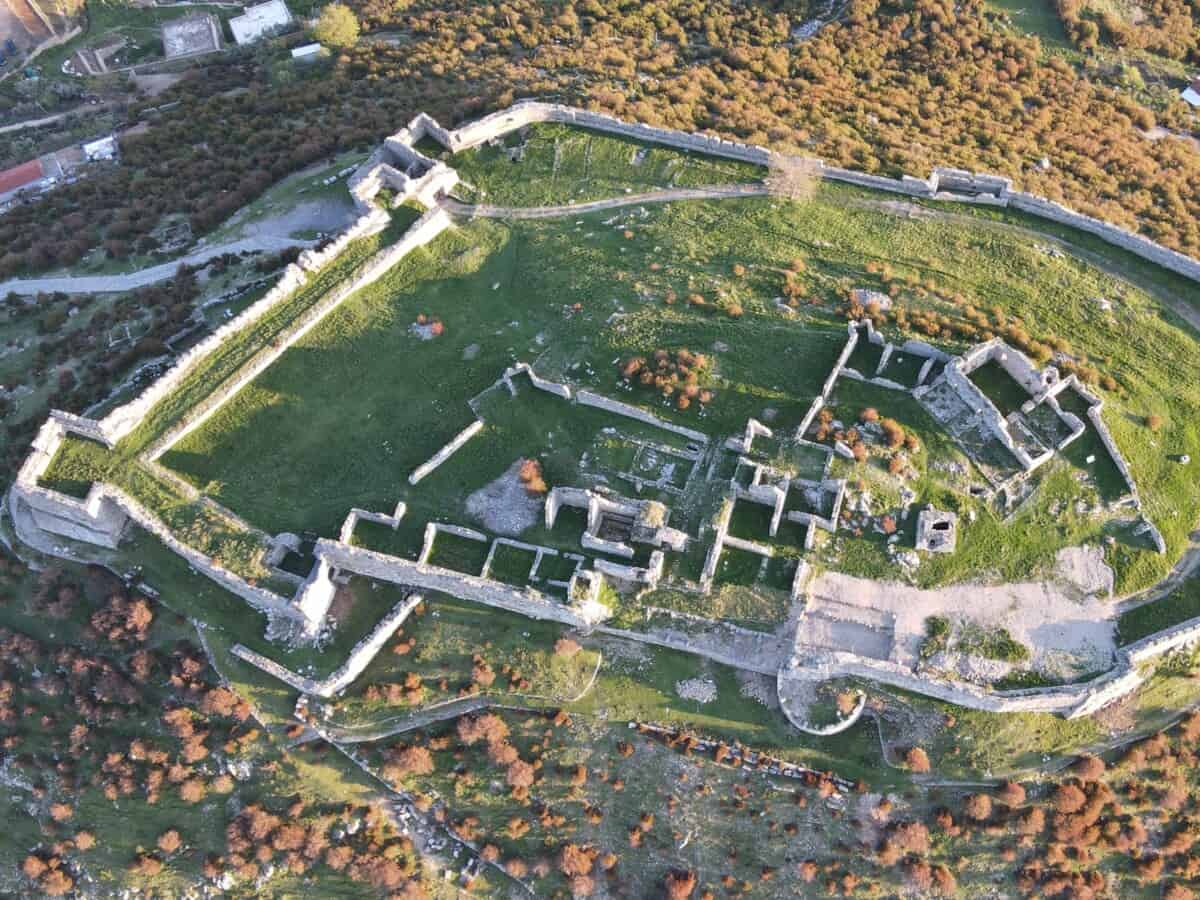


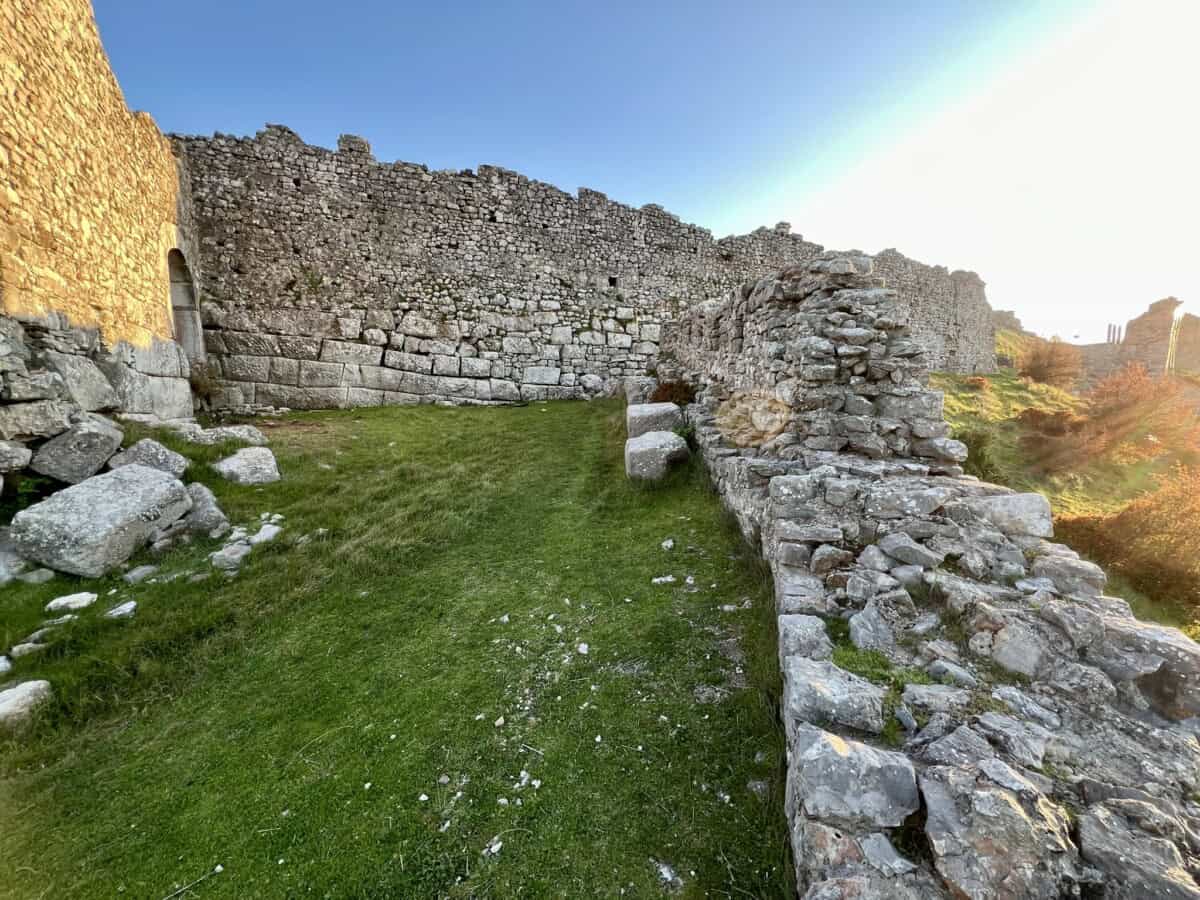
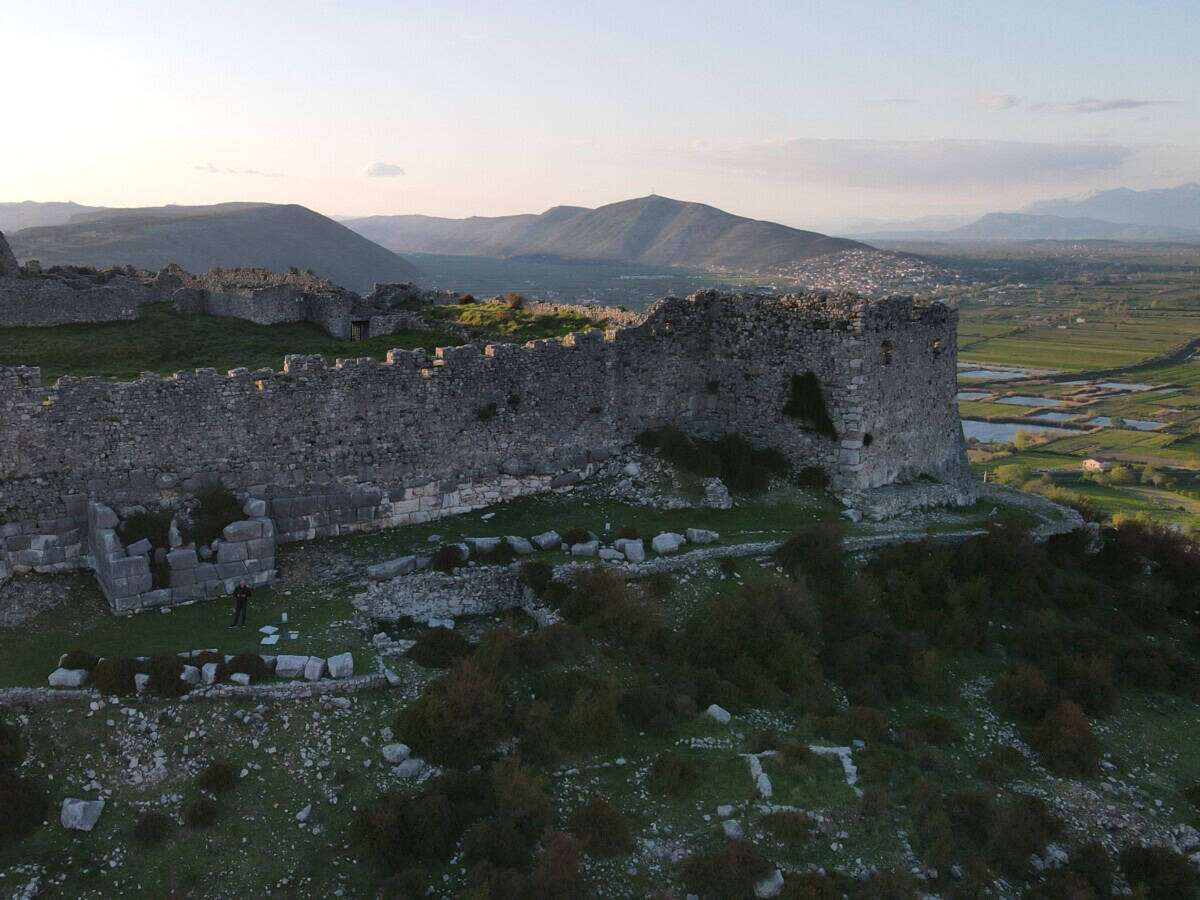


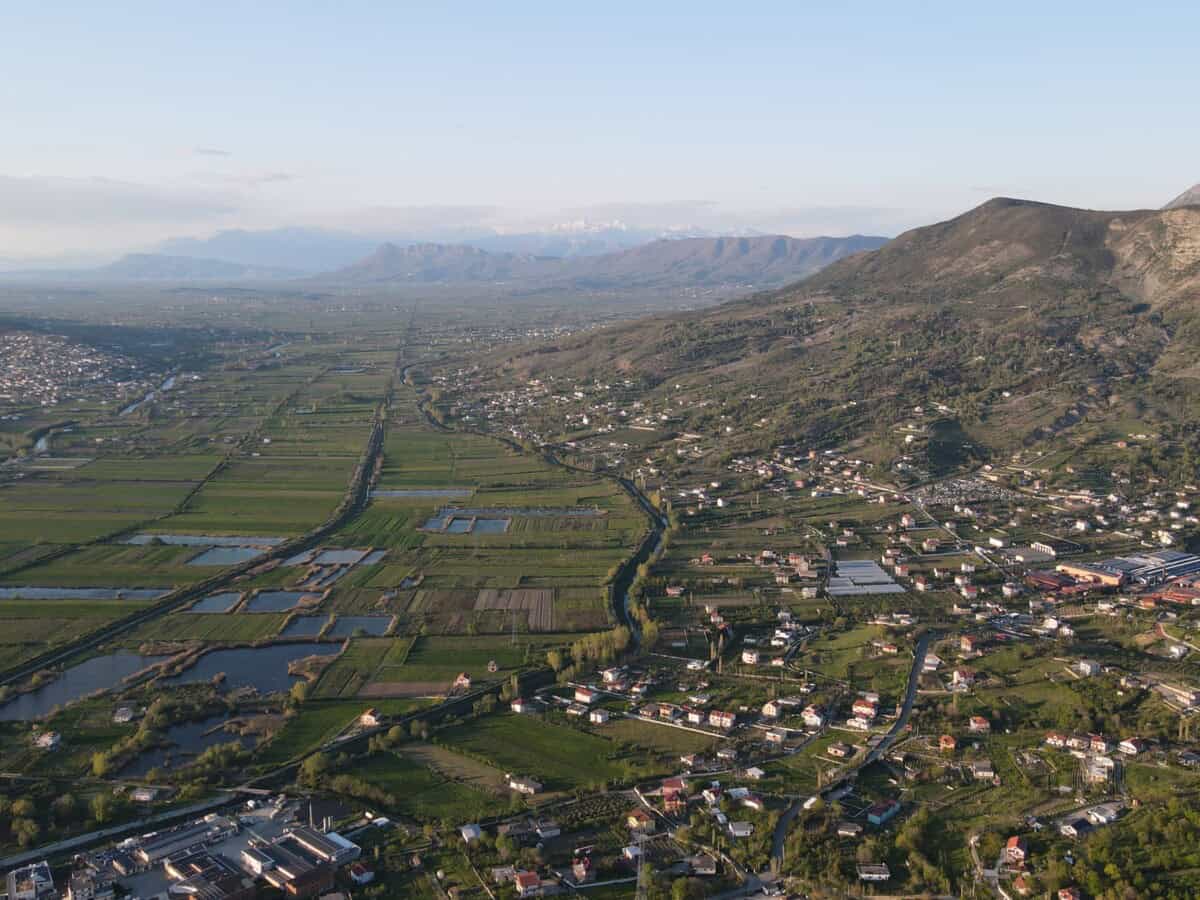
Hrad Lezhë
Více o hradu Lezhë
The castle played an important role in Albanian history, especially as the place where the League of Lezhe was created in 1444. This alliance, created by 28 Albanian princes under the leadership of Gjergje Kastrioti Skanderbeg, aimed to resist Ottoman invasions and remains a symbol of unity and common resistance against the enemy. At the assembly in Lezhe were present members from noble families who were connected to Kastrioti through matrilineal descent or marriage. Members contributed to the league with men and money while maintaining control over the internal affairs of their domains.
By 1468, Skanderbeg’s army of tens of thousands managed to resist the Ottomans. Albanians received financial support from Venice and from the Hungarian and Neapolitan kings. Both had an interest in stopping Turkish expansion. After Skanderbeg’s death in 1468, the League of Lezhe began to fall apart. The Ottomans exploited the weakening resistance in the following years and the entire area of Albanian settlement was incorporated into the Ottoman Empire until 1912.
Praktické
The castle is accessible on foot or by car and represents an ideal destination for history lovers and photography enthusiasts. Parking is HERE. A visit to the castle is ideally combined with a visit to Skanderbeg’s mausoleum, which is located below the castle in the city of Lezhë. In the immediate vicinity is a parking lot.
Mapa
Mauzoleum Skanderbega
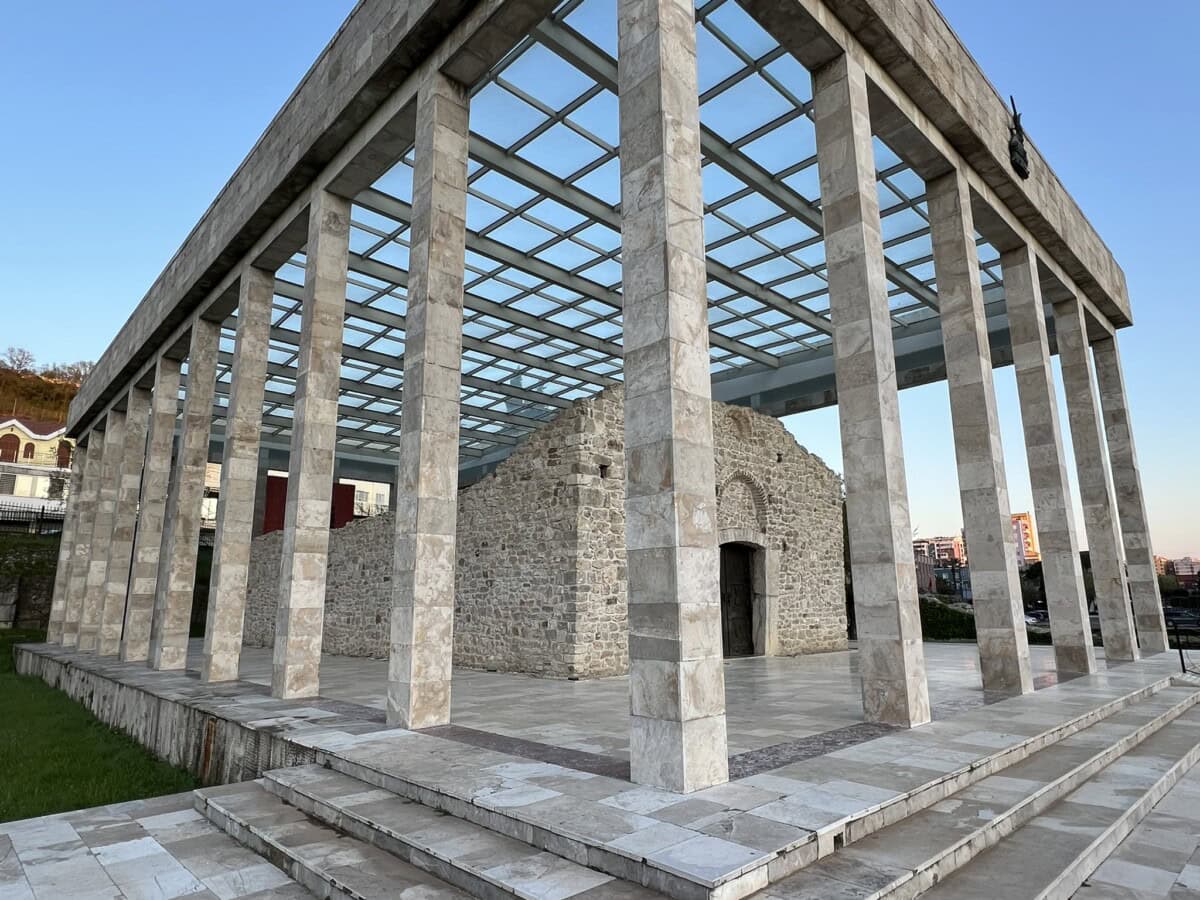
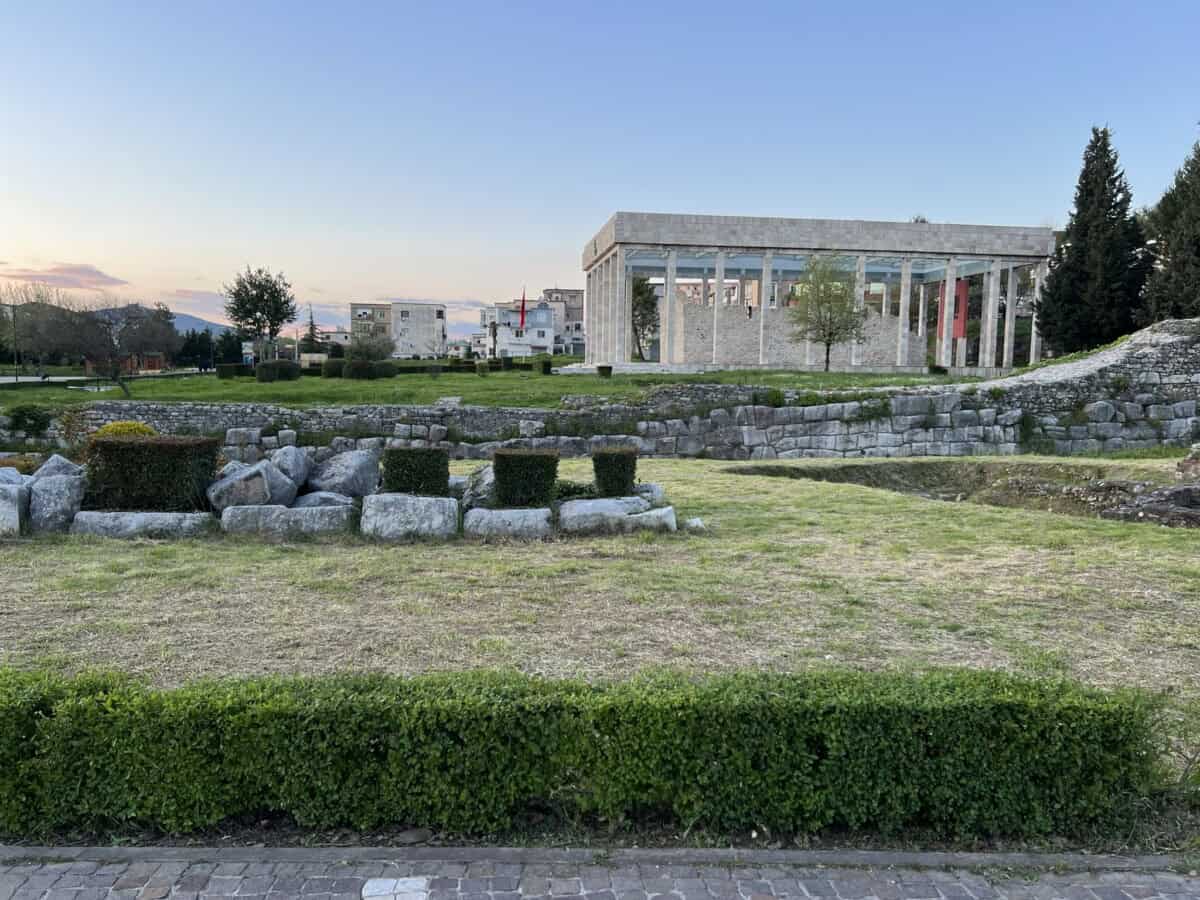
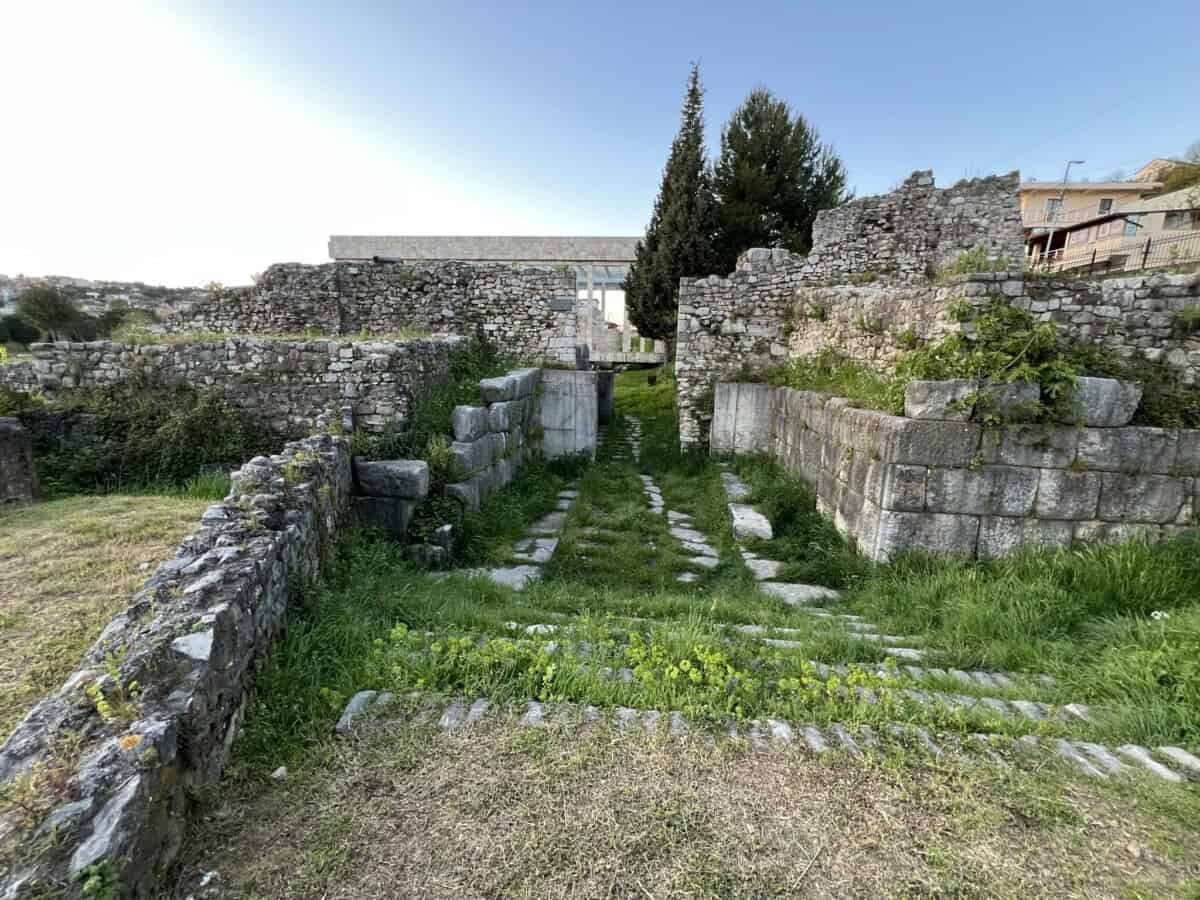
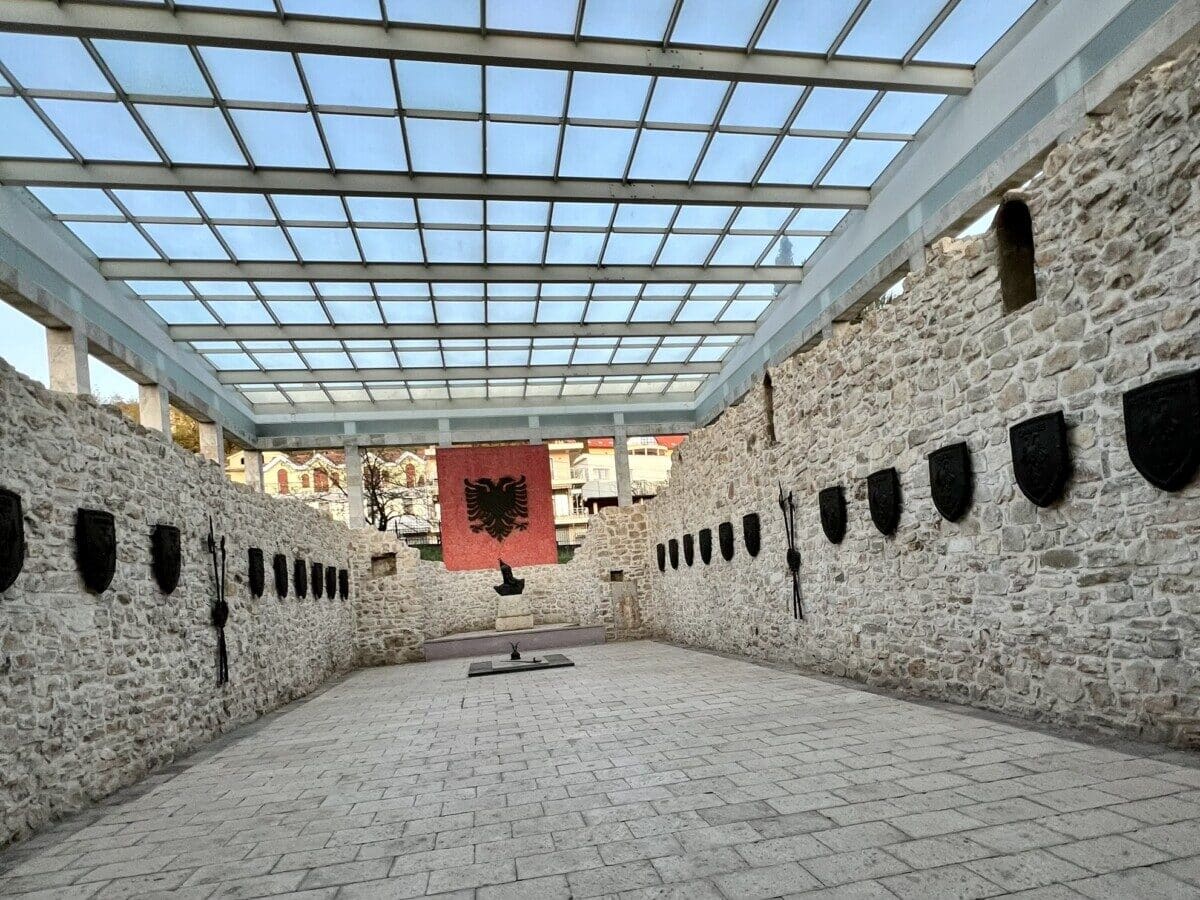
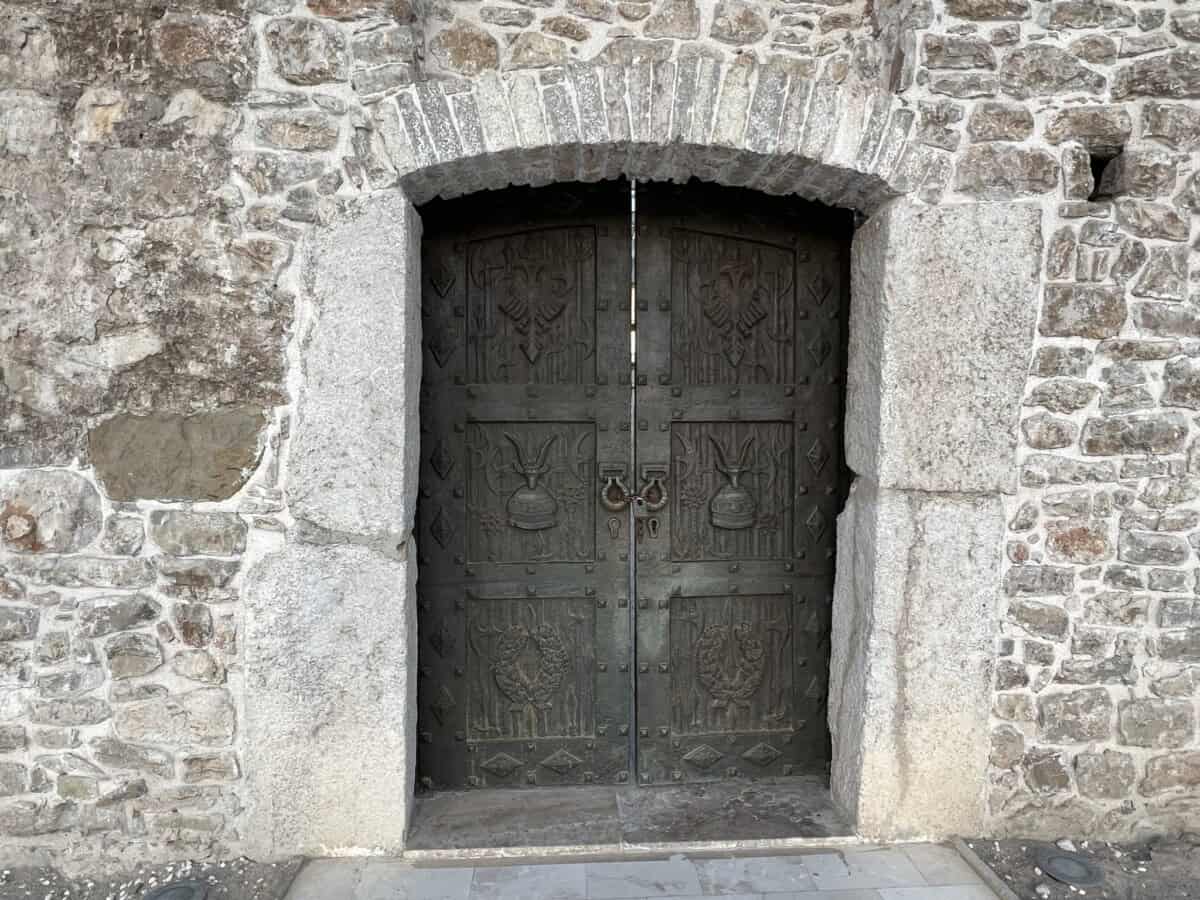
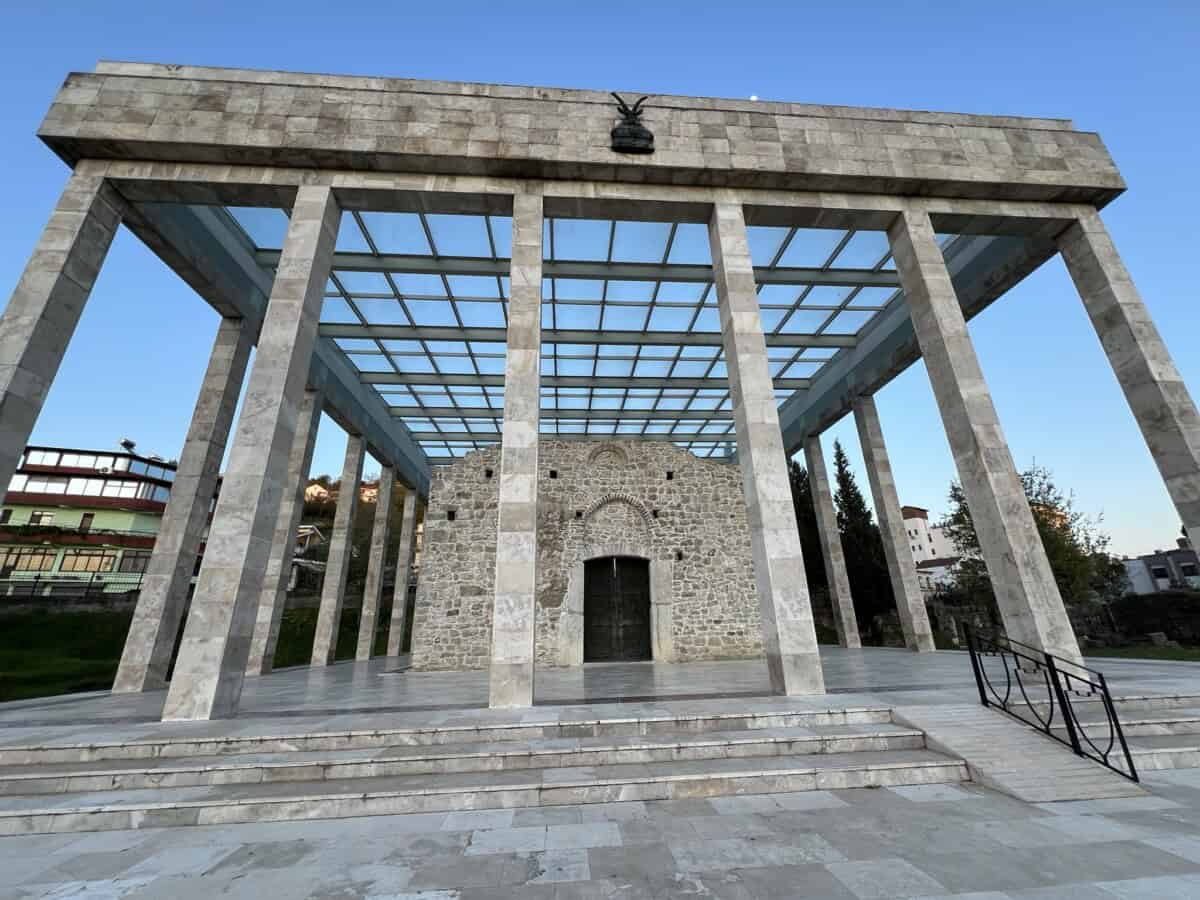
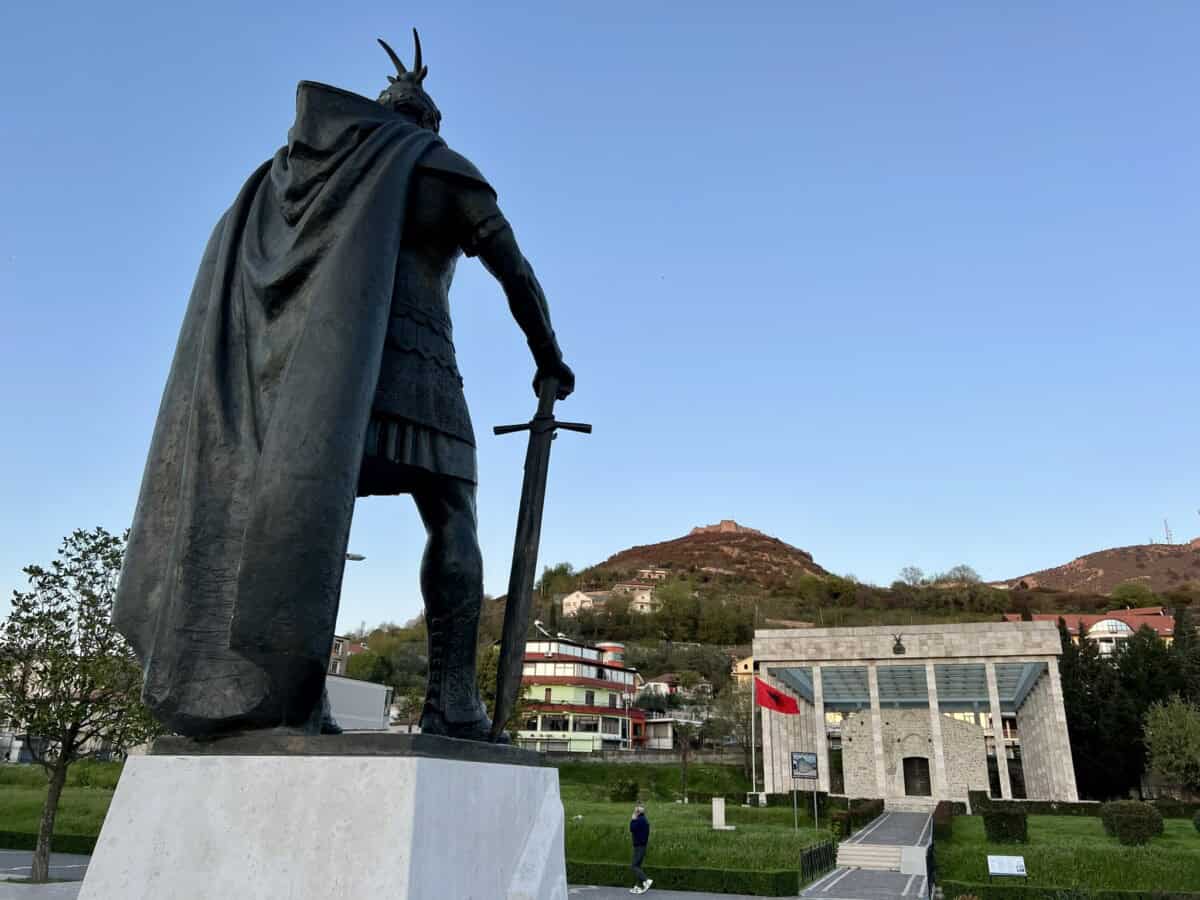
The Skanderbeg Mausoleum (Alb. Vendvarrimi i Skënderbeut)is a significant historical monument. It is located in the center of Lezhe and stands on the site where Albanian national hero Gjergj Kastrioti Skanderbeg was buried in 1468. The mausoleum was built in the ruins of the former Church of St. Nicholas, which underscores the historical importance of this place. The mausoleum, opened in 1981, commemorates his life and legacy.
In the interior is Skanderbeg’s symbolic tomb, fragments of a medieval church, replicas of the hero’s weapons, and other artifacts from his era. Visitors can gain deeper insight into the history of Albania and also immerse themselves in the atmosphere of a place that embodies an important part of Albanian identity. The mausoleum is easily accessible from the center of Lezhe and its visit is an integral part of exploring this region.
Více o mauzoleu
Legend has it that when the Ottomans conquered the city of Lezhe after Skanderbeg’s death (1478), soldiers opened his tomb and scattered his bones as amulets. They believed they would bring them strength and invincibility. Given that the Ottoman Empire lasted until 1912, it is possible that Skanderbeg’s bones eventually did give the Ottomans some strength.
Praktické
In the immediate vicinity of the mausoleum is a municipal parking lot HERE. From here it is also possible to take a pleasant walk to the remains of Lezhë castle, which is on a hill above the city. It is definitely worth taking a walk along the Drin river embankment and having a good lunch or dinner for example HERE with a view of the local Orthodox church Metamorfoza e Shpëtimtarit. If Lezhë is your stop on the way north, it is worth heading from Lezhë to Shengjin and HERE joining the new coastal road with beautiful views of the sea surface. This bypass will take you to the beaches in Velipojë. The new, approximately 40-kilometer, section was opened in 2025.
Mapa



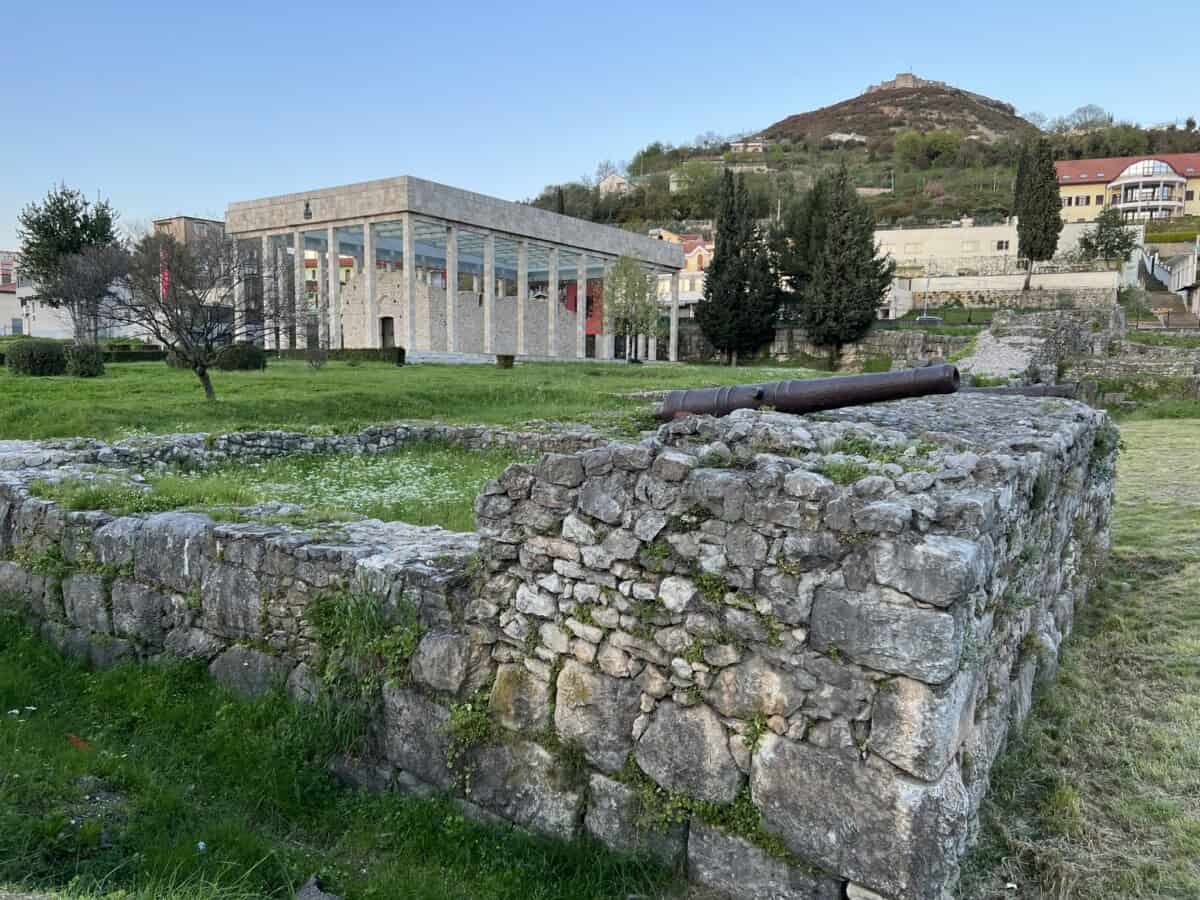


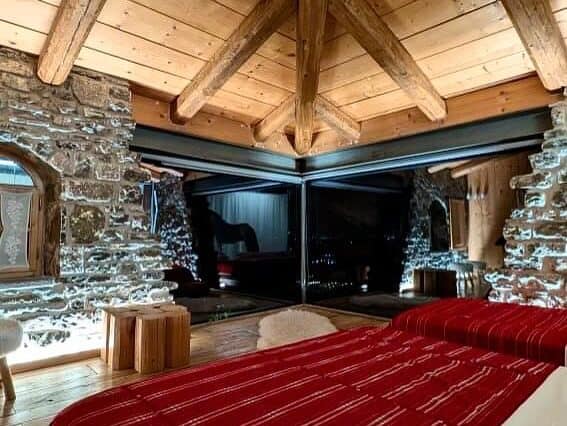
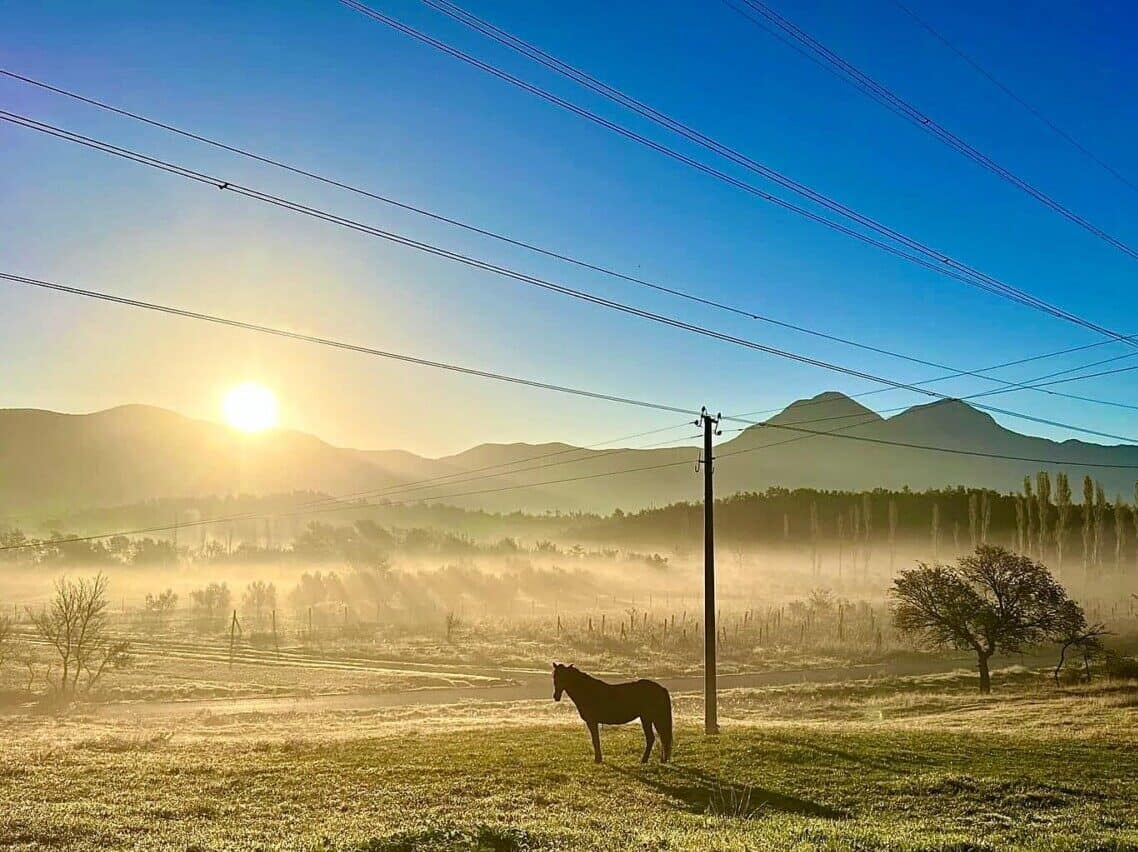
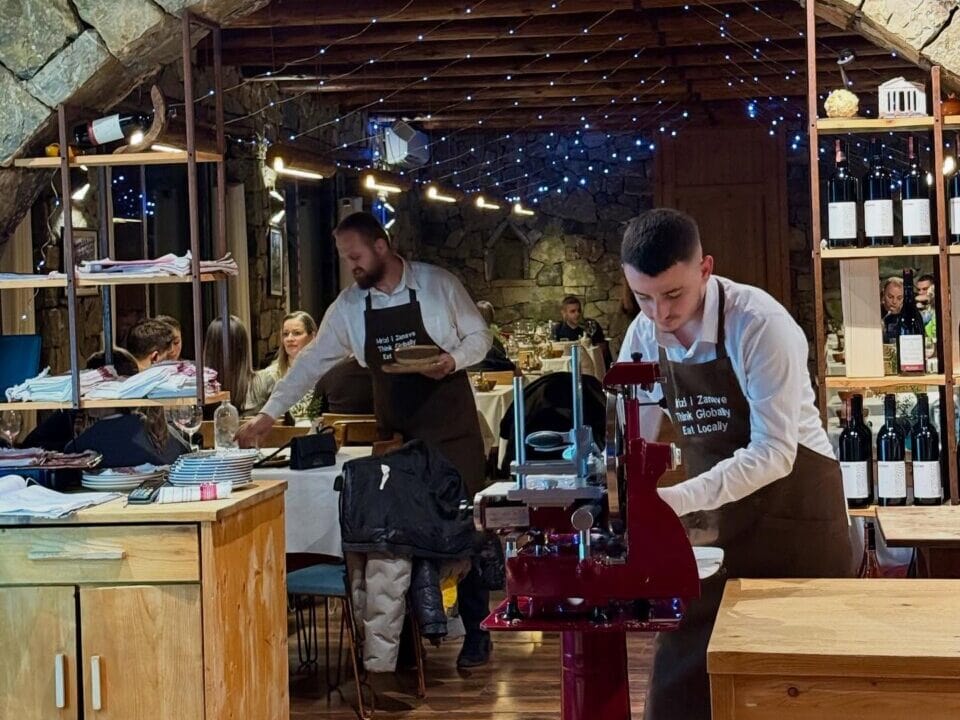
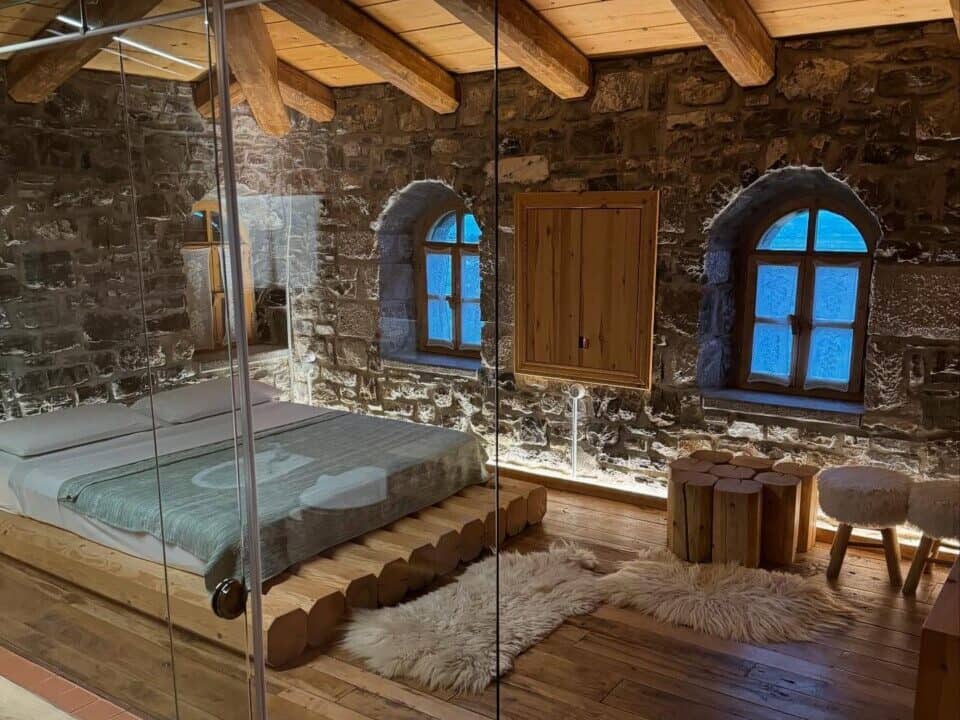
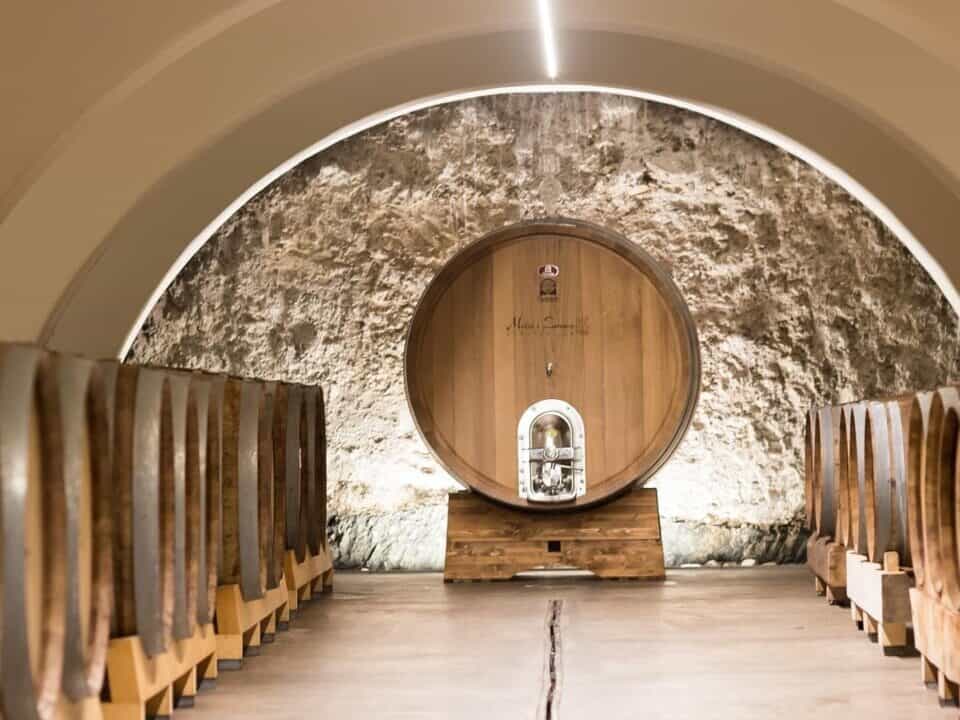

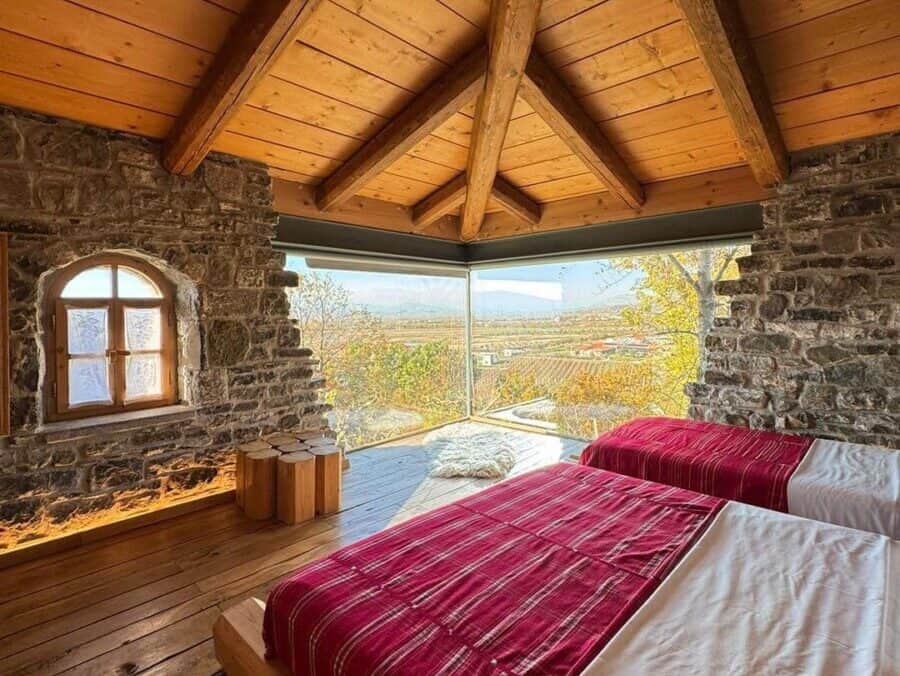


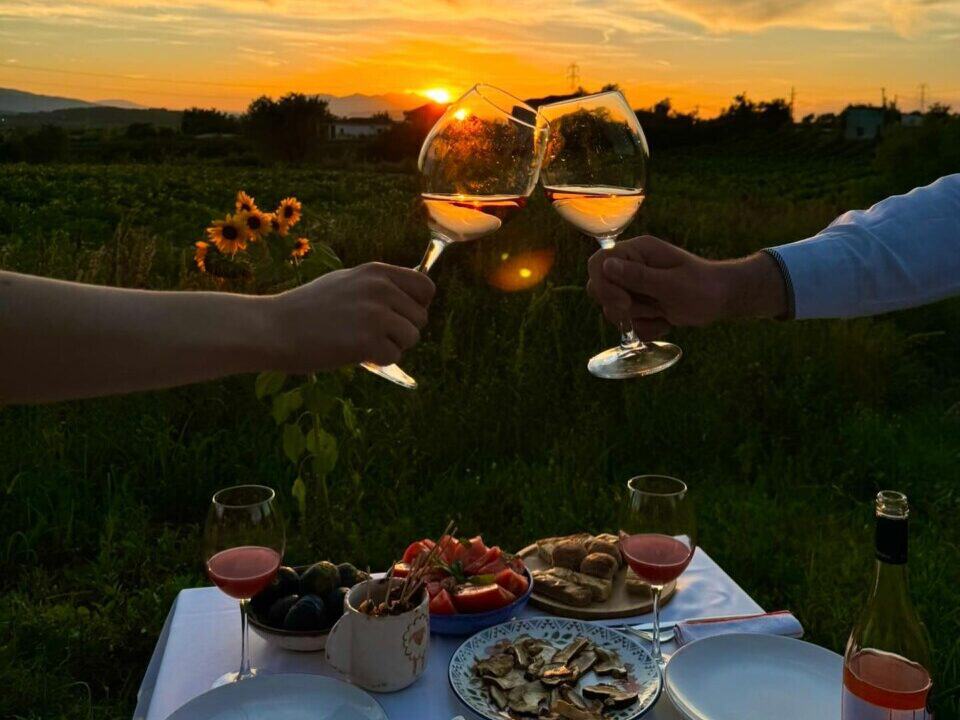
Ekofarma Mrizi i Zanave
Více o farmě
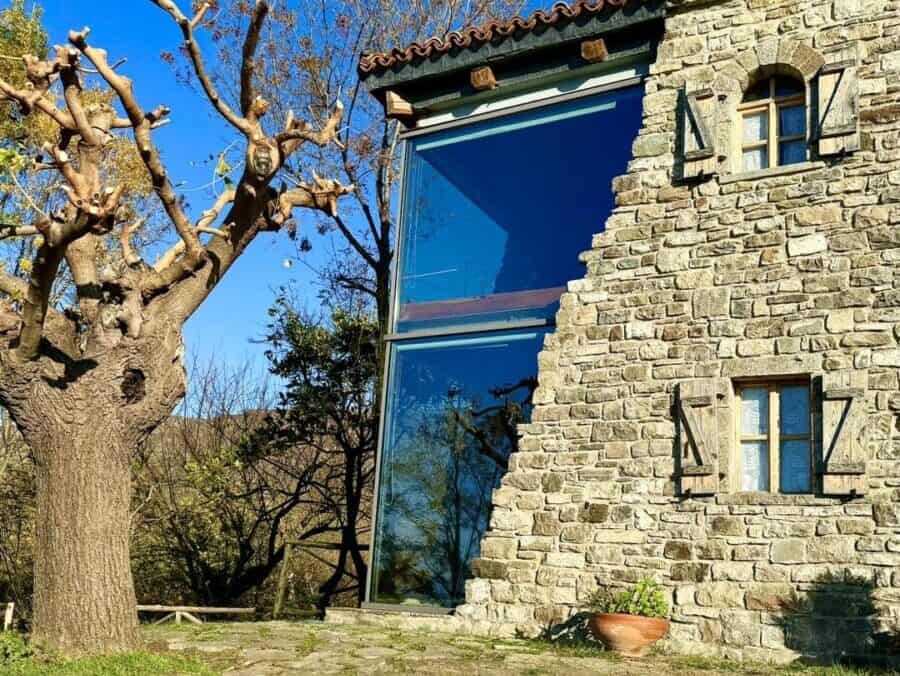
Mrizi i Zanave is one of the most inspiring success stories of Albanian gastronomy and agritourism. In 2025, it celebrated 14 years since its founding. In a social media post, the founders recall how, with 25 thousand euros in savings and a loan obtained under the pretext of buying a tractor, the foundations of the entire project were laid. The merciful lie about buying a tractor was necessary because at that time banks did not provide loans for investments in the countryside.
Mrizi i Zanavë is today a symbol of wise rural development. “With many dreams and sweat on our faces, we are here,” the farm owners reflect on the long journey and challenges overcome.
Praktické
Mapa
Sand dune Rana e Hedhun
Více o Rana e Hedhuh
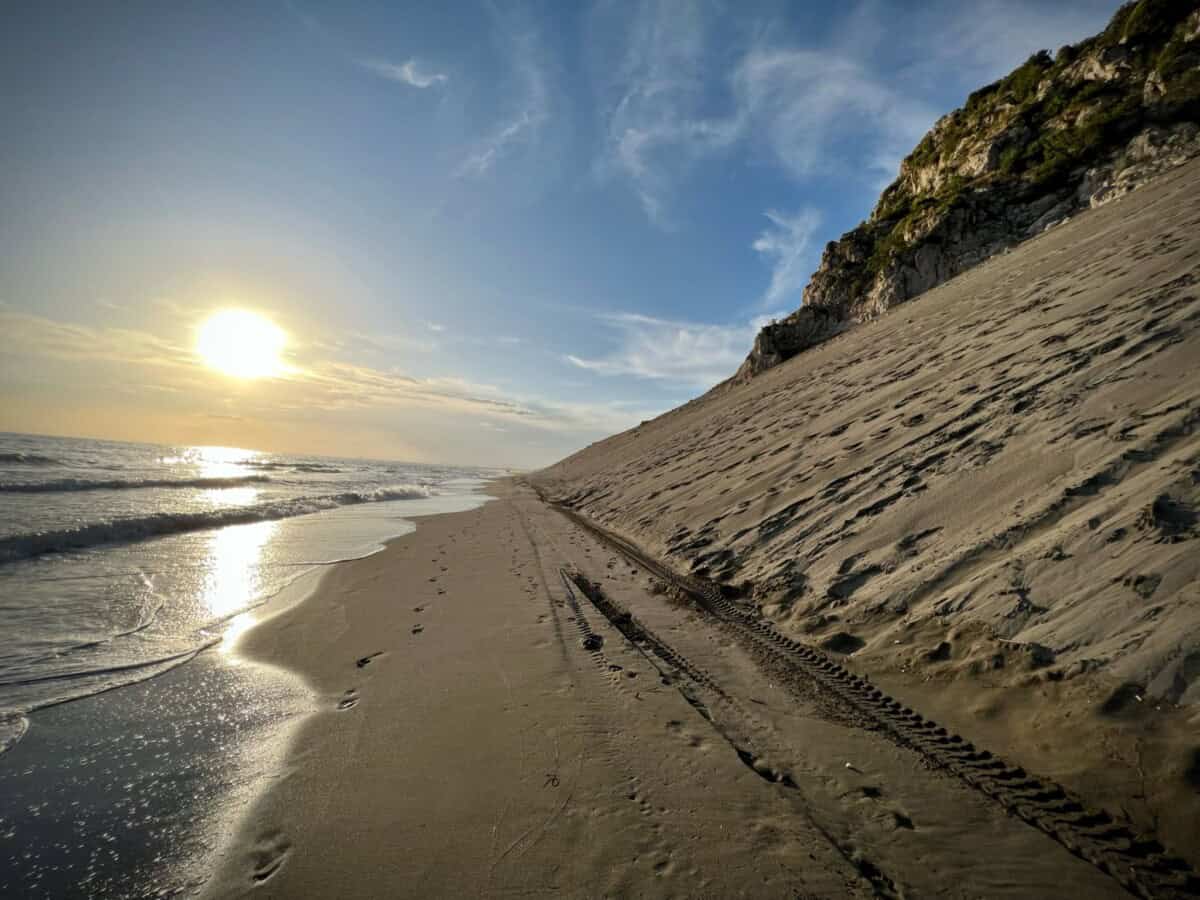
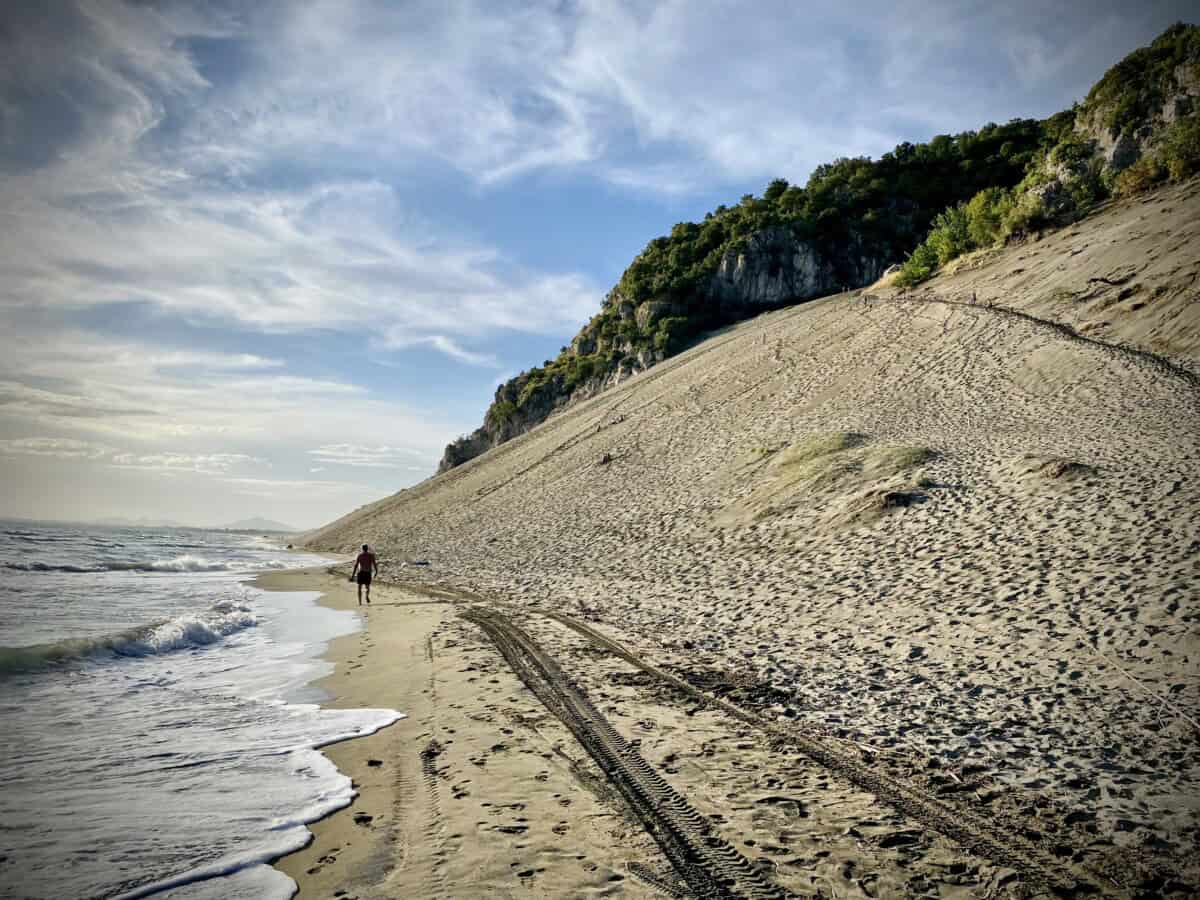
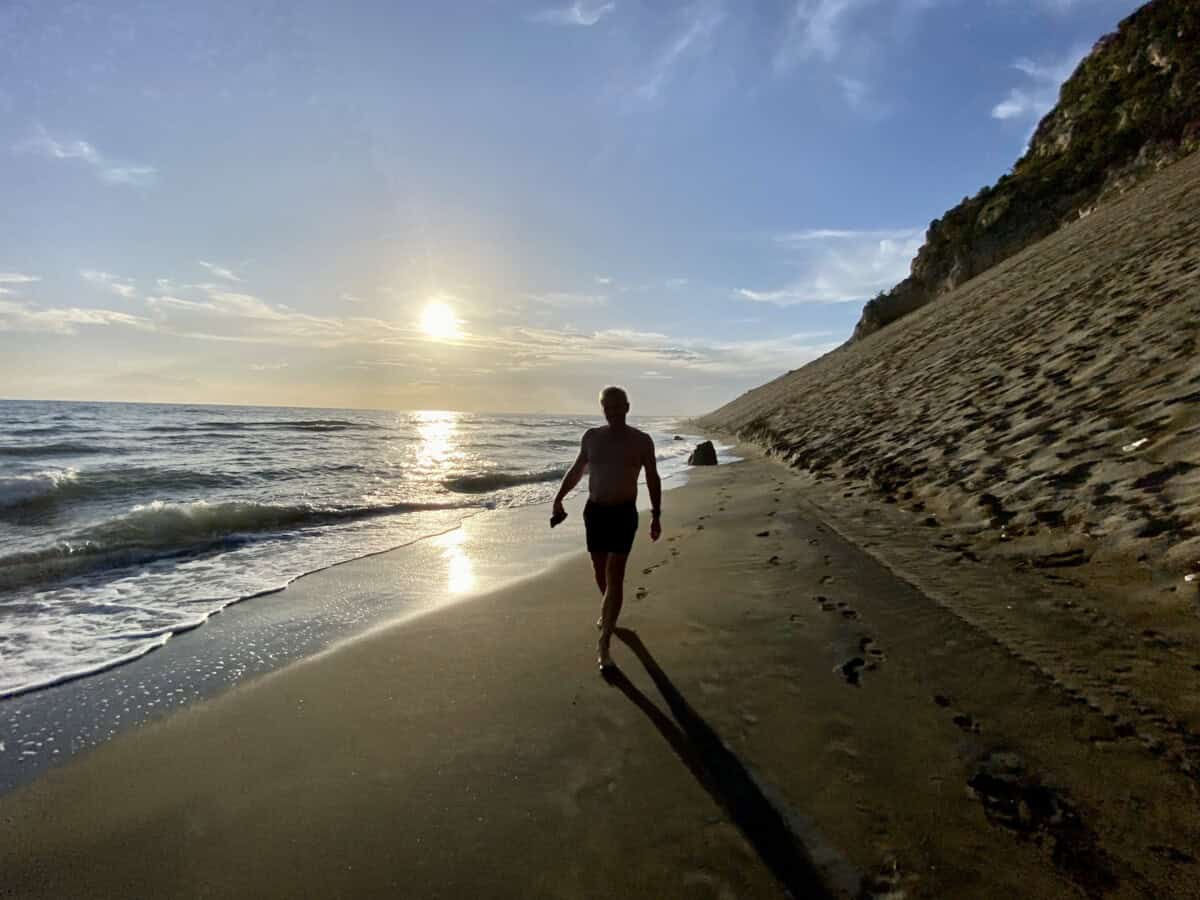
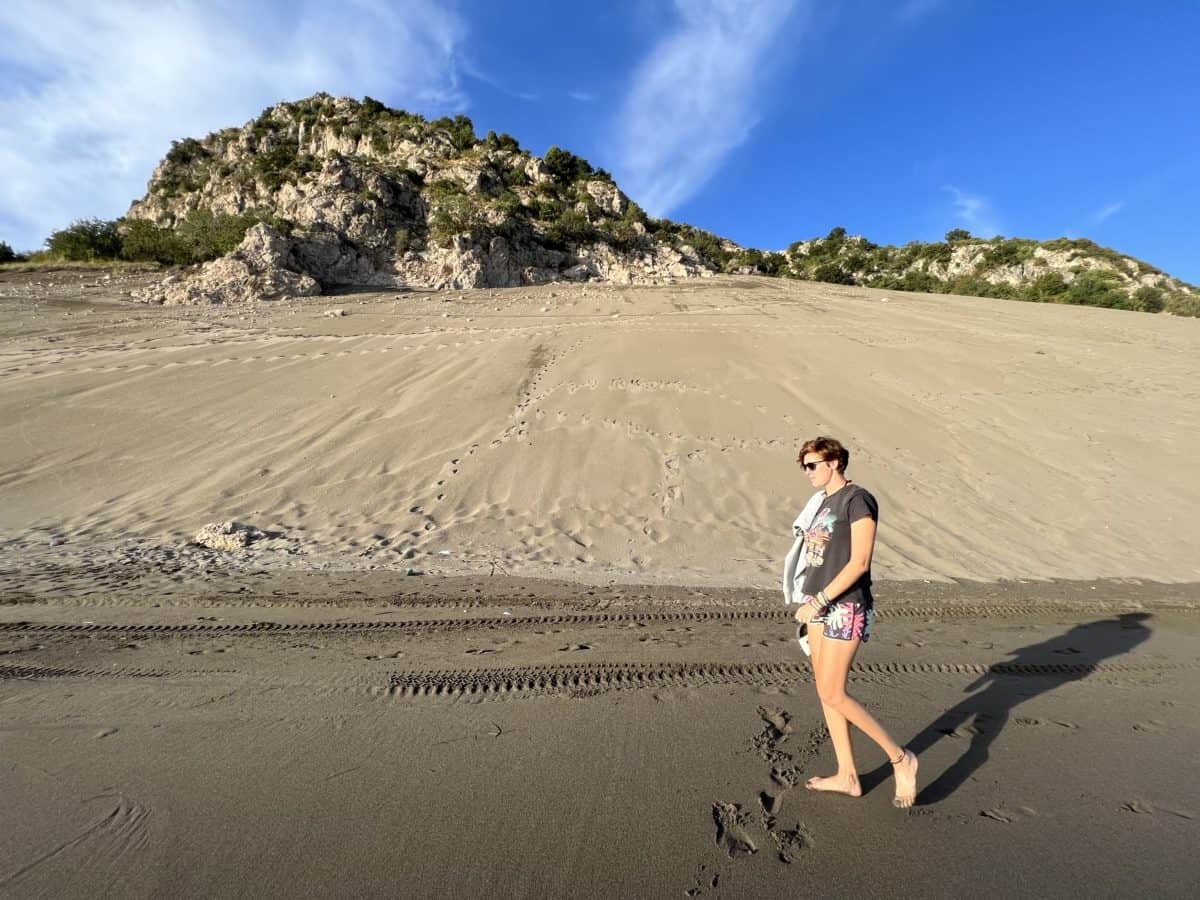
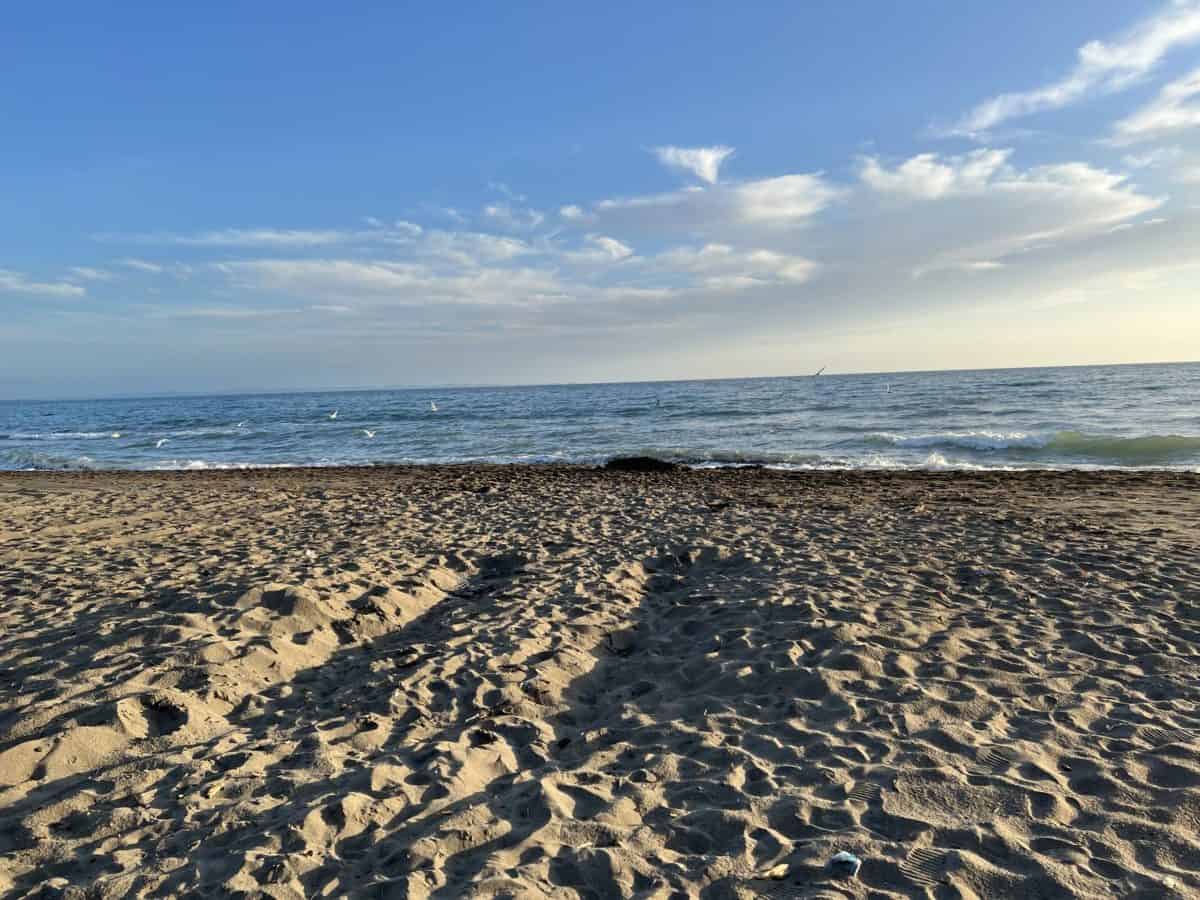
After World War II, Albania became a communist and dictatorial country. Rana e Hedhun was one of the parts of the coast that could not be entered even for swimming. It was designated as a military zone. After the fall of the dictatorship in 1991, the coast was returned to the public.
The immediate vicinity of the dune is not yet urbanized, however, new hotels and resorts are under construction nearby. How far in front of the dune the construction will stop remains a big question.
Praktické
A common adrenaline attraction is trying to get as close as possible to the dune by car on the sandy beach. However, if you don’t have a 4×4 vehicle, it’s better not to try it. In the vicinity of the dune, there are indeed Albanians ready with tractors or powerful off-roads who will happily pull you out of the sand for a fee, but it’s still better to park your car behind the last beach resort HERE and walk those few hundred meters.
Mapa

Laguna Patok
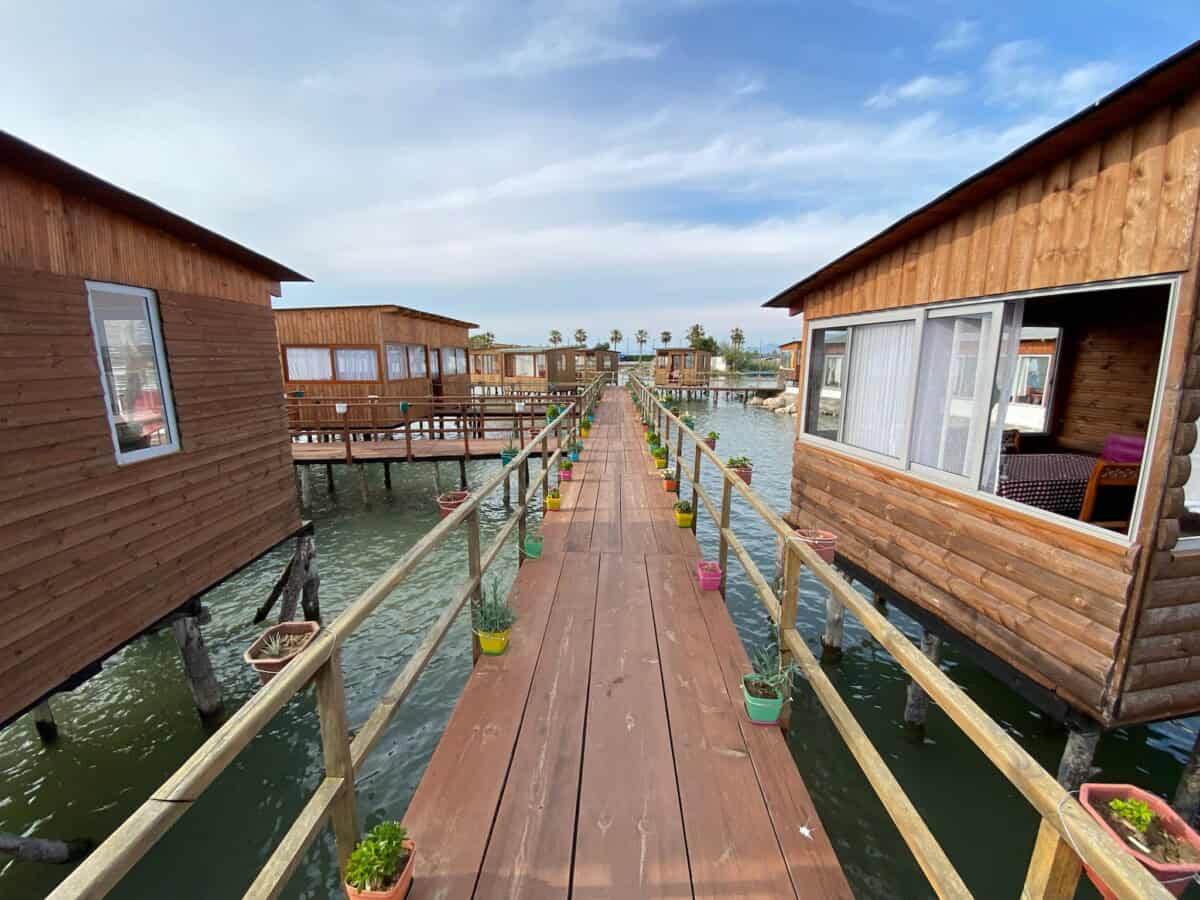
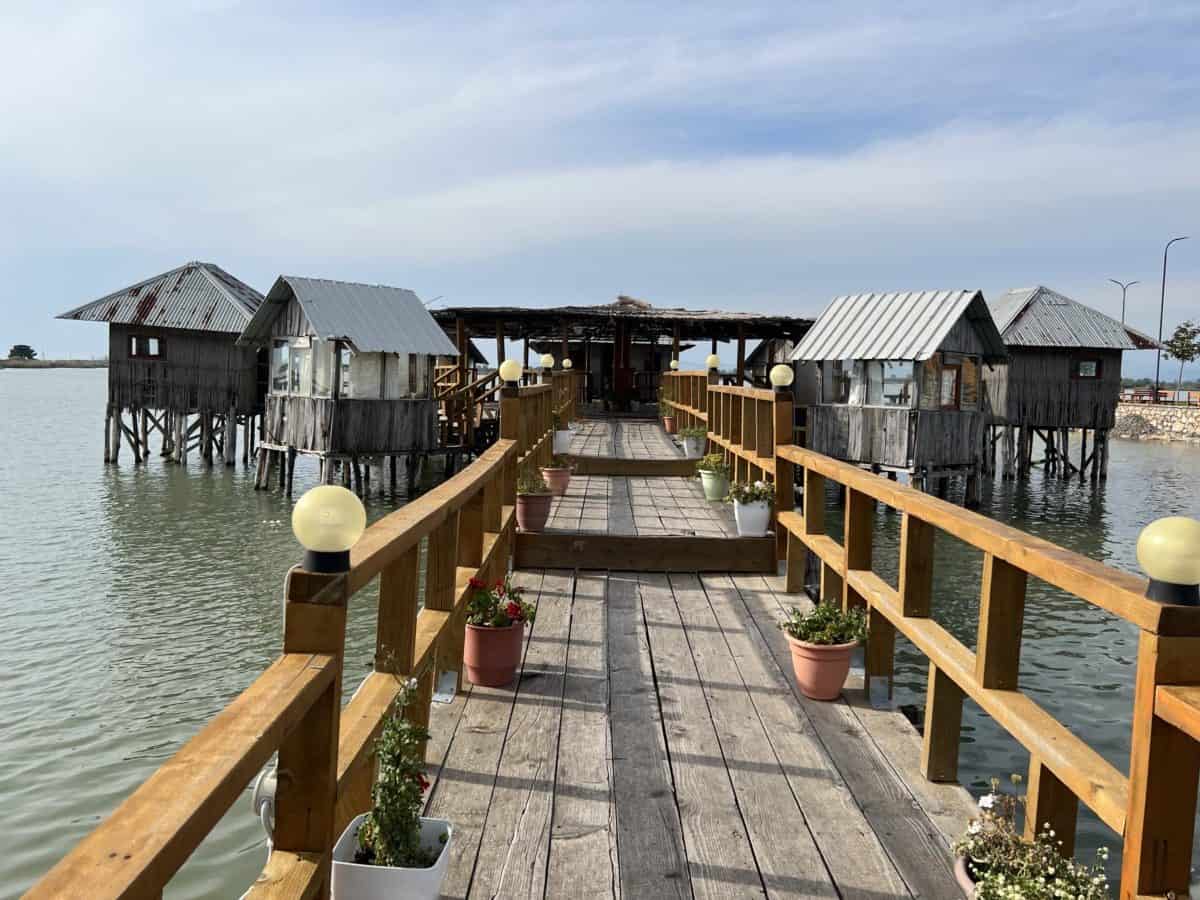
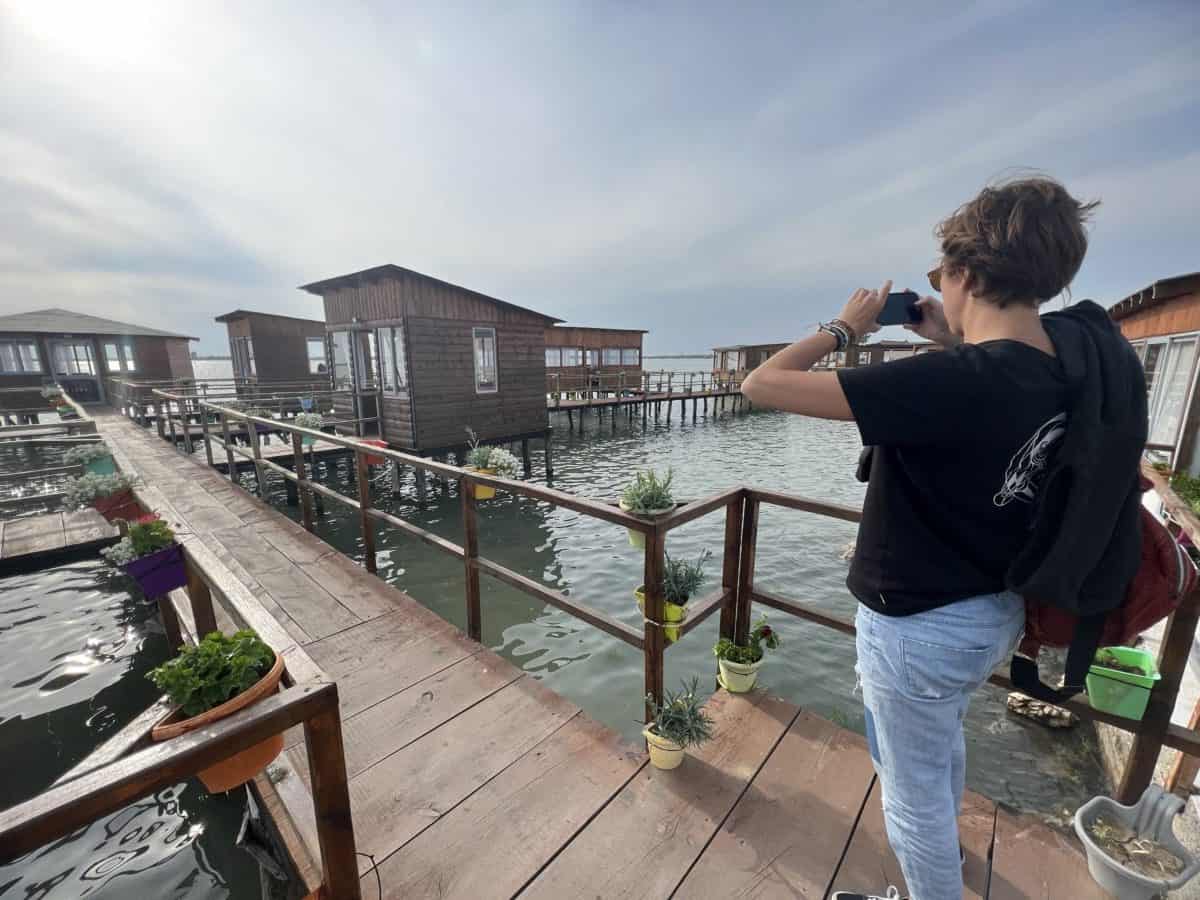
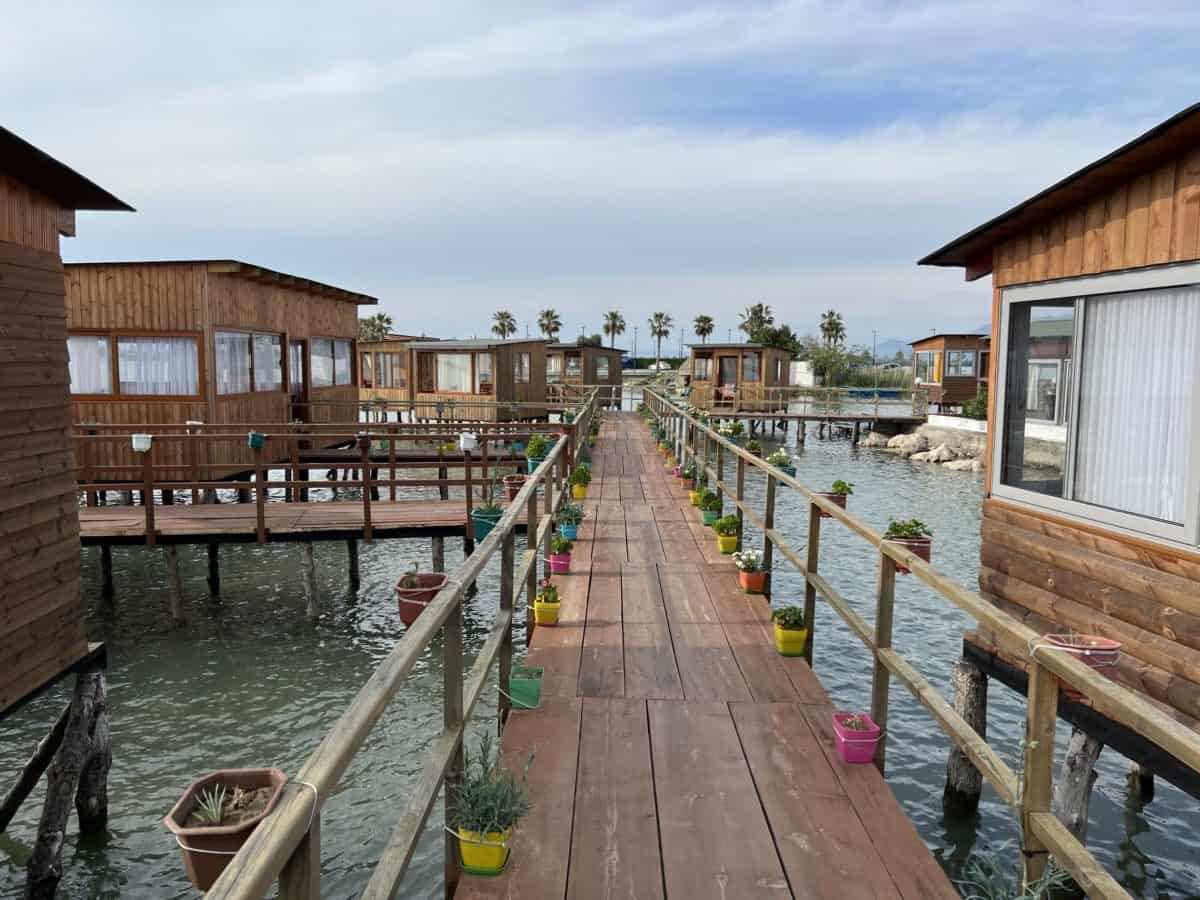
Laguna Patok is located 50 km from Tirana between Lezhë and Cape Rodonit. The lagoon covering 480 hectares is bounded by the Mat River in the north and the Ishem River in the south and is part of the natural reserve Patok-Fushe Kuqe. For visitors, the lagoon is interesting mainly for its attractive restaurants that float on wooden piers.
On the menus of these unusual restaurants you will find mainly local fish and seafood. Sitting in enclosed boxes above the water surface is an interesting experience. Patok attracts not only gourmands. Local biologists also admire these areas for their local biodiversity.
Více o Patoku
The lagoon in this area is like a living natural treasure that constantly changes and evolves. It formed during the last millennia (in the Holocene geological period) and gradually four separate lagoons were created here, each separated by narrow sandy cordons.
The entire area seems calm, but beneath the surface intense tectonic processes rage and there are many underground water reservoirs, thanks to which the landscape is so fresh and full of life.
Over 360 plant species and around 180 bird species live here – from common to rare ones that you will hardly see elsewhere. And occasionally real stars appear here, such as the giant loggerhead sea turtle, the Mediterranean seal, or the beautiful Dalmatian pelican.
Praktické
Then you will reach the parking lot in the middle of the lagoon along the mainland embankment HERE. Along the way, you will pass several wooden restaurants that will tempt you with their menu. If you resist, you will reach the mentioned parking lot and from there you can explore the individual restaurants on foot. The atmosphere of the individual establishments differs. The one that’s “yours” will reveal itself once you take a look.
Mapa
Letovisko Shengjin
Více o Shengjinu
This area has a rich past that reaches back to ancient times. In the Ottoman era, the city was called Şingin. In November 1912, it was conquered by Serbian and Montenegrin forces, but the great powers forced them to retreat. Serbia reoccupied the city in 1915, before being driven out by the Austrians in 1916. In 1918, the Italians briefly replaced them until the borders with the new Yugoslavia were determined.
In 1924, the Albanian government renamed Shëngjin to Port Wilson in honor of American President Woodrow Wilson, who opposed proposals to partition Albania and supported its independence. In April 1939, the Italian army landed here to occupy northern Albania, and during World War II the city was officially called San Giovanni di Medua. After the war, the name Shengjin returned, which today symbolizes rebirth and progress.
Praktické
Arrival in Shegjinu is simple via the city of Lezhë or from the north from Velipojë along the new coastal road. In case you want to go in the opposite direction to Velipojë, the road entrance is HERE.
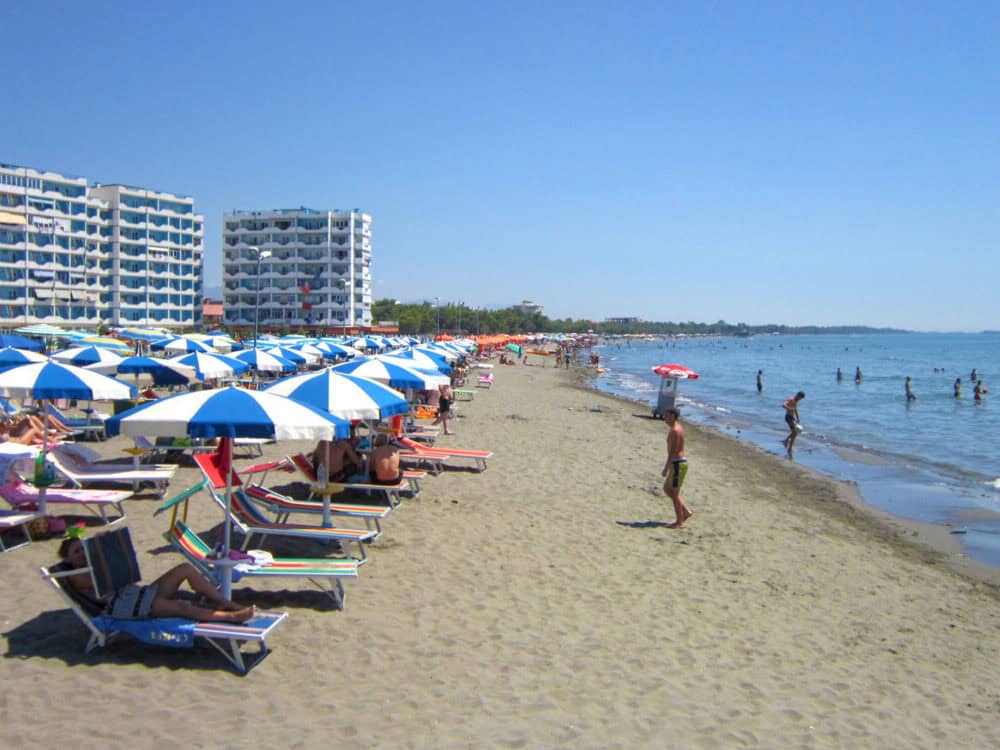
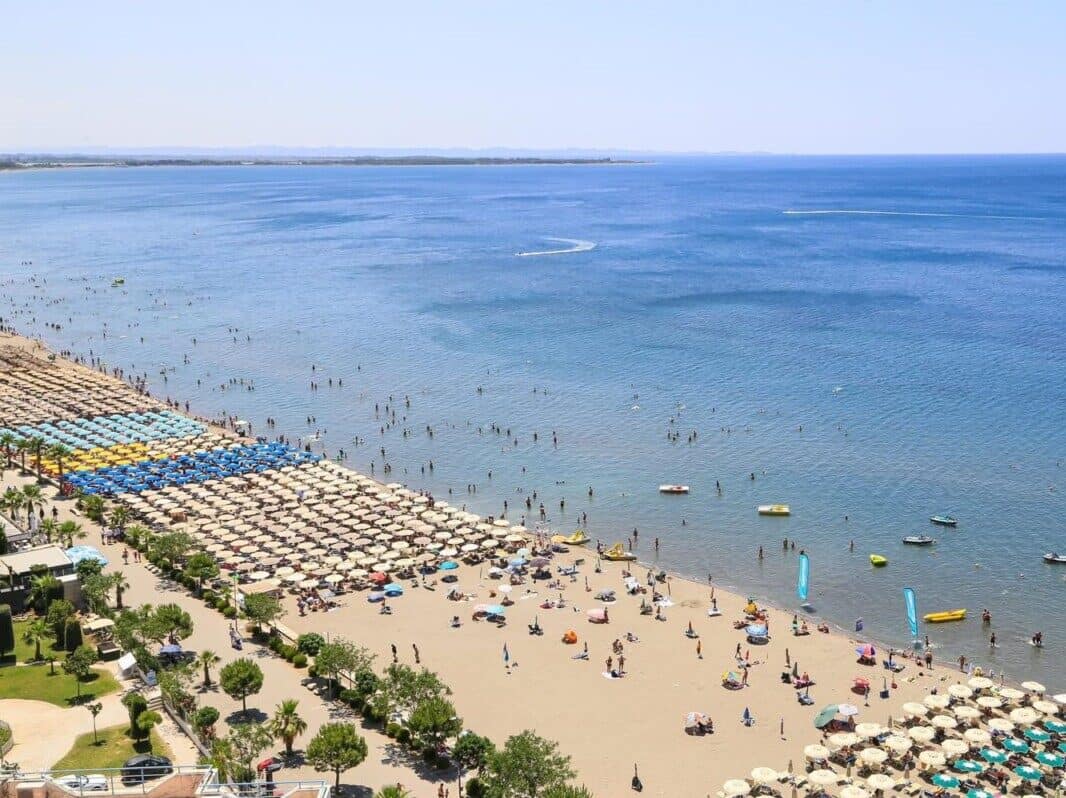
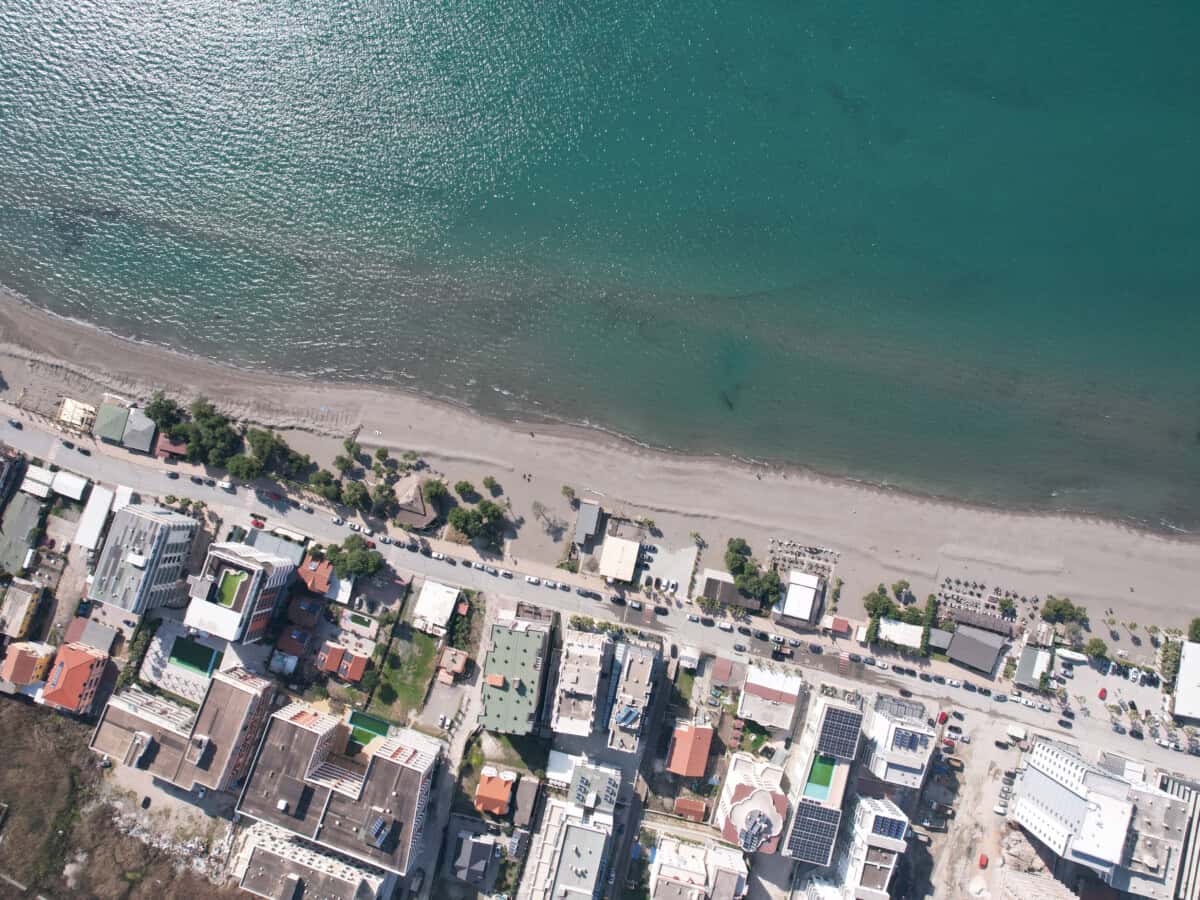
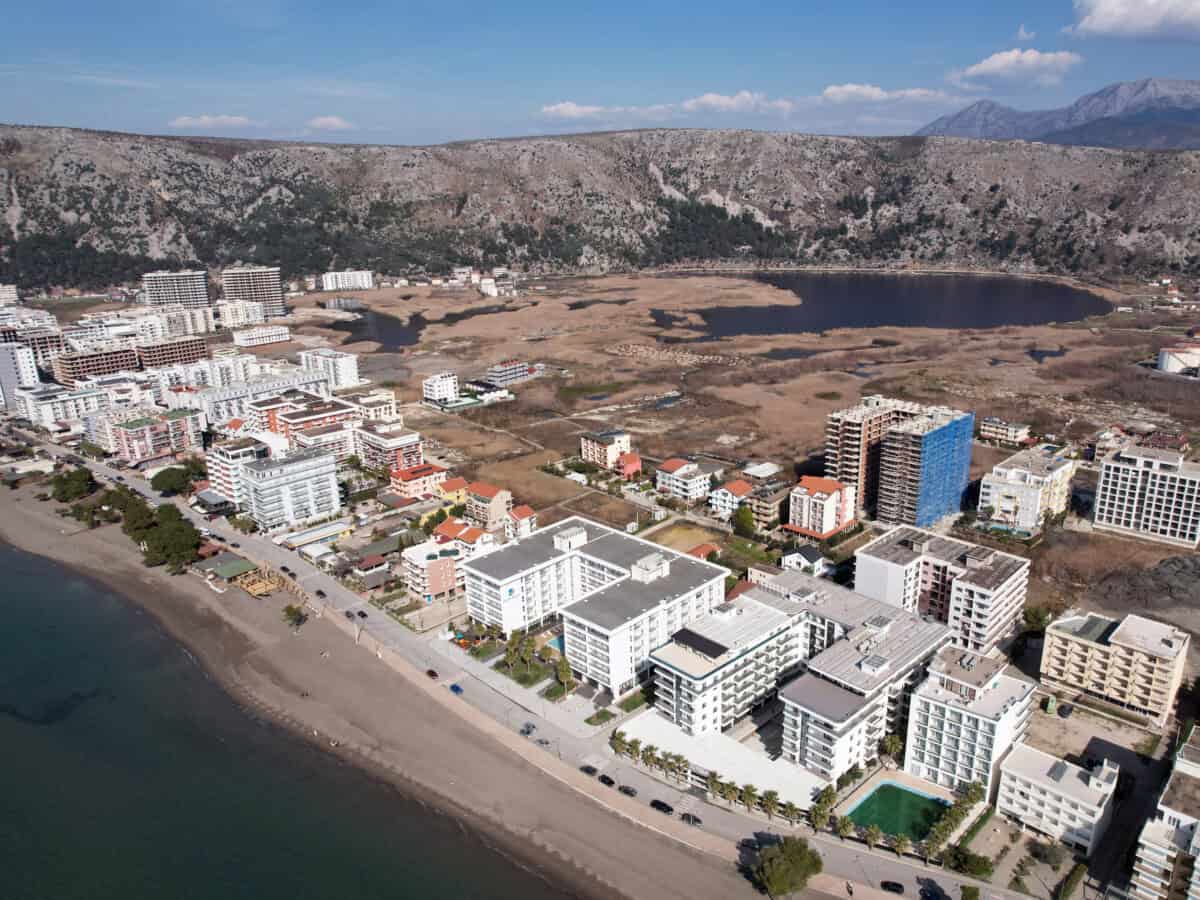
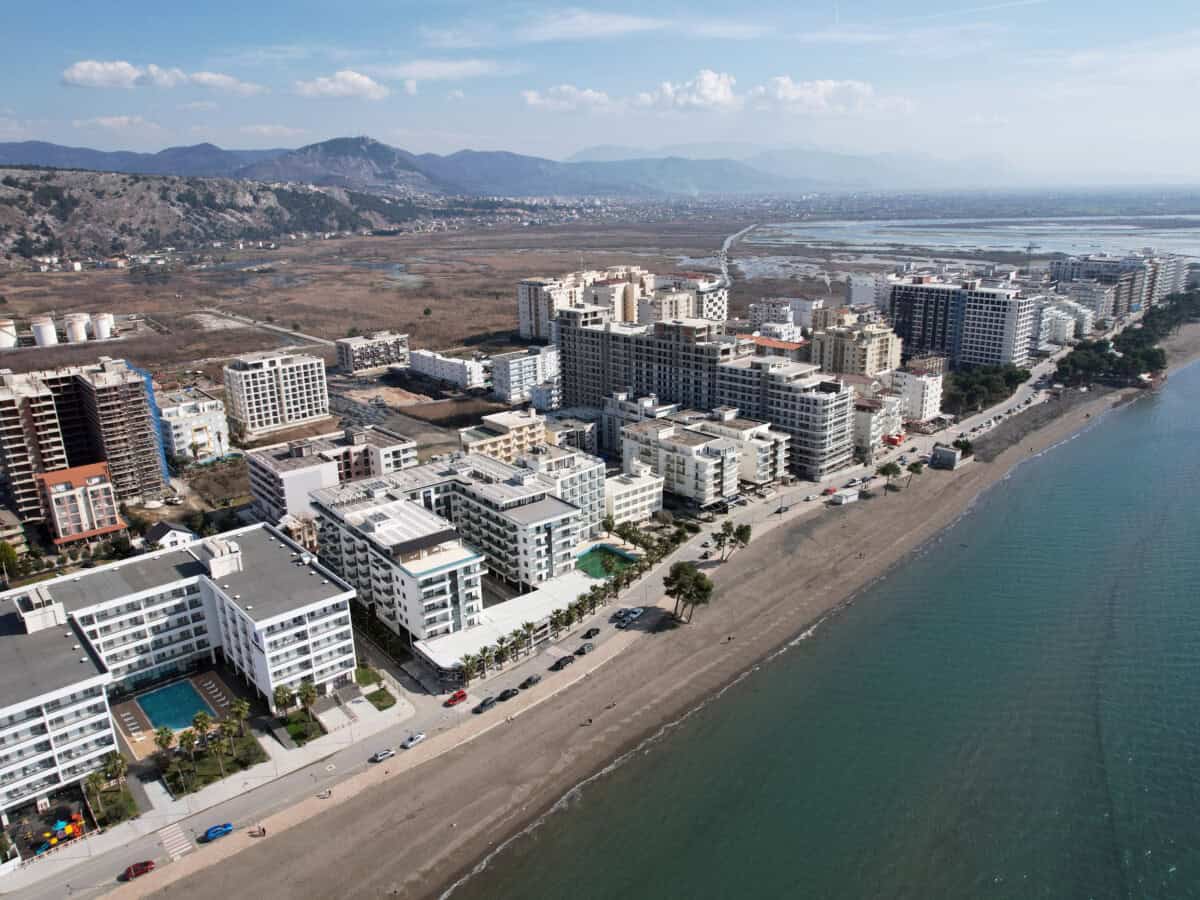
There are plenty of parking lots in Shengjin. Overall, the infrastructure is largely dedicated to the main purpose of this place, which is recreation and relaxation. In recent years, many new buildings with apartments have been growing here, which are being bought by foreign interested parties. Not far from Shengjin is the attraction Rana e Hedhun, which is a high sand dune.
For campervanists, there are many free parking spots available, but during the season there can be a problem. For this case, Bar is a good place and next to it a camping spot for a modest fee HERE.
Mapa





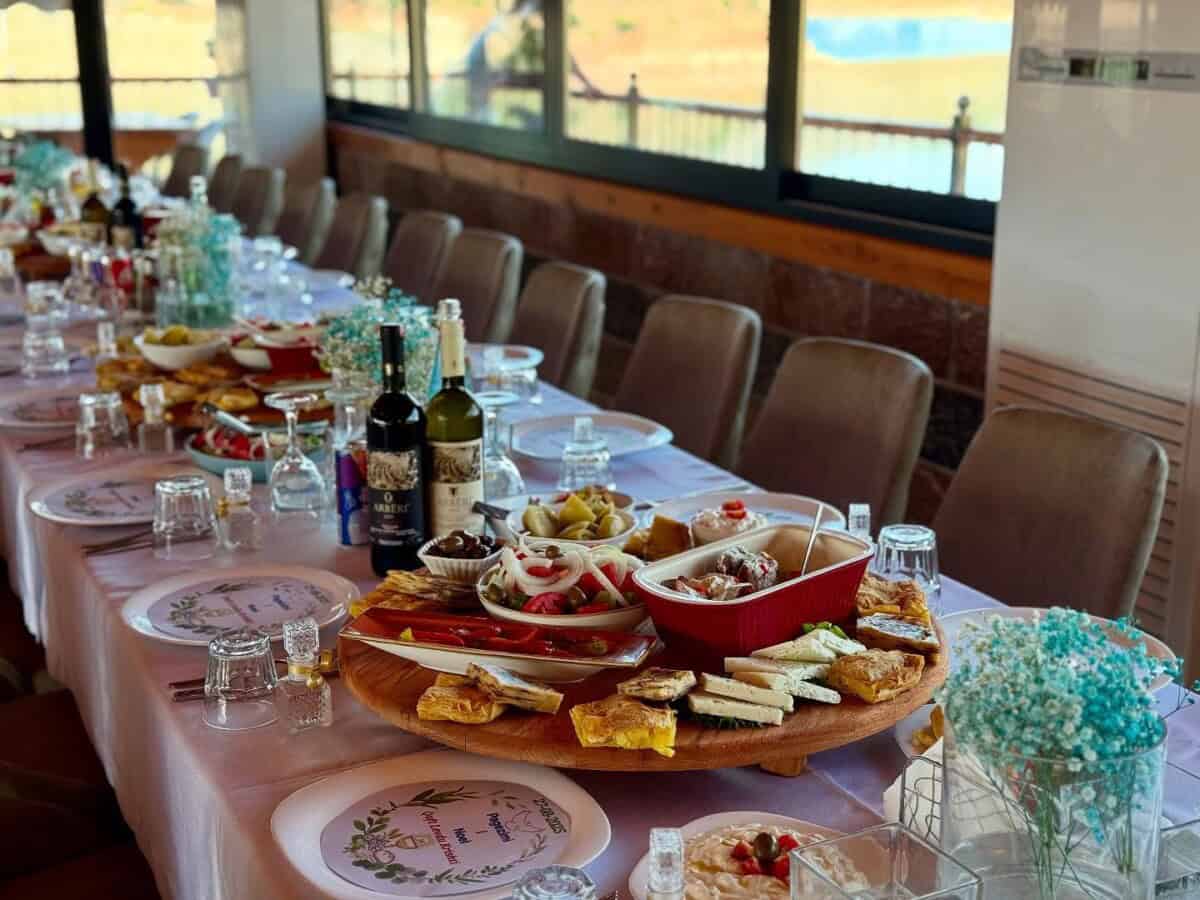

Real Park Mirditë
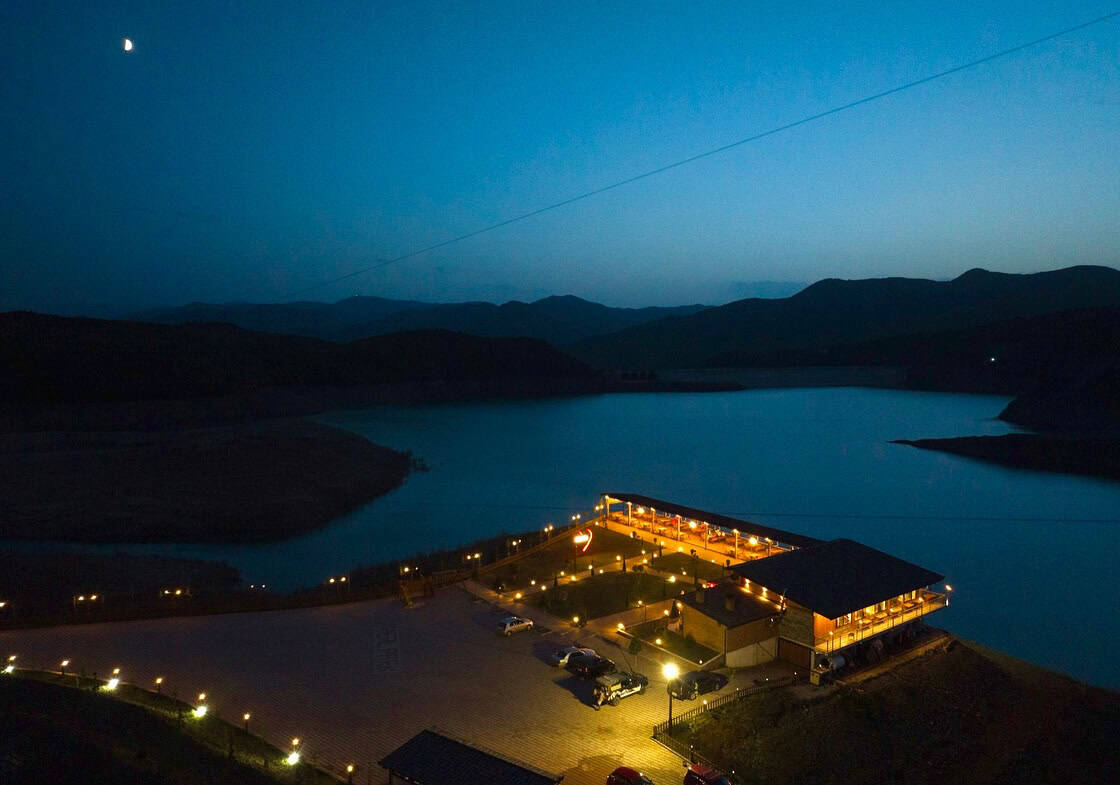
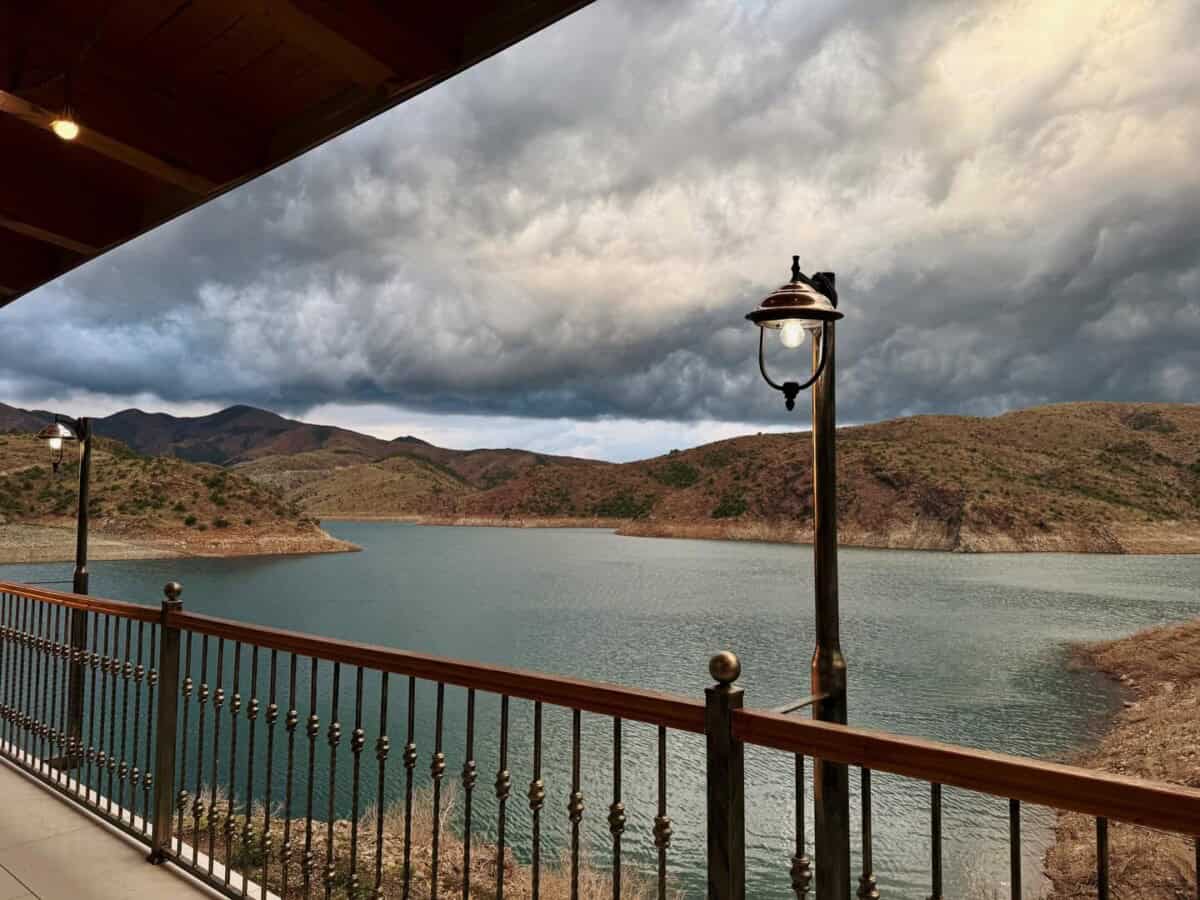
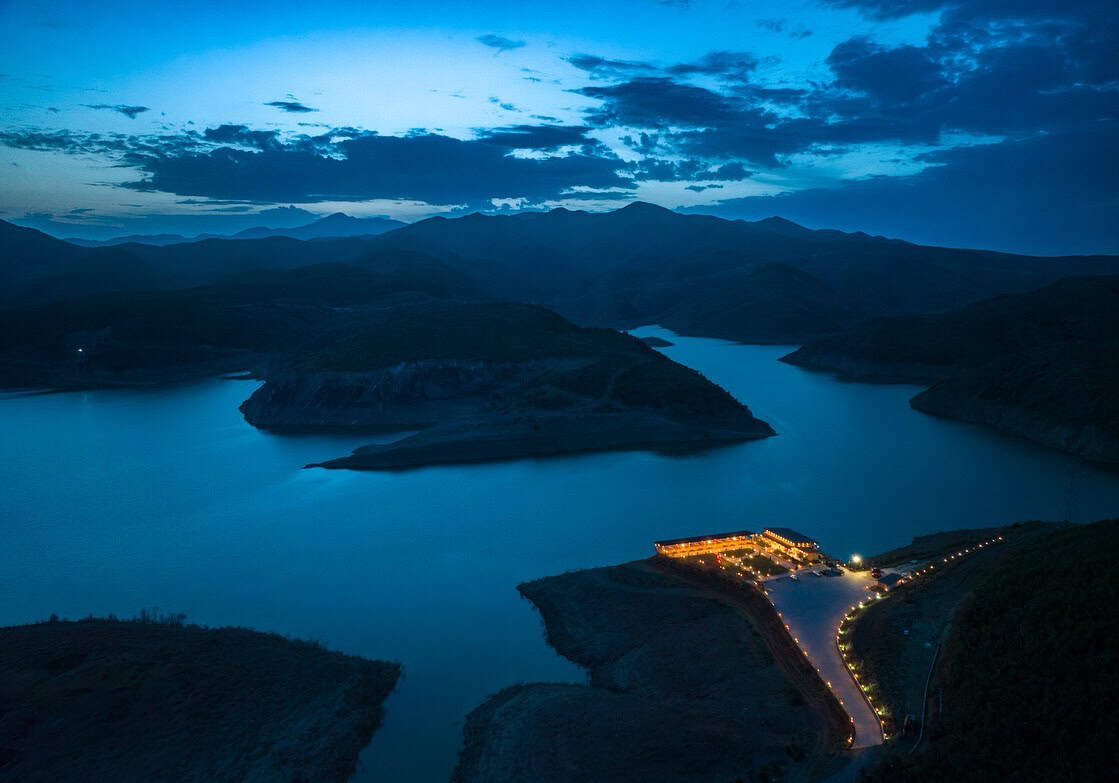
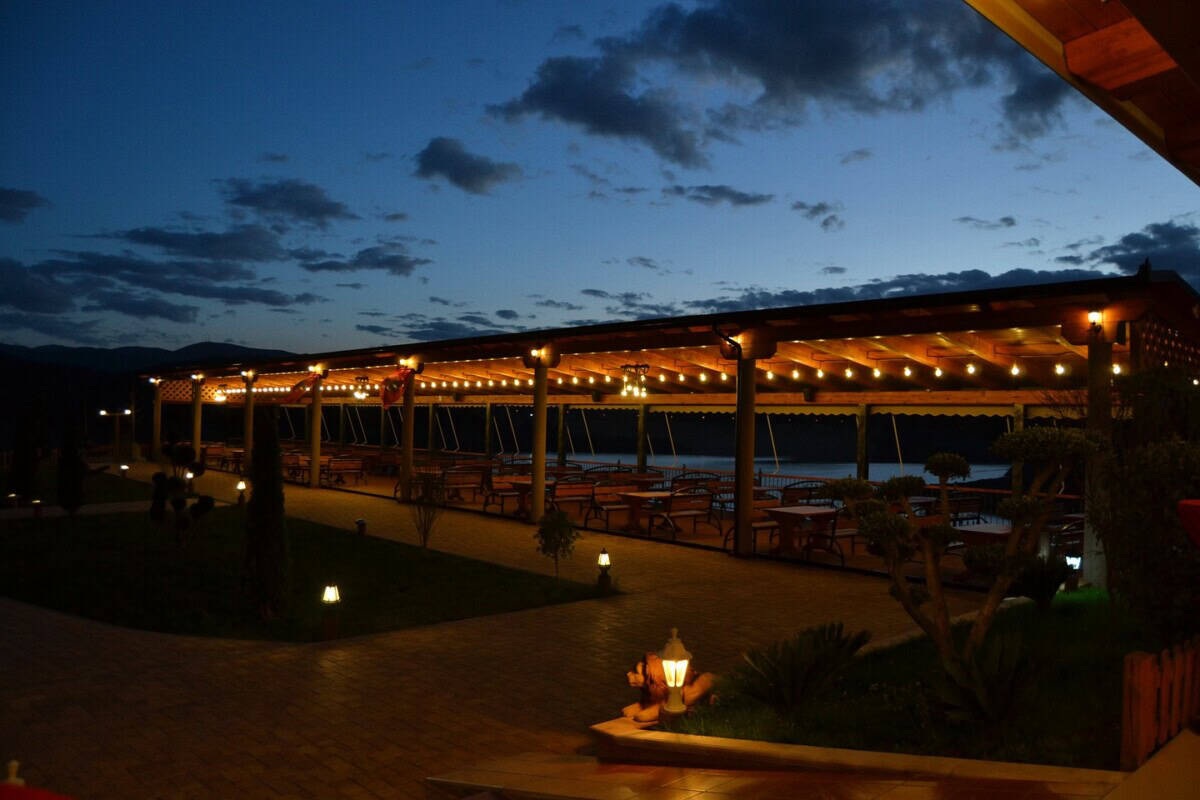
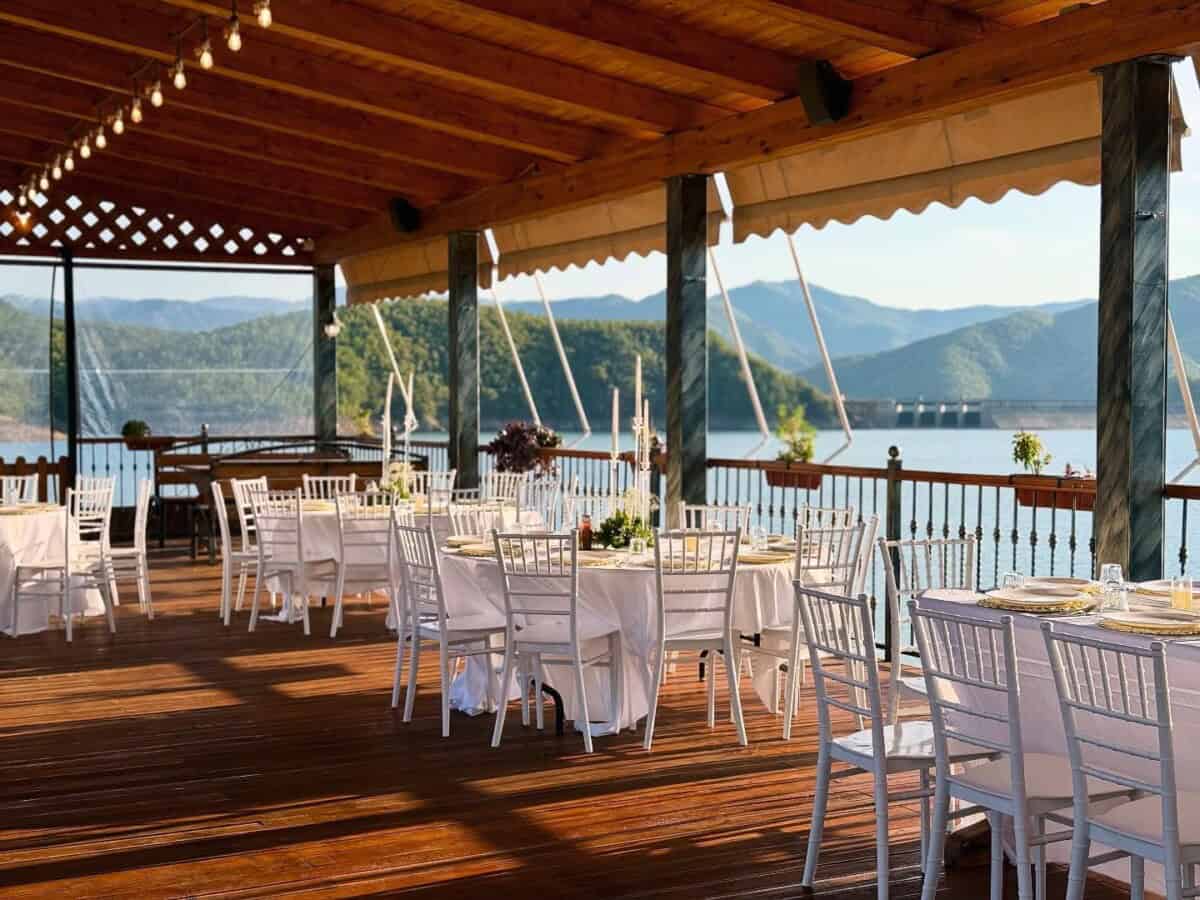
An inconspicuous yet beautiful and fairly simple facility with a restaurant right by the lake. In addition to the restaurant itself, there is a large parking lot that campervan users can use free of charge as a campsite. The owners are very friendly, toilets are clean and available 24 hours a day, 7 days a week. The food is fantastic and you can swim in the lakes.
Thanks to the services it offers, such as a bar, restaurant, pizzeria, and also various events held here, it becomes one of the most attractive places in the area. A beautiful view of the lake and relaxation in the surrounding nature make it an ideal place to spend time with family and friends.
The kitchen offers a variety of regional dishes, but of course also fish and meat products. The wine list is composed of regional sources. Prices are very reasonable.
Více
The area is very often used for family celebrations and larger parties, so it’s a good idea to ask before arrival whether the place will be available for you as well. But usually it is. Direct inquiries via WhatsApp +355 068 383 8322 or email real.park.mirdite@gmail.com.
Praktické
However, you will get to it via a turnoff from the main road HERE. The road was recently unpaved, but it is possible that an asphalt road now leads to the restaurant. Albanian progress is incredible, so what is true today may not necessarily be true tomorrow.
Mapa
What to see in Albania?
Albania offers plenty of beautiful and interesting places waiting for your discovery – stunning beaches on the southern coast, majestic mountains in the north, river canyons, lakes, well-preserved historic towns or remains of previous civilizations.
Whether you are drawn to adventure in wild nature, history or the charm of traditional Albanian villages, you will find plenty of places here that, in our opinion, are worth seeing! We will gradually add new places as we visit them. Just click on the map to select the area that interests you.
How to enjoy a vacation and avoid unnecessary spending
Stay smart
Whether you are planning a trip to Albania or anywhere in the world, you can use the proven Booking.com for accommodation reservations. You will find a huge selection of cozy private apartments, houses and hotels. The price range is wide and you will definitely find something.
Fly at reasonable prices
Do you need a plane ticket? Check out the well-known Kiwi or also the less known, but among seasoned travelers very popular Kayak. It's our favorite. It quickly compares offers from all airlines and shows you the most cost-effective flight combinations. You can also set up price alerts, so as soon as a ticket reaches a price that suits you, you'll get a notification.
Internet v mobilu
In the second half of 2026, Albania is promised free European roaming. Until then, you can get data with the YESIM app. You will get mobile internet on favorable terms.
Think of back doors
Quality insurance is the foundation of any trip. A trip to Albania is no exception. Insurance covers you in case of illness, injuries and loss of belongings. We ourselves have ended up in a foreign hospital a couple of times. Having good insurance will save a lot of stress and, above all, money.

