
Korçë Region





City Pogradec
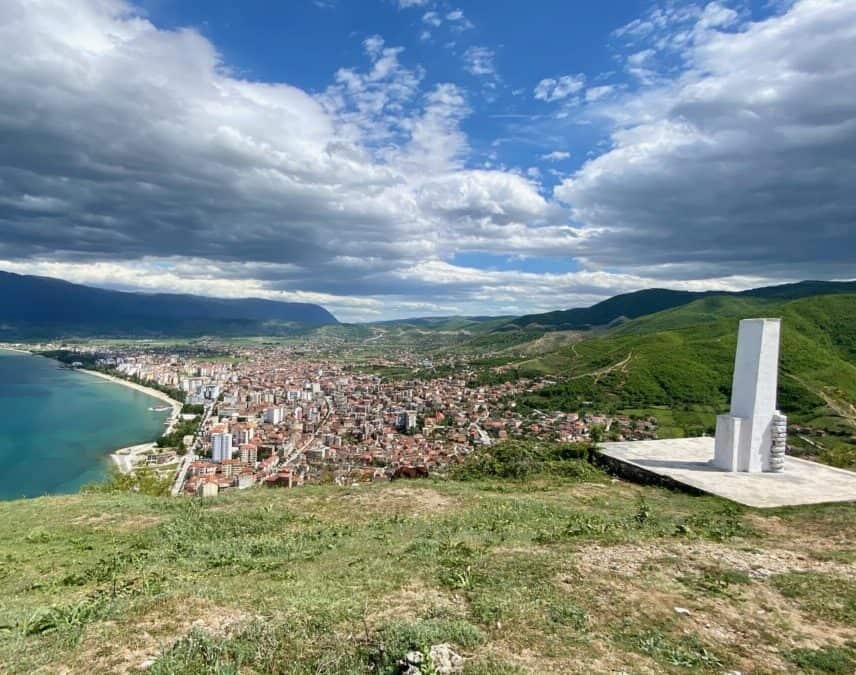
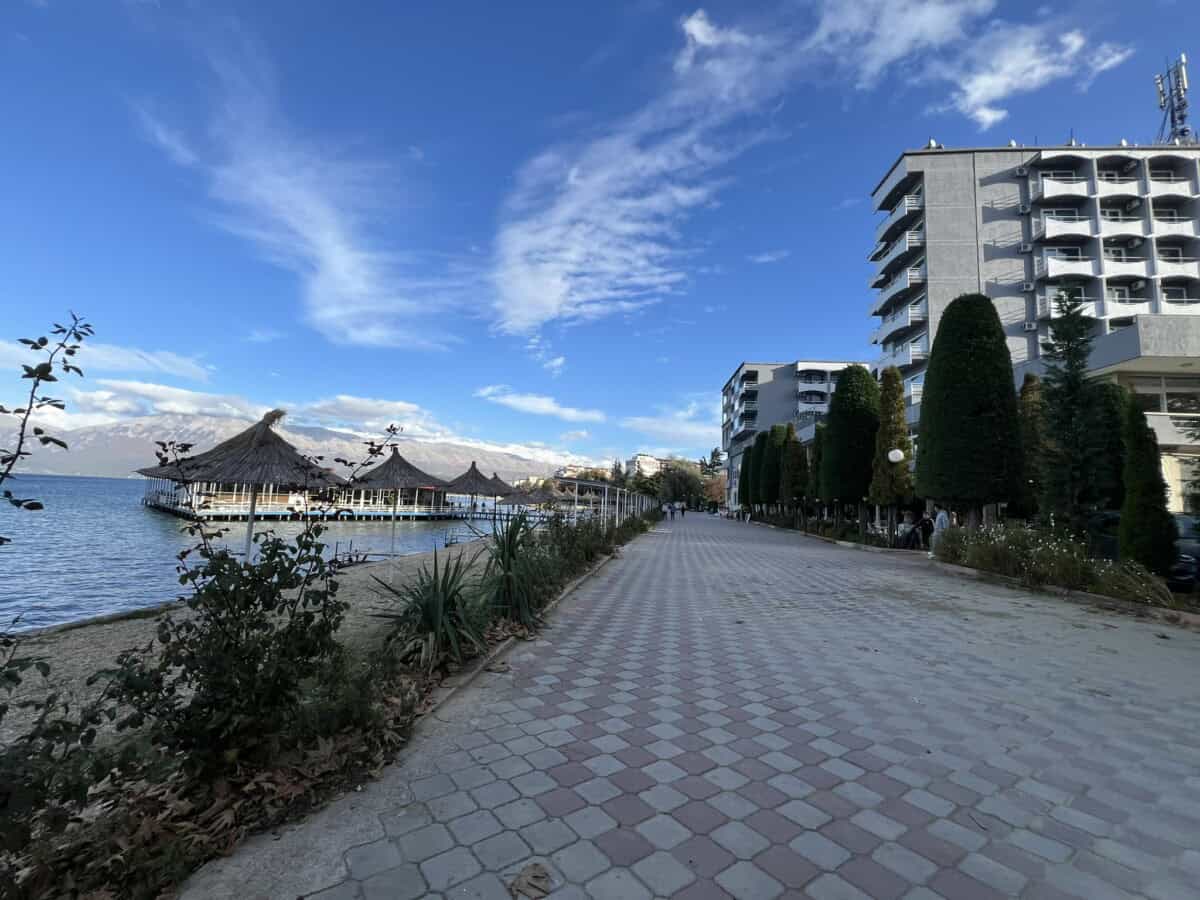
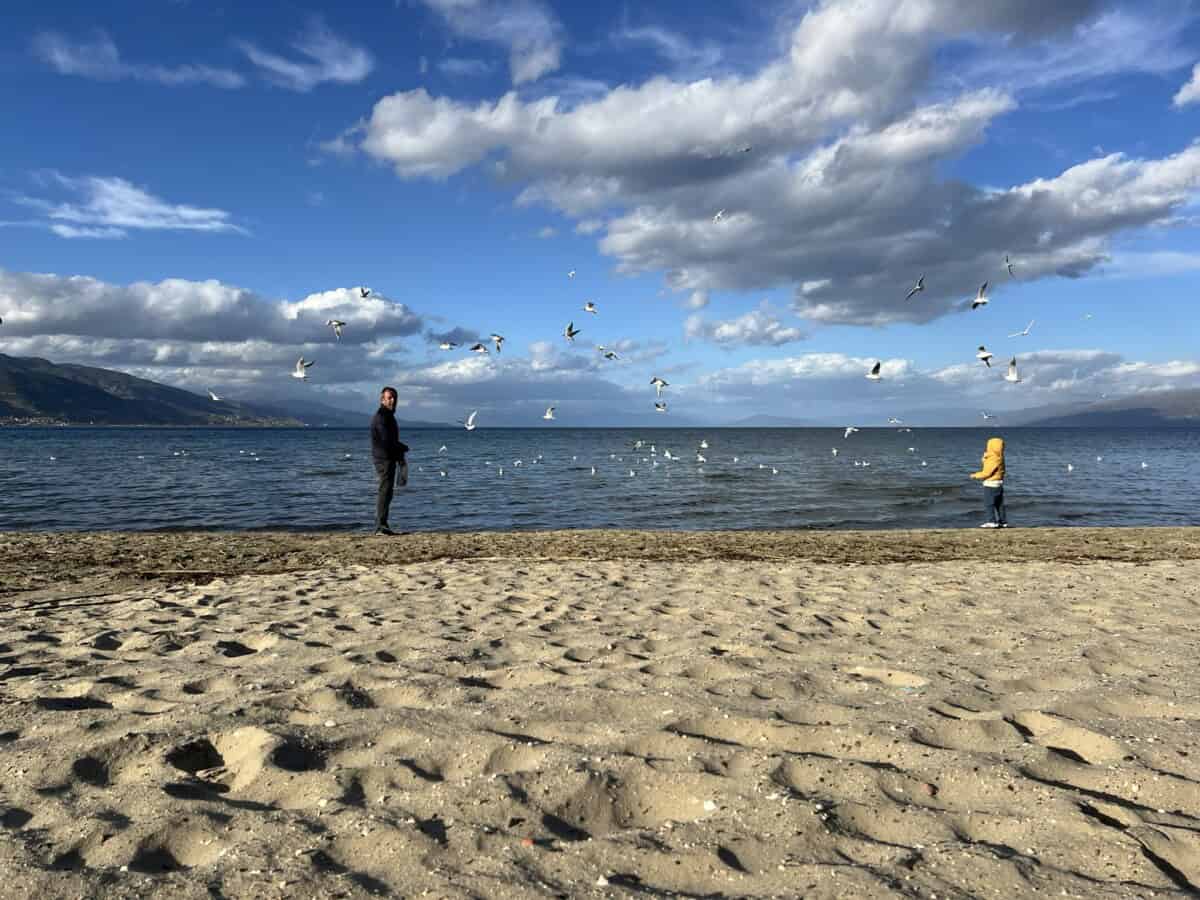
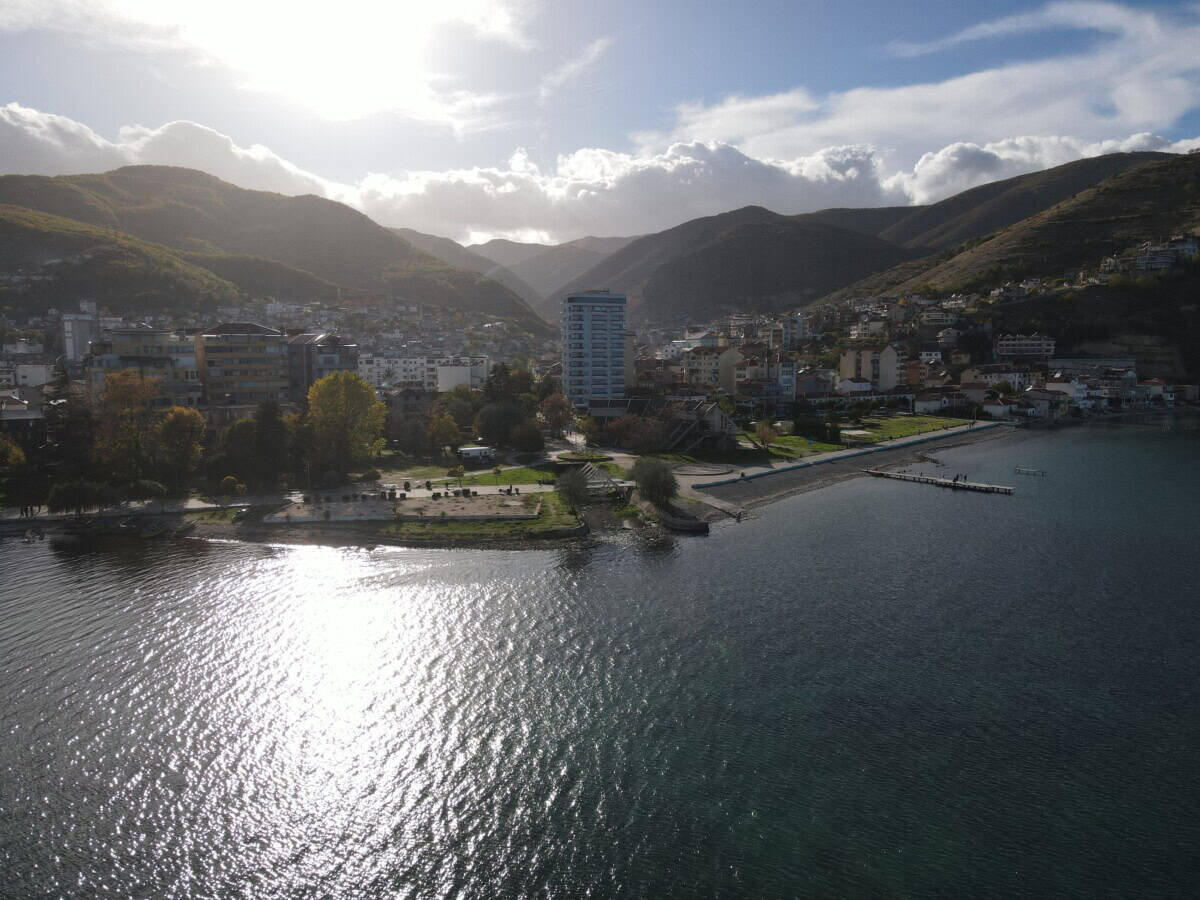
The city of Pogradec radiates comfort and tranquility. It is a practical starting point for exploring the surroundings of Lake Ohrid. An attraction of the region is, for example, the nearby peninsula Lin, which is known for archaeological sites and also the legend of Byzantine Emperor Justinian I, who allegedly hid part of a treasure on the shore of Lake Ohrid. It has never been found to this day. You can hike to the castle ruins above the city. From here, a magnificent view opens up of Lake Ohrid, the surrounding mountains, and the nearby rock formation Guri i KamjesSt. Naum monastery. If you want to visit it, however, you must cross the Albanian-Macedonian border.
Archaeological finds in the region prove settlement already in the Neolithic and indicate that life developed here during the Copper, Bronze, and Iron Ages. Many of them can be found in the local museum.
Více o Pogradeçi
In the city you can find Orthodox and Catholic churches as well as two mosques and on the hill above the city remains of Illyrian settlement from the 5th century BC.
The fortress, which over long centuries also experienced a fire, served the inhabitants until the 9th century AD, when it was destroyed by Slavic attackers and subsequently abandoned. People began to move from the hill down to the lake, where the foundation of present-day Pogradeç was created.
During the High Middle Ages in the 9th to 11th centuries, Pogradeç went through a period of Bulgarian occupation, from which it inherited a number of Slavic place names and even the name Pogradeç itself, which means “city below the fortress”. From the 15th century to 1912 it was incorporated into the Ottoman Empire.
At the beginning of the 20th century, it faced Italian, Greek and German military occupation. After World War II, the city experienced the industrial revolution of the communist period and also became a frequent vacation destination for dictator Enver Hoxha.
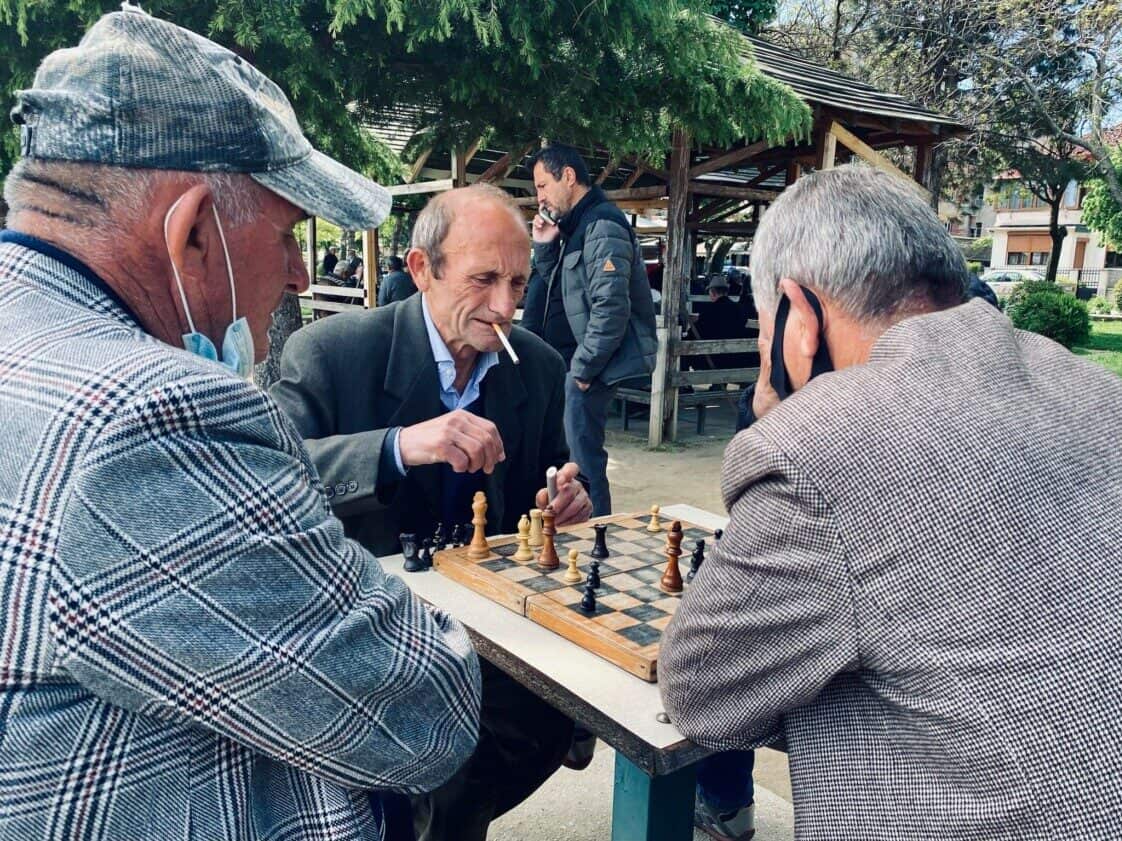
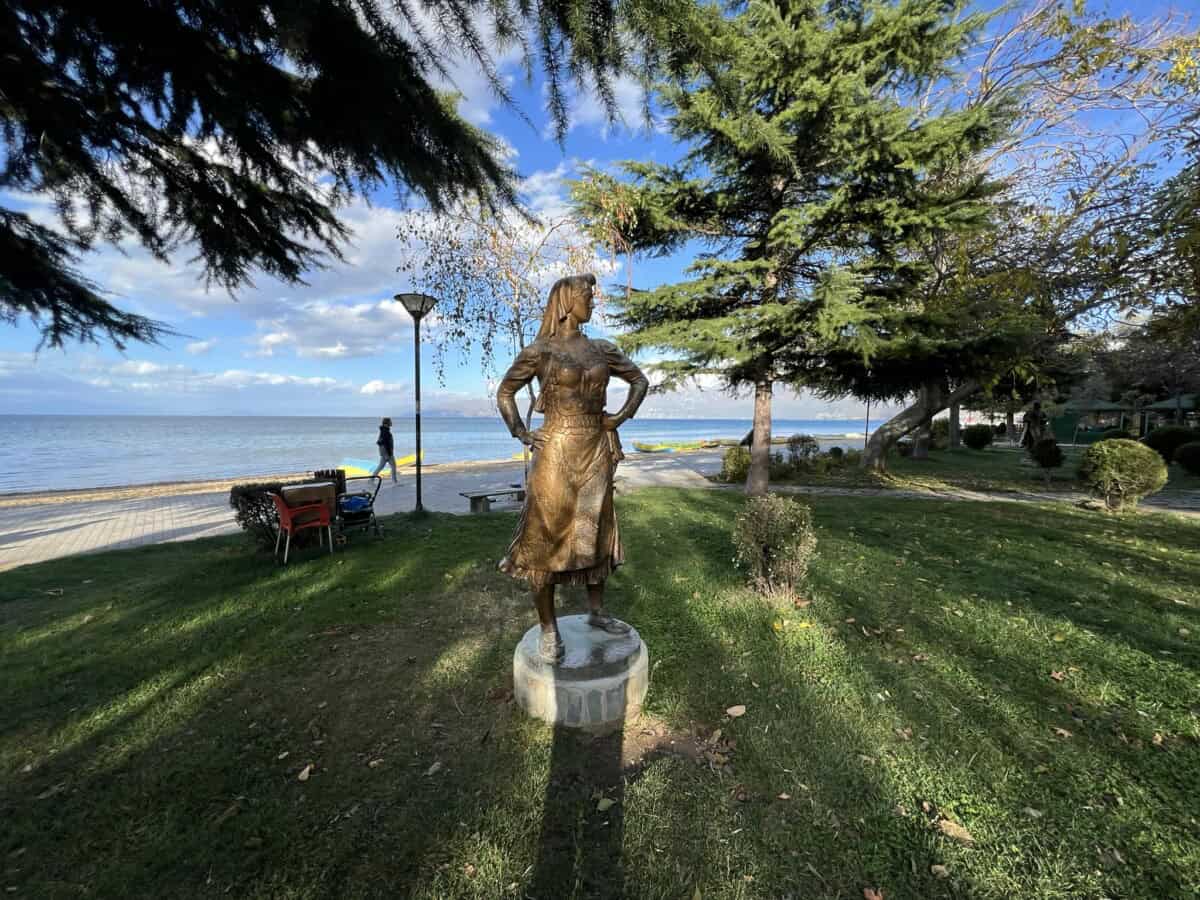
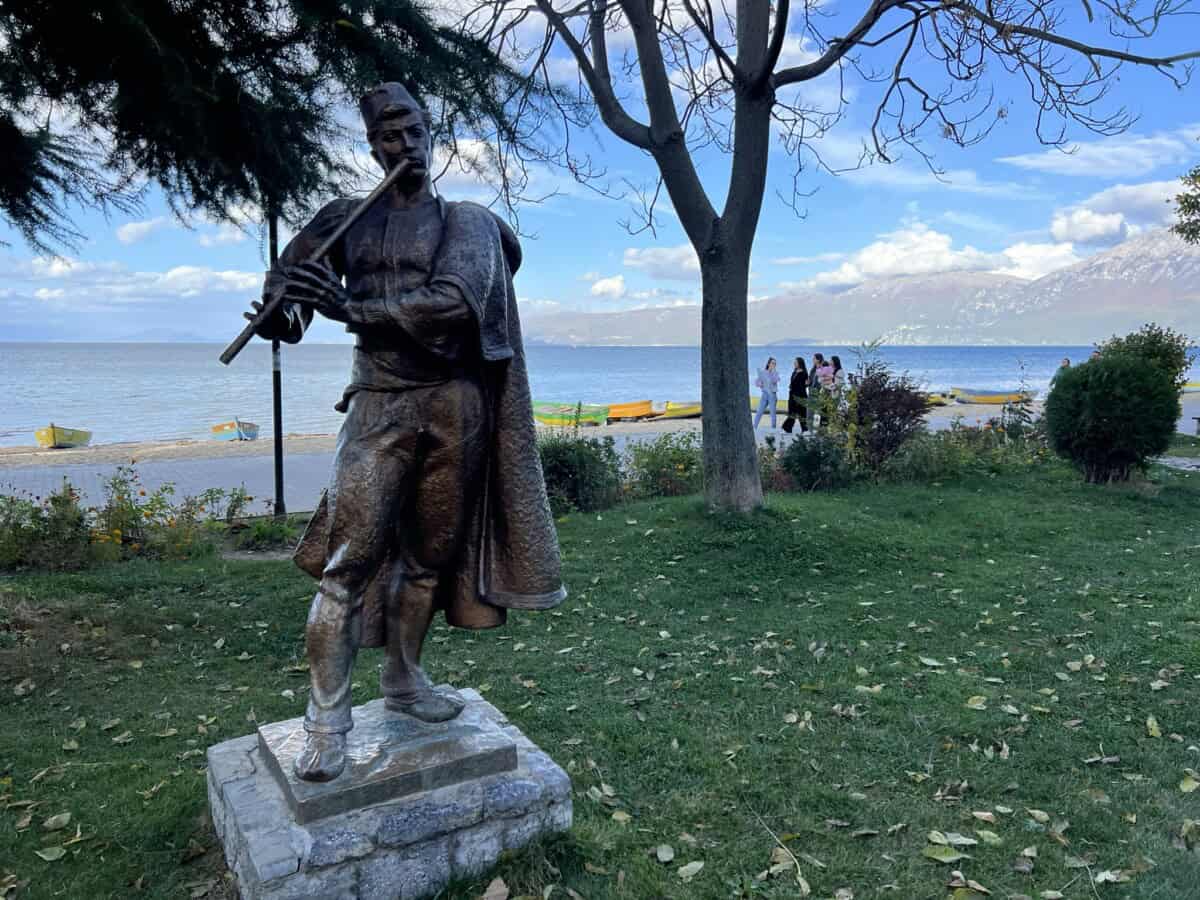
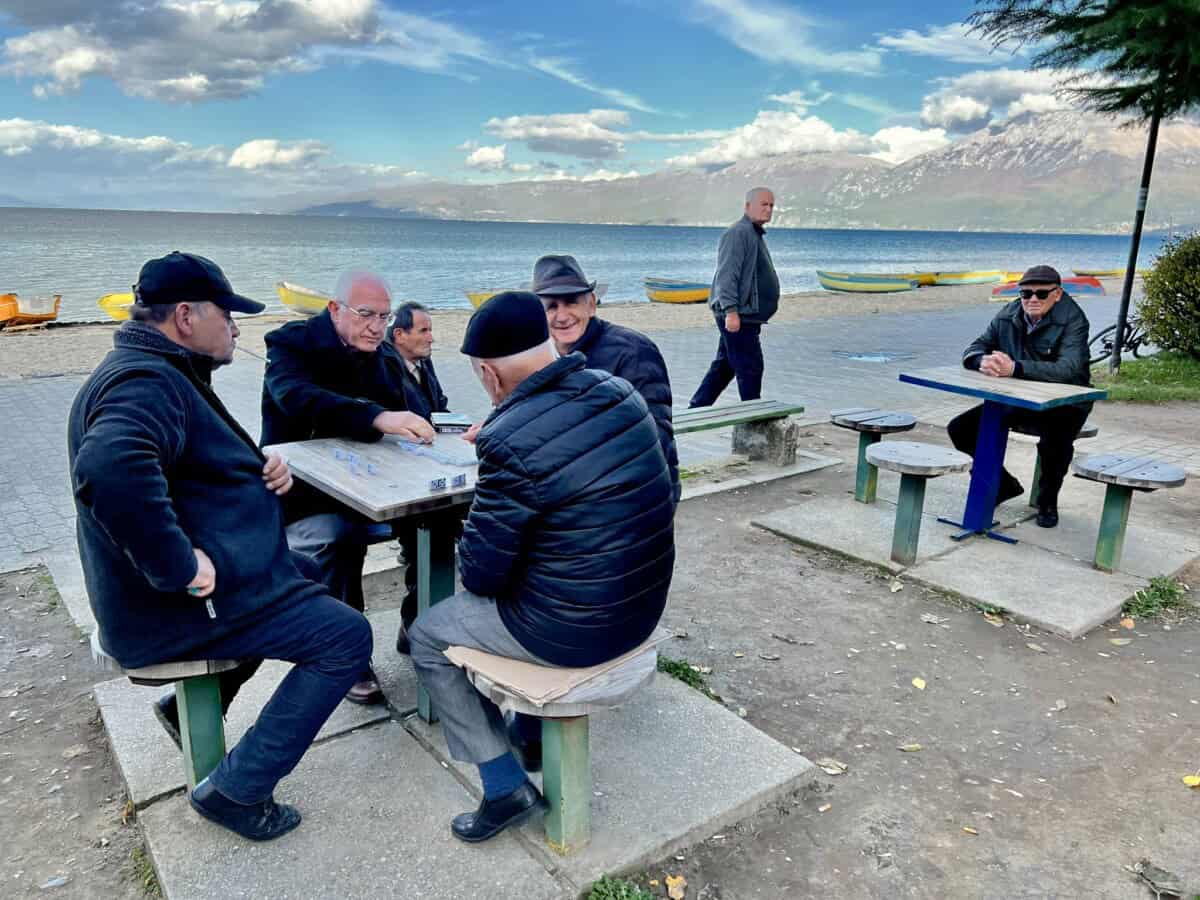
Pogradeç is known for the local specialty Koran, which is an endemic salmon-like fish living exclusively in Lake Ohrid. You cannot find it anywhere else in the world. Older men playing dominoes or chess are an inseparable part of the city promenade’s character.
Praktické
Thanks to the constantly developing infrastructure, the city of Pogradeç is becoming more accessible every year. In 2024, a completely new road was opened from the south from Tepelene, namely along the Greek border between Erseke and Korçe. From 2025, it is also possible to get to Pogradeç much more easily from Elbasan (or even from Tirana) without having to go around the lake towards the Macedonian border. The new road between Qukës–Qafë Plloçë is responsible for this. Parking in the city of Pogradeç itself directly by the promenade can be problematic during the season, but the chance of finding a spot at the parking lot HERE never runs out. In Pogradeç too, it is customary to park along the streets.
Mapa
Most Golik
Více o mostu Golik
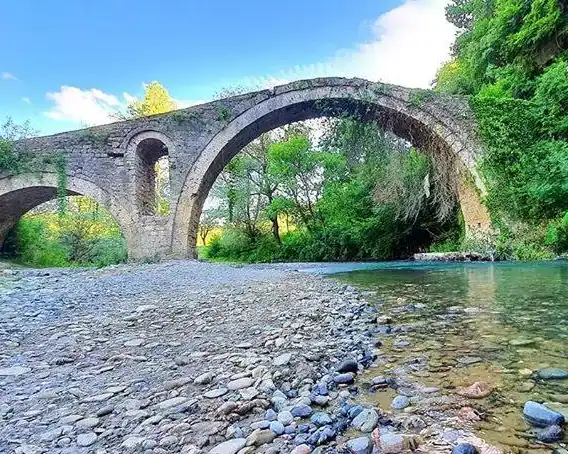
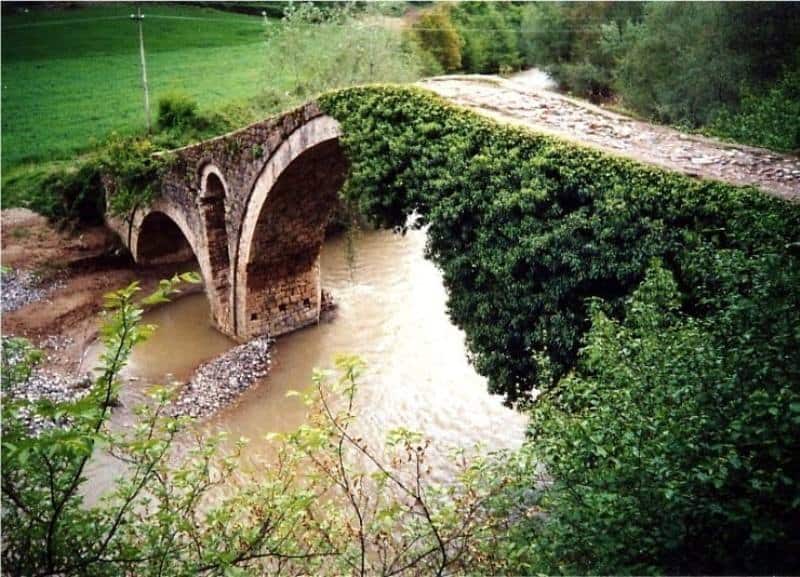
For generations, the bridge served as a vital link between villages and surrounding settlements and was part of the Via Egnatia route connecting Rome with the then Constantinople (present-day Istanbul).
The Golik Bridge is a testament to the remarkable engineering skills of our ancestors. The arched construction not only provided structural stability, but also allowed smooth water flow beneath it.
Visiting the bridge offers a unique opportunity to travel back in time and appreciate the abilities of the builders of that era. Try walking across the bridge and imagine the countless travelers who once crossed it.
Praktické
Getting to the bridge is simple. If you drive along the road Qukës-Qafë Plloçë, which significantly shortened the route between Tirana and Pogradec, the bridge will be just a few dozen meters from the route. Be careful, in 2025 the new road had not yet been included in Google maps, so it is questionable whether navigation will take you this way. if not, you will have to rely on road signs. Examining the bridge is ideal to combine with a visit to the tombs in Selcë e Poshtme HERE.
Mapa


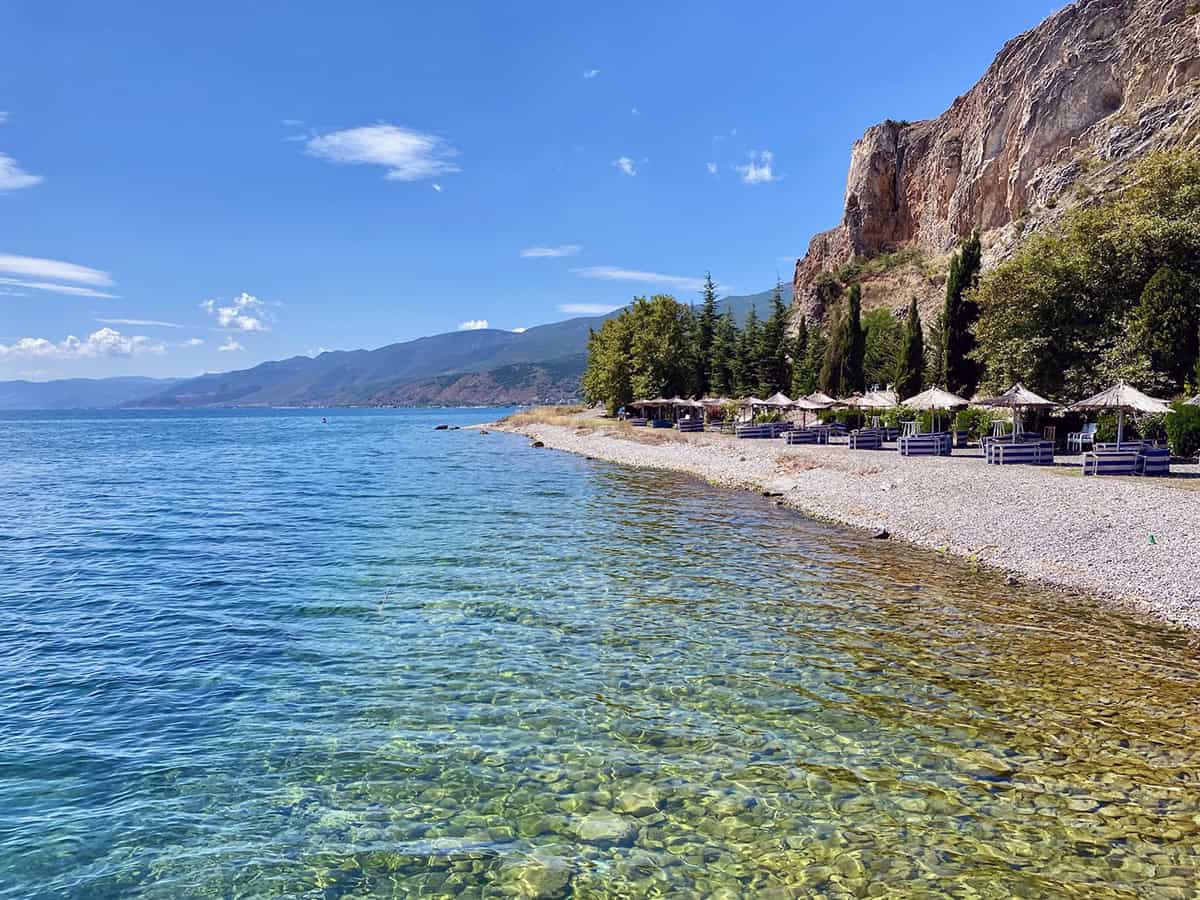
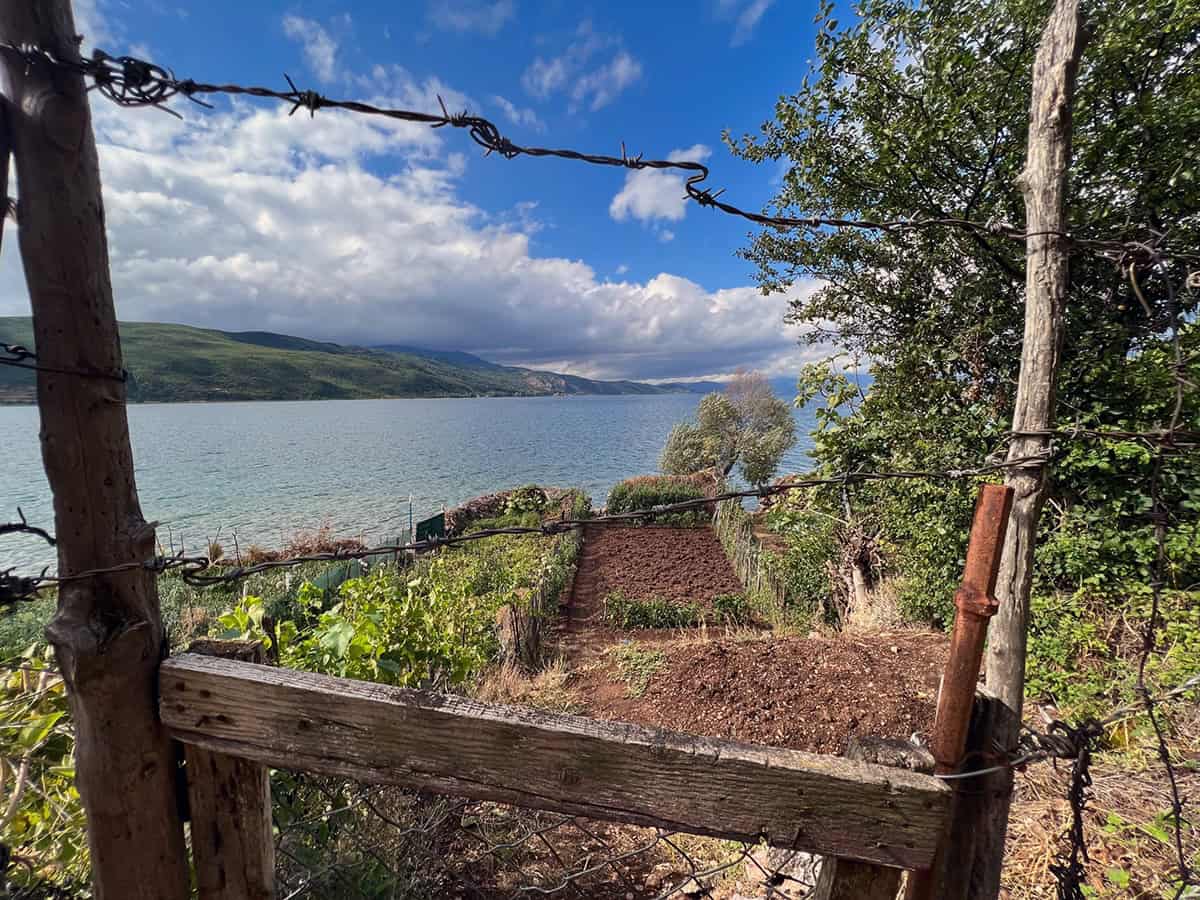
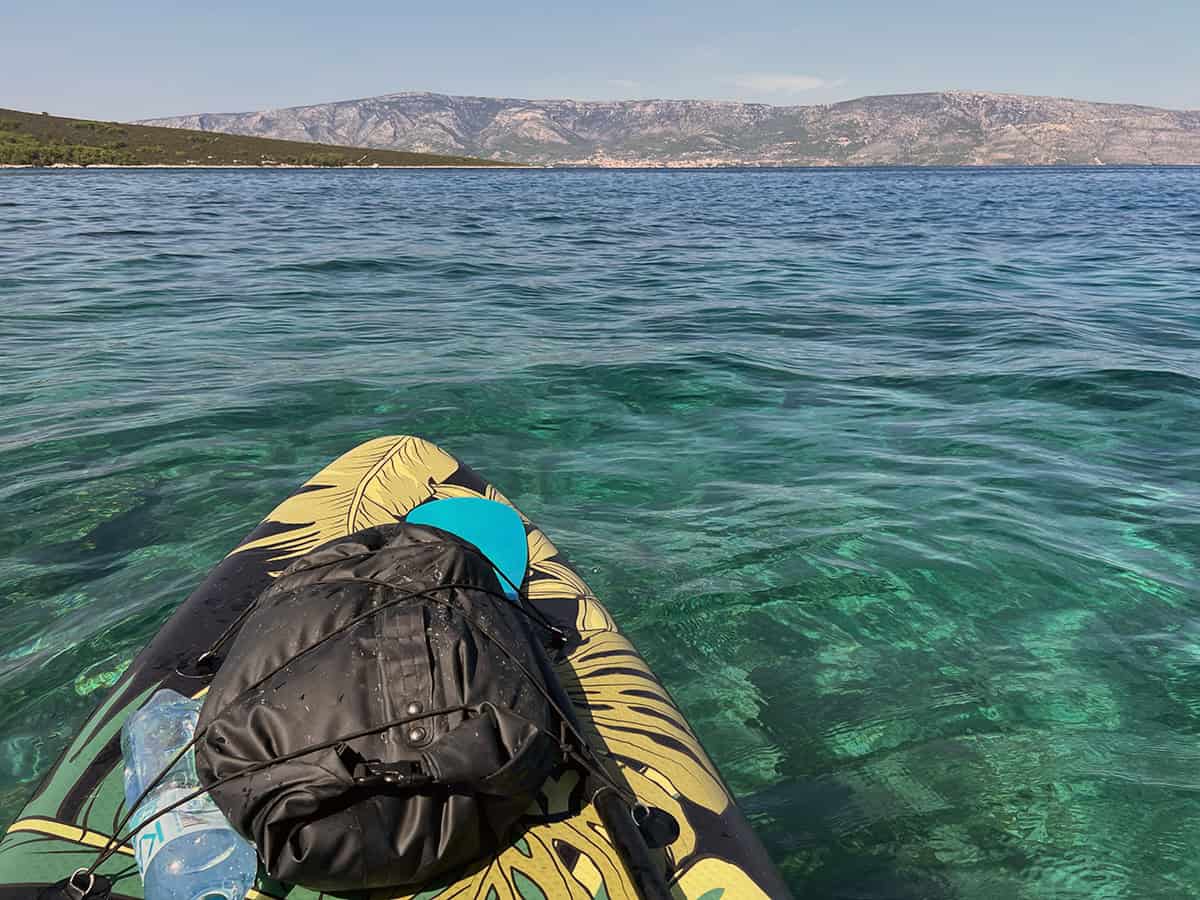

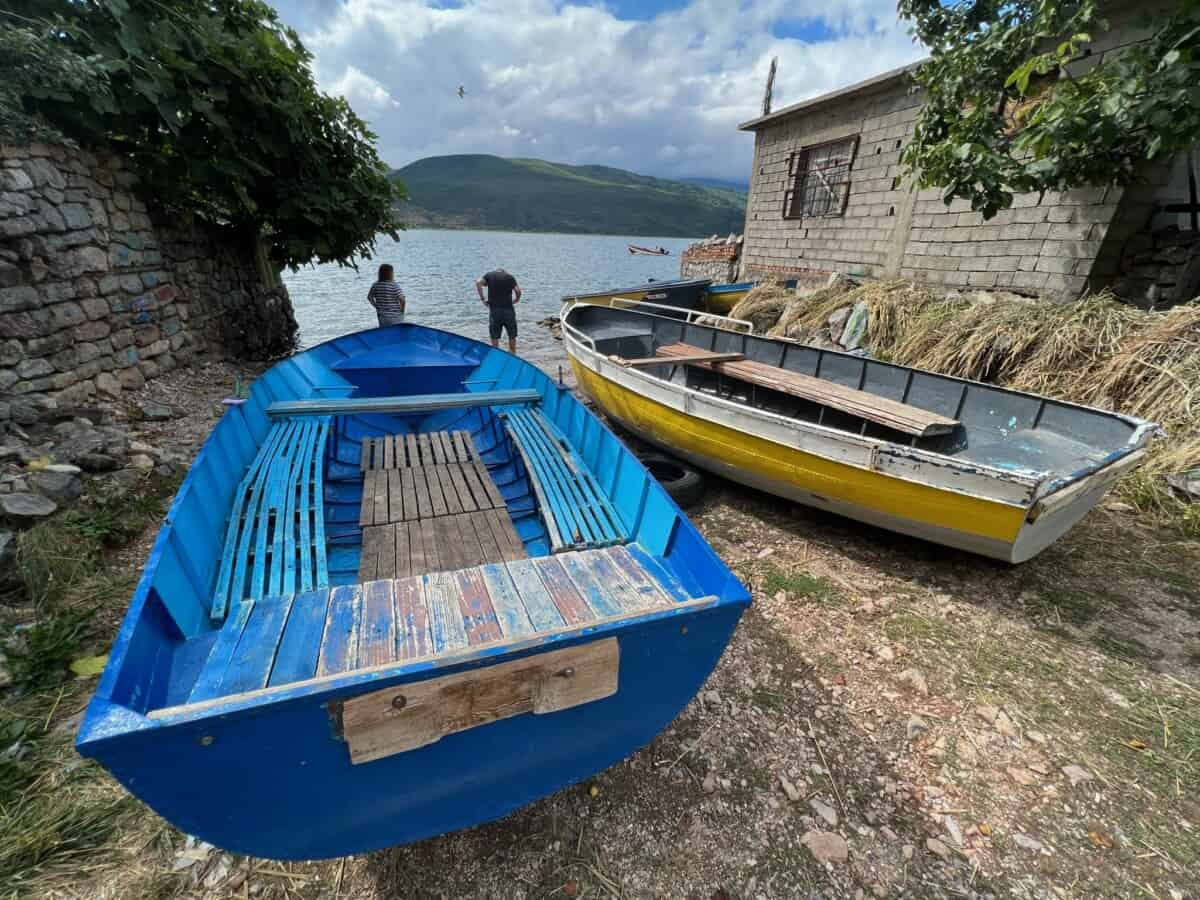


Jezero Ohrid
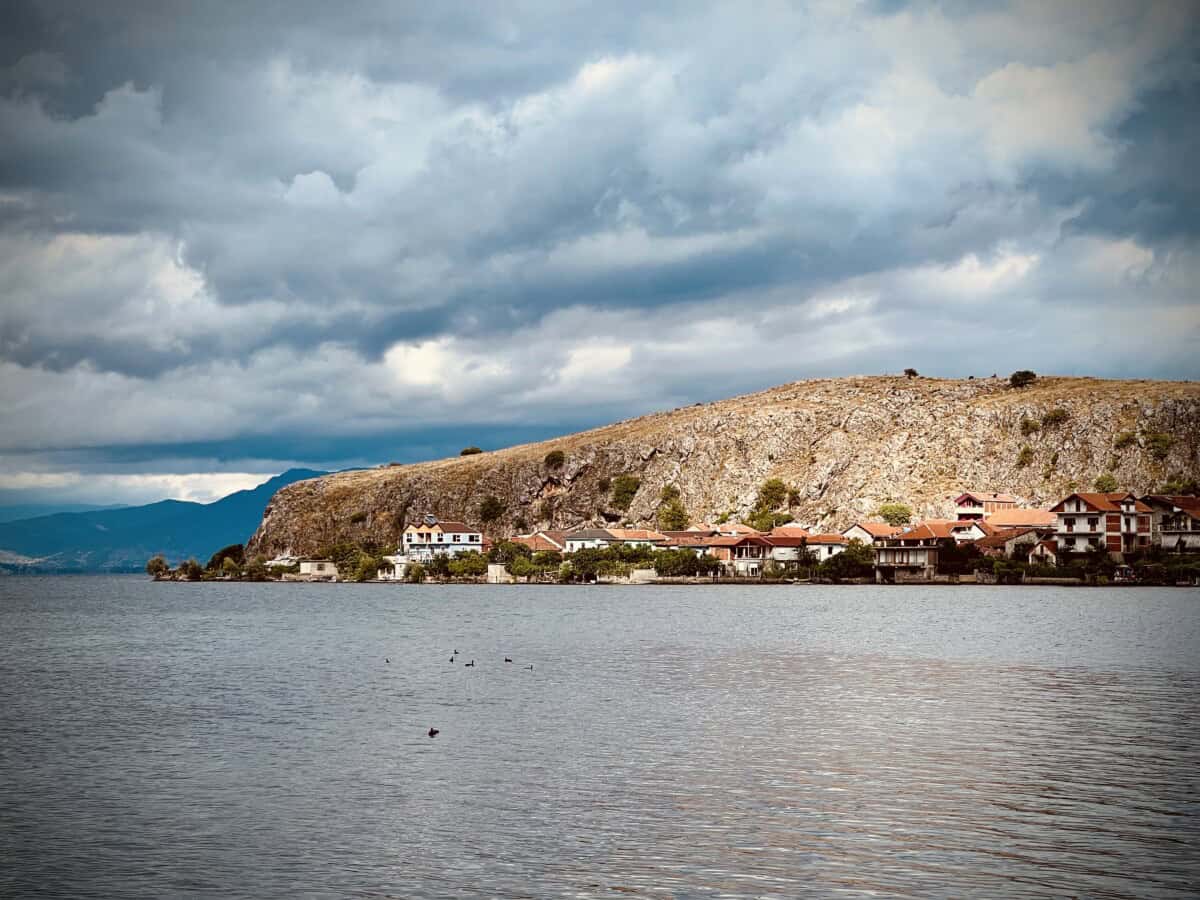
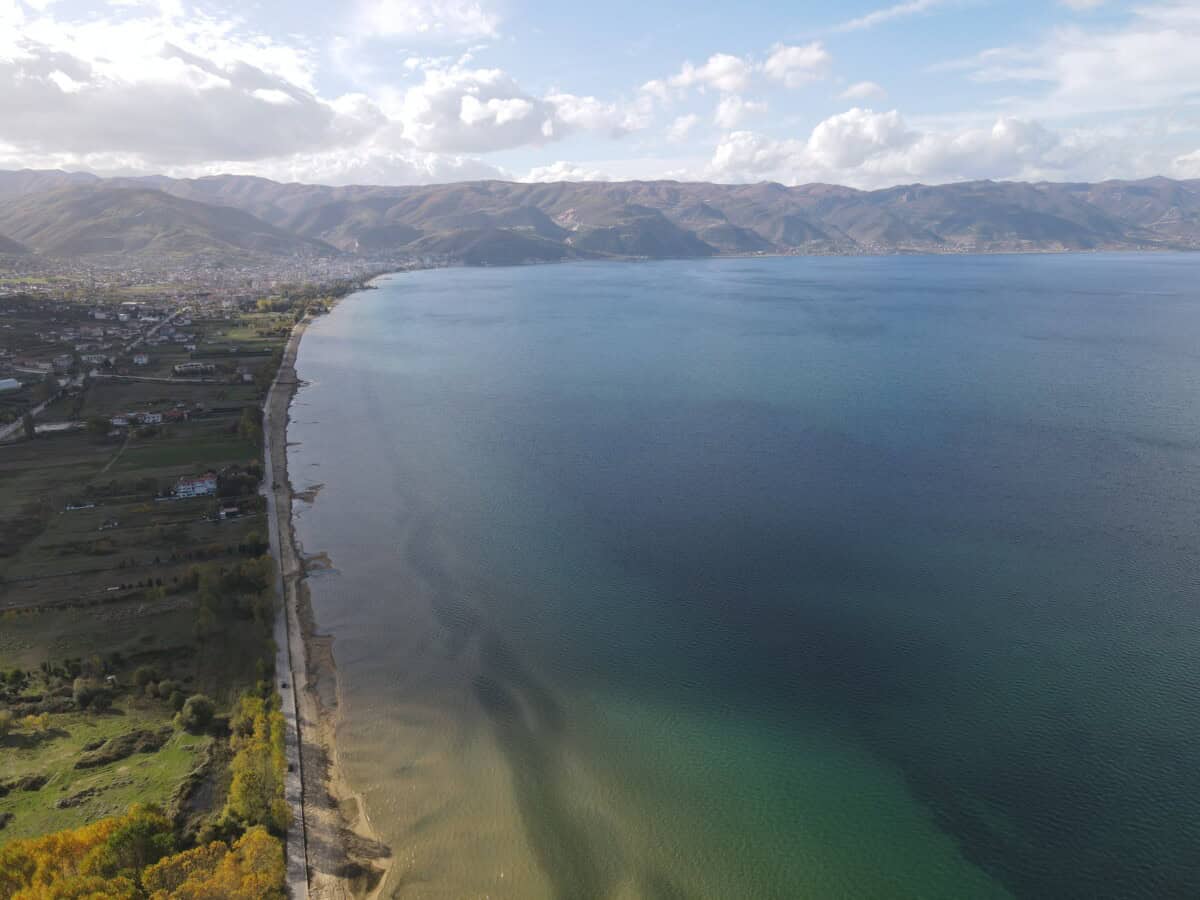
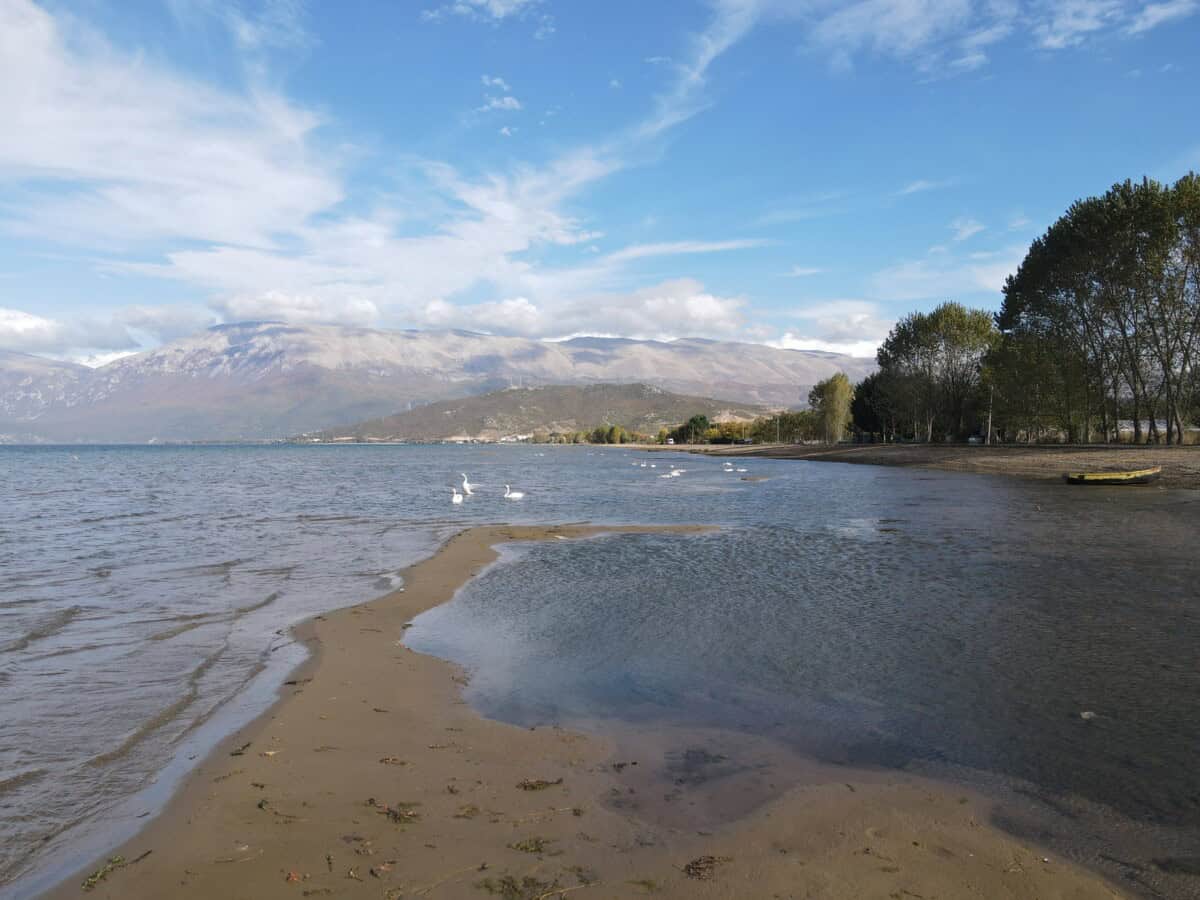
Více o Ohridském jezeře
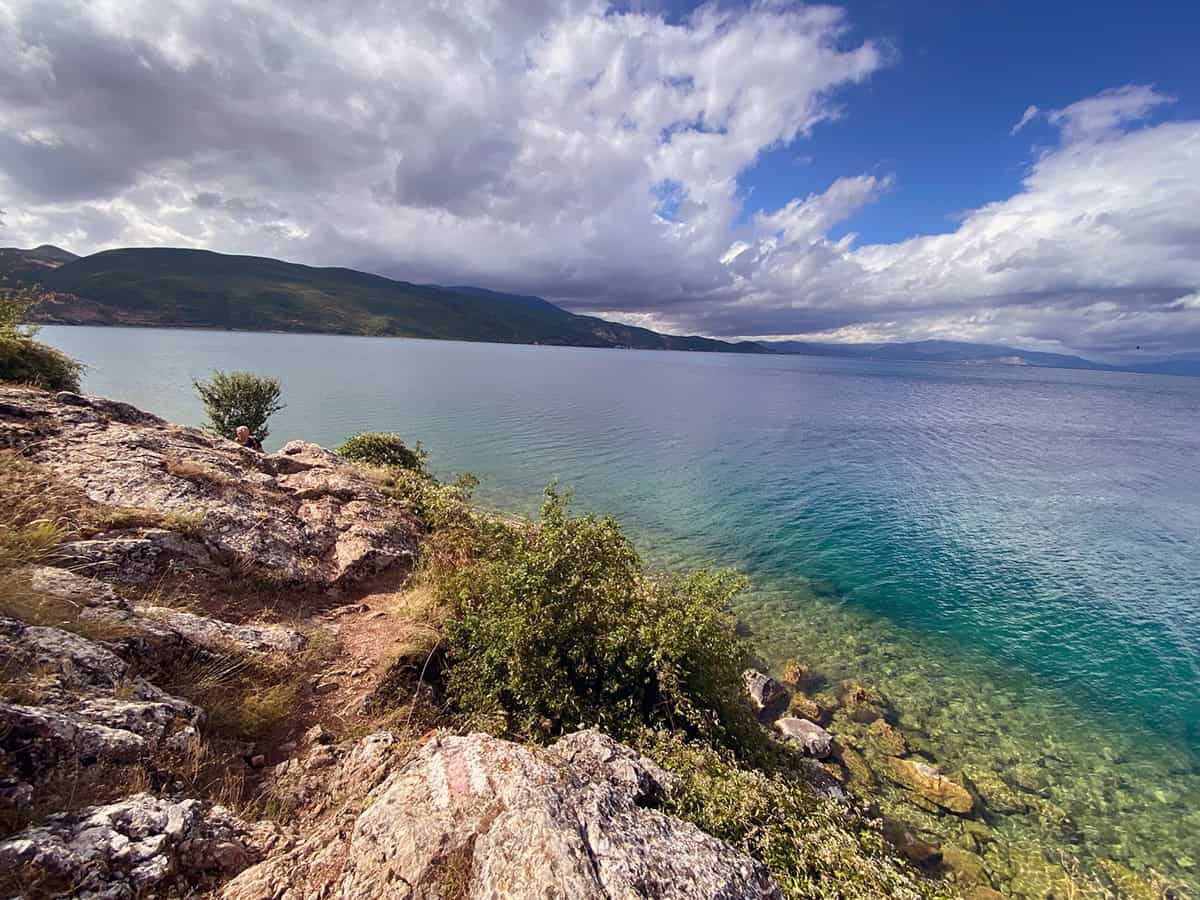
Thanks to stable conditions, several endemic animal species evolved in the lake. The most famous is the salmon-like fish Koran – a true symbol of Ohrid, which has been fished here for centuries and tastes like no other fish in the world.
The Macedonian part of the lake, along with the Macedonian city of Ohrid, was inscribed on the UNESCO World Heritage list in the 1980s. In 2019, the Albanian part was also inscribed on the same list.
When God created Lake Ohrid, he said: “I have created the most beautiful place in the world, but people are too sinful to live in peace on the shore of this lake. Therefore, I will let a monster live here.” No one knew what monster it was, but everyone was afraid and no one dared to live near the lake. One day, a boy named Strugë plunged into the lake to face the monster. It was a battle to the death. The monster won the battle and devoured the young man.
After this event, the people from the surrounding area decided to defy the monster, and despite the danger, they built a village on the shore of the lake, which they named in honour of the hero Strugë. The creature understood that courage is more than strength and never appeared again. So goes one of the Macedonian legends.
And a little more ancient history. Remnants of a very old settlement that dates back approximately 8,000 years were found on the bottom of Lake Ohrid. This settlement is among the oldest known in Europe in terms of lakes or aquatic environments. The underwater archaeological site near the village of Ploča Mištov Grad and the Albanian village of Lin revealed remains of wooden posts that were part of a prehistoric pile-dwelling settlement. Wooden structures, ceramics, stone and bone tools, and remains of organic material – grain, animal bones – were discovered, proving agricultural and pastoral activities.
This discovery changes previous ideas about prehistoric settlement of the Balkans. The research involves archaeologists from Austria, Switzerland, the Czech Republic, and Albania. Czech teams play an important role particularly in the areas of food analysis, environmental archaeology, and geological research, which complement the archaeological work carried out on site.
Praktické
The journey from Tirana has been significantly shortened thanks to the new road Qukës-Qafë Plloçë. Lake Ohrid and the entire southeastern region of Albania have become somewhat more accessible to visitors of Albania. If you have at least some time to spare, do not hesitate to visit the lake area. From the Albanian side, the frequent destinations on the shore of the lake are the city Pogradec and the village Lin.
Mapa
Hrobky v Selcë i Poshtme
Více o Selcë e Poshtme
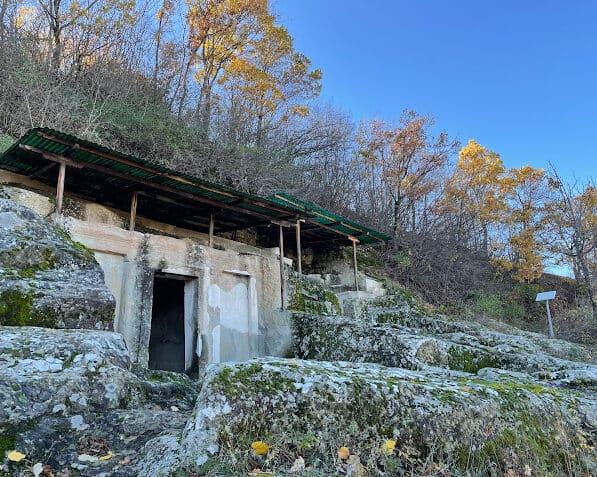
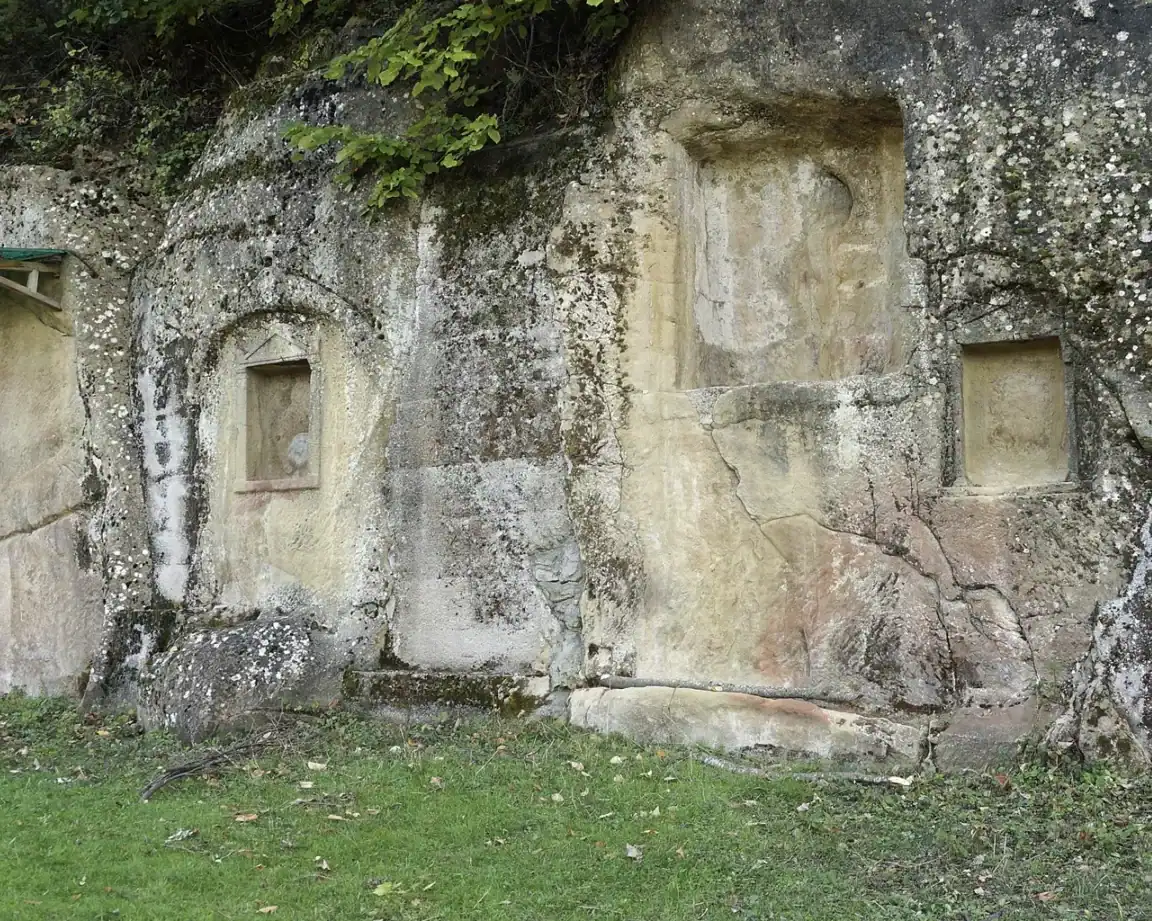
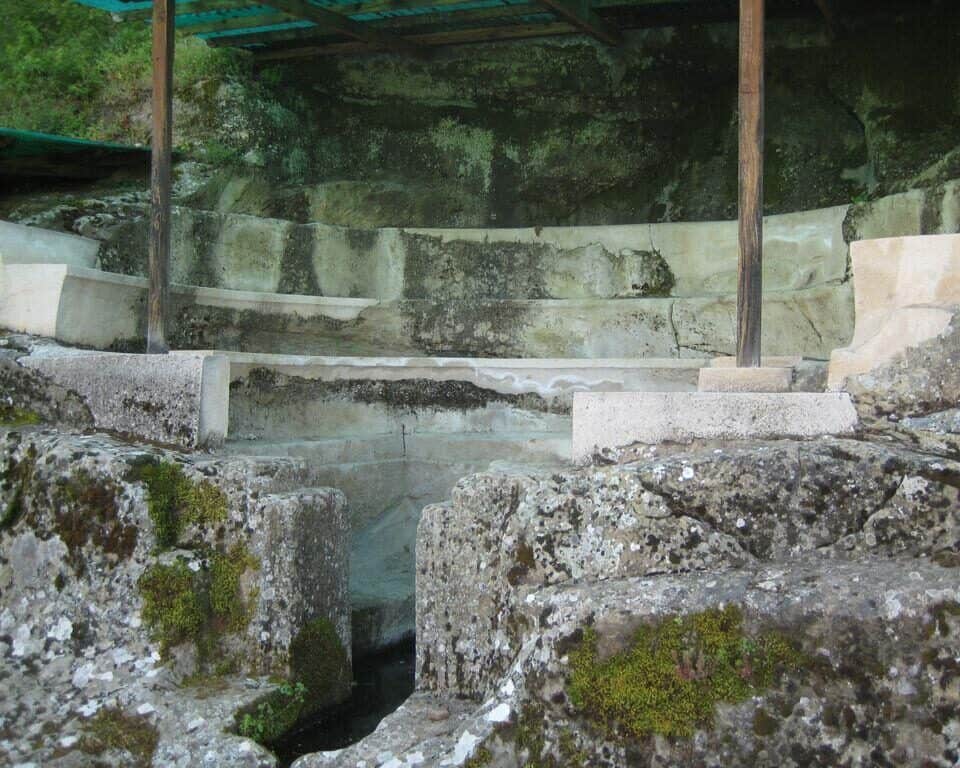
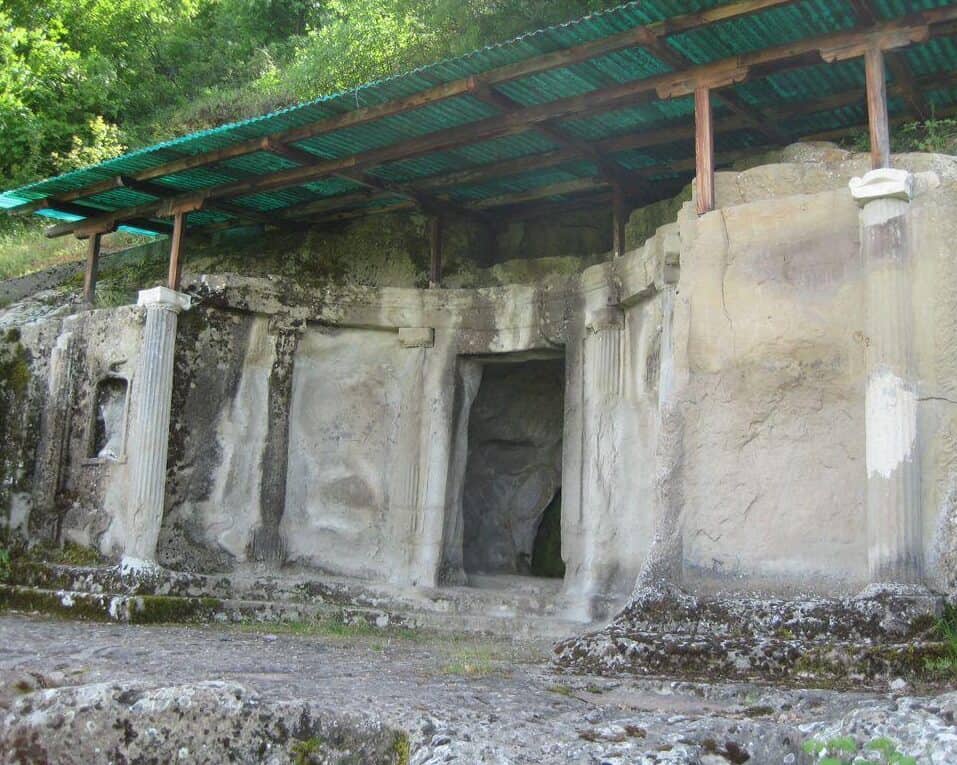
The tombs have unique architectural features, such as stone reliefs that testify to the high level of Illyrian craftsmanship. Archaeologists distinguish several main phases of settlement. The oldest (phases I–III) cover the late Neolithic, early and late Bronze Age, with rich ceramic finds.
The settlement remained continuously inhabited from the Bronze Age to the Iron Age. Around the 6th–5th century BC, it developed into a proto-urban center on an important trade route connecting the Albanian coast with Macedonia. A key turning point came with phase IV around 570–550 BC – then burnt dwellings began to appear here, imported pottery from Corinth, Ionian products, and local reddish-brown painted pottery that imitated Greek patterns.
In the 4th century BC, the acropolis was fortified with a massive stone wall made of well-worked blocks. In the 4th–3rd century BC, Selca functioned as an important trade and administrative center. For life in the hilly terrain, terraced plots were created, and in the 3rd century BC, monumental tombs were carved into the rocks around the acropolis. One of them contained a rich collection of finds, such as weapons, bronze vessels, ceramics, and gold jewelry.
The construction of the trade route Via Egnatia, which unfortunately bypassed the city, gradually contributed to its decline. In the 4th century AD, Selca was again fortified with stone walls and served as a military and administrative center – houses were built from recycled Illyrian and Roman materials. Based on coins, two main phases can be distinguished – the first under Valentinian I (364–375) and the second under Justinian I (518–565), specifically until 547/548. The city lost its importance only after Slavic raids, which destroyed the last remnants of Illyrian settlement.
Today, Selcë e Poshtme is a fascinating place where thousands of years of history blend with beautiful nature – ideal for those who want to experience authentic Albanian history off the main tourist trails.
Praktické
A new, nearly 50-kilometer section of the road Qukës-Qafë Plloçë, which was completed in 2025, runs near the burial site. The location is thus now more easily accessible.
Mapa




Vesnice Lin
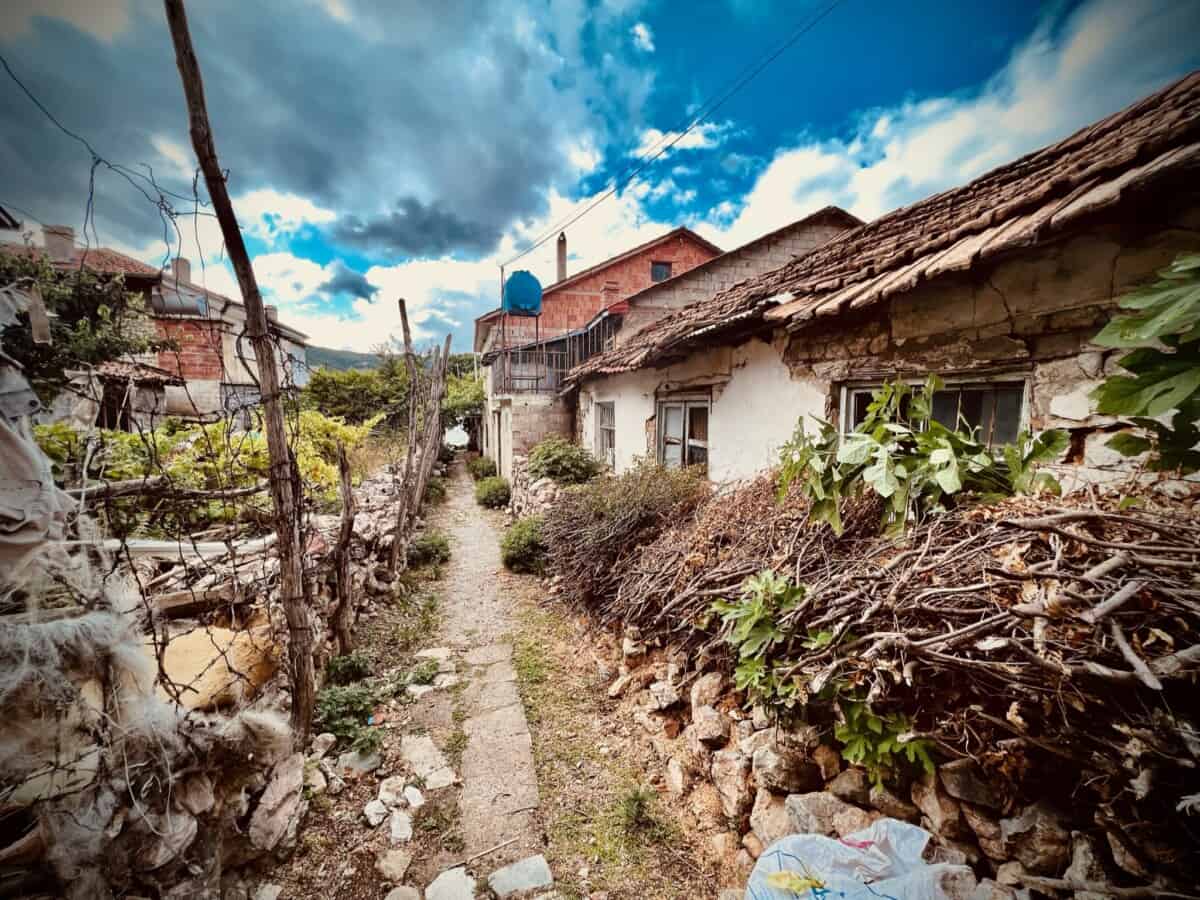
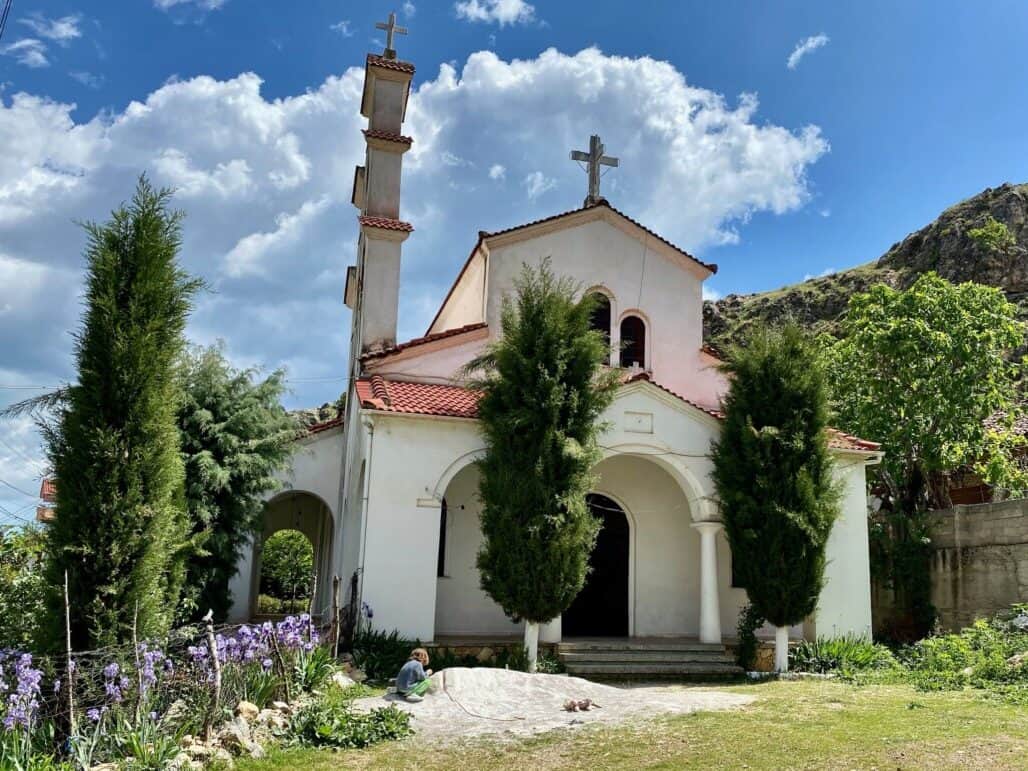
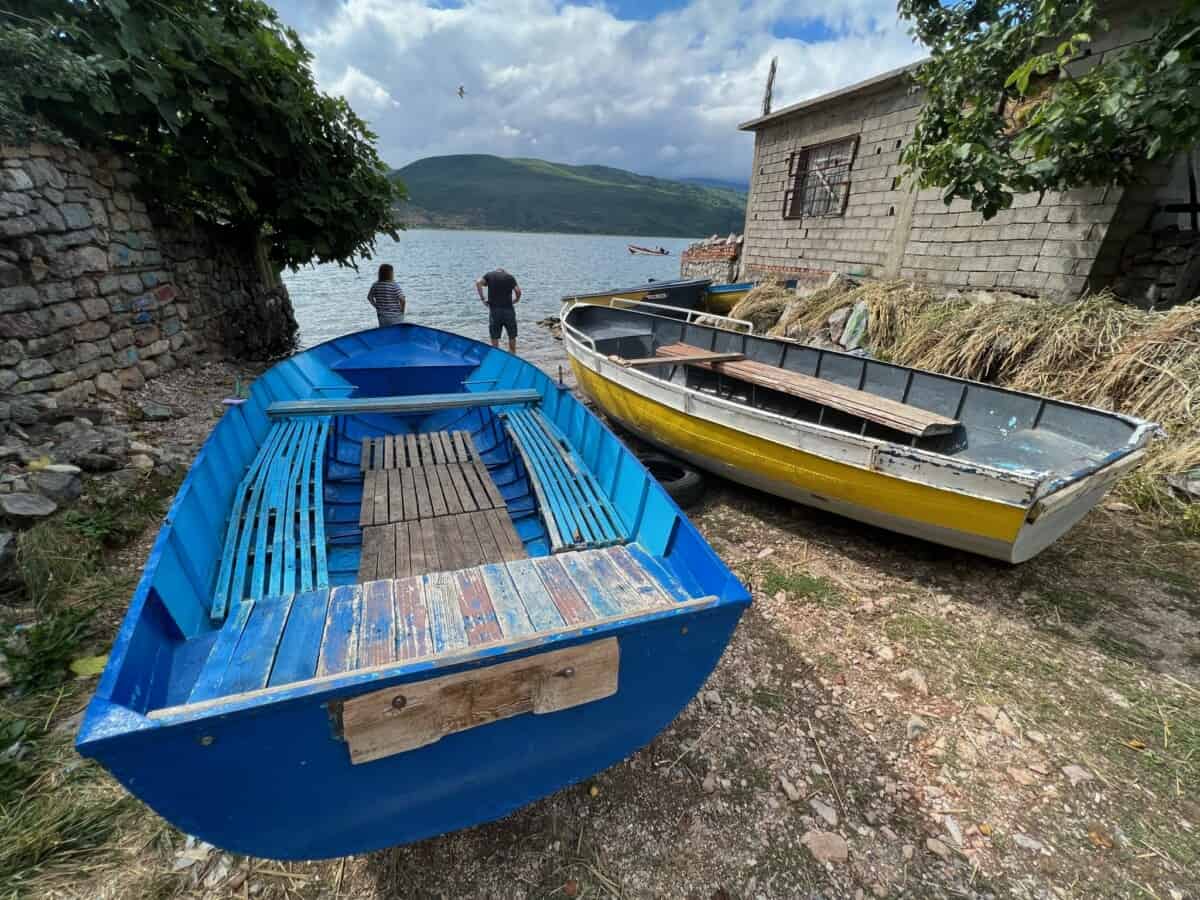
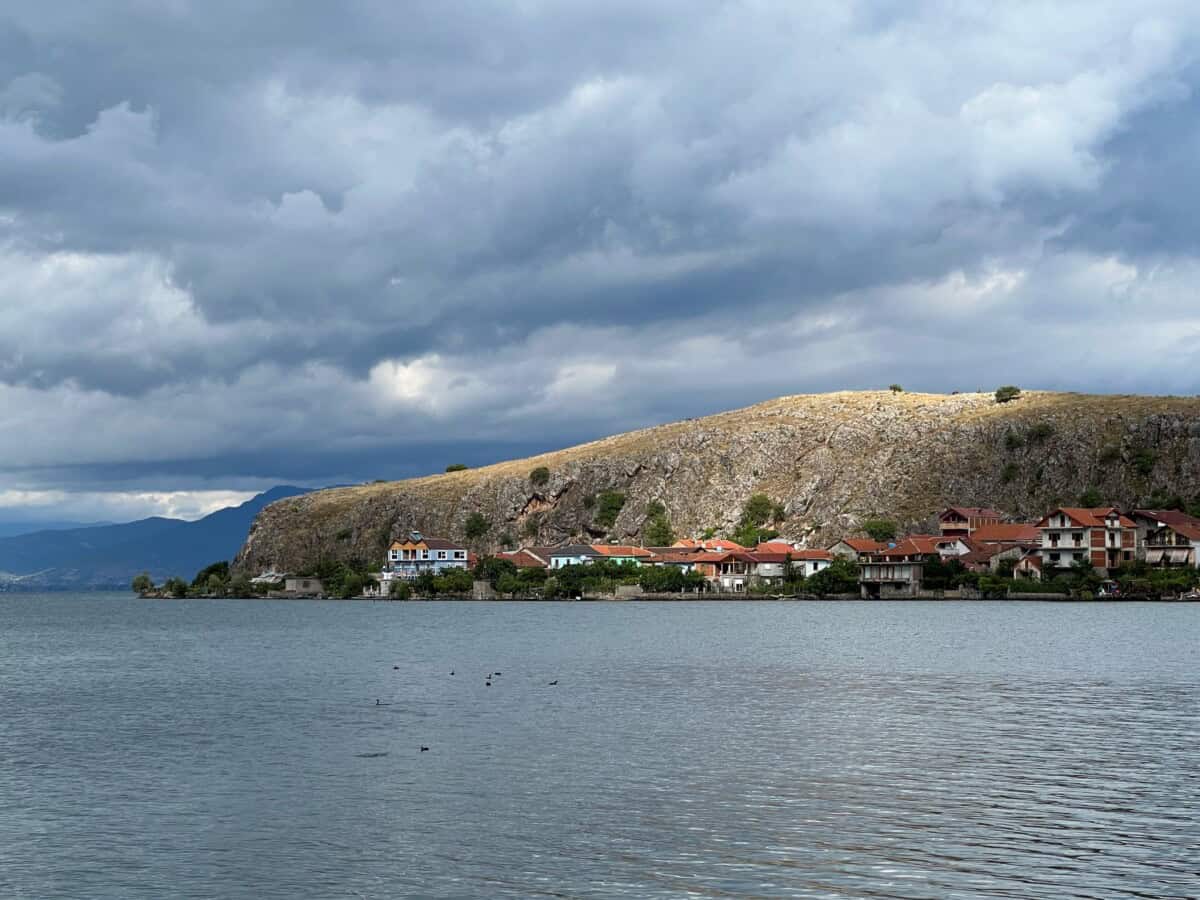
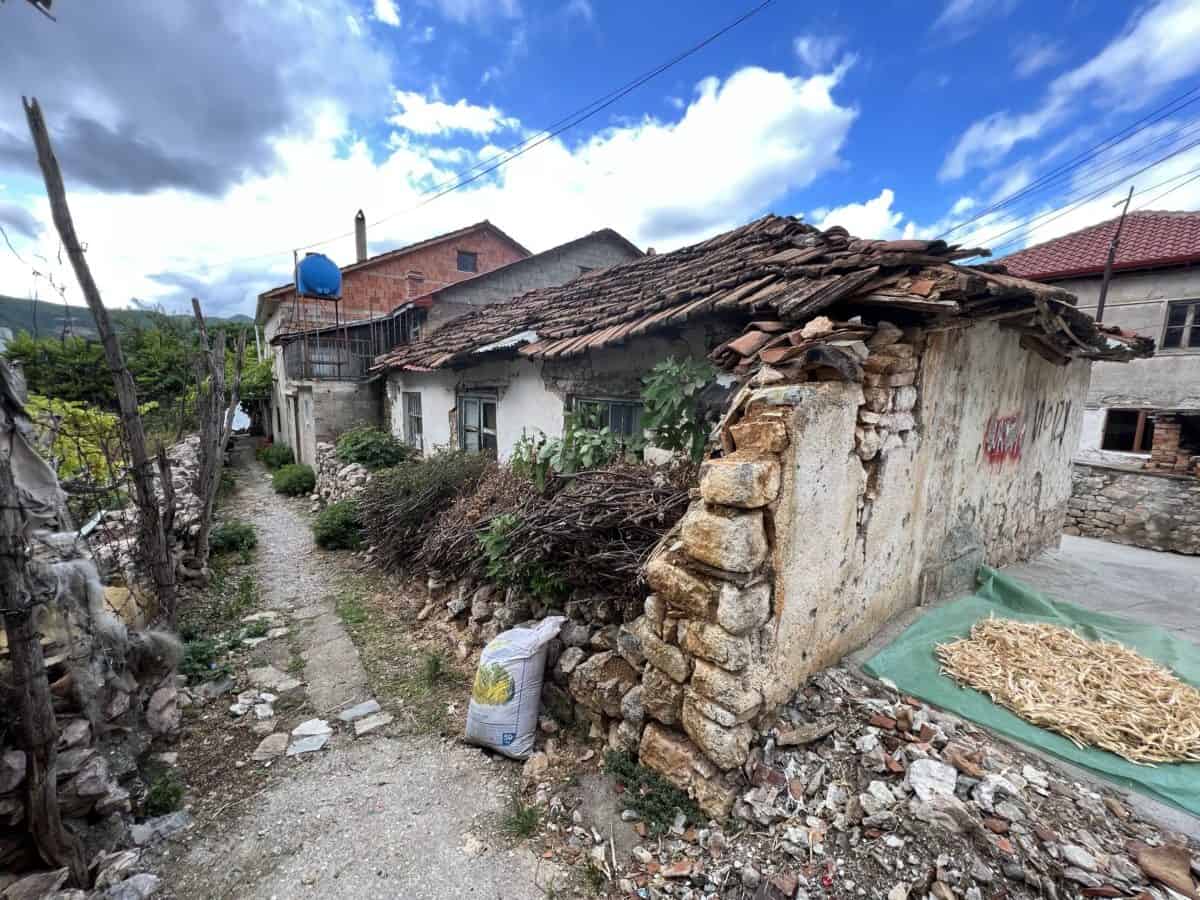
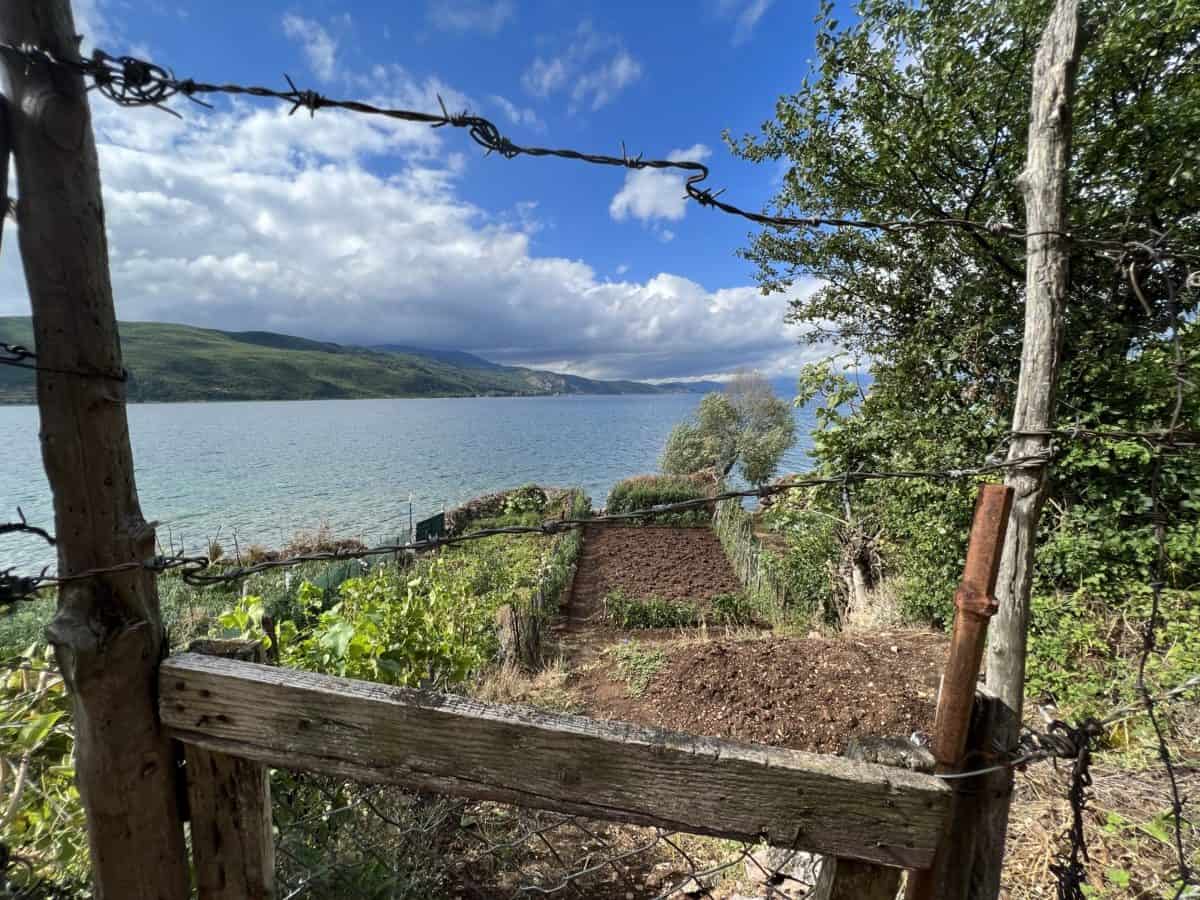
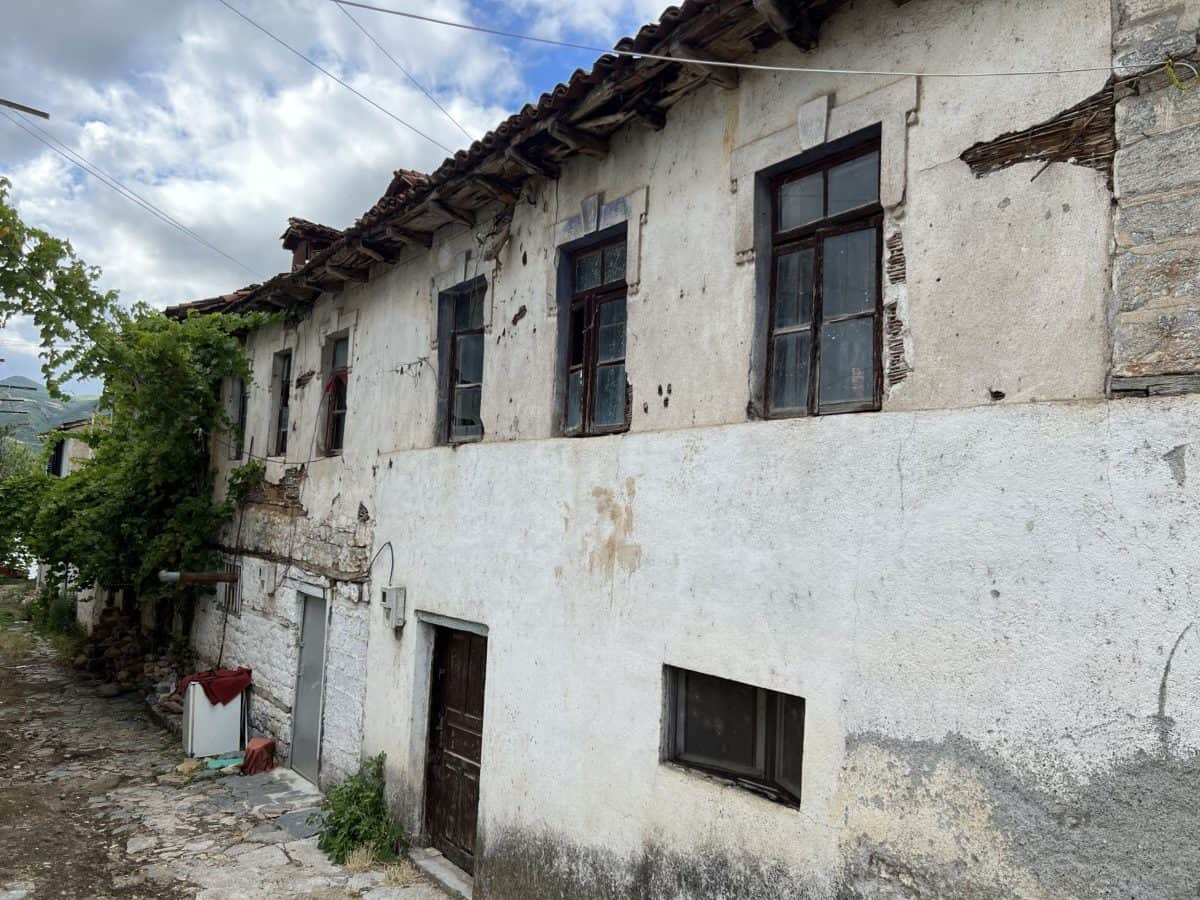
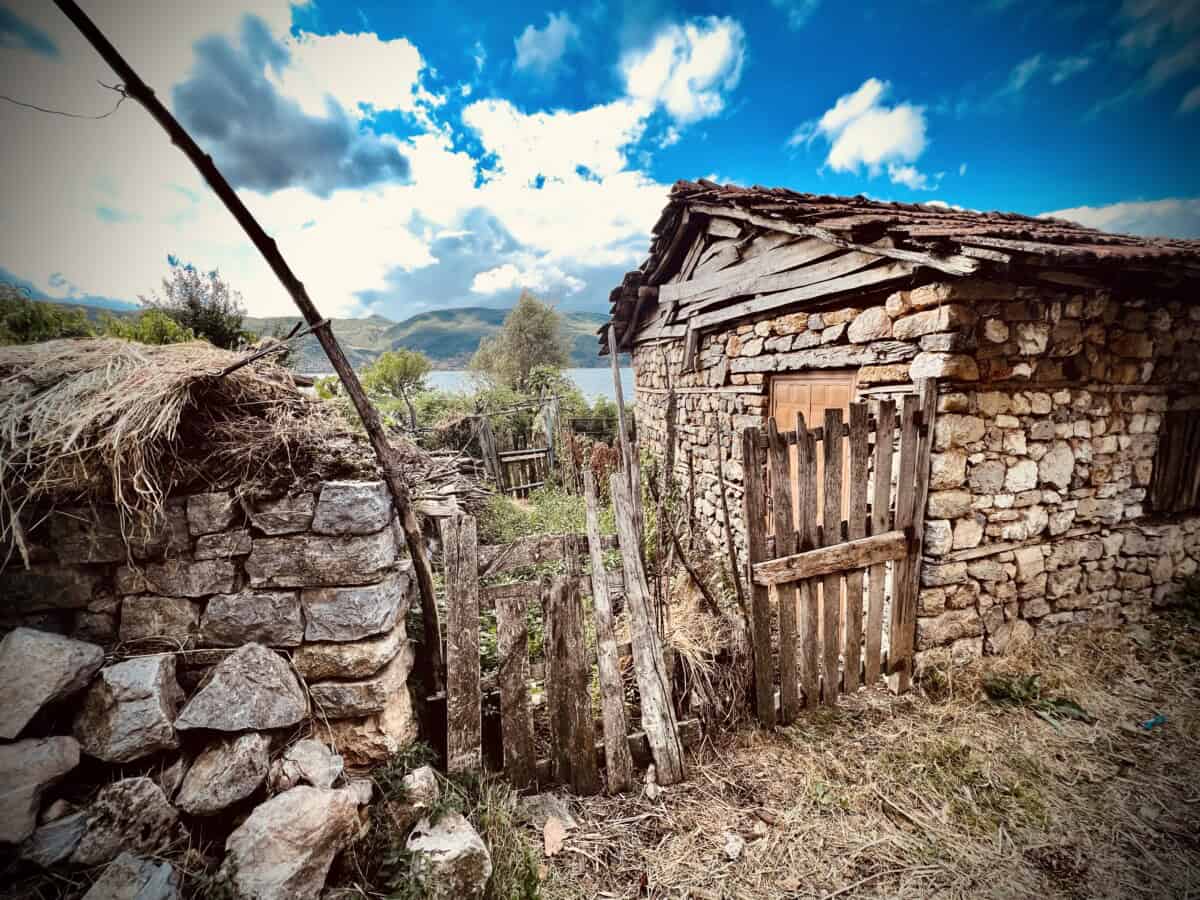
If you are moving in the area of Lake Ohrid, you should definitely not miss the village of Lin. In addition to the peaceful atmosphere, a walk through the streets will also take you deep into history. The surroundings of the village hide traces of human presence dating back to the Illyrian period, when an ancient settlement existed here.
Archaeological excavations revealed the ruins of Illyrian buildings and especially the foundations of a paleo-Christian basilica with fascinating mosaics. Also fascinating is the discovery at the bottom of Lake Ohrid. Remains of a very ancient settlement were found here, dating back approximately 8000-8500 years into the past.
Více o Linu
Finds beneath the surface of Lake Ohrid testify to the oldest known settlement in Europe – in terms of lakes or aquatic environments. The underwater archaeological site revealed remains of wooden posts that were part of a prehistoric pile-dwelling settlement. This discovery shows that people lived here in organized communities, probably due to the strategic location and access to water. Czech archaeologists also participated in the research. Today, the entire history of this small village is carefully protected and presented as an important part of Albanian cultural heritage. Accommodation in Lin is mainly composed of small family guesthouses with views of the lake.
Local residents and visitors are enchanted by the legend of the Byzantine Emperor Justinian I from the 6th century. Justinian, himself of Illyrian descent, allegedly hid an important part of the Byzantine Empire’s treasure here, on the shore of Ohrid near the Lin peninsula, at a critical moment in his reign. The story has been passed down from generation to generation for fourteen centuries – and the treasure? No one has found it yet, which surrounds the entire place with a mysterious aura.
Praktické
The village is an ideal stop during a trip from the Czech Republic to Albania if you travel through North Macedonia. From the border crossing Qafë Thanë between Macedonia and Albania it is only 10 kilometers.
This stop is worth it not only because of the village Lin, but generally because of Lake Ohrid. In the village Lin don’t forget to taste the salmon-like fish Koran. It cannot be found anywhere else in the world. It is an endemic species, living only in Lake Ohrid.
Mapa
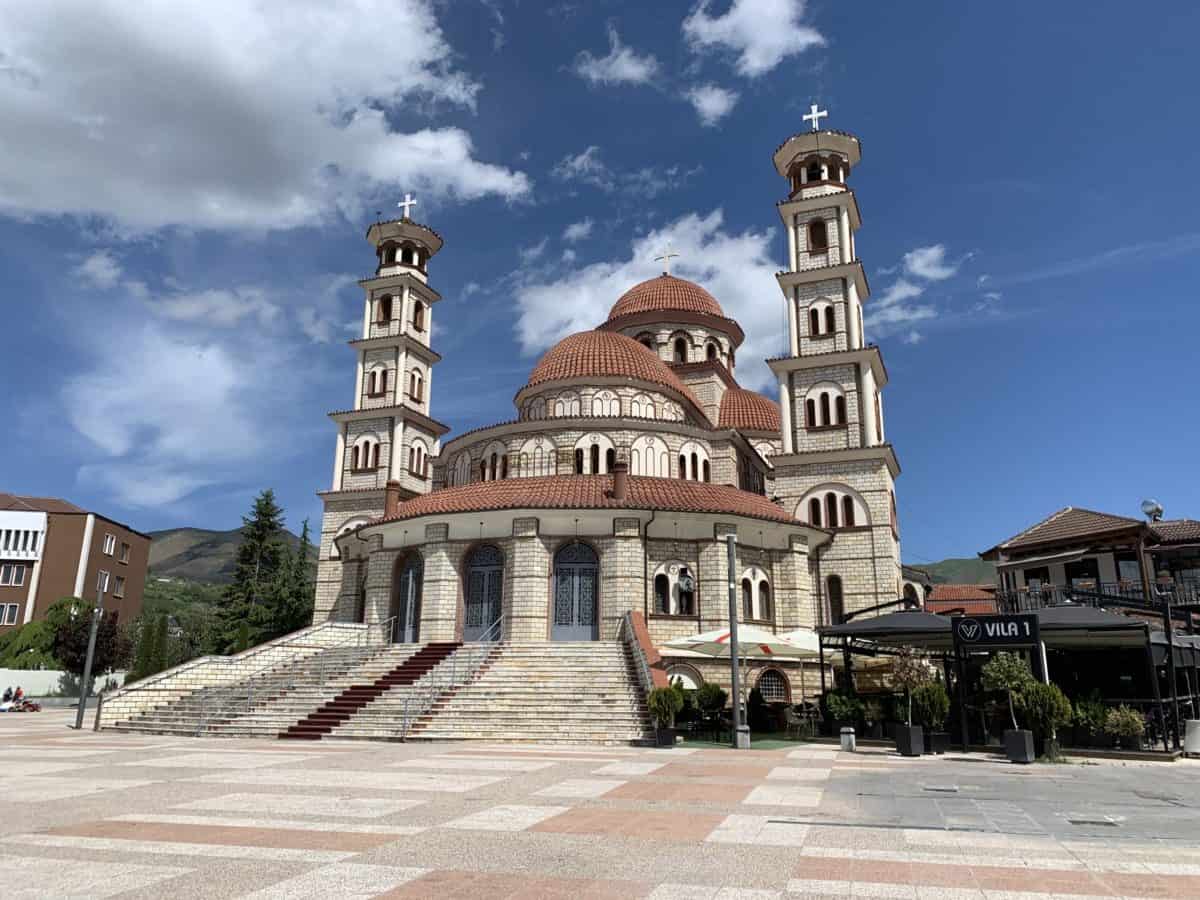
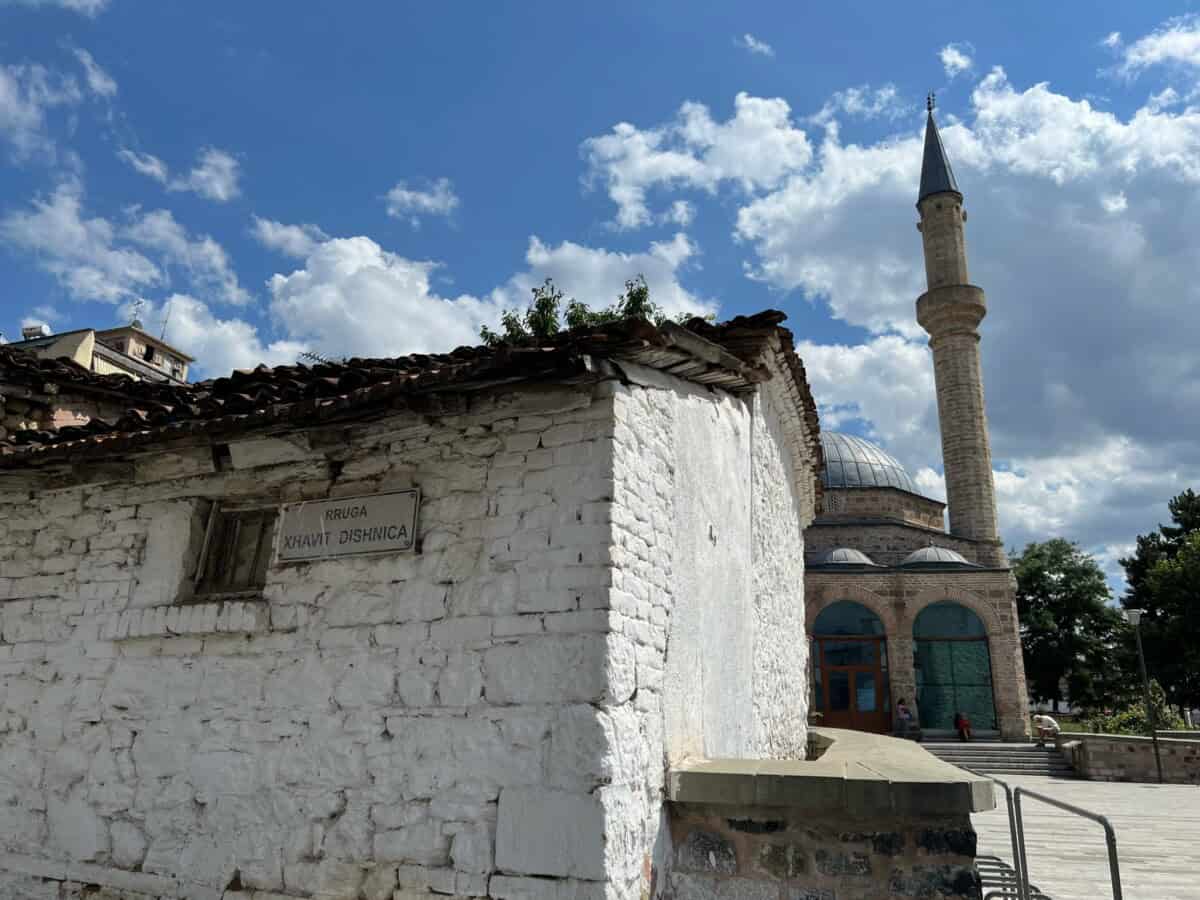
City Korçë
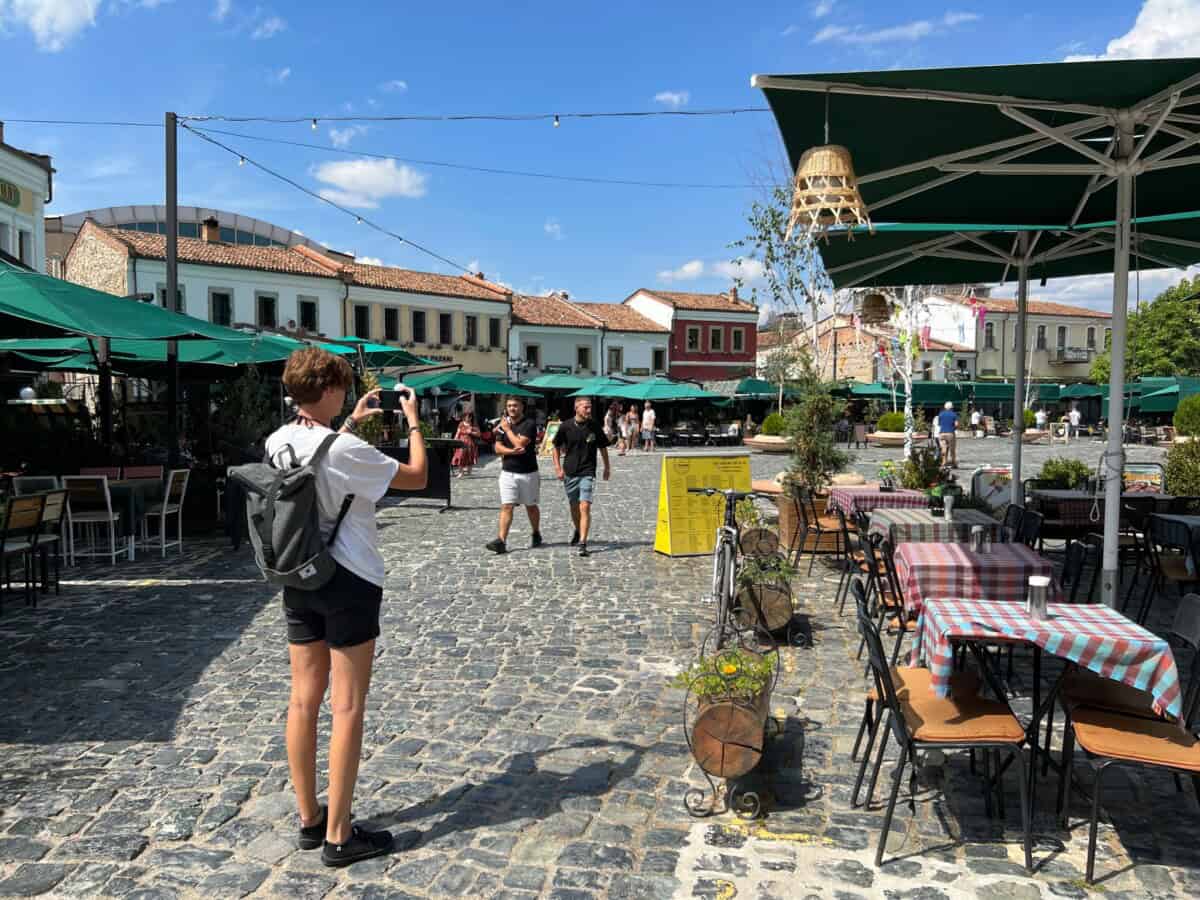
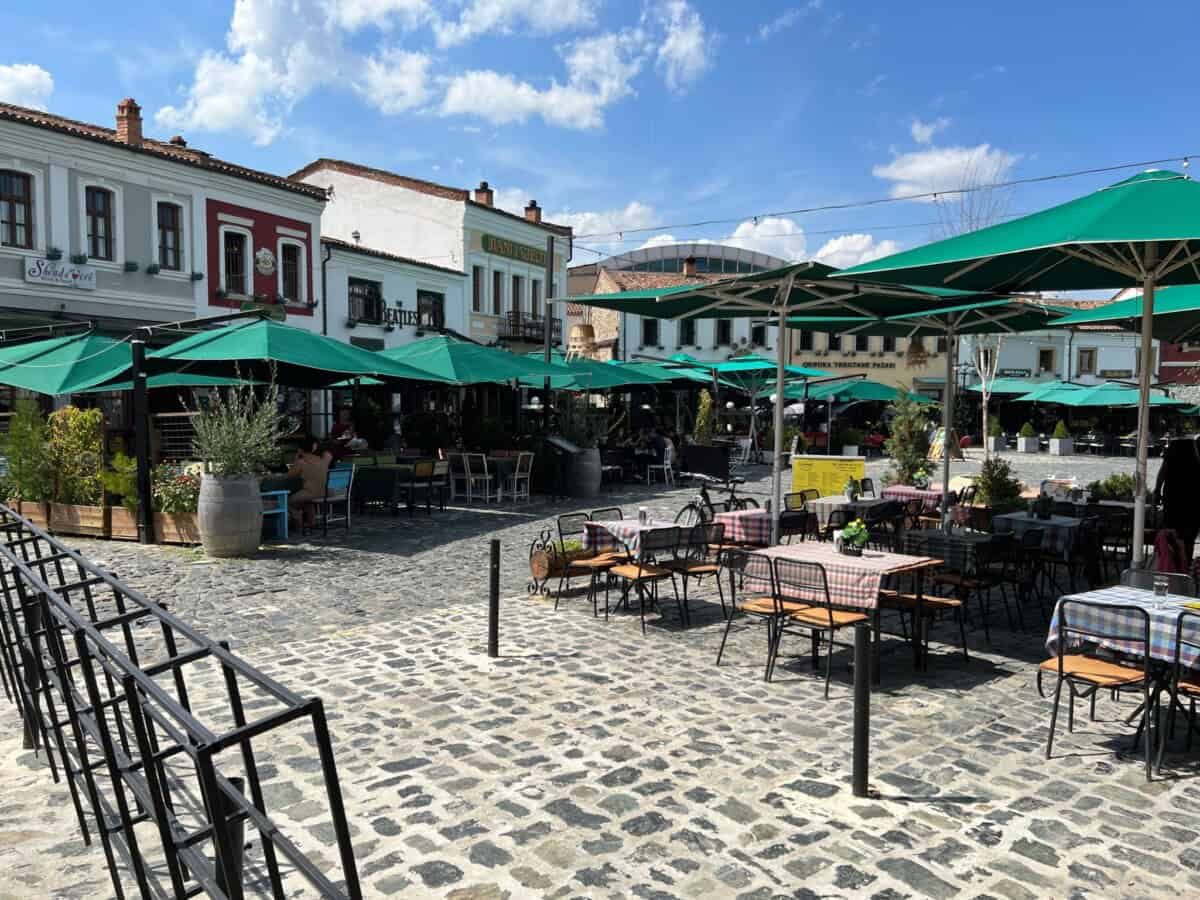
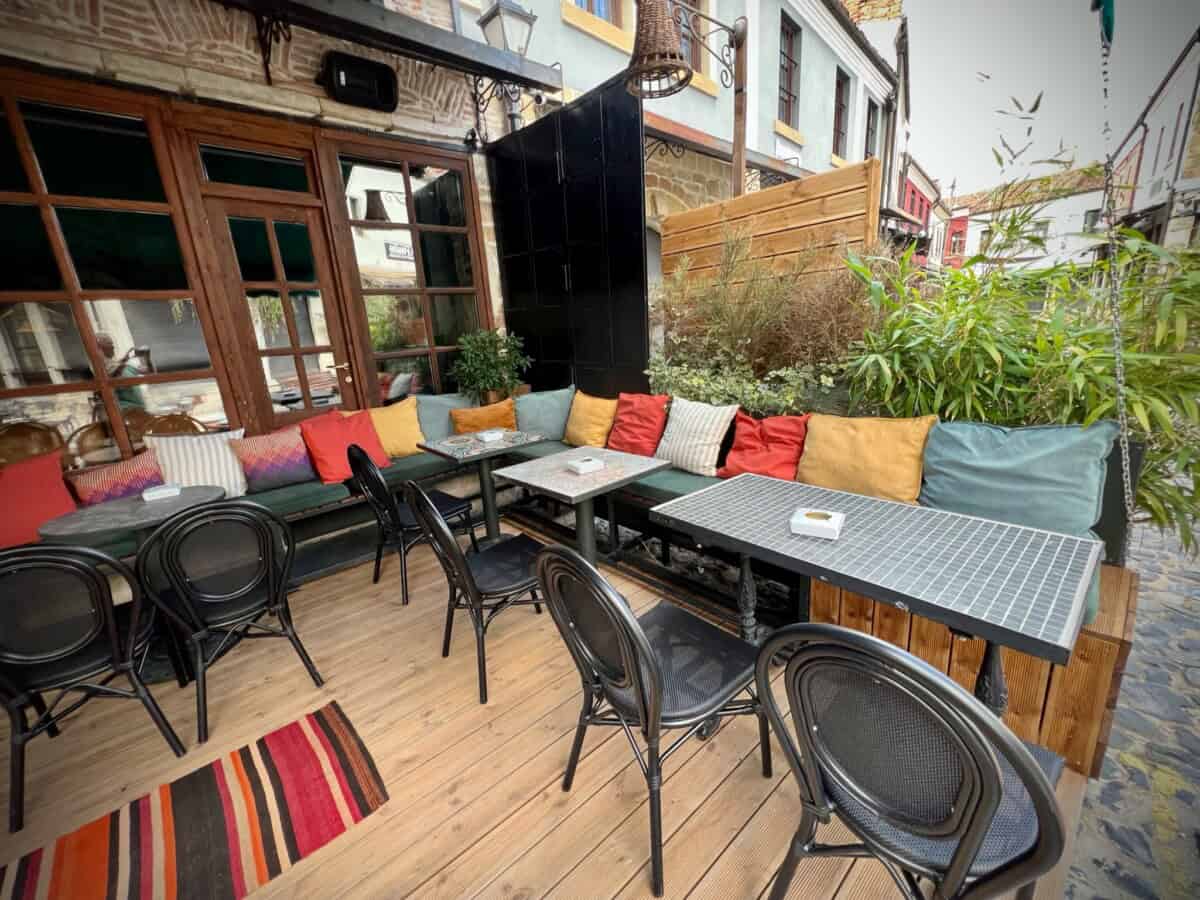
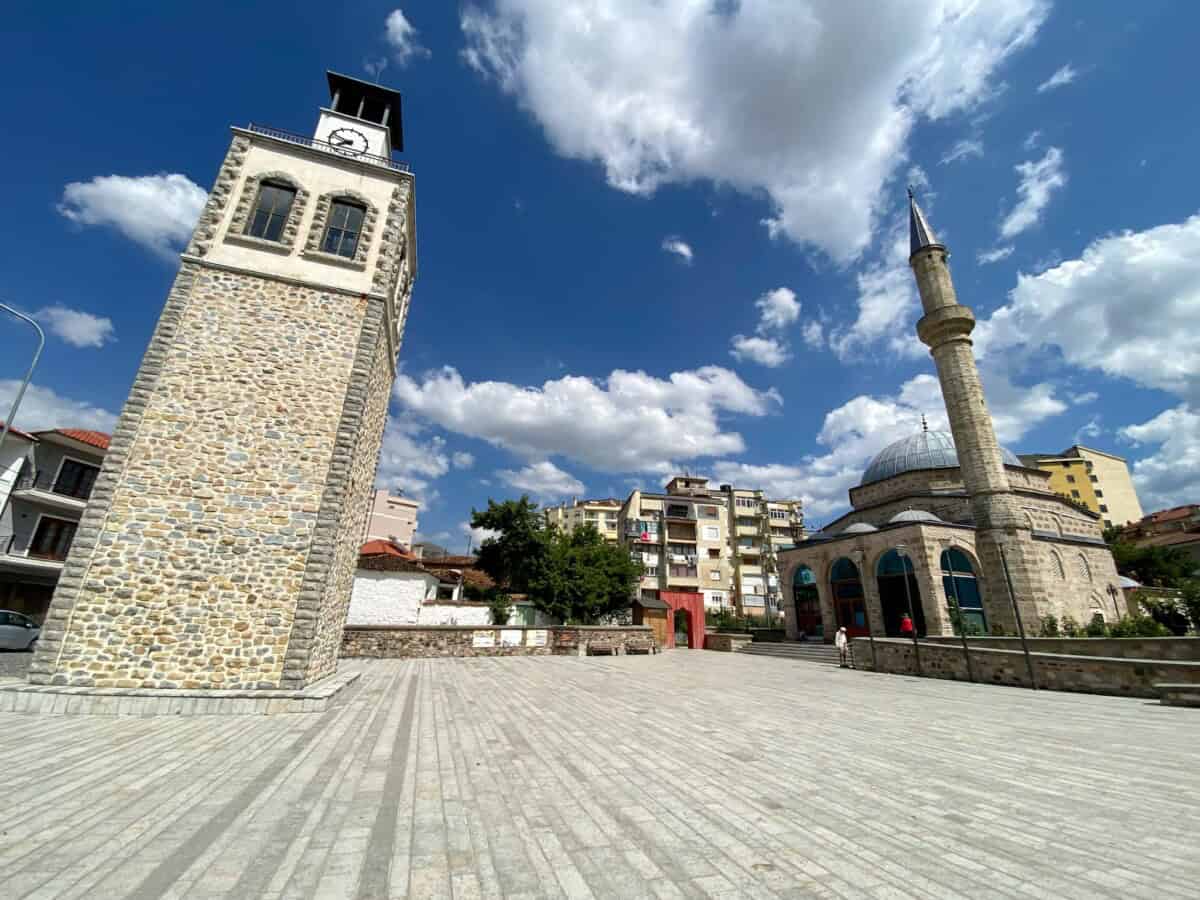
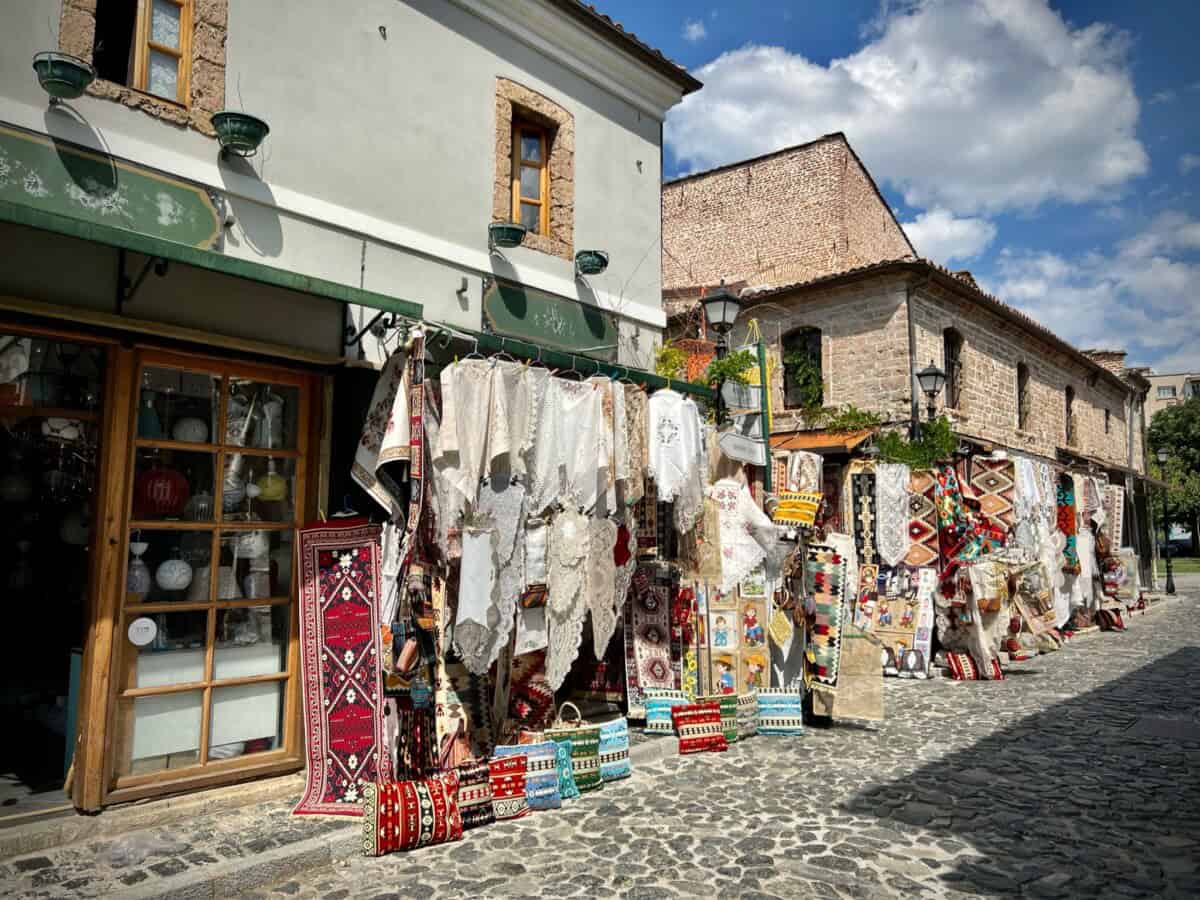
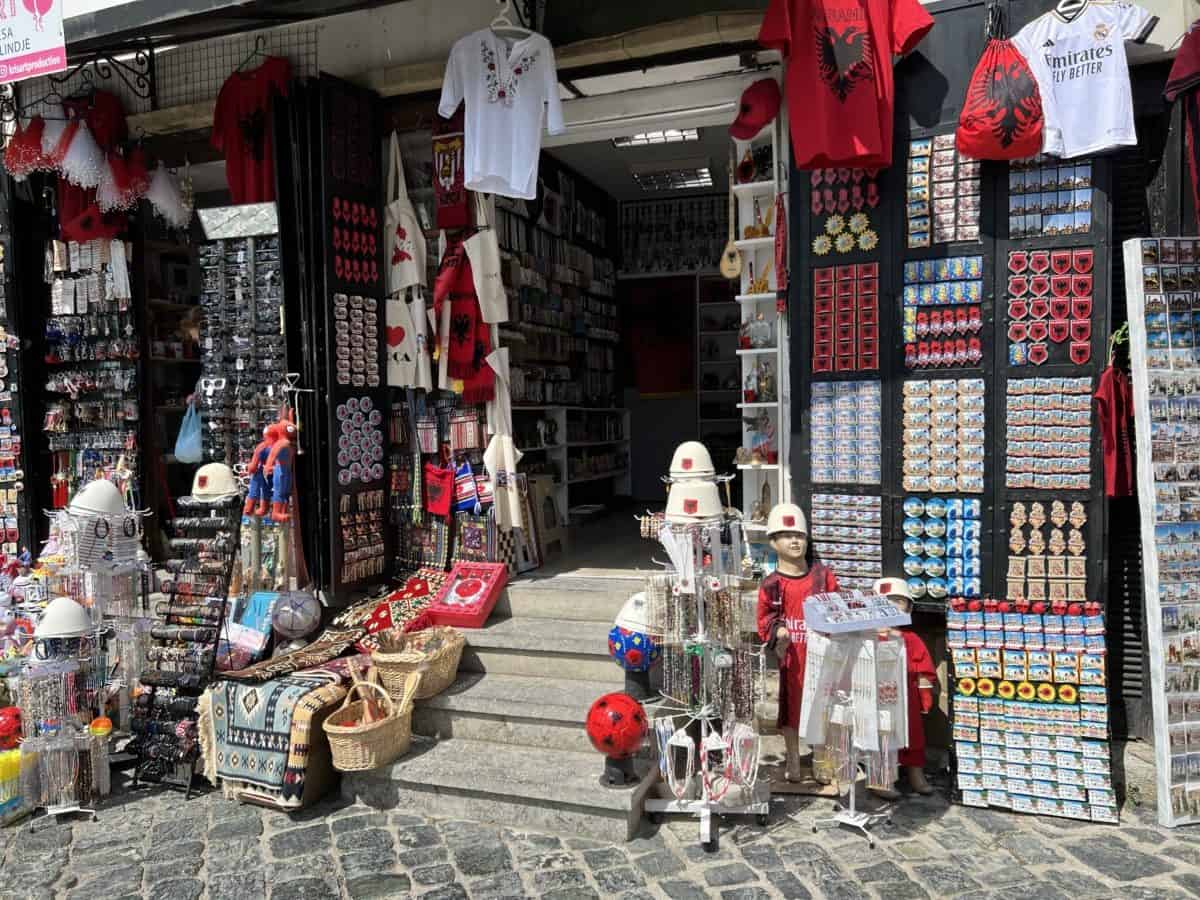
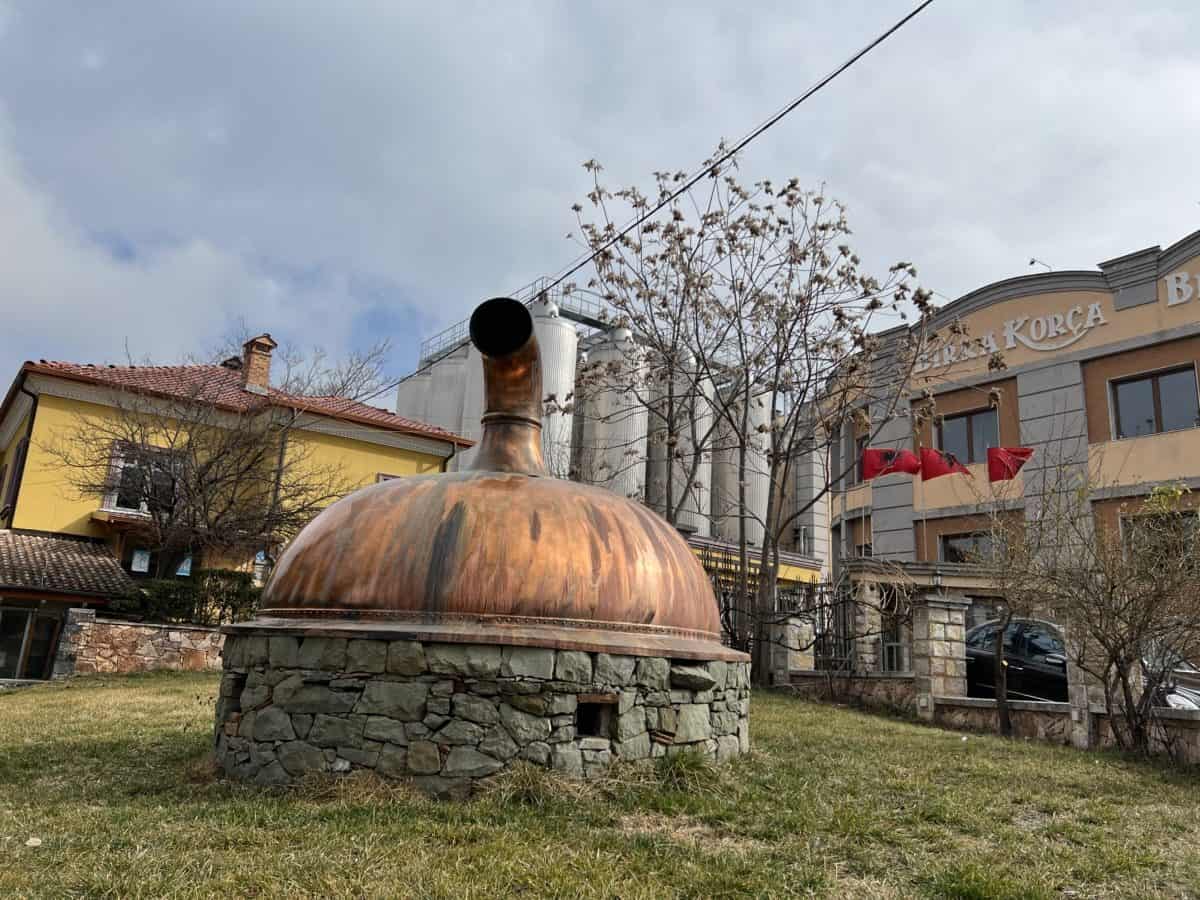
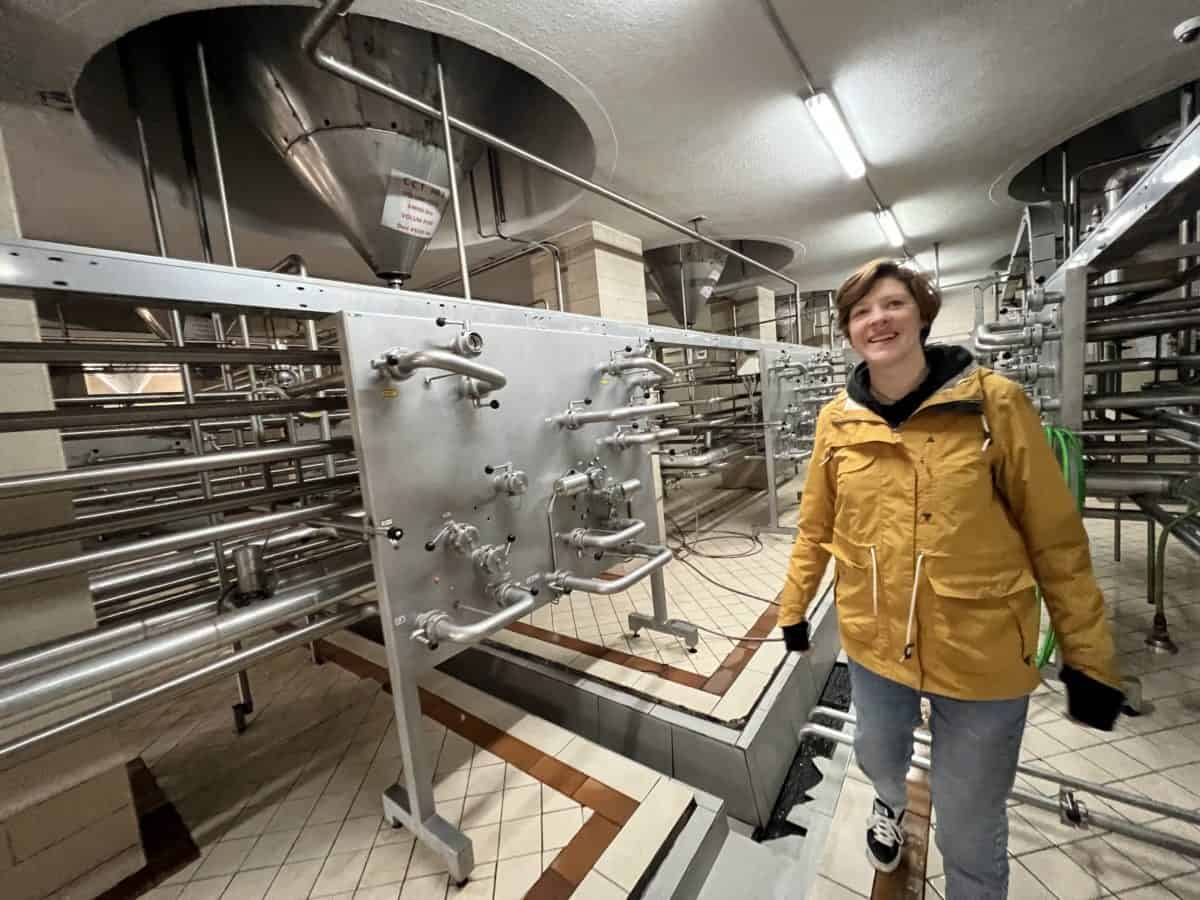
The city of Korçe radiates education and youthful temperament. A favorite place that attracts visitors is Bazar, where you will find souvenir shops and also plenty of cafes and restaurants with regional dishes. Another attraction is the brewery, which was built with the help of Czech experts and Czech technology, and is one of the oldest and most famous in Albania.
For those interested in history, there are very interesting museums available. Anabsolute must-see is National Museum of Medieval Art (Muzeu Kombëtar i Artit Mesjetar). It is one of the most impressive and most valuable museums in all of Albania. The collection contains an incredible 7500 exhibits. You will find the largest and most valuable Albanian collection of icons by legendary painters such as Onufri or the Zografi brothers. All these masterpieces come from churches and monasteries in southeastern Albania – from Voskopojë, Vithkuqu and many other places. And pay attention, good news, since 2016 the museum has been located in a new building right next to the famous brewery. So you can quench your thirst and desire for historical information in one go. If you plan to stay overnight in Korçë, here is a selection of hotels and guesthouses.
Více o Korçë
Fascinating is also the Museum of Education (Muzeu Kombëtar i Arsimit), which is housed directly in the building of the legendary Mësonjëtorja – the first Albanian school, opened in 1887. This is where you can immerse yourself in the story of how Albanians fought for their own language and script. On display are two unique designs of the Albanian alphabet from the 19th century by Naum Veqilharxhi and Kostandin Kristoforidhi – before they finally opted for today’s Latin alphabet in 1908.
The Korçë region lies on the territory of the ancient Illyrians and was practically settled from the fourth millennium BC. It was inhabited mainly by the tribes of the Kaones and Molossians. Archaeologists discovered here, for example, a coffin with a beautifully carved scene of two Illyrian blacksmiths working at an anvil – evidence of how long ago crafts flourished here.
Modern Korçë was founded in the 15th century by Illiaz Bey Mirahori, a very close collaborator and son-in-law of the Ottoman Sultan Mehmed II. The city began to flourish most after 1788 following the invasion of the nearby Voskopoja by the troops of Ali Pasha Tepelena. Due to the violent interference with the educational center, many educated families fled from there to Korçë. The city became an important cultural center thanks to the presence of educated inhabitants, and this tradition continued in the following centuries. In 1887, the first primary school in Albanian was opened here, and in 1891 the first girls’ school. In the 19th and early 20th centuries, Korçë was the heart of the Albanian national renaissance.
In Korçë in 1882, a girl was born who embroidered the Albanian flag – the one that was raised when Albanian independence was proclaimed on November 28, 1912 in Vlorë. The girl was named Marigo Posio and was an important Albanian patriot and activist of the national renaissance. Her story continues to inspire Albanians as a symbol of national pride and courage. Her grave is located on the island of Zvernec near Vlorë.
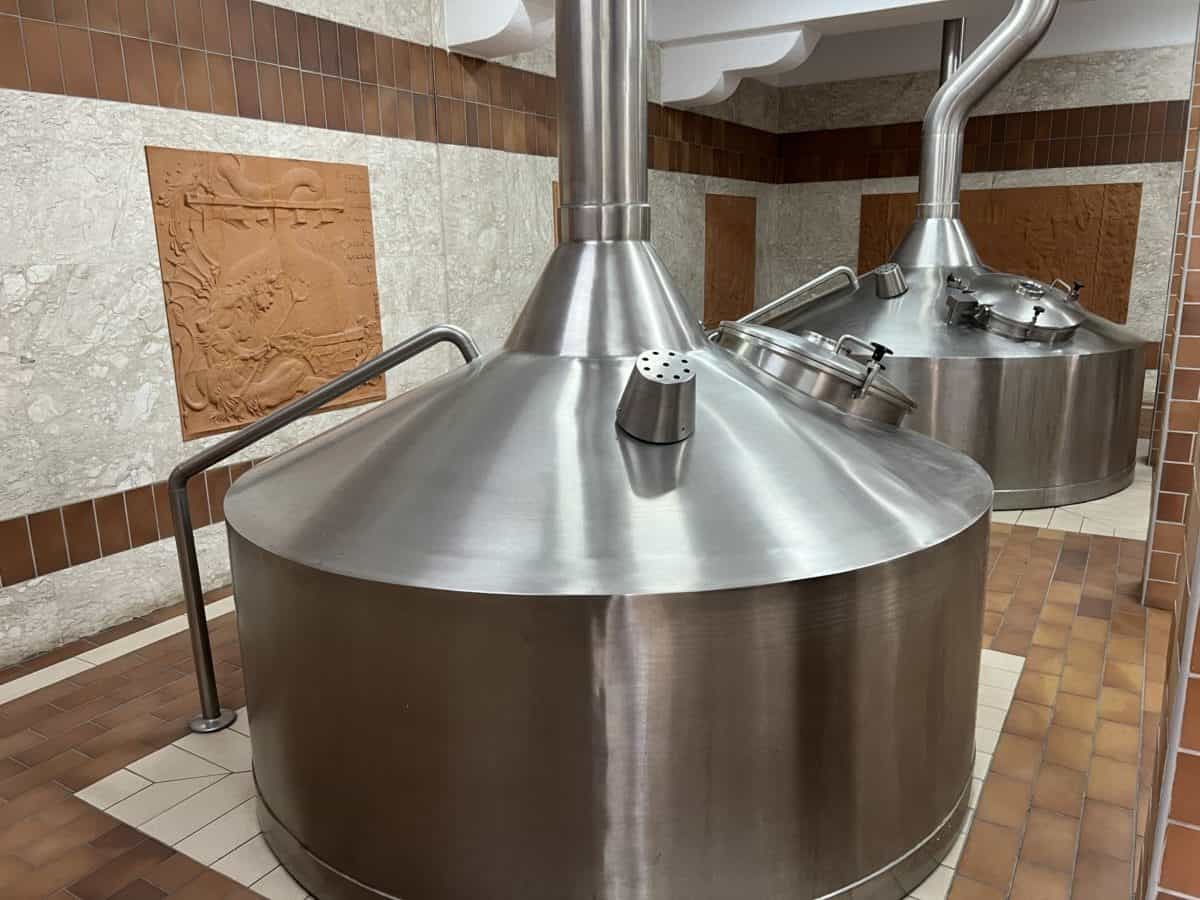
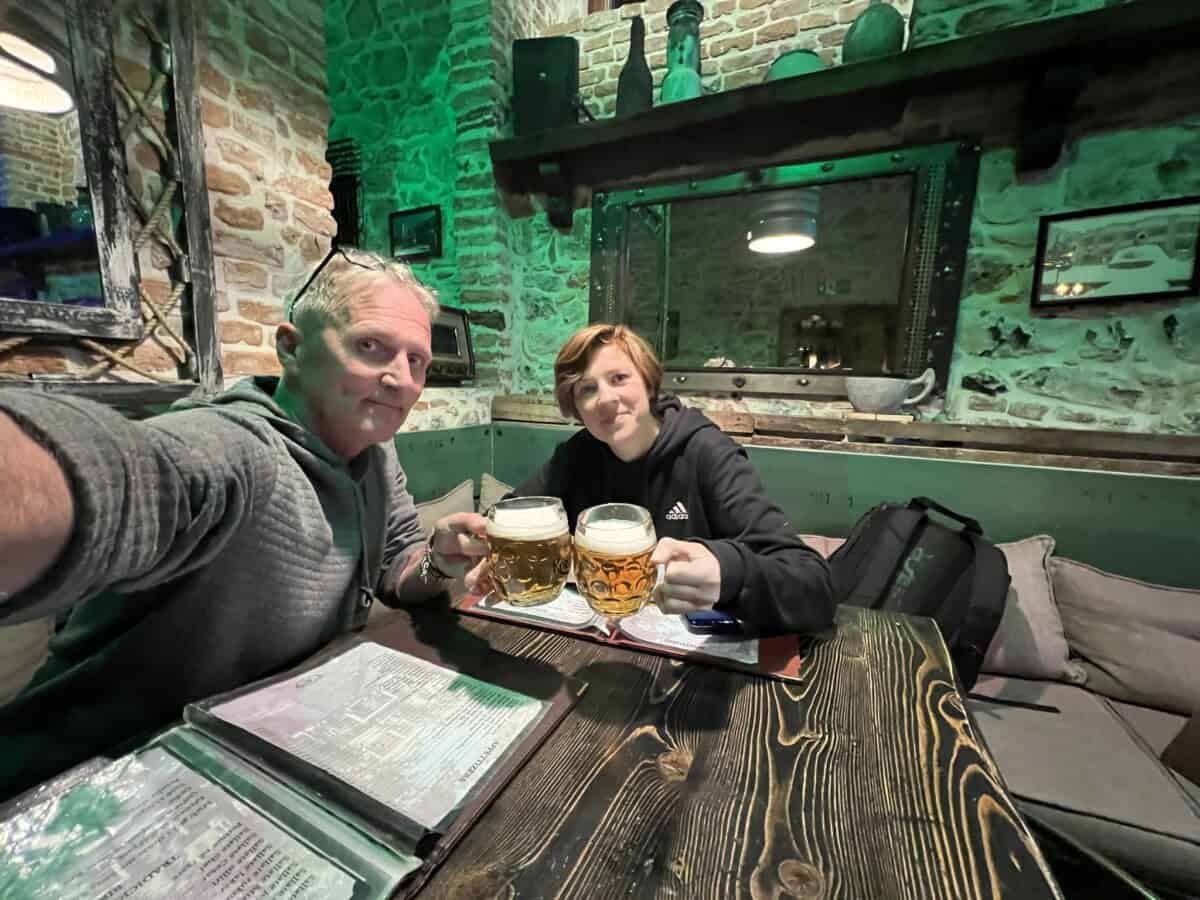
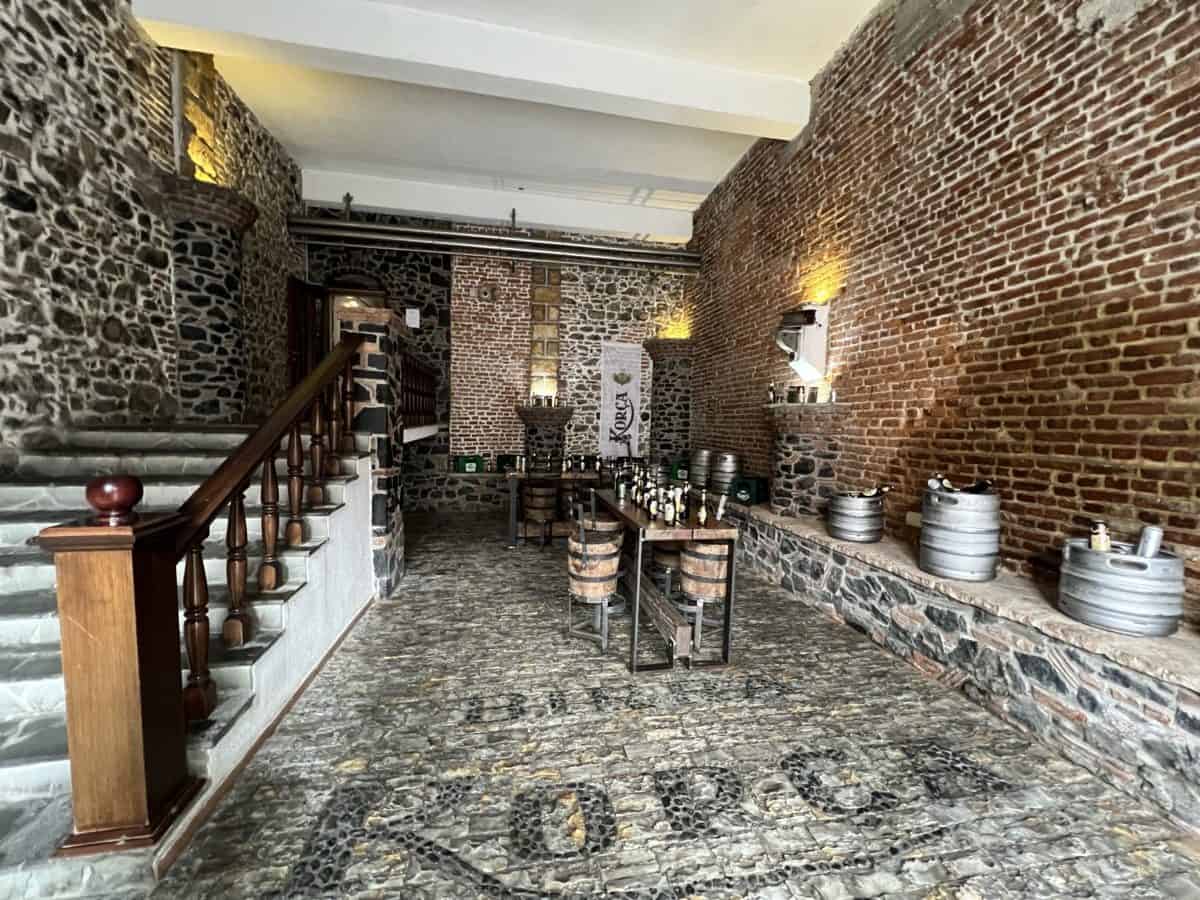
And a few more words about the brewery. It was founded in 1928 and Czech companies – such as ADAST from Adamov – participated in equipping and training personnel in beer production. A visit to the brewery restaurant is a great experience. A half-liter of chilled beer straight from the tank for less than 1€ will delight many a Czech beer lover. Your taste buds will also be satisfied thanks to excellent cuisine.
Praktické
Combining a visit to Korçë with a trip to the nearby education center Voskopojë is definitely a good idea. And if you want to really enjoy the city and surroundings in peace, make a trip here from anywhere in Albania with at least one overnight stay. Worth visiting, besides Voskopojë, are also Prespa or Lake Ohrid. And book your accommodation somewhere near the brewery so you can fully enjoy the evening at the brewery restaurant. If you are making a loop from Tirana, you can continue from Korçë to the not too distant Sotira Farm, where you can stay in a cottage and taste regional cuisine made from their own food sources. You can also take advantage of horse riding here.
Mapa




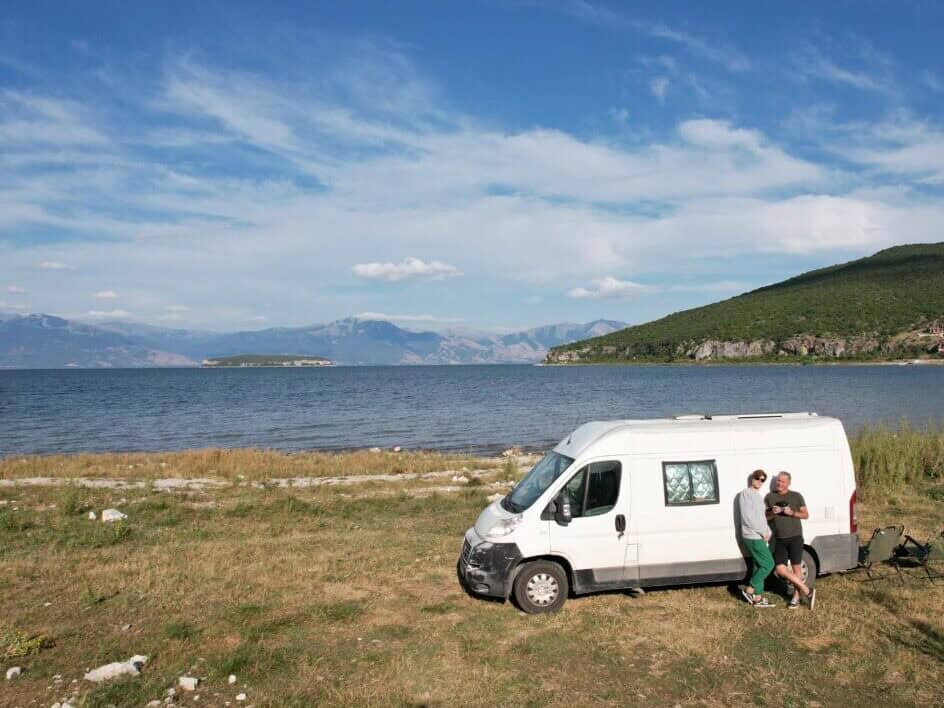

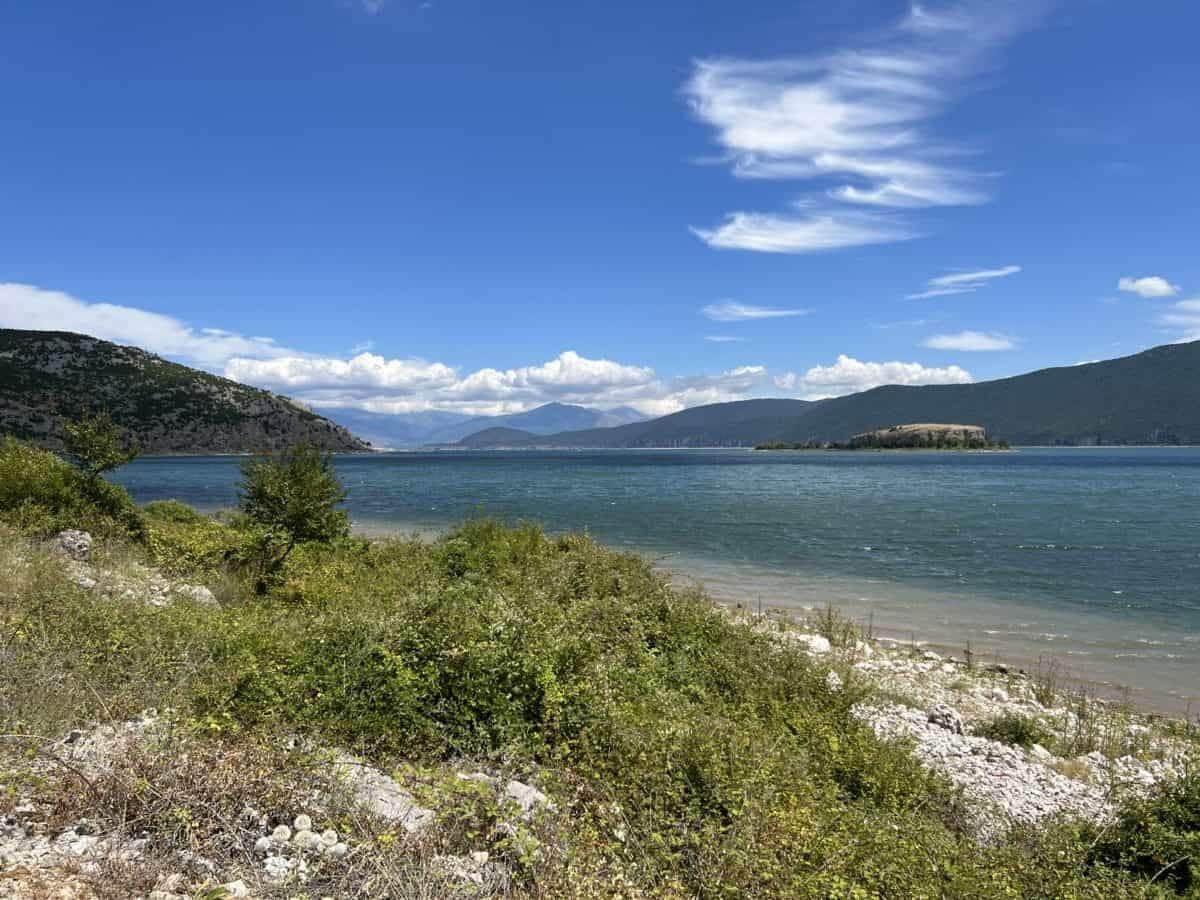
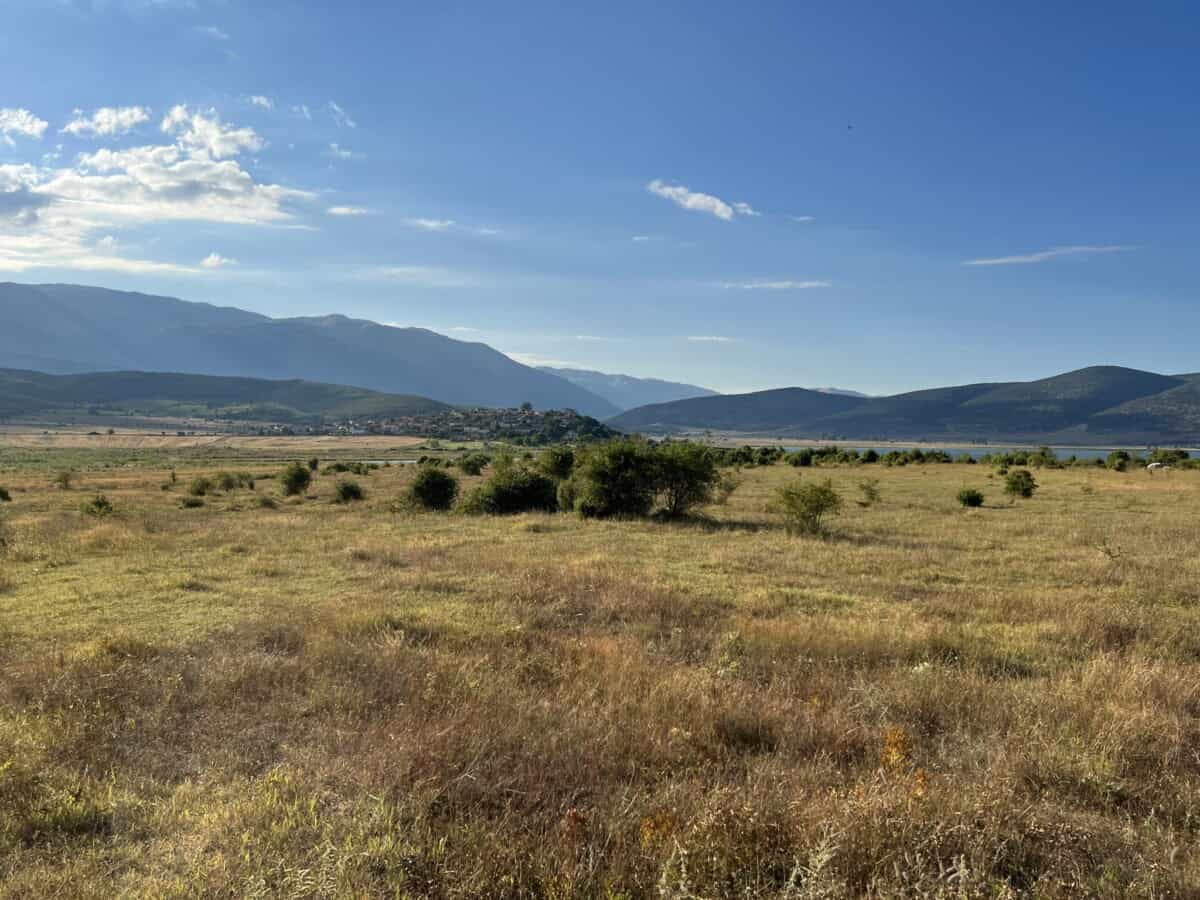


NP Prespa a Lake Prespa
Více o Perspanském jezeru
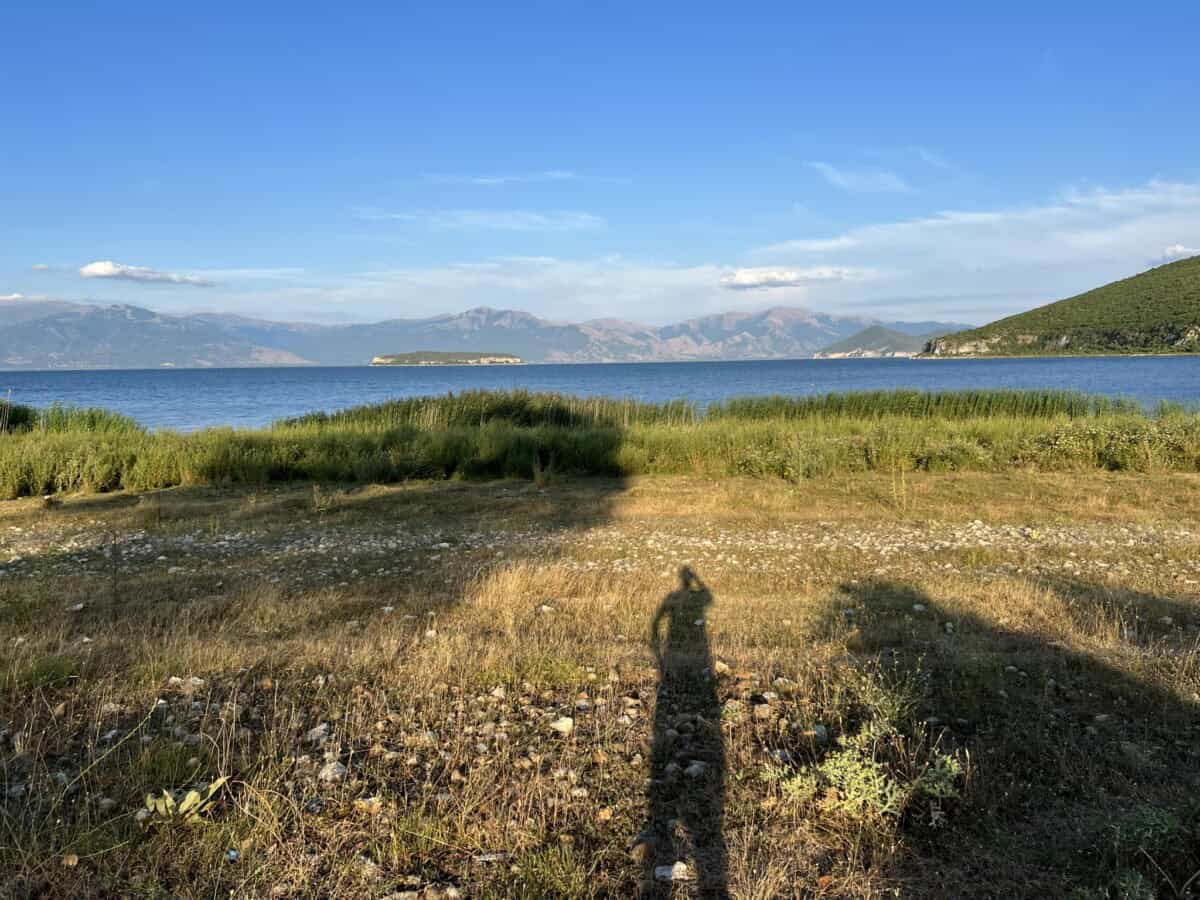
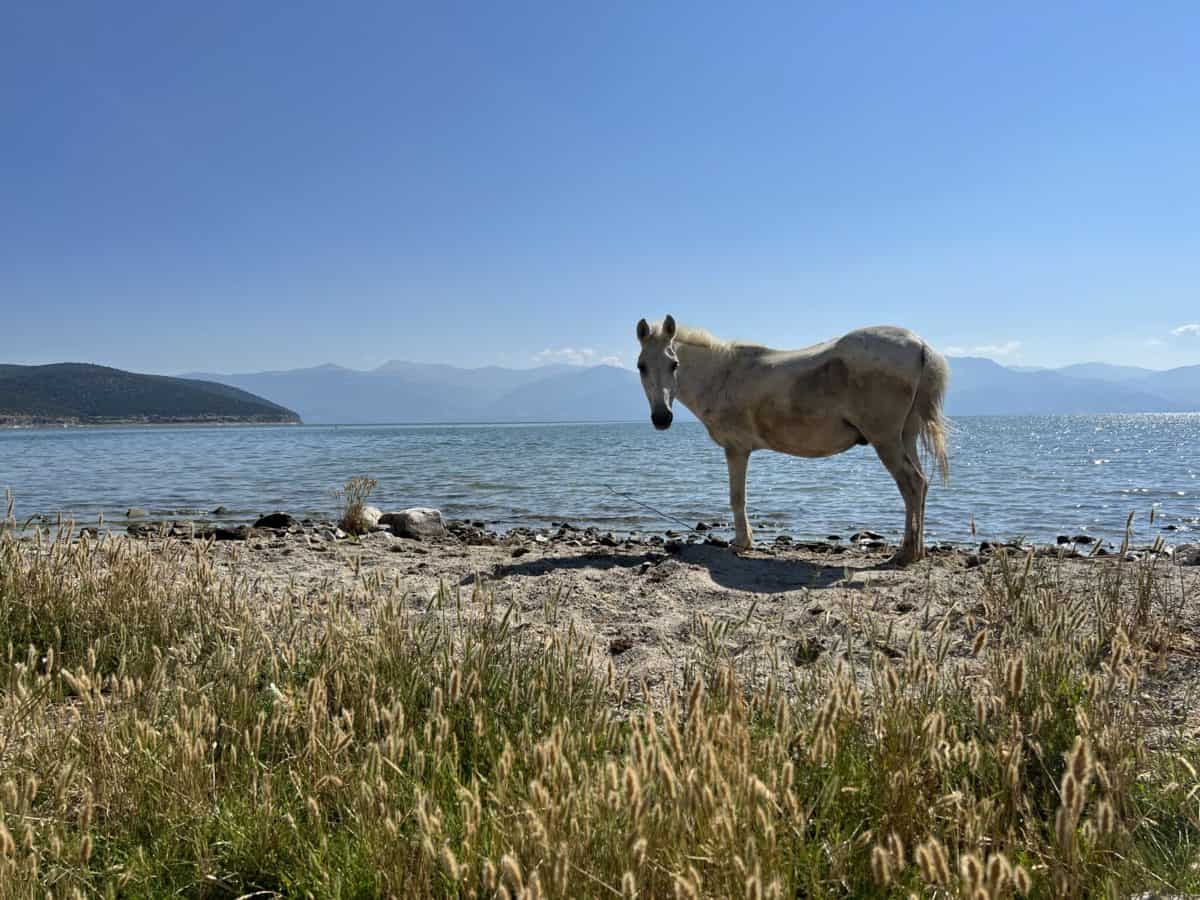
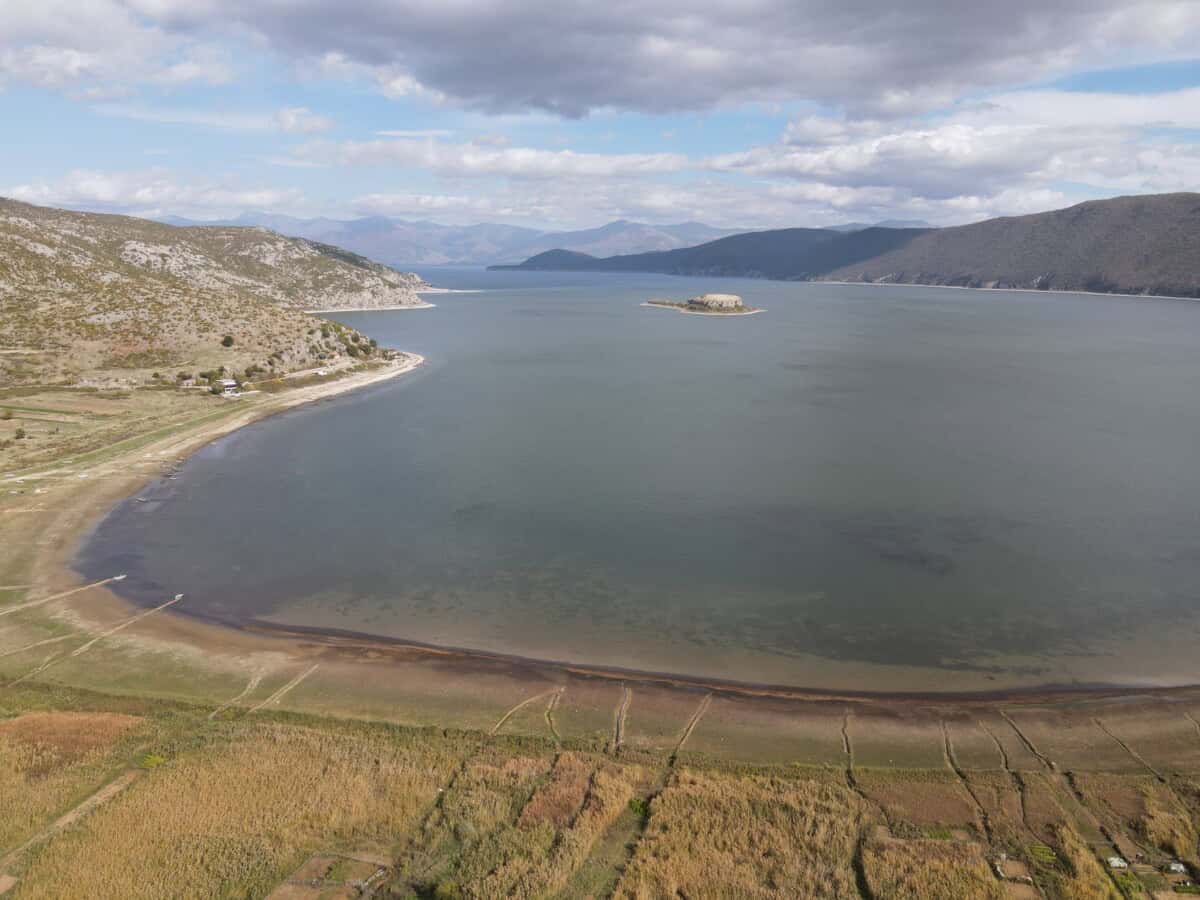
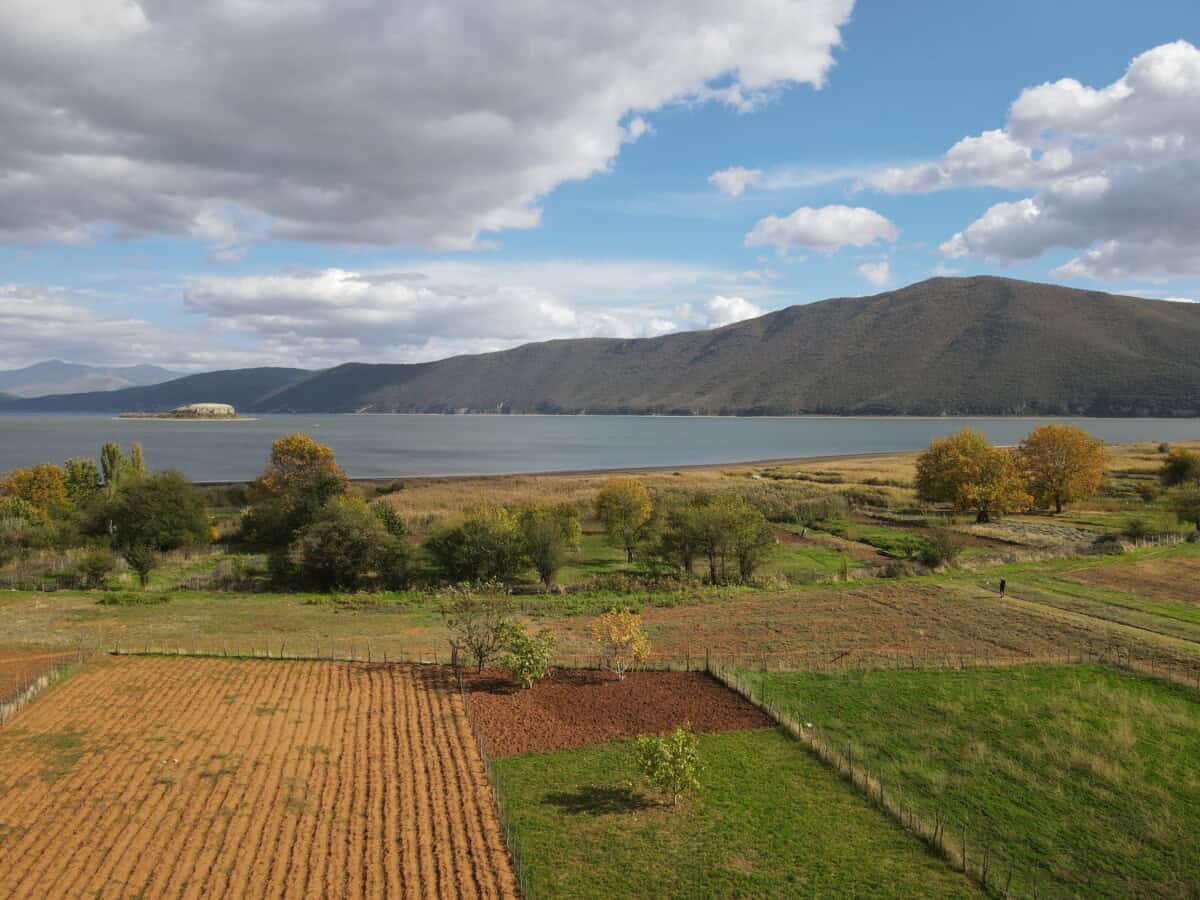
During the 1970s, significant amounts of water were diverted from the Devoll River into the lake for irrigation. Due to the high salt content in the river water, the lake’s ecosystem was damaged. This practice was fortunately later banned. In 1999, the Prespa Protection Association received the Ramsar Convention Award for wetland conservation and for its efforts to preserve biodiversity.
Lake Prespa is for its rich flora and fauna one of the most attractive tourist areas in the Balkans. There are about 1,500 plant species, more than 40 mammal species, including wolves, brown bears, otters, many species of amphibians and reptiles, more than 200 bird species, and over 20 fish species. The globally endangered Common Greenshank occurs here, and the Dalmatian pelican also lives here.
Praktické
If you want to explore the Prespa National Park area and lake, you can stay in the village of Pustec. It is an excellent starting point for a boat trip to Maligrad island. The locals will happily take you there. If you want to hike up Dry Mountain (Mali i Thatë 2290m), the ideal starting point is the village of Velika Gorica (Goricë e Madhe).
Mapa
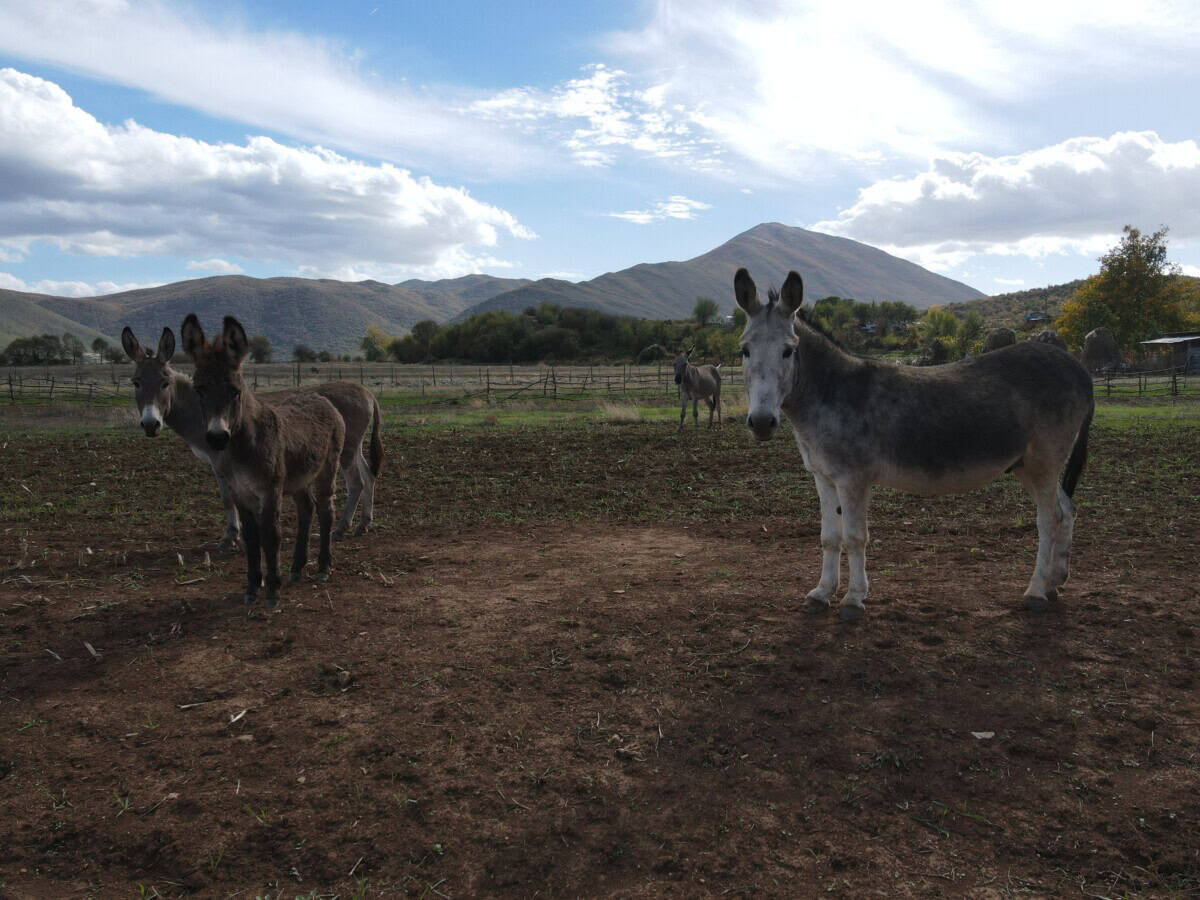
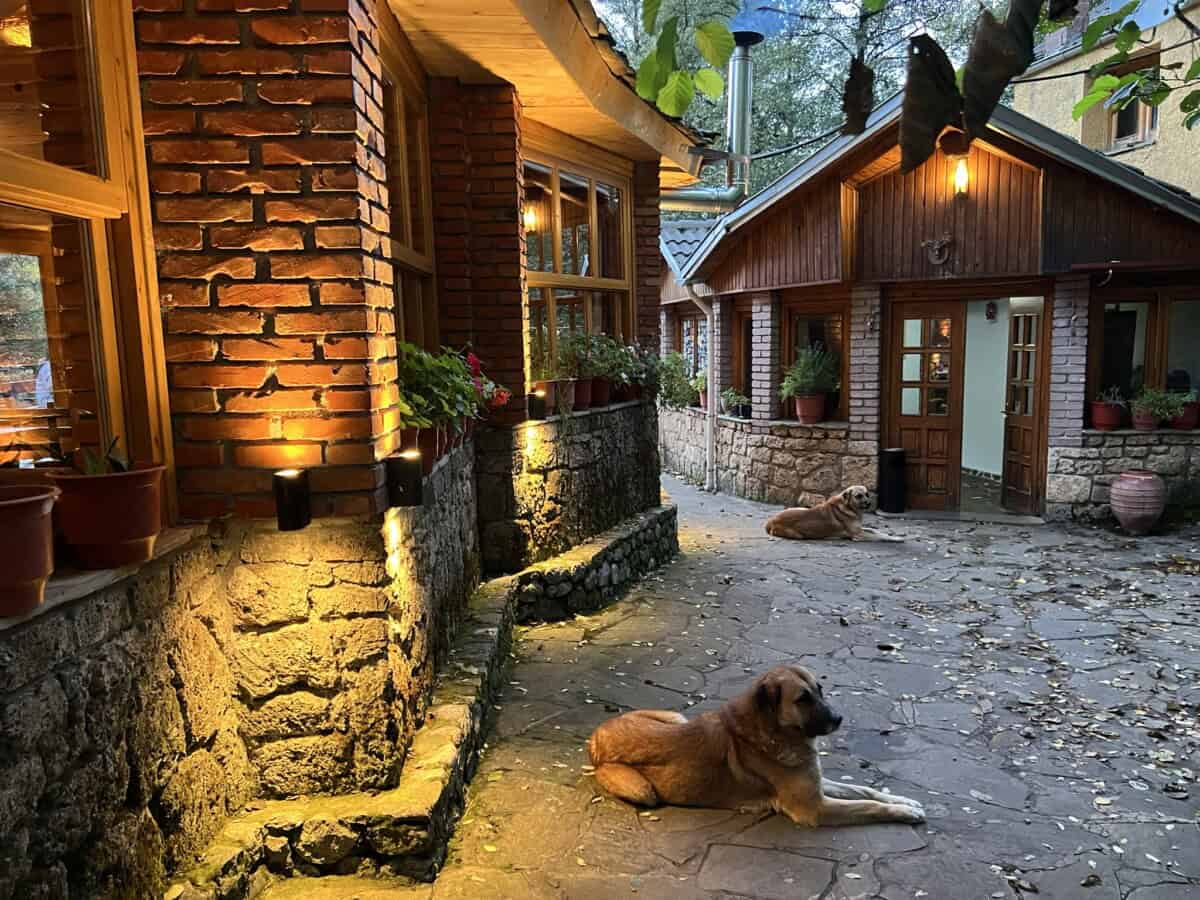
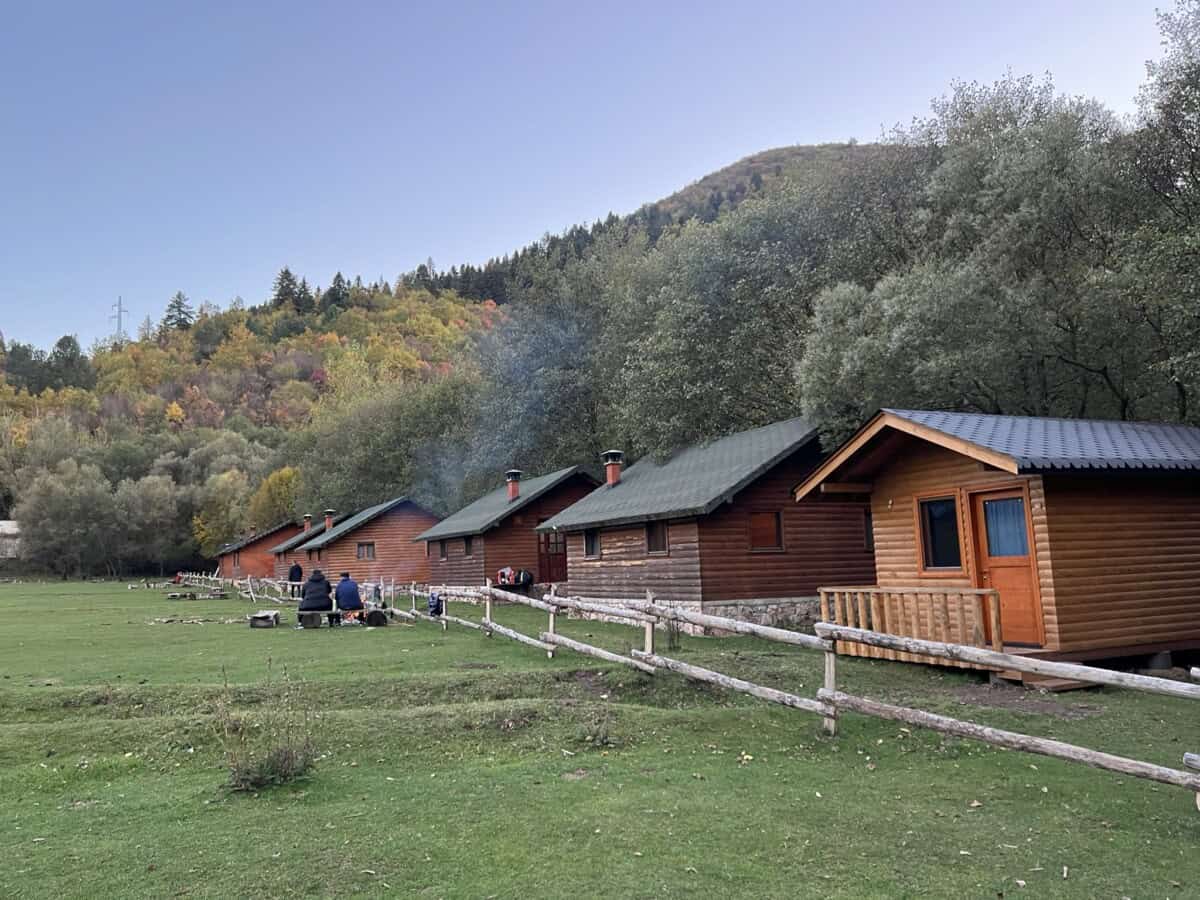
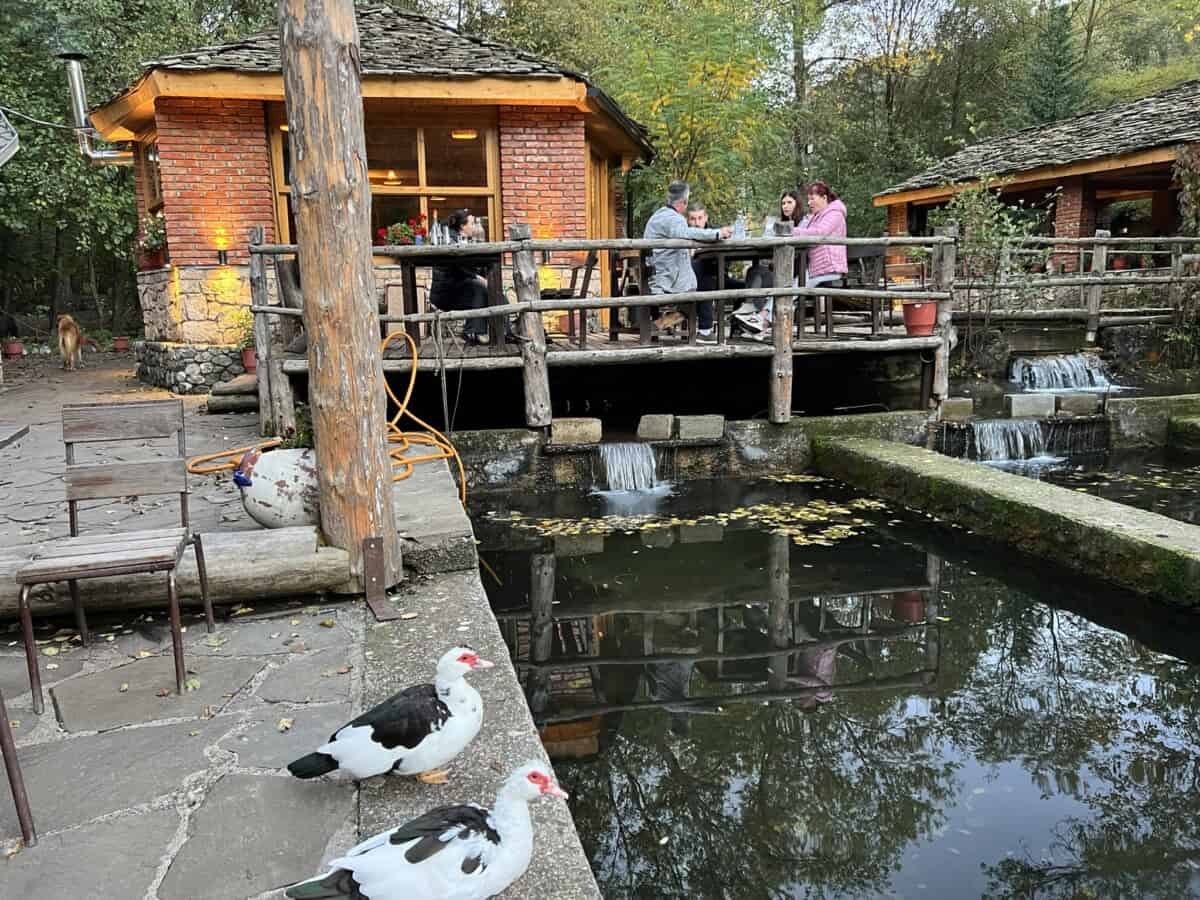
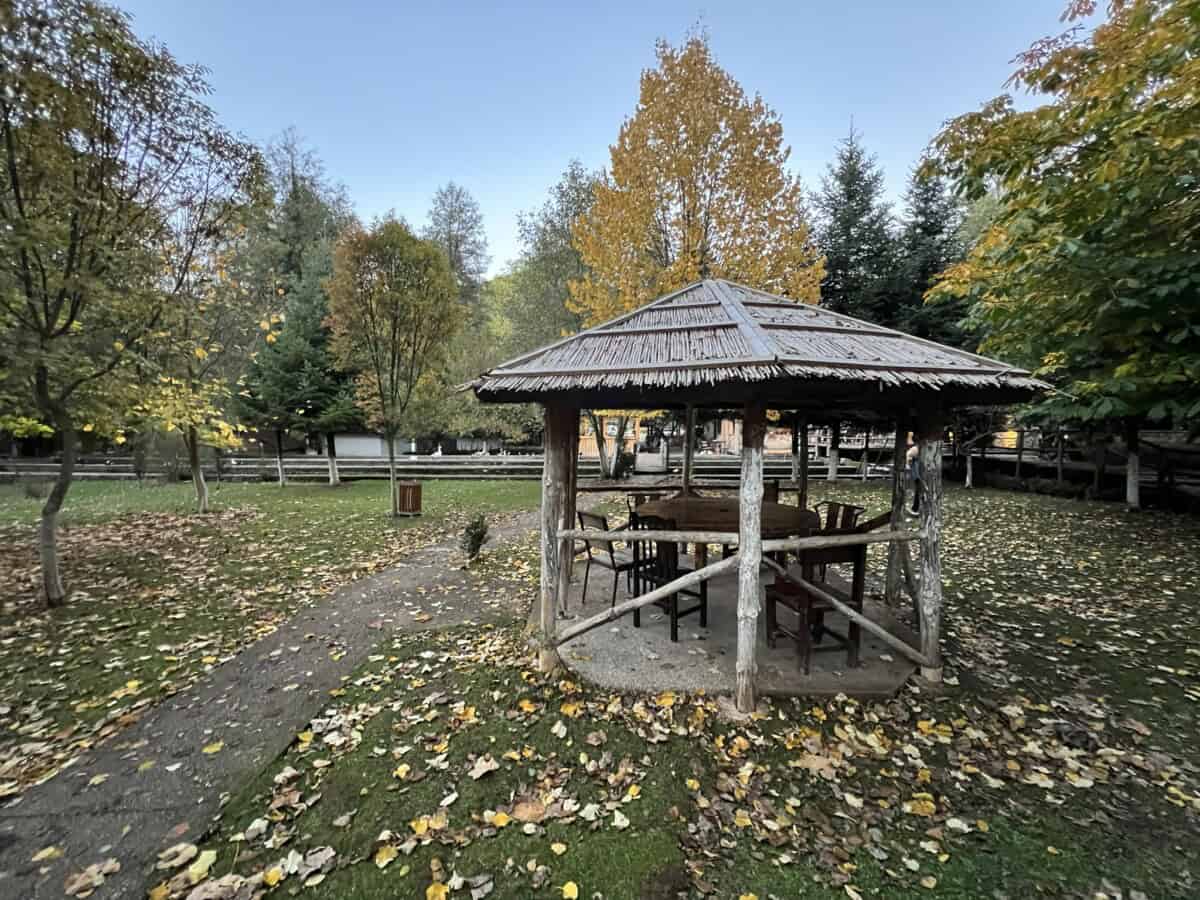
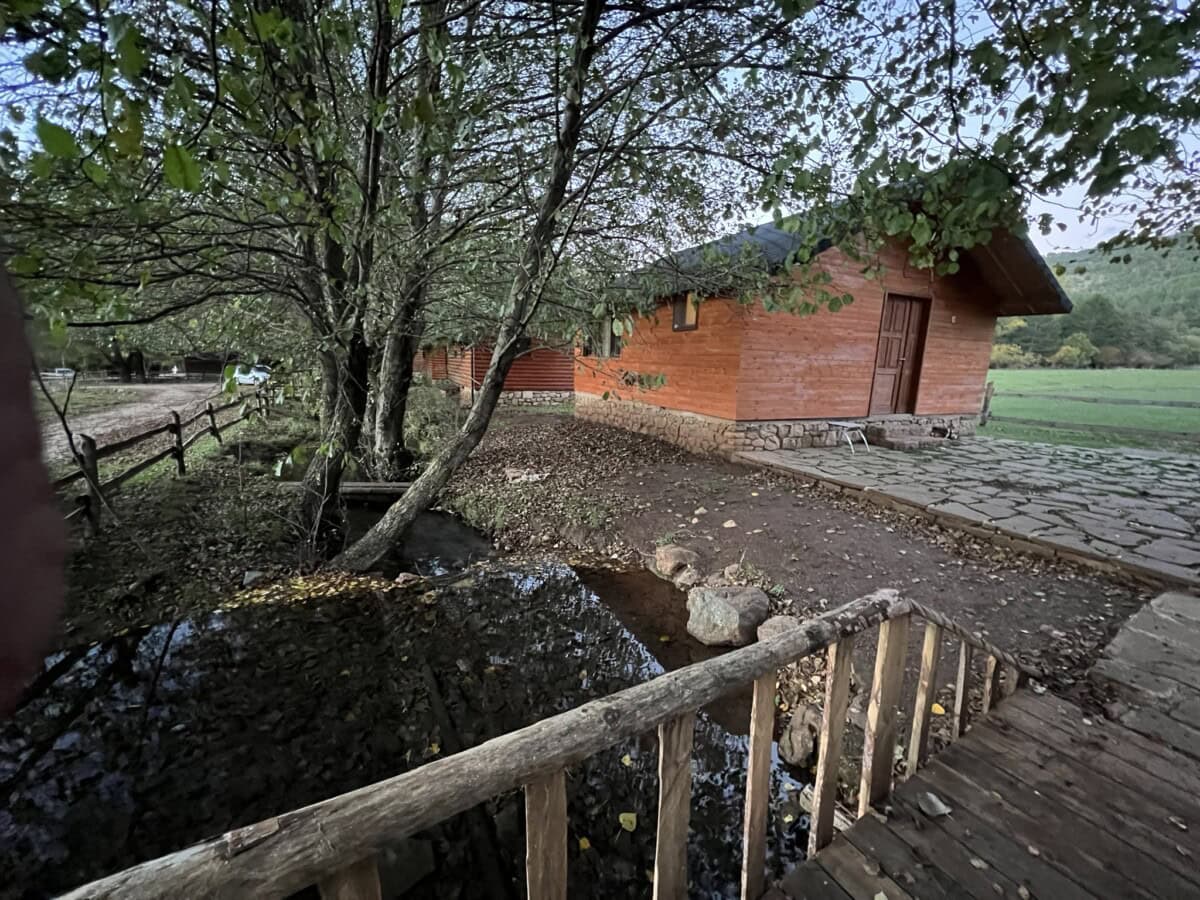
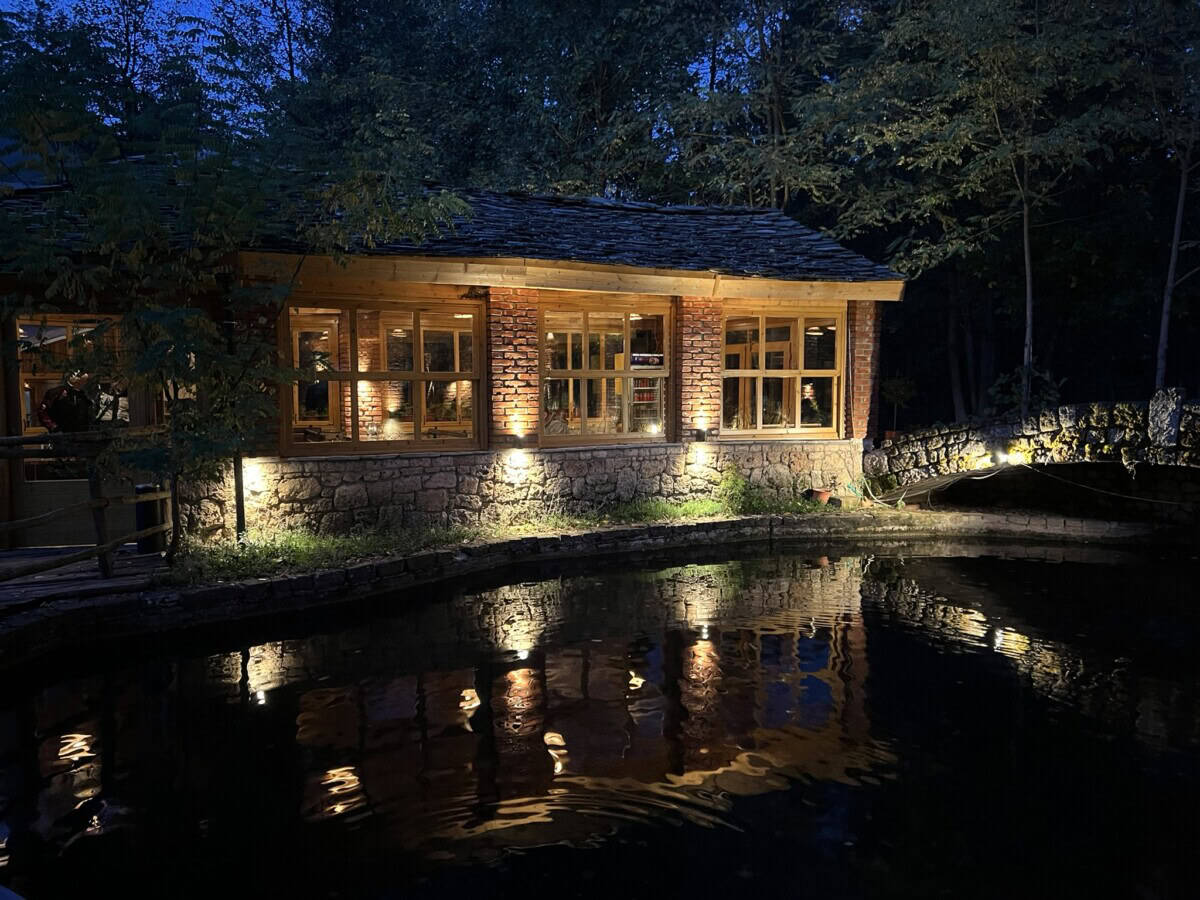
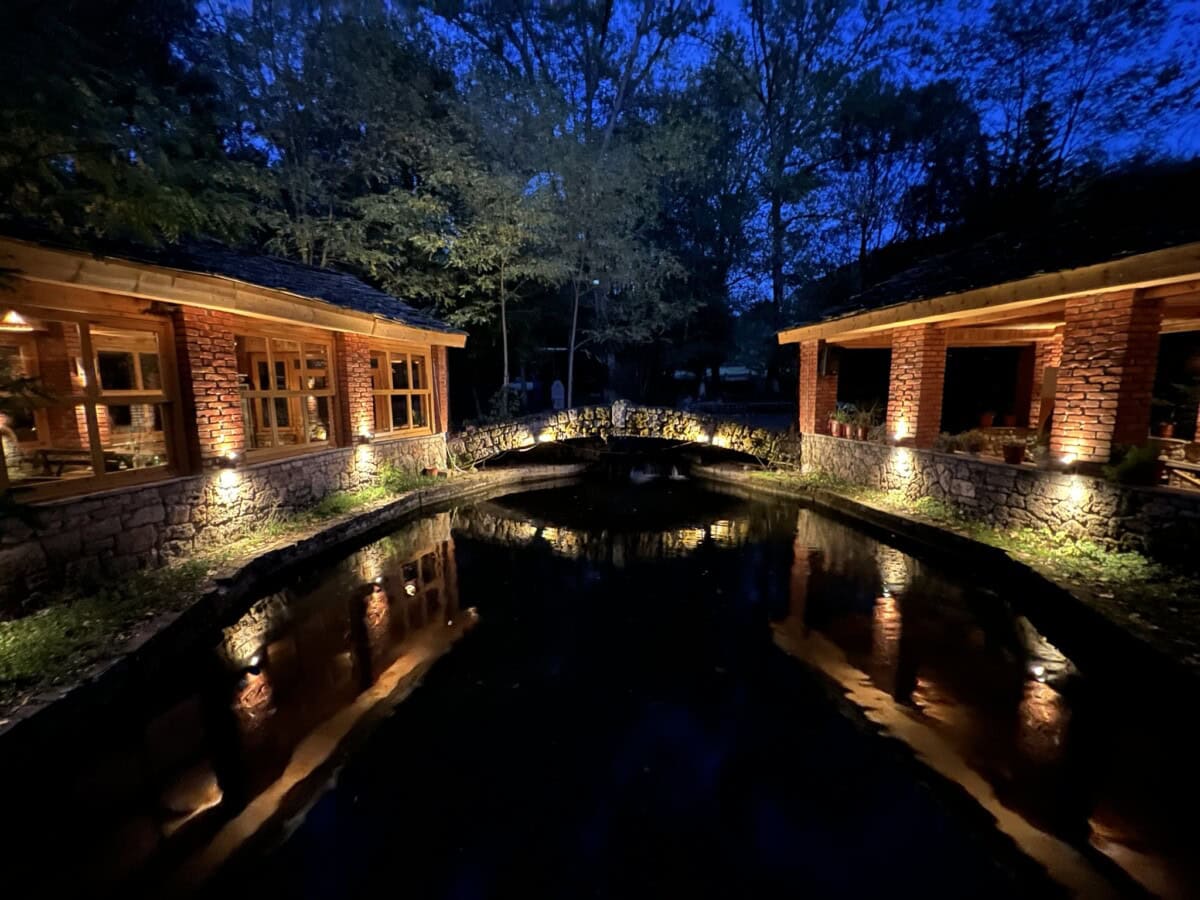
Farma Sotira
Více o farmě
In the fall of 2025, the farm owner experienced an accident in the form of the main building burning down, where the owners lived. Along with the building, a substantial part of the farm’s financial savings and income burned. However, farm supporters rallied together and, through a collection, gathered a sufficient amount that ensured the farm’s survival of winter and also contributed to the construction of a new main building. You can also symbolically contribute – by visiting.
Praktické
Relatively recently, a substantial part of a new asphalt road was opened, which will get you from Tepelenë to Korçë, Voskopojë or Pogradçe. This direction is therefore now simply passable by any car. At Sotira Farm, you can therefore stop on the way east from Tepelenë to Lake Ohrid. It is located HERE in the immediate vicinity of the road on the route between Leskoviki and Ersekë.
If you pass by the farm, definitely do not miss it. You don’t necessarily have to stay overnight, but at least have a meal prepared from local ingredients.
Mapa






Vesnice Voskopojë
Více o Voskopojë
In connection with the Vlachs mentioned above, it is interesting to note that they are the same Vlachs that we have in Moravia. Aromanians – Vlachs – are ethnically still a mystery, but it is certain that in the 14th-16th centuries they also assimilated in Slovakia. Well, and Moravia was just a step away. In addition to genes and pasturing livestock in the mountains, we also inherited some words from them, such as “salaš”, “bača”, “fujara” or “brynza”.
But back to Voskopojë. According to available sources, Voskopojë was founded in 1330 by Petro Muzaka, a nobleman from the Albanian noble family of the Muzaks. Until the 17th century it was a small settlement, but then it developed strongly financially and culturally. Historians claim that Voskopoja at the height of its prosperity (1730-1760) had up to 70,000 inhabitants.
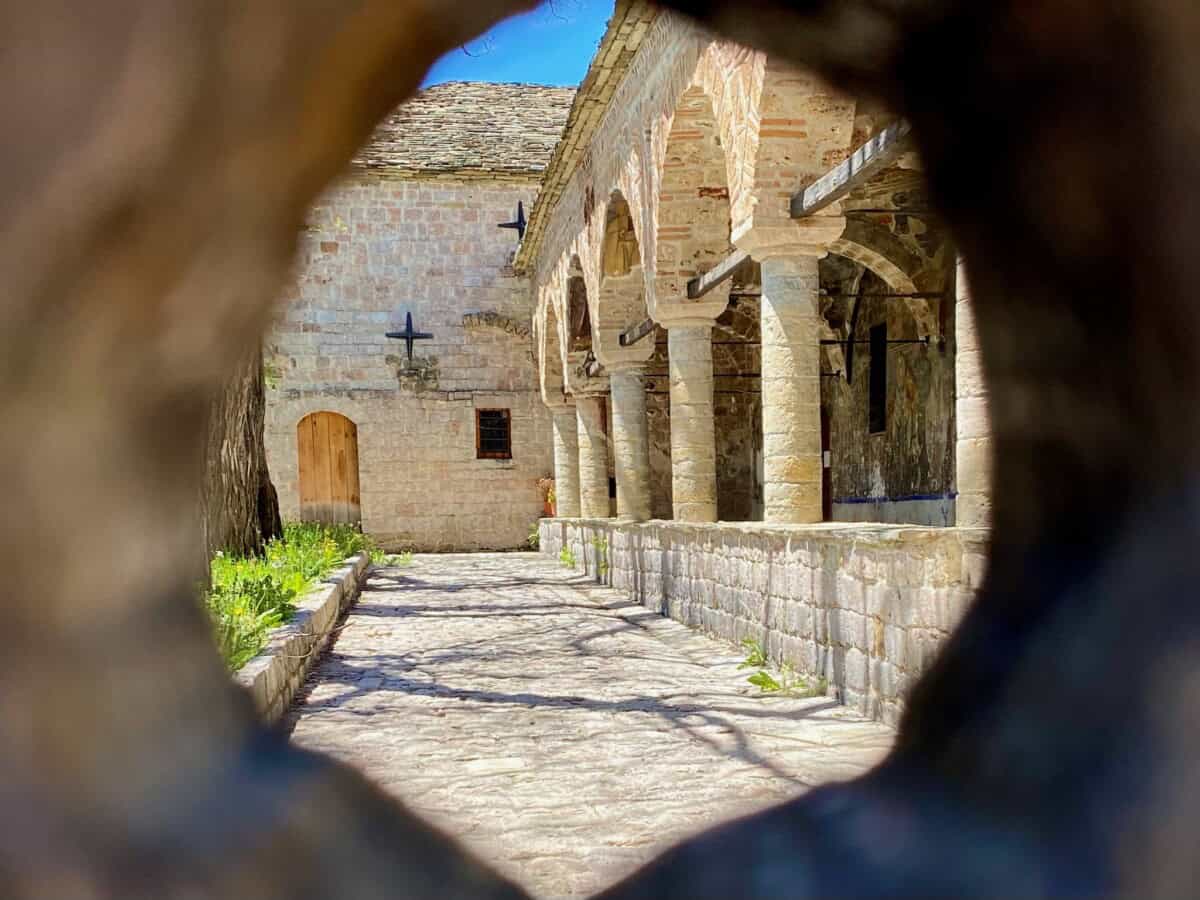
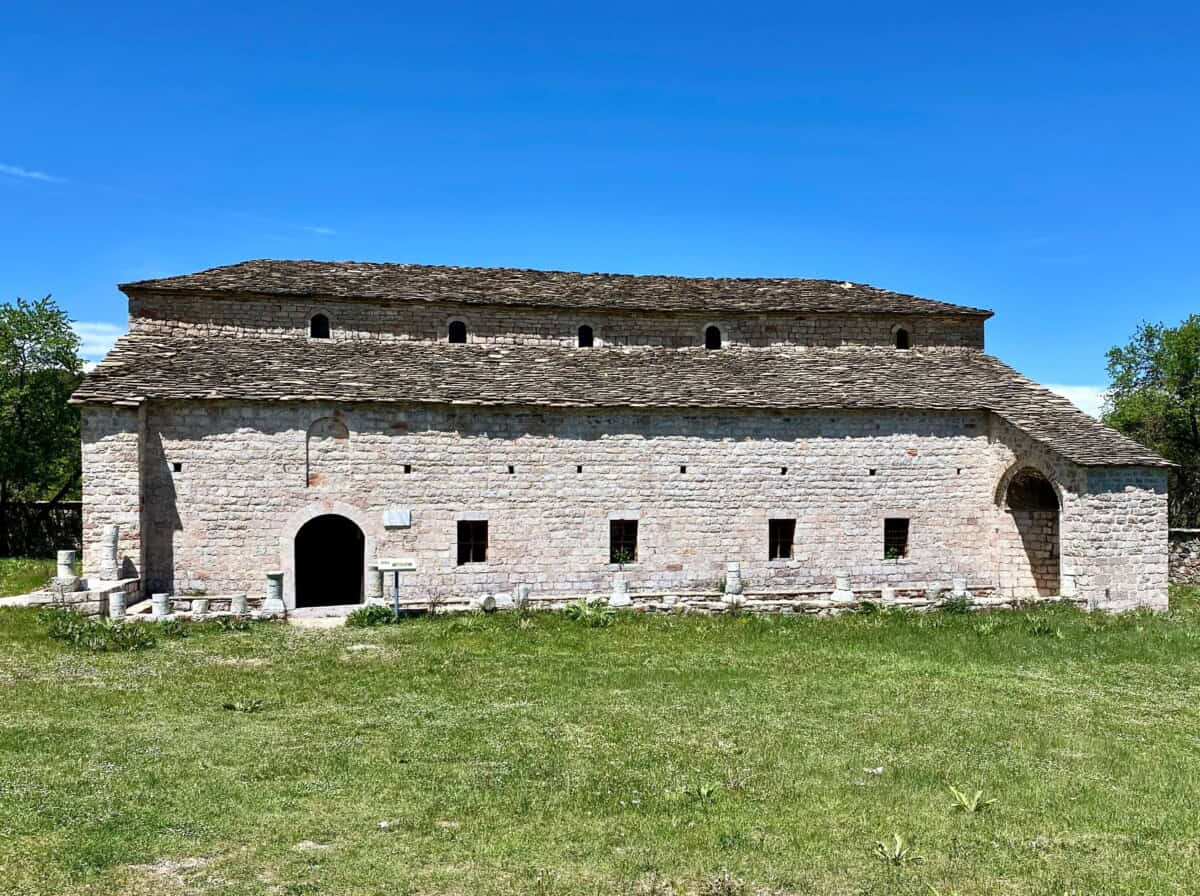
Historically, the basic activity of the city was animal husbandry. This activity led to the development of wool processing, carpet making and leather tanning. Metalworking, silversmithing and copper forging also developed here. In the mid-18th century, the city became an important economic centre and trade developed successfully. A publishing house operated in Voskopojë, the second largest in the Ottoman Empire after Istanbul. The prestigious educational institution New Academy was also established here, sponsored by wealthy Vlach merchants from the diaspora. In addition, the city had an orphanage (perhaps the first in the Byzantine Orthodox world), a hospital and about 24 churches.
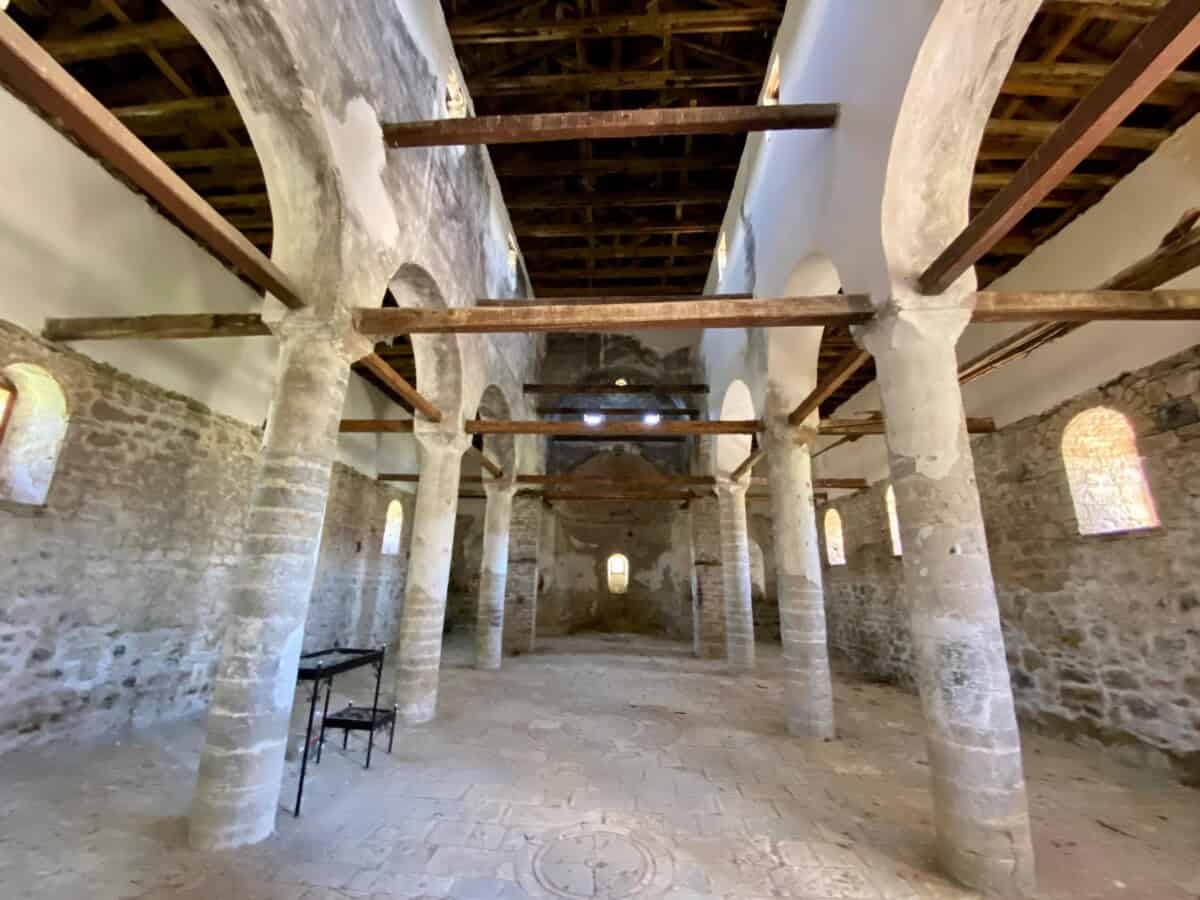
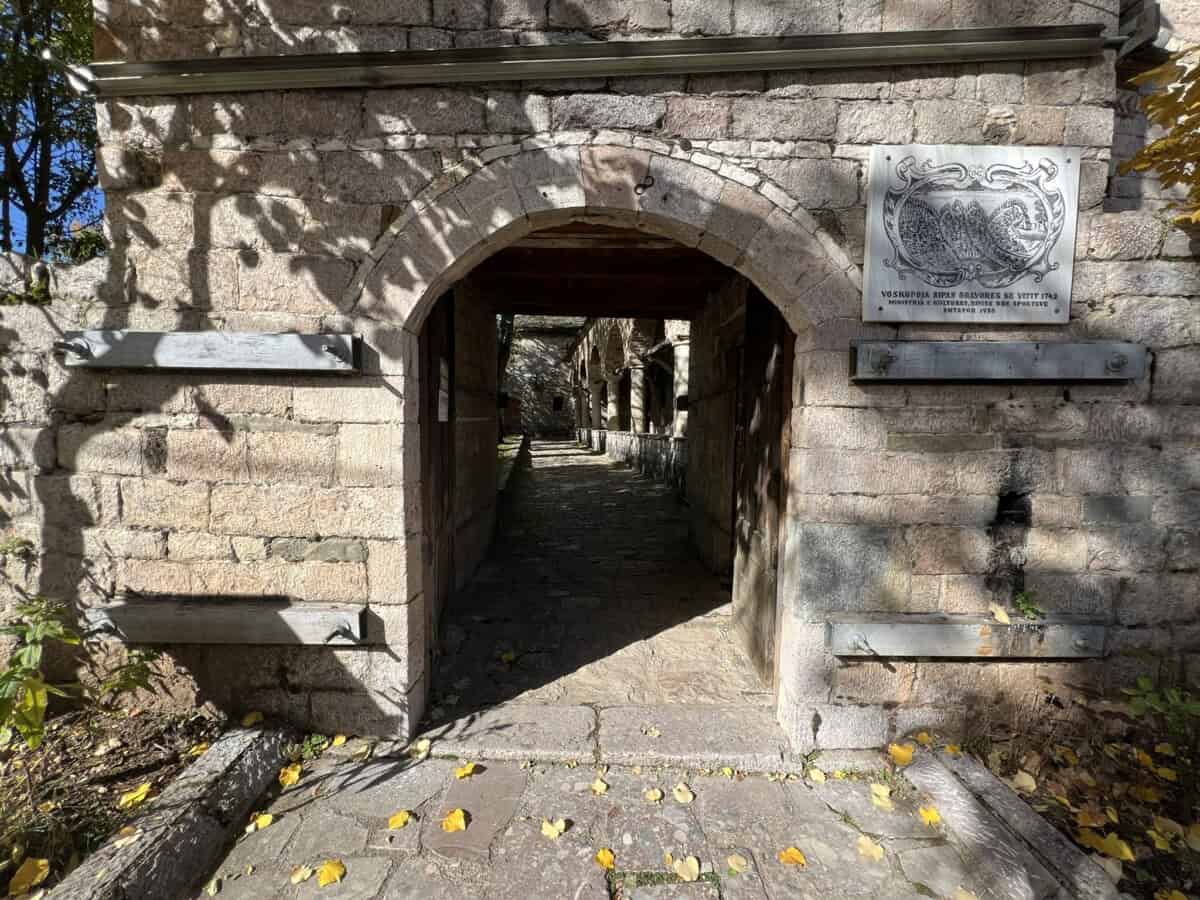
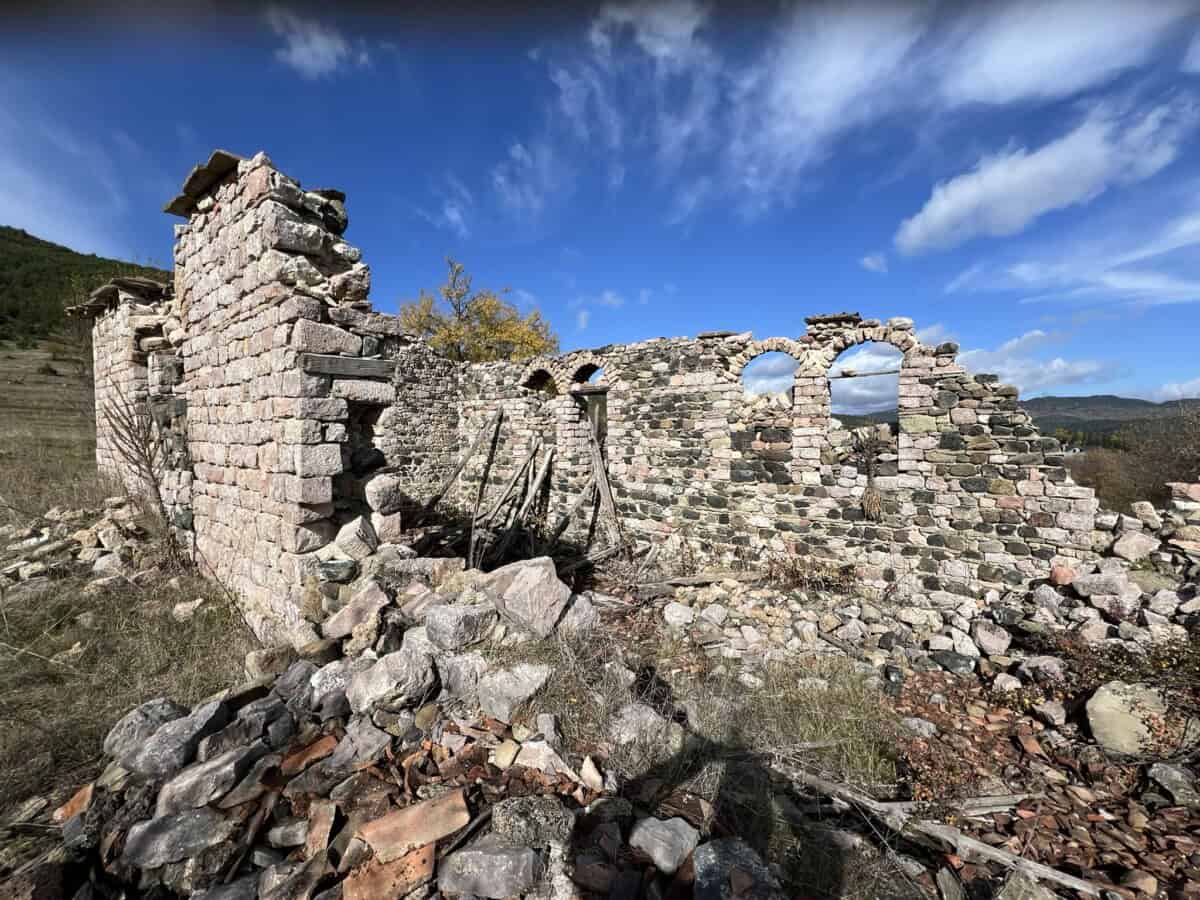
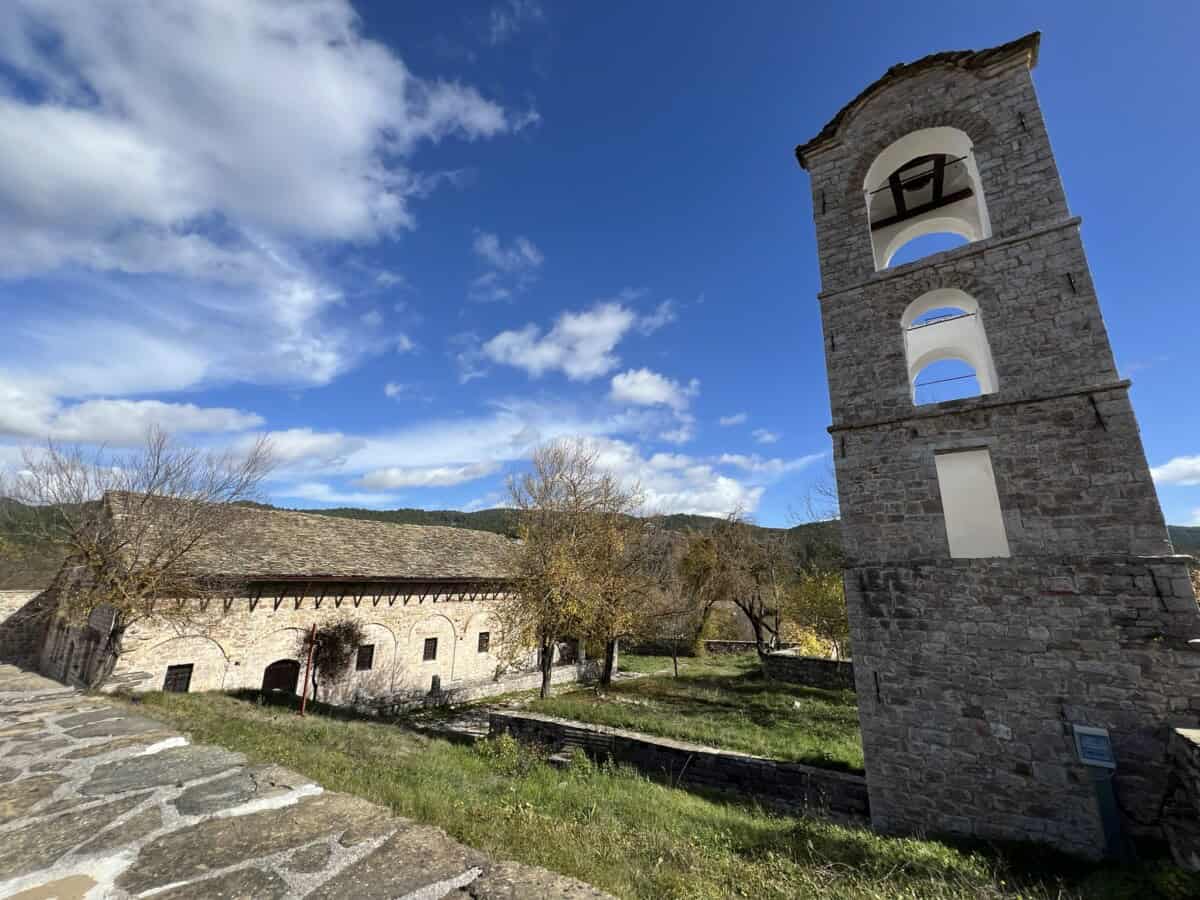
In 1770, the first modern dictionary of Balkan languages (Greek, Albanian, Vlach and Bulgarian) was published here. The development of non-Islamic culture was a reason for thesacking of the city by Albanian Muslim troops and attacks by Ali Pasha Tepelena’s forces. The uncompromising plundering resulted in many commercial elites relocating to Austria, the Hungarian Kingdom and especially to the capitals of Vienna and Budapest, but also to Transylvania. Some intellectuals relocated to nearby Korcë. Voskopojë never returned to its former position. Six Orthodox churches, a bridge and a monastery have been preserved from the old city.
In 2002, five churches were included in the World Monuments Watch list of 2002 by the World Heritage Fund.
Praktické
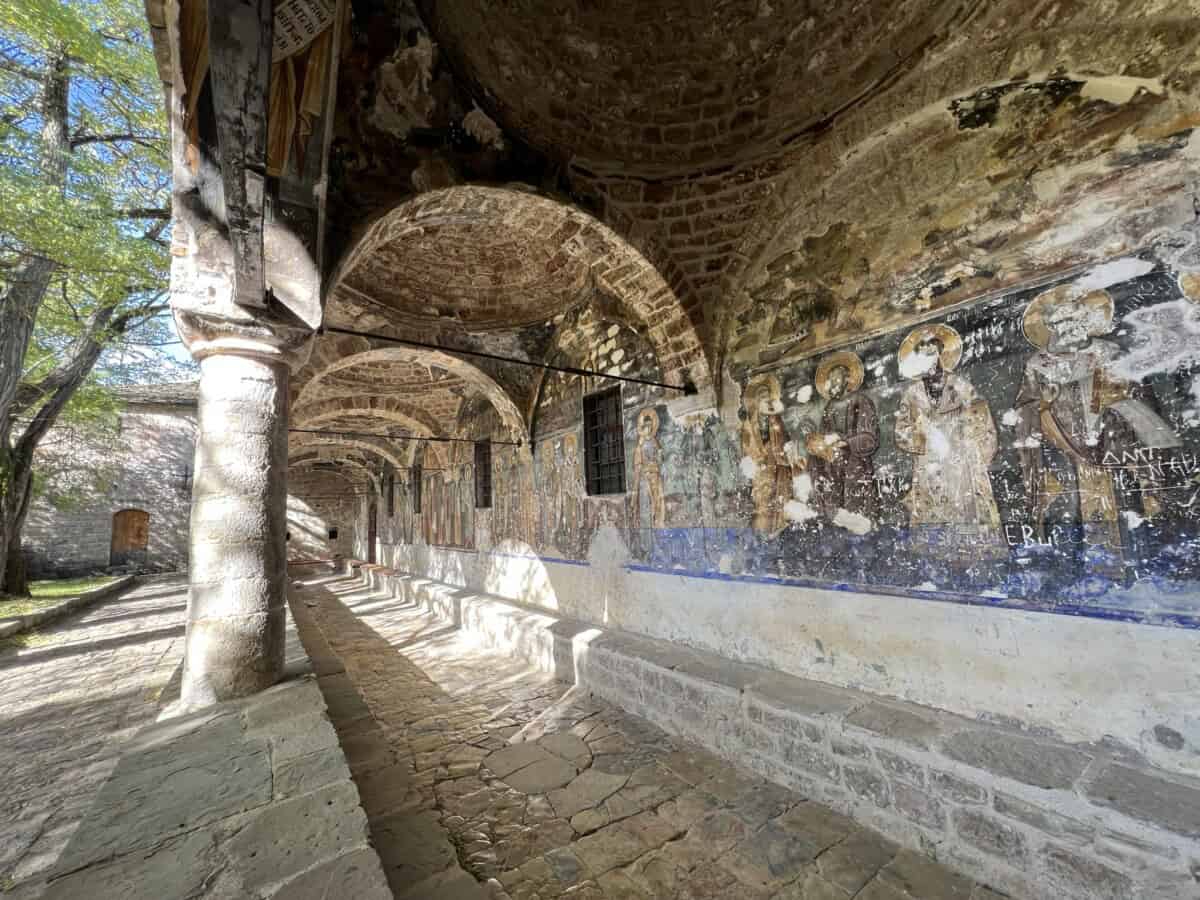
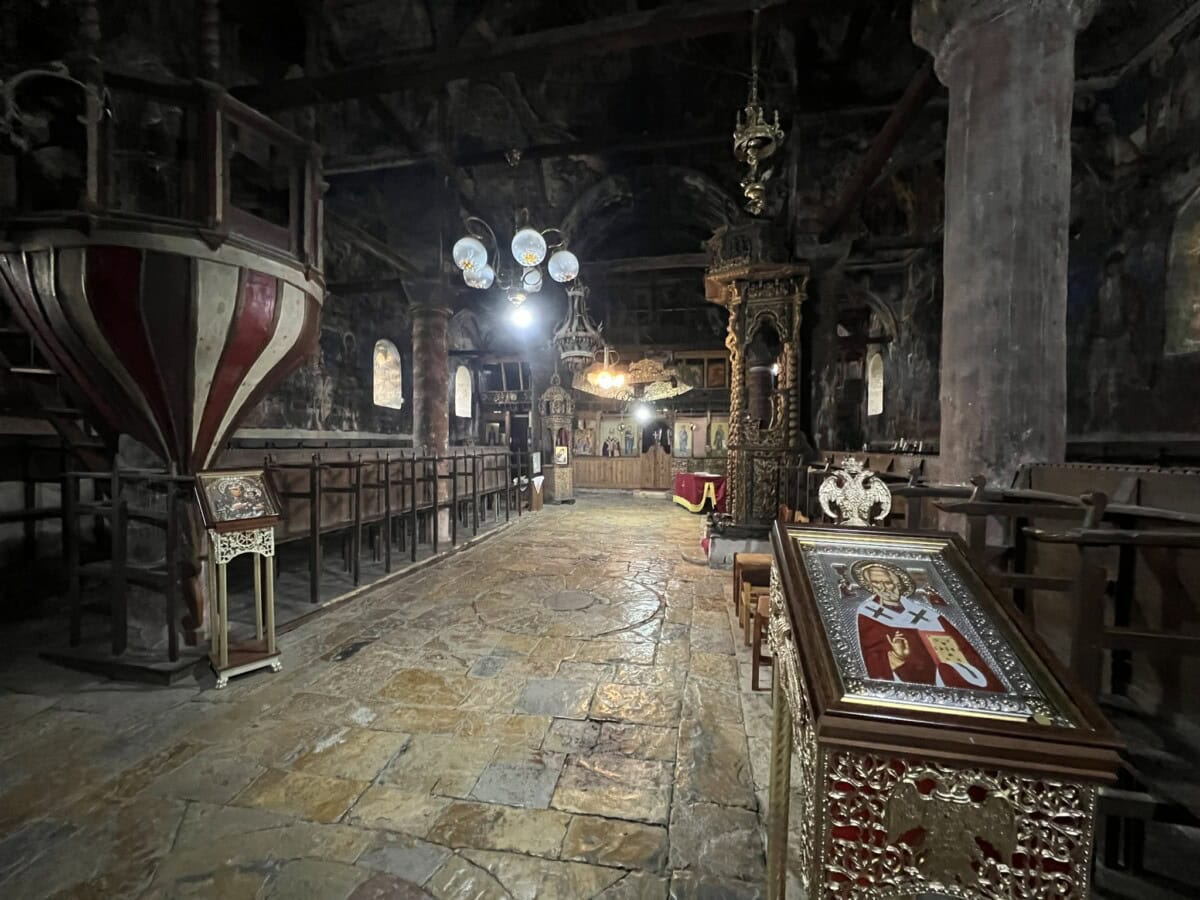
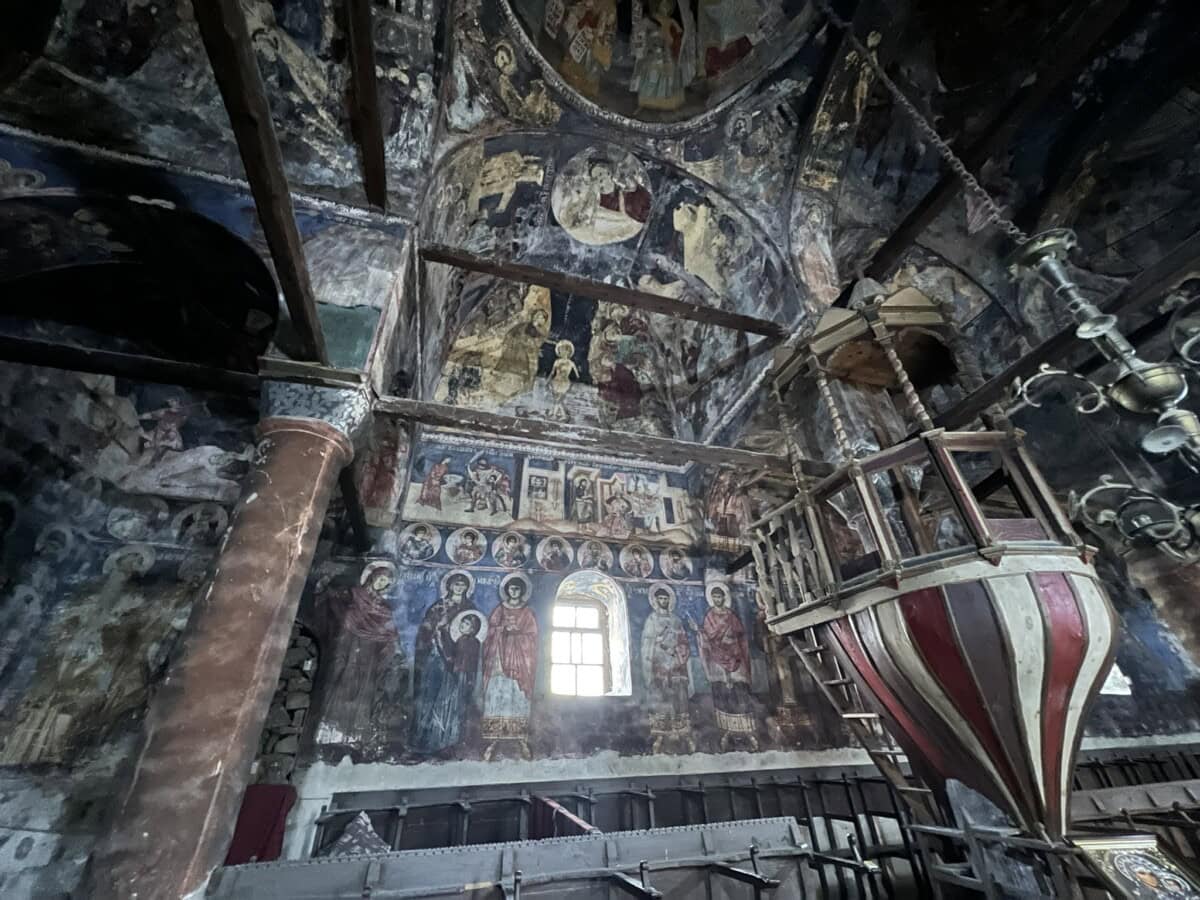
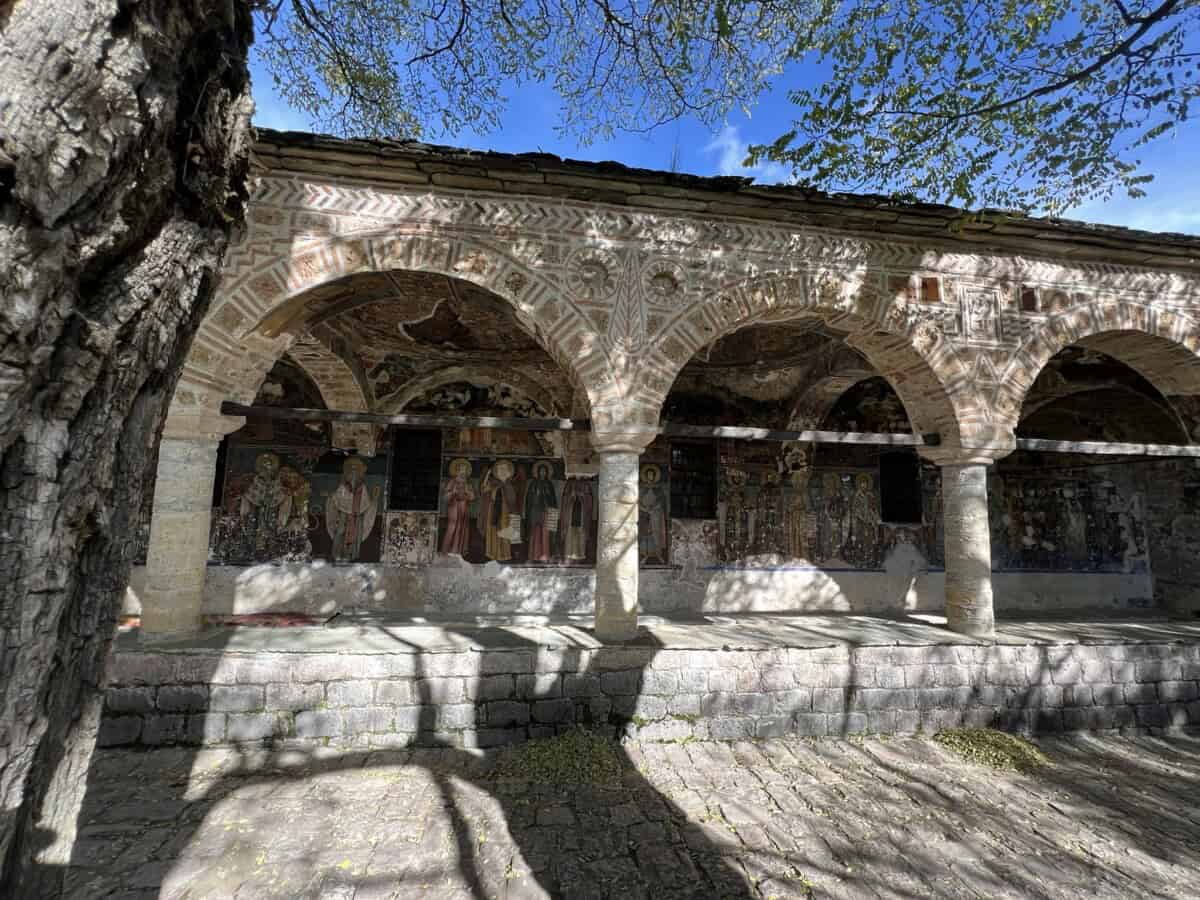
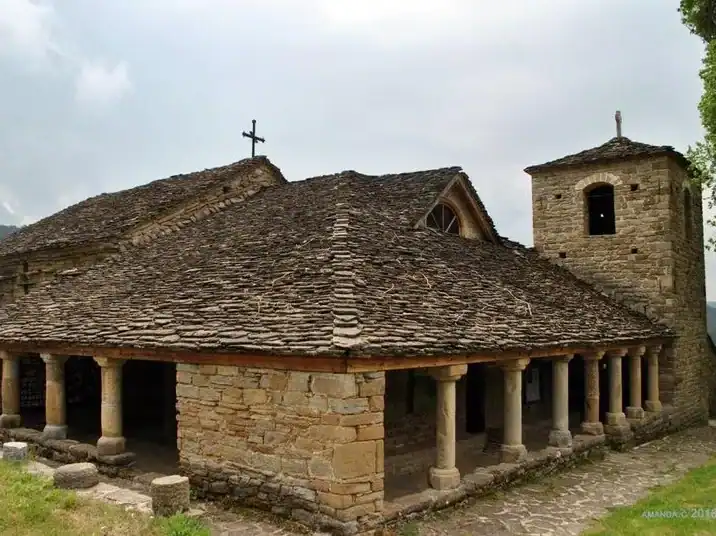
Voskopojë is a place that is not for mainstream tourists who go to Albania for beach sunbathing. However, if you like history and education, this place will captivate you. You can drive all the way to the center HERE and park your car on one of the streets. The closest and very picturesque from the center is the Church of St. Nicholas. It was built in 1721-1722 and is a very well-preserved monument. It has many interior frescoes by priest and icon painter David Selinitziotis from 1726, as well as other frescoes in the courtyard painted in 1750 by brothers Athanasios and Konstantinos from Korytsa.
If you want to see the maximum of what Voskopojë has to offer, be prepared for a proper walk, so do not underestimate the quality of your footwear. Somewhat out of the way from the center is, for example, the monastery of St. John the Baptist Manastiri i shën Joan Pagëzorit and even further the church of St. George (Kisha e Shën Gjergjit).
Mapa
Thermal springs Sarandopor
What is particularly interesting about this place is that not far from here HERE is the underground lake Neuron, which was discovered in 2024 by Czech speleologist Marek Audy and his team. It is an extraordinary discovery. It is the world’s largest underground thermal lake.
Více
When visiting this place, keep in mind that you are moving in the immediate vicinity of the Greek border. So watch your location so you don’t have problems with Greek border guards.
The canyon itself is already located on Greek territory. We ourselves have not experienced any problems during our visit so far, so we assume that this zone is respected by the authorities. And not visiting the canyon would be a real shame.
Praktické
Access to them leads from the Përmet–Leskovik route along a five-kilometer road, whose final unpaved section is passable by a regular vehicle, with the last less than a kilometer to the cave requiring a walk on foot through the riverbed. The ideal base in the area is the town of Leskovik.
While you are in this territory, definitely do not miss Sotira Farm, which is located towards Ersekë. You don’t necessarily have to stay overnight, but at least have a meal prepared from local ingredients or take a horseback ride.
Mapa


What to see in Albania?
Albania offers plenty of beautiful and interesting places waiting for your discovery – stunning beaches on the southern coast, majestic mountains in the north, river canyons, lakes, well-preserved historic cities, and remnants of previous civilizations. Check out our tips for attractive places in individual regions of Albania.
Whether you’re drawn to adventure in wild nature, history, or the charm of traditional Albanian villages, you’ll find many places here that, in our opinion, are worth seeing! New places will be added gradually as we visit them. Simply click on the map to select the area that interests you.
How to enjoy your vacation and avoid unnecessary spending
Stay smart
Whether you're planning a trip to Albania or anywhere in the world, you can use the proven Booking.com to book accommodation. You'll find a huge selection of cozy private apartments, houses, and hotels. The price range is wide and you'll definitely find something suitable.
Fly for reasonable prices
Do you need a plane ticket? Check out the well-known Kiwi or also the less known, but among experienced travelers very popular Kayak. It's our favorite. It quickly compares offers from all airlines and shows you the most cost-effective flight combinations. You can also set price alerts, so as soon as a ticket is at a price that suits you, you'll get a notification.
Internet v mobilu
In the second half of 2026, Albania is promised free European roaming. Until then, you can get data with, for example, the YESIM app. You'll get mobile internet on favorable terms.
Think of a backup plan
Quality travel insurance is the foundation of any trip. A trip to Albania is no exception. Insurance covers you in case of illness, injuries, and loss of belongings. We ourselves have ended up in a hospital in a foreign country more than once. Having good insurance saves a lot of stress and above all money.

