The Legacy of Isolation and the Myth of Danger
Many concerns stem from the era of deep isolation under Enver Hoxha’s regime, when Albania was the most inaccessible country in Europe, with hermetically sealed borders. This era, lasting from 1944 to 1991, left deep marks on the country, including thousands of concrete bunkers as silent reminders of paranoia. Today, however, everything is completely different. Since the fall of communism in 1991, Albania has come a long way in modernizing and opening itself up to the world.
If you’re worried about the locals, you should know that Albanians are renowned for their exceptional warmth and hospitality. Their code of ethics, which survived 400 years of Ottoman rule and the hardships of communism, calls for showing guests the utmost respect. Theft or violence against tourists in Albania is simply not something you need to worry about. Travelers returning home often share that they experienced an above-average sense of safety and freedom.
The Wild Interior and Modern-Day Surprises
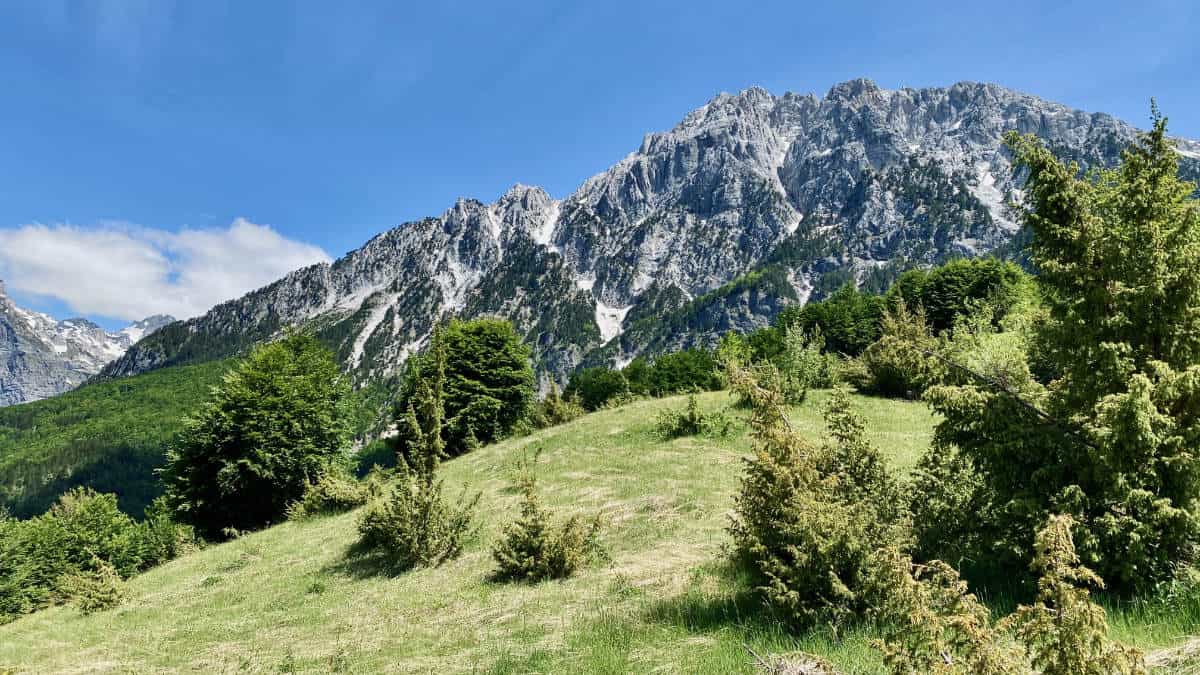
While the coastline has fully embraced the wave of mass tourism, the interior still holds onto its raw, untamed spirit. Even in the hills and mountains, no real danger lurks. The biggest risk is more likely your own physical fitness on a trek to the Valbonë Pass, or cows and sheep on the road, or the occasional unexpected pothole.
What Might Catch You Off Guard?
- Mountain dogs: On hikes in the mountains, you may encounter livestock guardian dogs. These are working animals, not pets, so don’t pet them — instead, give their flock a wide berth. To be safe, back away from them slowly rather than turning to run, as they may take that as an invitation to chase.
- Driving style: Albanian drivers have a unique approach to the road that differs from what you may be used to. Speed limits and right-of-way on main roads aren’t always strictly observed. Drivers account for everything at every moment. The apparent chaos has its own rules, which keep everyone alert. Once you get used to it, you’ll find it’s actually quite manageable and, paradoxically, leads to fewer accidents.
- Building demolitions: You may have heard about the demolition of several structures in Albania in 2025, where small buildings on public land are being removed. These demolitions are happening due to missing permits, showing that the country is moving toward stricter regulations — partly driven by its goal of joining the EU by 2030. It’s possible you’ll witness one of these demolitions in action — take it in stride, as there’s nothing violent about it.
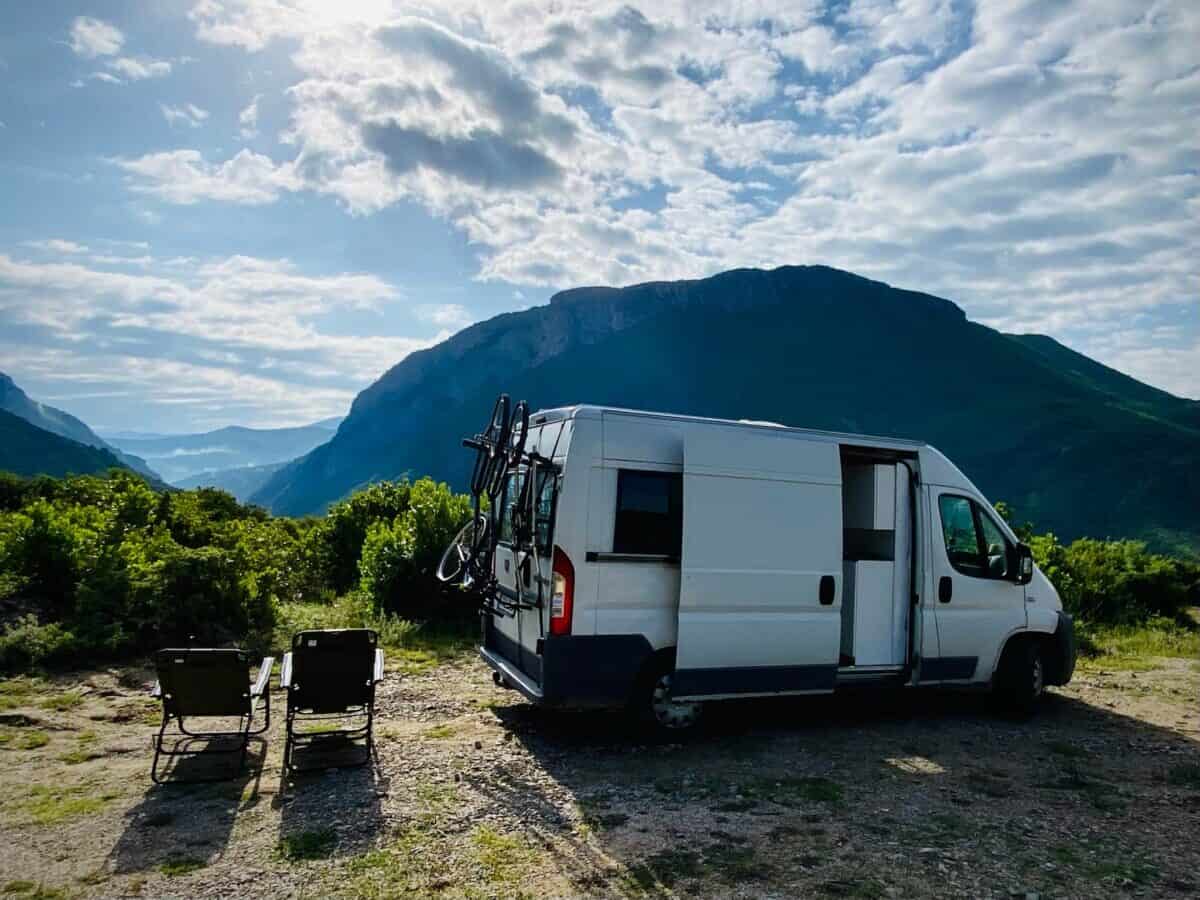
- Wild camping: Free camping by the sea is becoming increasingly rare, as the “Albania 2030” project introduces regulations and paid campsites with prices ranging from €10 to €50. If you park a motorhome on the coast, locals may not appreciate it and could make that clear, or you may face a fine. This is the price of progress — let’s respect Albania’s social transformation and its consequences.
Albania 2026 — The Last Call of the Wild?
How to Get By When Albanian Is All Greek to You?
You might dread the thought of finding yourself lost in the mountains with only an elderly shepherd who speaks nothing but Albanian. No need to panic — where words fall short, a warm heart (and some gestures) will see you through.
Communication Tips
- Young people and English: In Tirana, coastal resorts, or tourist hotspots like Theth or Gjirokastër, you’ll have no trouble communicating with younger people in English. They often speak it better than we do, driven by a desire to connect with the Western world and embrace modernization.
- Italian as a second language: Thanks to historical ties and emigration to Italy, many Albanians speak excellent Italian. If you picked up a few phrases on a holiday in Tuscany, you’ll find them surprisingly useful here.
- The universal language of hands and feet: When words and foreign languages fail, genuine Albanian patience steps in. Locals will do their best to understand you, even if it takes a while.
- Watch out for “yes” and “no”: Here’s a visual trap waiting for you. Albanians often shake their head from side to side to indicate agreement, which can look just like a “no.” It’s best to confirm with words — “Po” means YES, “Jo” means NO. This little quirk has already thrown more than one traveler off.