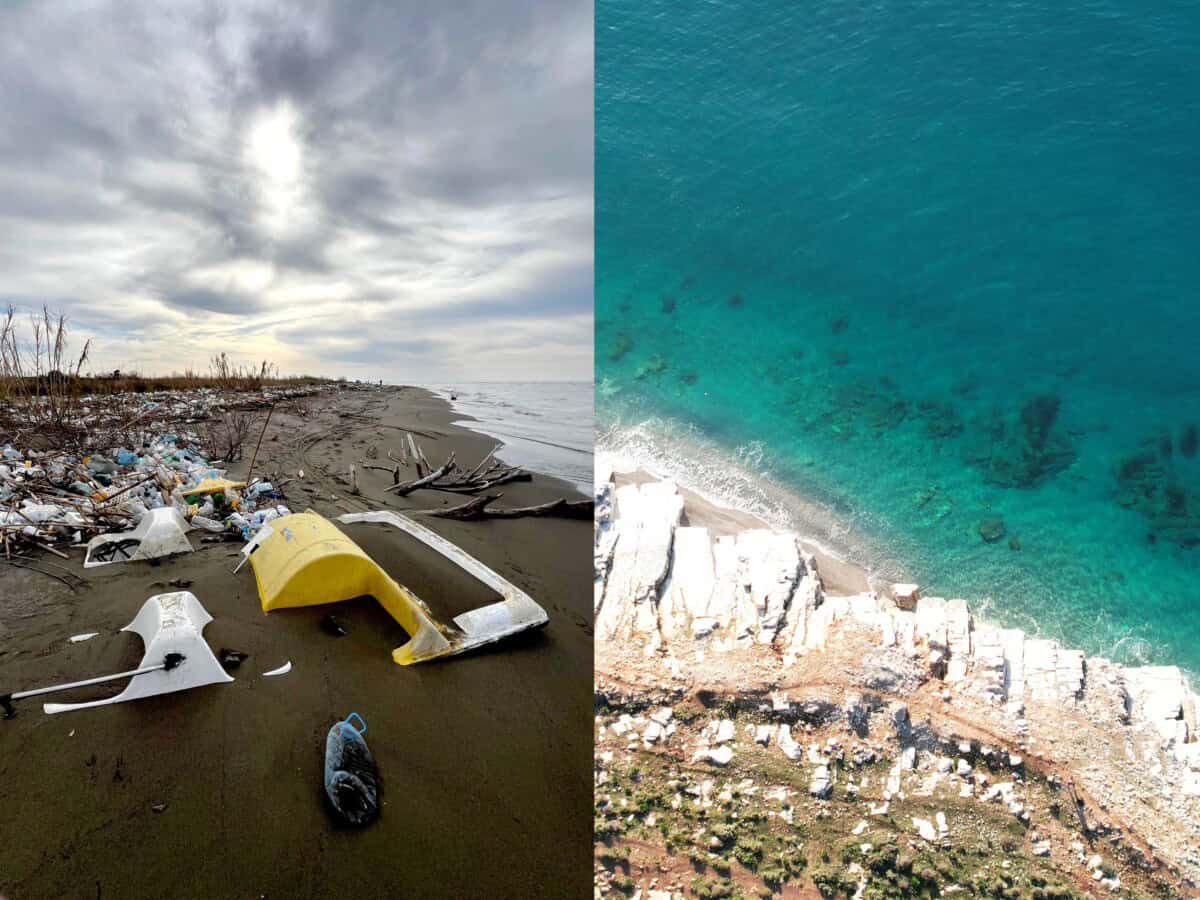
A Toxic Historical Legacy
To understand the current state of Albania’s environment, we need to go back to before 1991. The occasionally repeated myth that Albania was a “green paradise” under communism due to the absence of cars and plastics is highly misleading. Enver Hoxha’s communist regime completely ignored ecology and, in its pursuit of self-sufficiency, built heavy industry without any filters or treatment facilities whatsoever. Factories in Elbasan and other metallurgical complexes discharged toxic substances and heavy metals directly into rivers, while smog from coal-fired power plants and factories poisoned the air with impunity. Nature was seen purely as a resource for industrialization, and any discussion of protecting it was considered a bourgeois relic.
The Psychology of Waste in “No Man’s Land”
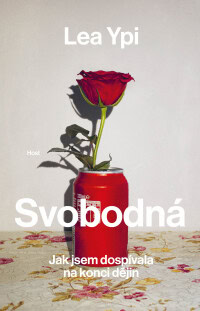
The fall of the regime in 1991 brought another shock. Predatory capitalism flooded into the country, along with a wave of goods in plastic packaging. During communist times, Albanians were accustomed to “natural recycling.” There was nothing available, so everything — down to the last scrap of metal or plastic — was processed and put to personal use. If a Coca-Cola can happened to find its way into someone’s hands, it most likely ended up on a shelf or in a chest as a treasured souvenir. After the revolution of 1991, Albanians suddenly found themselves facing an abundance they simply didn’t know how to handle.
Adding to this was a specific psychological phenomenon rooted in indifference toward public space — space that belonged to the state, and therefore to the enemy, or in other words, to nobody. From this stems the logic of the Albanian approach to shared spaces: what is at home is kept clean, but what is on the street is none of my concern. Littering on the street is not perceived as damaging nature, but as an expression of indifference toward communal space — and by extension, toward a system that had denied people their freedom for decades. The lack of waste collection infrastructure in newly developing neighbourhoods took care of the rest. It is worth noting, however, that colourful rubbish bins are now appearing with increasing frequency on the streets of major cities. For the time being, though, all colours serve for general mixed waste. Albania has not yet reached the stage of waste sorting.
From Local Action to Leonardo DiCaprio
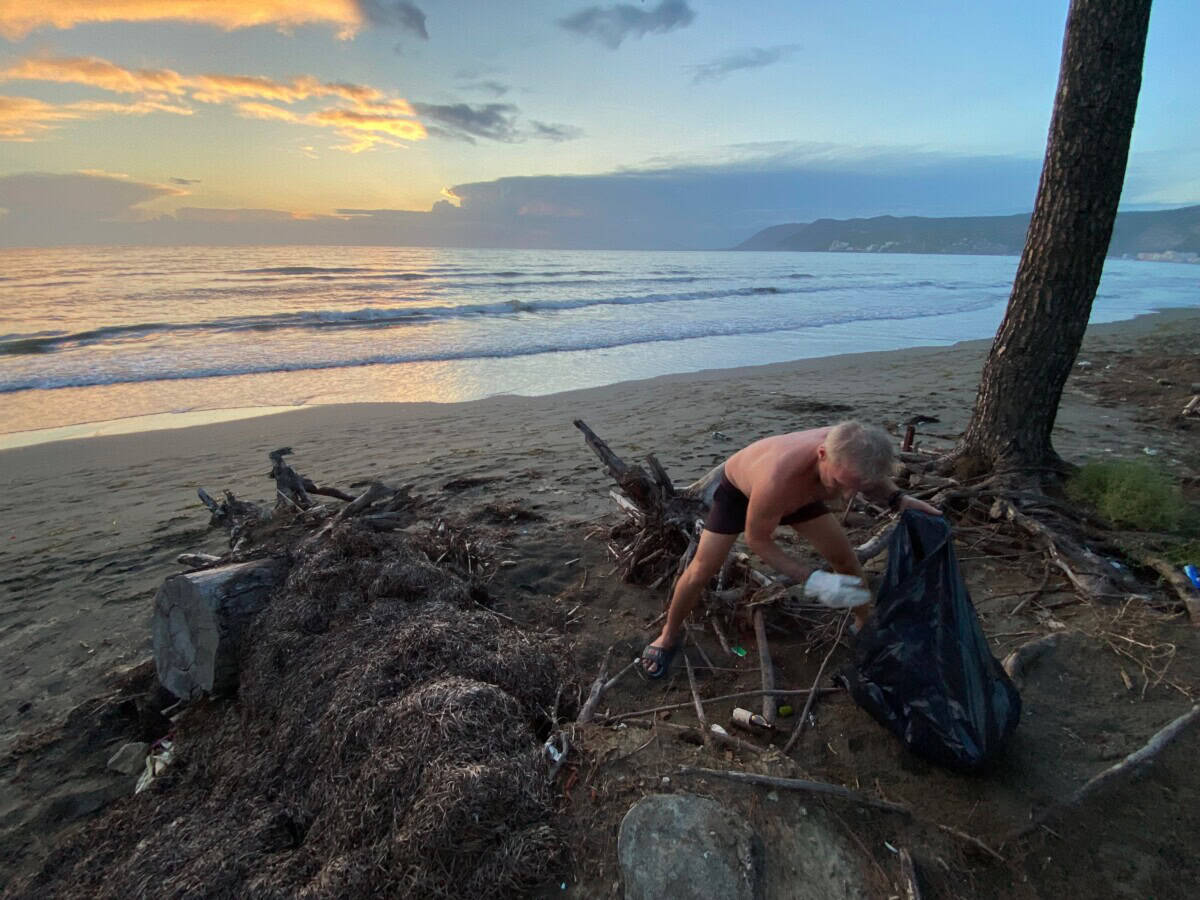
Hope for change today also comes from civic initiatives, which previously had no foothold in Albania — or simply didn’t exist at all. Perhaps the most illustrative example is the organisation EcoAlbania, which recently led a successful campaign to save the Vjosa River from the threat of hydropower plant construction and river regulation. The famous actor Leonardo DiCaprio joined this campaign, using his social media influence to generate enormous international pressure on the Albanian government. The result was the declaration of the Vjosa as Europe’s first wild river national park and its inscription on the UNESCO list. Movements such as Green Line Albania are also emerging, mobilising volunteers and schools to clean up beaches, while local communities in the Accursed Mountains (Bjeshkët e Namuna) are actively defending their forests against illegal logging.
Foreign Funding and the Shadow of Corruption
The current transformation of waste policy is reasonably well funded from abroad — for instance, through EU funds and German development banks. Tens of millions of euros are being directed toward the construction of modern landfills and wastewater treatment plants. However, the money keeps running up against one of Albania’s deeply ingrained problems: corruption. The biggest and most recent scandal involves the incineration plant affair in Tirana. The state allocated enormous sums for their construction, but investigations revealed that millions of euros had disappeared into offshore companies, while some facilities either don’t function or don’t exist at all. This case led to the arrest of senior politicians, including the Mayor of Tirana.
The Law on Paper vs. Reality on the Ground
The Albanian state, in its effort to change the mindset of its citizens, is also turning to enforcement. There are, for example, steep fines for throwing litter from car windows (up to 50,000 lek), and eco-inspectors have appeared in Tirana to monitor compliance. There are also attempts to introduce camera systems in cities that would automatically detect drivers breaking the rules. Enforcement, however, remains very sporadic and is virtually non-existent in rural areas. Out in the countryside, it’s not uncommon to see an Albanian grandmother emptying a wheelbarrow full of plastic waste into a ravine, or a truck tipping its load into a river — which then dutifully carries it on to the sea.
A Final Assessment: Is Things Getting Better?
Looking at the overall trajectory, we have to acknowledge that Albania has come an enormous way when it comes to waste management. From the communist era — which meant direct toxic devastation — through the 1990s, which brought plastic chaos and widespread indifference, the country is finally entering a phase of systemic reform. In many respects, the state of nature today is better than it was under communism, thanks to the decline of environmentally destructive heavy industry — yet worse in terms of microplastics and municipal waste. We want to believe that the outlook for the future is an optimistic one. We base this at least on how much progress Albania has made in this area over the past five years, which we’ve had the opportunity to witness firsthand.
It is also worth mentioning that Albania generates 100 % of its electricity from water, and in recent years has begun investing heavily in solar energy to reduce the risks associated with drought periods. This makes it, alongside Norway and Iceland, one of the few European countries whose energy production is 100% green.
A Generational Shift — Hope Lies with the Young
The pressure of EU accession means the government can no longer afford to ignore environmental issues, and the younger generation of Albanians already sees a clean country as a matter of national pride. Ecology in Albania is no longer just “a topic for enthusiasts” — it is becoming an economic necessity for the survival of tourism and for a successful entry into the European family.
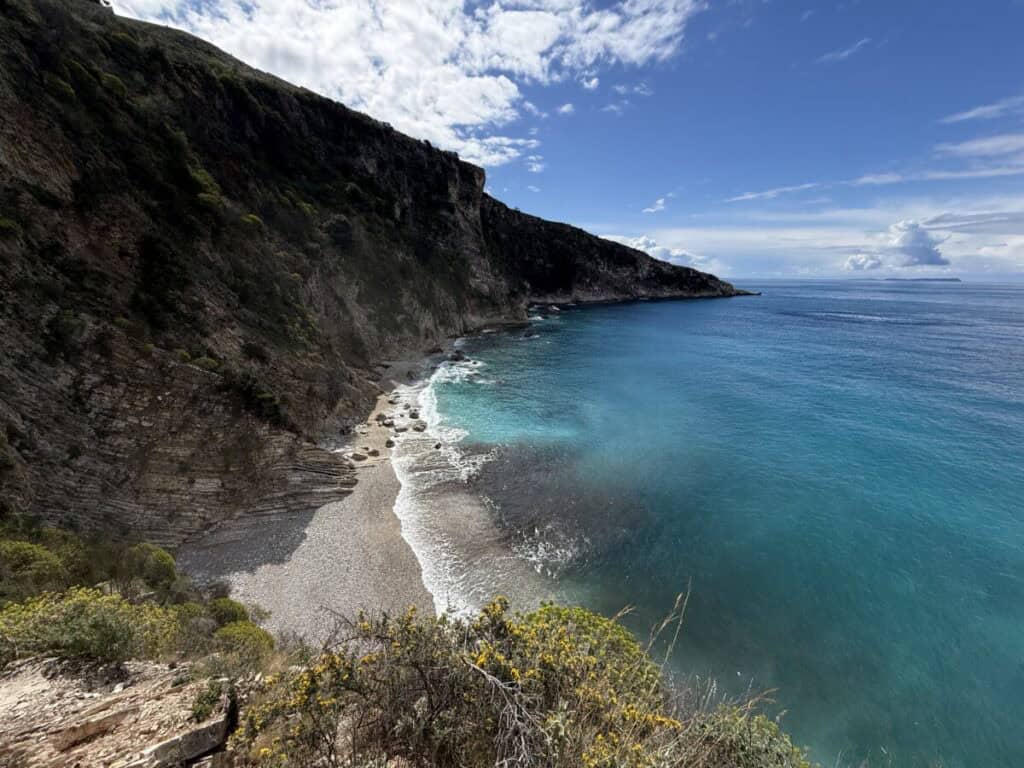
But the most important changes are happening in schools and among young people. Children are already being taught about ecology in schools, and the young generation of Albanians — who travel and see the standards of Western Europe — are no longer willing to live in a country full of rubbish. Ecology is becoming a topic of conversation in cafés not just in Tirana. The road to “European” behaviour will still be a long one, as infrastructure (such as waste sorting in small villages) continues to lag behind, but the direction is clearly set. Albania is beginning to realise that its greatest wealth is not industry, but its pristine mountains and azure sea — natural wonders that tourists want to experience in all their unspoiled beauty.