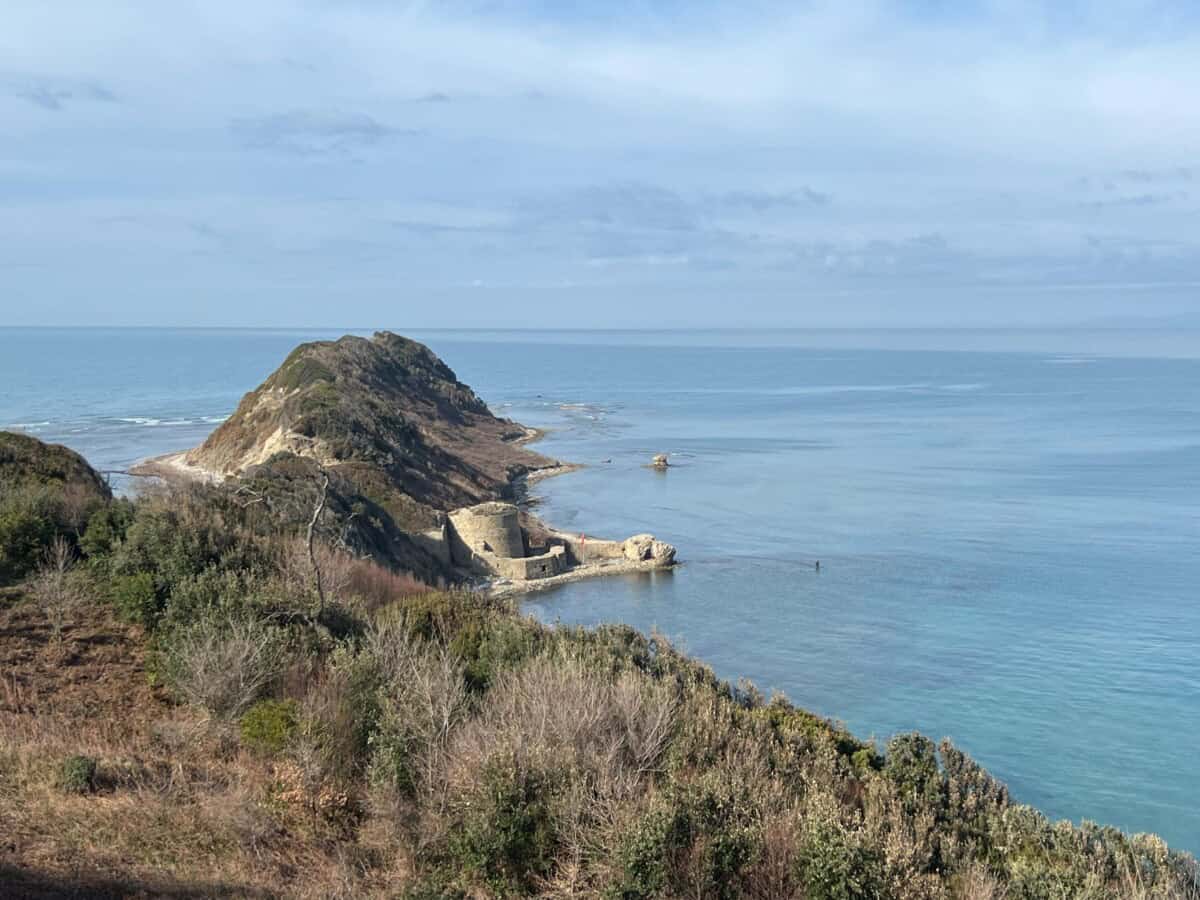
A Castle Submerged in Waves
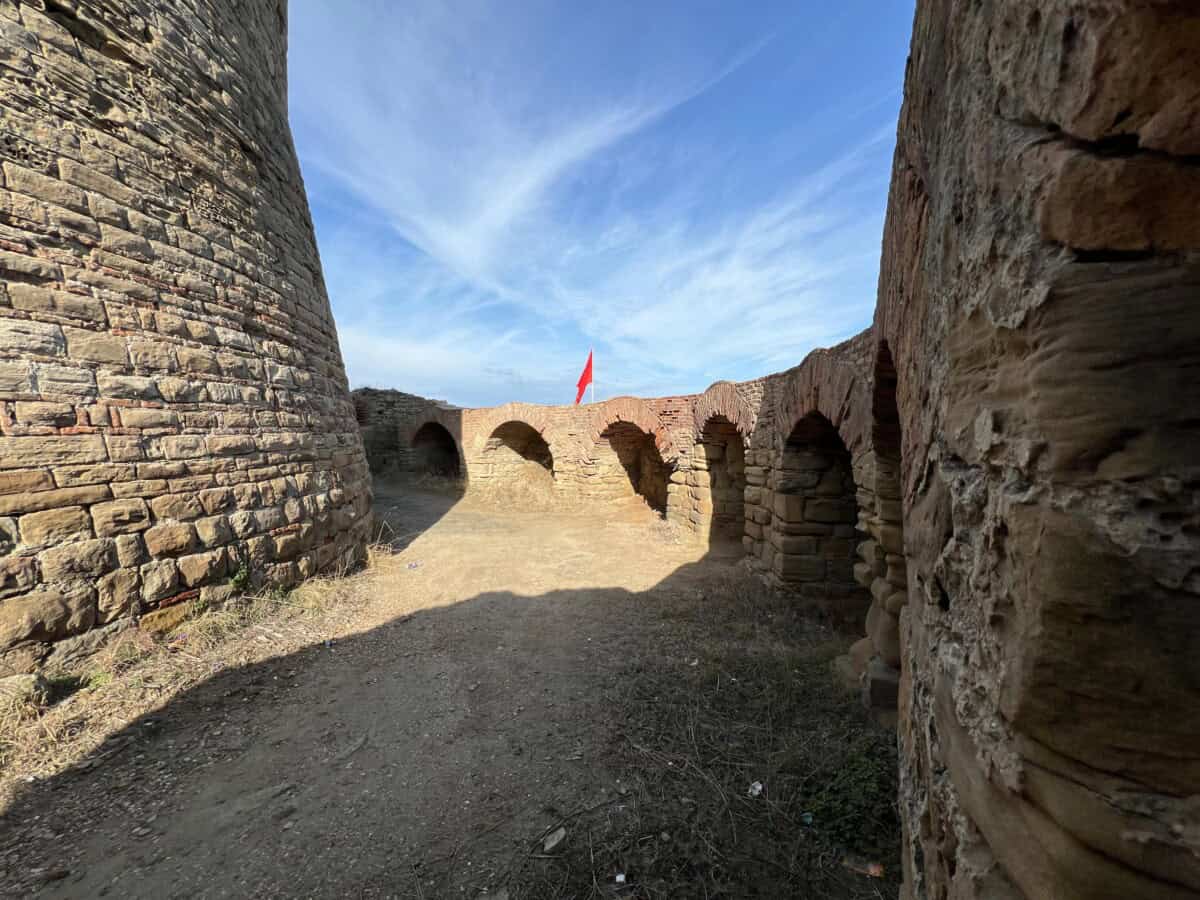
One of the peninsula’s greatest draws is the fortress of national hero Skanderbeg. This hero is the absolute number one for Albanians – almost a god. And it’s no wonder. During the resistance against the Turks in the 15th century, he demonstrated incredible determination and courage. To this day, he remains an immortal symbol of Albanian pride. He had this fortress built in 1452 to create a safe harbour and a defensive bulwark against the Ottoman fleet. You couldn’t find a more strategic location. Today, only the massive walls and a tower remain, and at high tide they stand almost within the waves themselves.
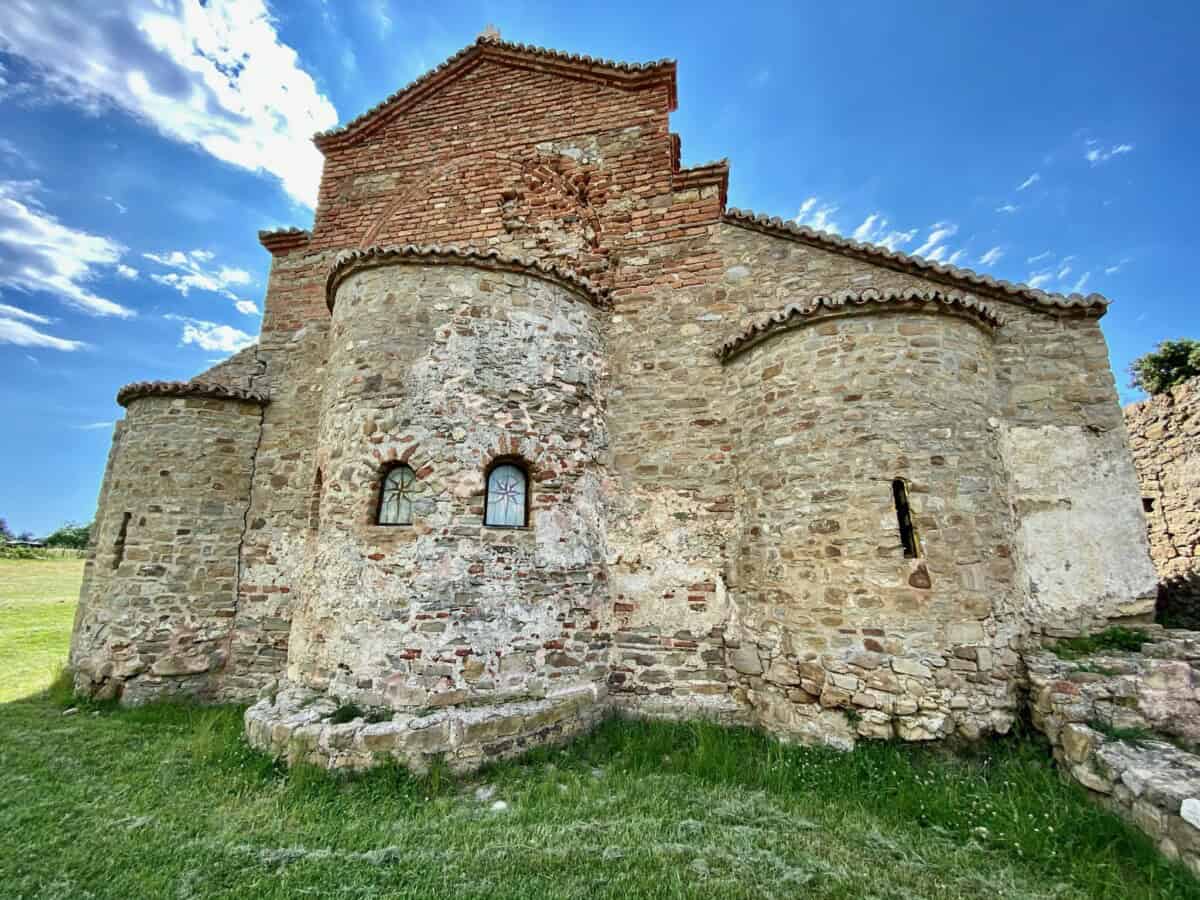
The Church of Saint Anthony: A Beacon of Calm in the Wilderness
The first thing you’ll encounter after parking on the peninsula is the small Church of Saint Anthony (Kisha e Shën Ndojit). This relatively modest Byzantine stone structure looks like something straight out of a fairy tale. It has weathered a great deal — pirate raids, centuries of Ottoman rule, and the paranoid atheist campaign of Enver Hoxha. By all accounts, the church was part of a monastery built in the 14th–15th century, and it belongs to the Romanesque-Gothic architectural tradition, as evidenced by its combination of rounded and pointed forms. It was restored in 2024–25. The church’s spiritually fragile beauty stands in striking contrast to the unyielding mass of the fortress.
Not All History Has Been Uncovered
Some historians suggest that flooded passages lie beneath sea level around the fortress, and divers reportedly still discover remnants of old anchors and pottery shards on the seabed. It was from here that Skanderbeg maintained his connections with the Kingdom of Naples and the Papal States. Rodon was not merely a fortress — it was Albania’s “window to Europe.”
Practical Tips
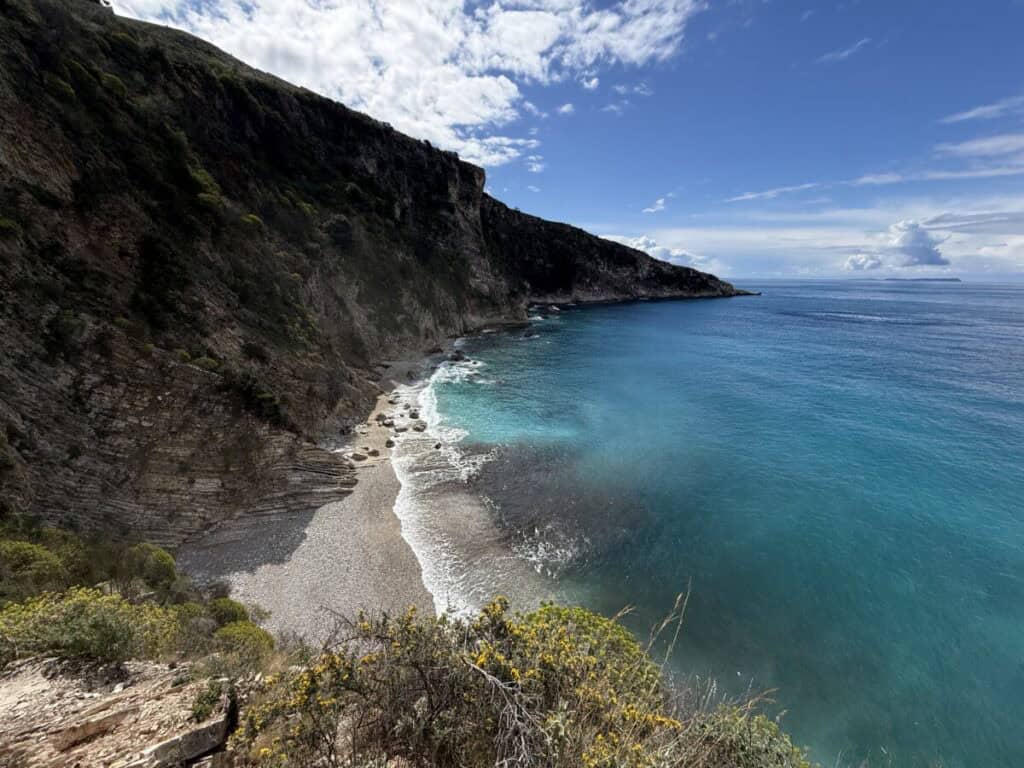
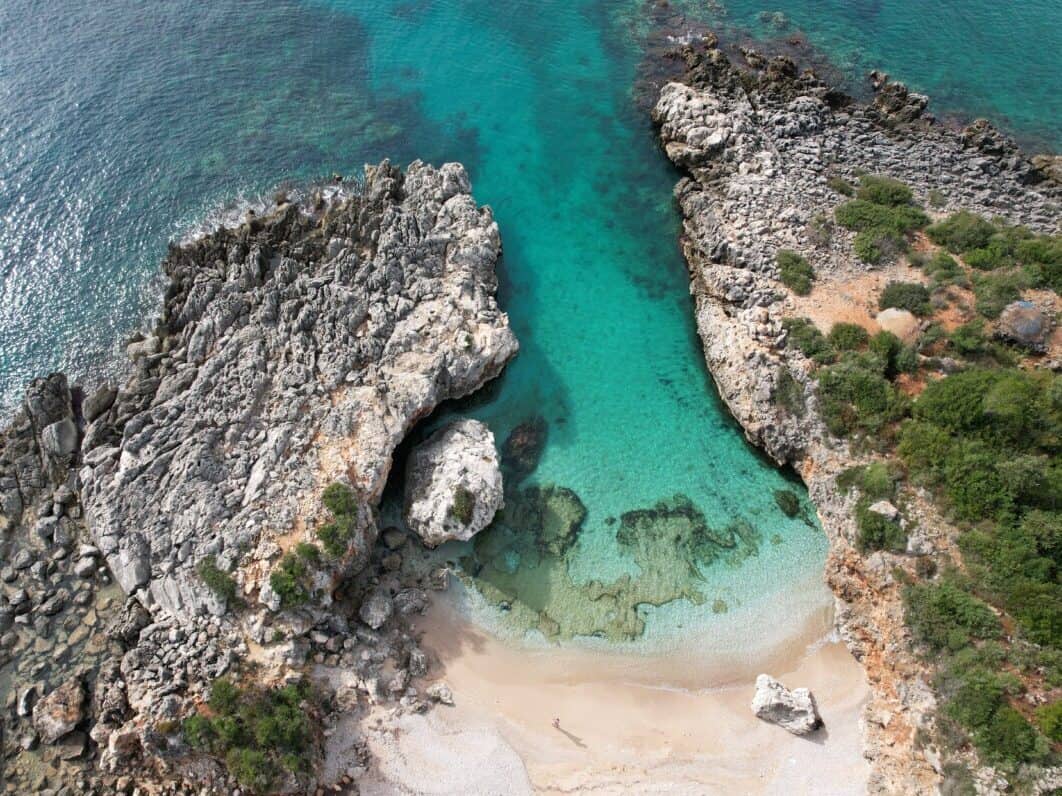
After paying a small entrance fee, you can park roughly in the middle of the peninsula, near the Church of St. Anthony. The fortress itself is not accessible by car. From the car park, you’re looking at about a fifteen-minute walk along a ridge trail that even children accustomed to hiking can handle. Your reward will be views of jagged cliffs that are reminiscent of the Scottish coastline. Along the way, you’ll come across concrete bunkers. At Rodon, they don’t feel like a scar on the landscape — rather, they serve as a futuristic reminder of this place’s defensive character. Cape Rodon will delight those who aren’t looking for comfort, but for wild nature intertwined with history.
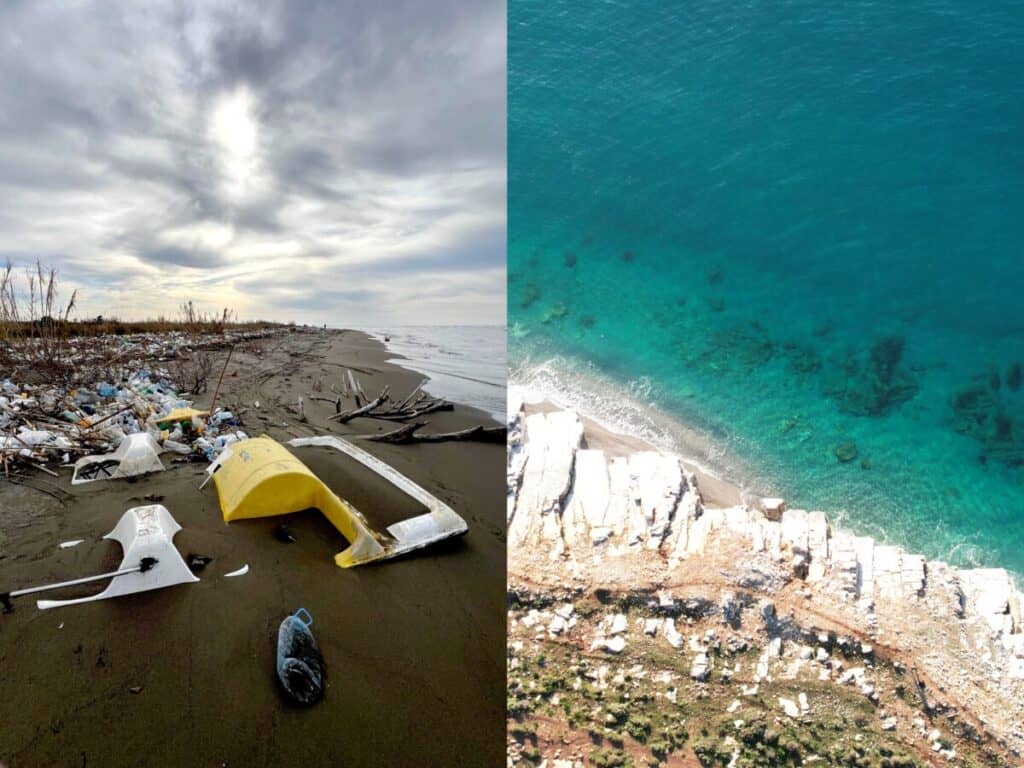
One potential source of disappointment may be the area around the fortress, which is often littered with rubbish washed ashore by the sea. The Durrës city administration makes periodic efforts to clean it up, but the tides are relentless and the shoreline is always receiving fresh unwelcome deposits.