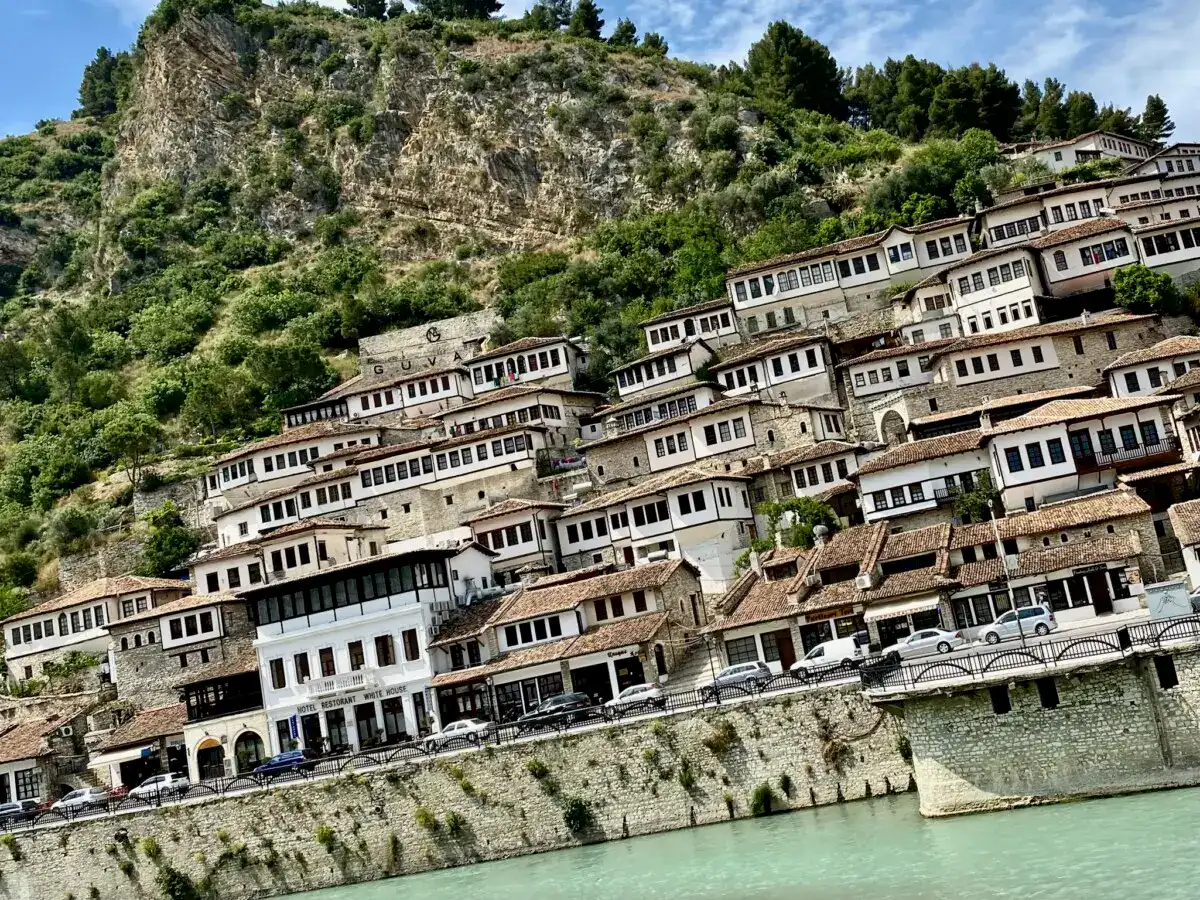
Berat: Where Ottoman History Is Reflected in the River
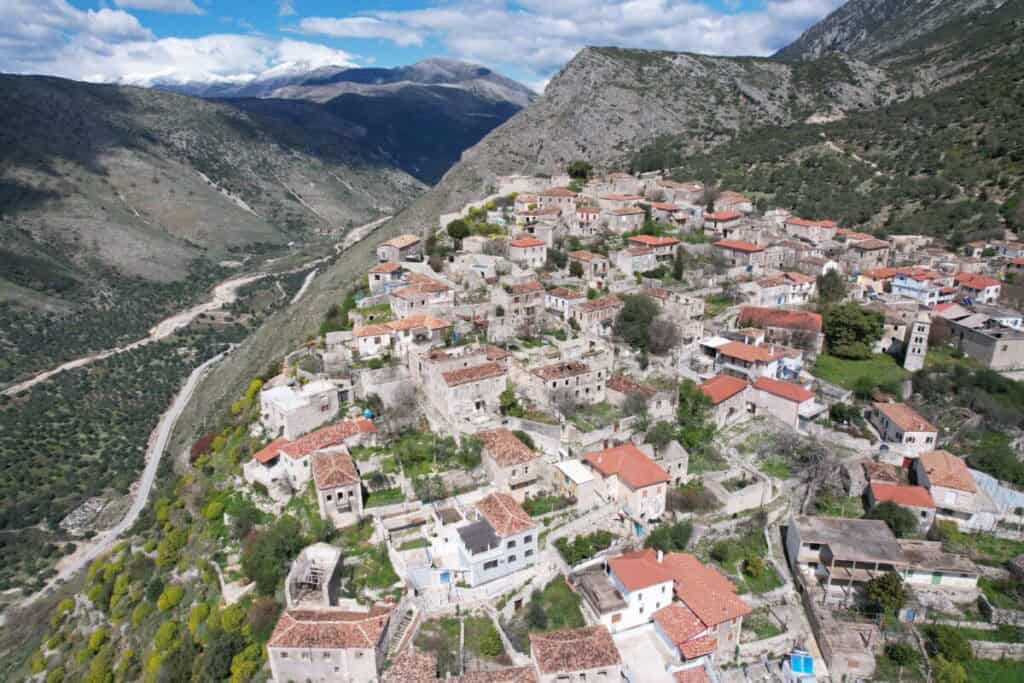
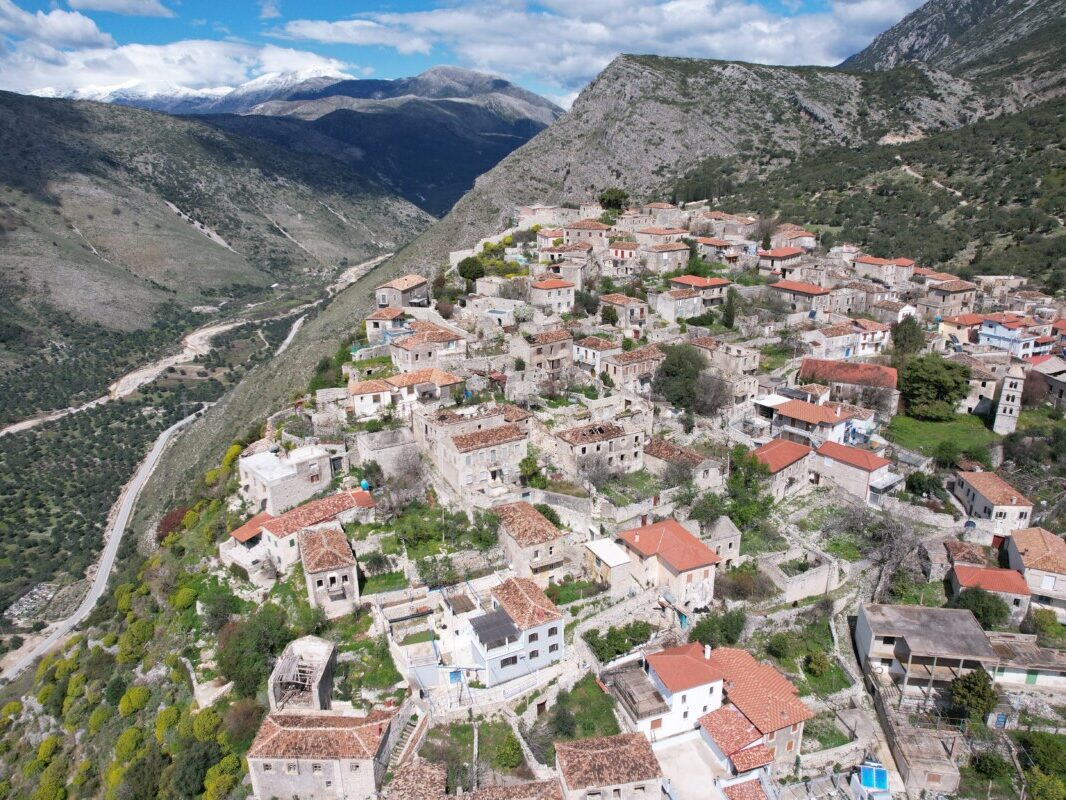
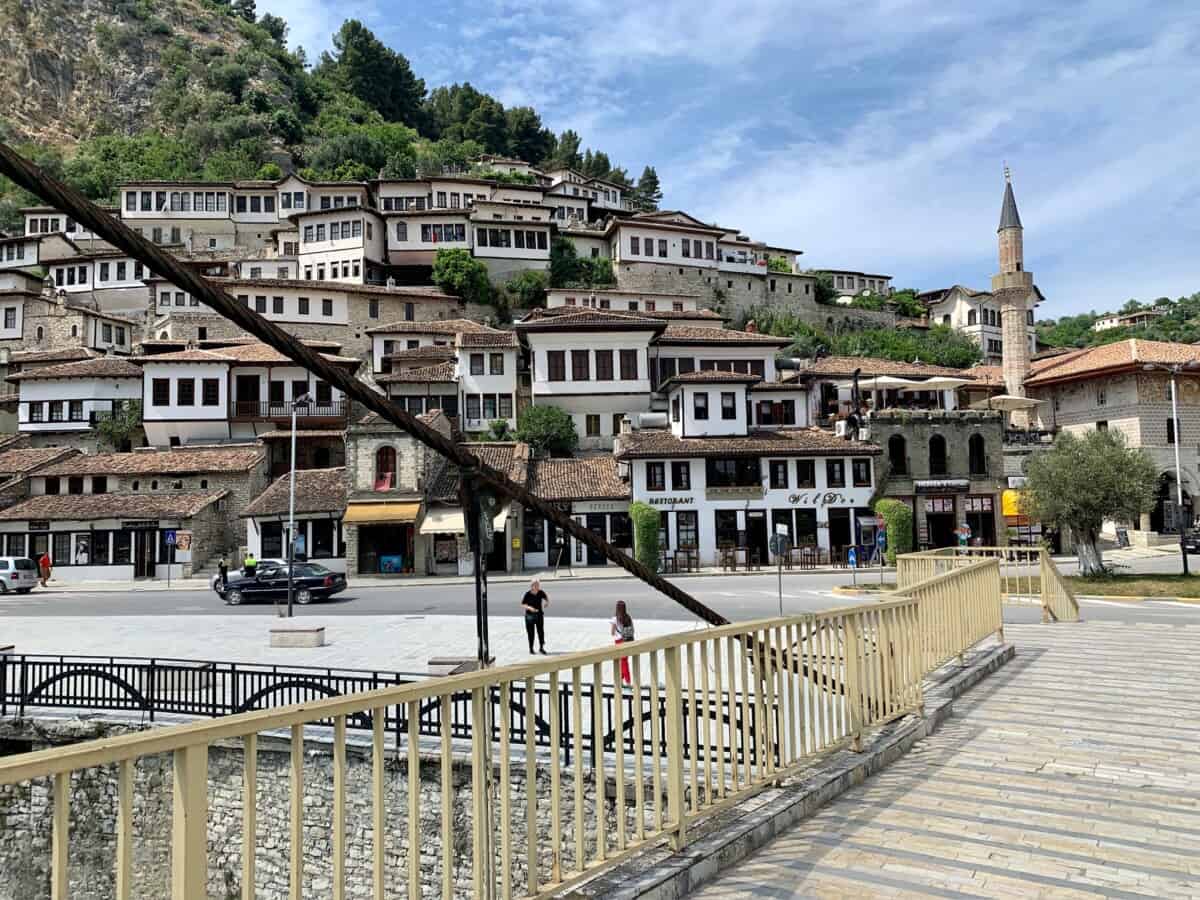
Berat is something like illustrated poetry. When you stand on the banks of the Osum River and gaze upon the Mangalem and Gorica quarters, you’ll understand why it’s called the “city of a thousand windows.” White houses with dark wooden window frames are stacked so closely together, as if afraid that without one another they’d tumble into the valley. You’ll find yourself drawn back to this view again and again.
The biggest surprise, however, awaits you up in the citadel. Unlike other European castles, you won’t be wandering through a lifeless museum here. People actually still live here. Among well-preserved Byzantine churches and museums, grandmothers hang their laundry out to dry, children kick footballs around, and the narrow lanes are filled with the scent of freshly brewed coffee enjoyed by the locals who call this place home. Life among thousand-year-old stones — there’s something beautifully melancholic about it.
But this place offers more than just strolls through stone-paved streets and fascinating glimpses of original frescoes over a thousand years old. Thanks to its hilltop position, you’ll also be treated to breathtaking views over the Osum River valley and the Tomorr and Shpirag mountain ranges, which stand like silent guardians watching over the tranquillity of Berat.
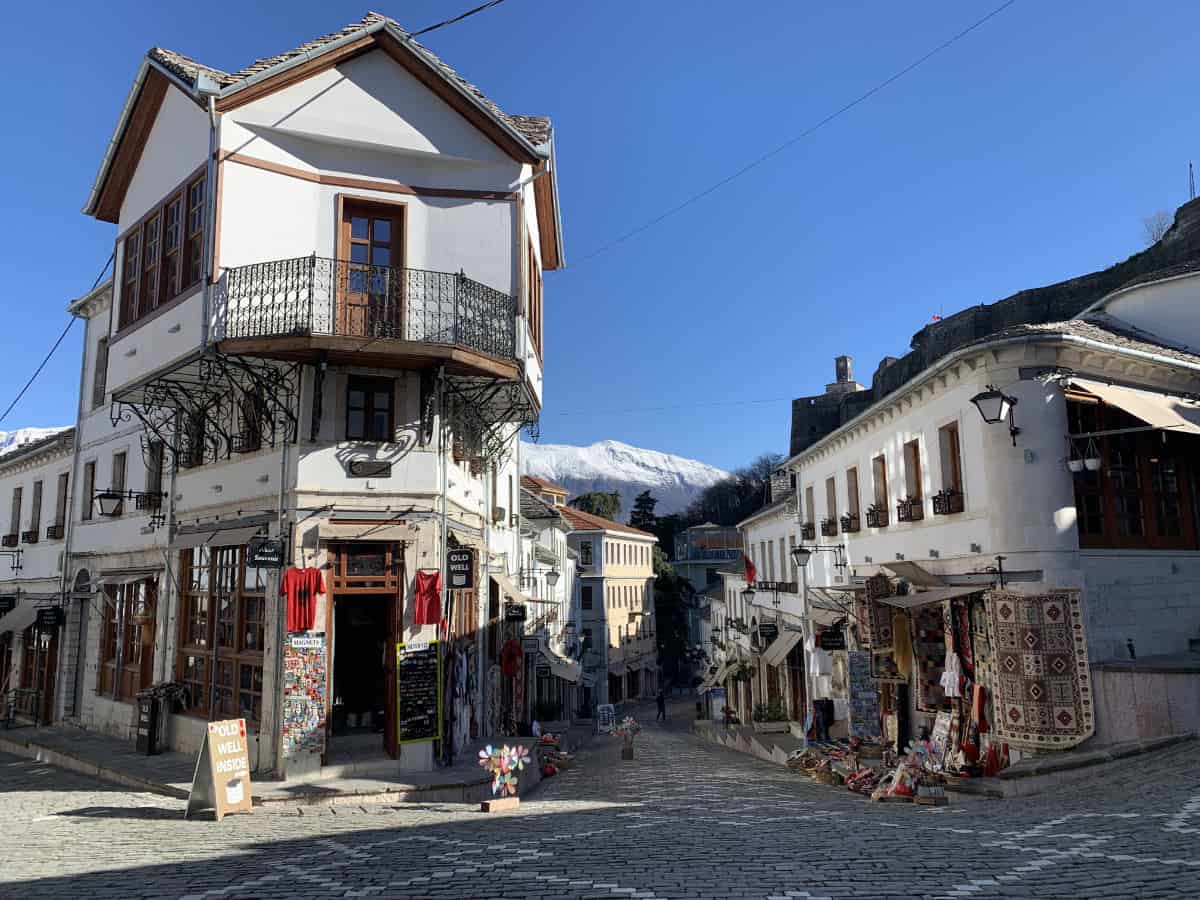
Gjirokastër: The Stone City That Captivates
Gjirokastër is different. It’s rougher, more sprawling. While Berat is relatively compact, Gjirokastër strikes you with its sheer monumentality. Here, windows aren’t the defining feature. Instead, it’s the grey slate rooftops that shimmer silver in the sunlight after rain. This is the city of the dissident writer Ismail Kadare and, paradoxically, of the communist dictator Enver Hoxha. Two men born in the same streets of Gjirokastër who went on to take very different paths — one became a dictator, the other a critic of that very dictatorship.
The fortress in Gjirokastër is colossal. As you walk along its cool ramparts — where you’ll find, among other things, an American T-33 aircraft from the Cold War era — you feel the weight of centuries of history alongside more recent times. Marxism-Leninism left deep marks here, echoed today in the military museum. The Ottoman era, meanwhile, lives on in the houses built in classic Turkish architectural style.
The Transformation of Berat and Gjirokastër
Both cities are drawing ever-growing numbers of visitors from around the world — and it’s easy to see why. The history of Berat and Gjirokastër, along with their raw, authentic character, is simply magnetic. That said, it’s worth acknowledging that the rough-around-the-edges quality we experienced here years ago is slowly fading beneath layers of souvenir shops and freshly plastered facades. Even so, both cities will remain essential stops for anyone wanting to understand Albanian history and the Albanian spirit of today. We could talk for hours about Berat and Gjirokastër and still not say everything there is to say. These are places you simply have to experience for yourself.