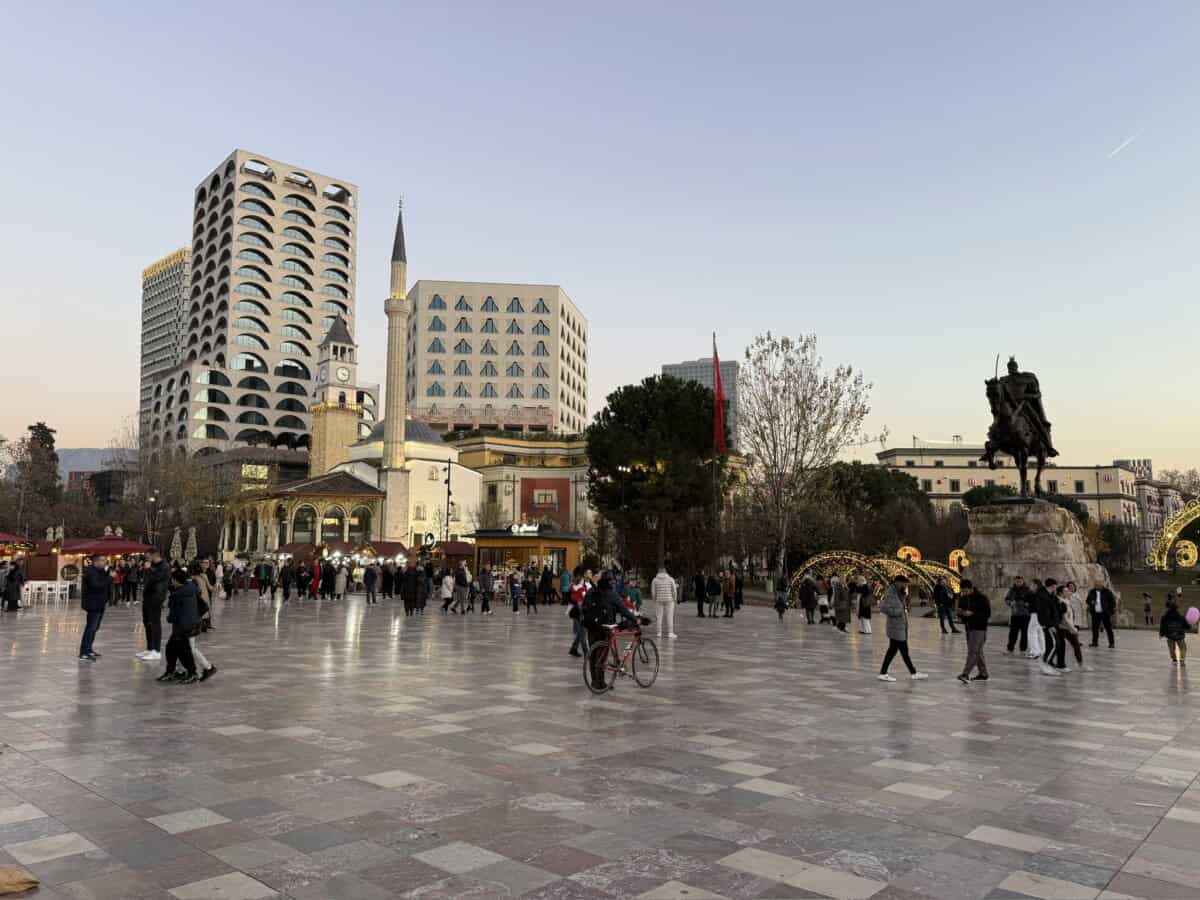
Skanderbeg’s Indelible Shadow and a Pyramid as a Symbol of Society’s Transformation
At the heart of it all is Skanderbeg Square. A vast open space, at the front of which Gjergj Kastrioti Skanderbeg sits on horseback, silently watching as “his” Albania slowly but surely transforms into a digital metropolis of the 21st century. The tension between history and the present hits you immediately, most visibly in the architecture. On one side stands the Et’hem Bey Mosque as a quiet reminder of Ottoman times, in the center a brutalist cultural palace from the communist era, and all around it new skyscrapers in timeless contemporary architecture.
Walk a little further and you’ll come across the Pyramid. Once intended to serve as a mausoleum for Enver Hoxha, today it has been transformed into a modern technology center. It’s a fascinating metaphor for Albania as a whole. What was meant to glorify a personality cult and perpetuate oppression now serves young people in t-shirts bearing the logos of tech giants. The old world is giving way – and a new, dynamic one is taking its place. The old Mercedes cars that once defined Albanian roads are now being replaced by quiet electric SUVs and electric scooters.
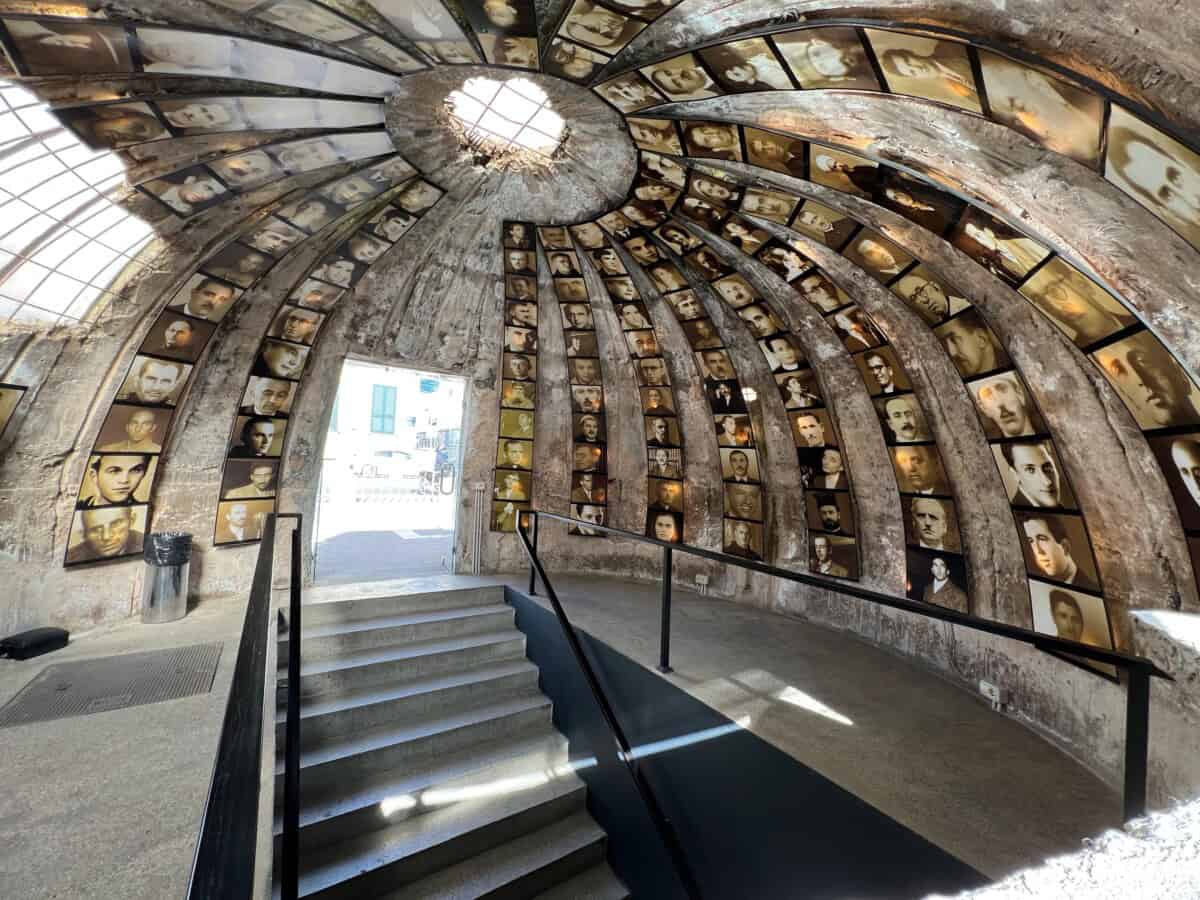
Bunk’Art: A Chilling Reminder of Totalitarianism
If you want to understand what life was like in Albania under communism, you need to descend underground. Bunk’Art 1 and 2 are places that will send a chill down your spine even in thirty-five-degree heat. Thousands of tons of concrete were built to protect the elite from an enemy that never came. Today, these bunkers stand as silent witnesses to a paranoia that wiped the country off the map of Europe for nearly half a century. It’s a sobering history lesson that you simply shouldn’t miss.
Blloku: Where the Night Truly Comes Alive
After returning to daylight, head to the Blloku neighborhood. Under Hoxha, ordinary citizens were forbidden from entering; today it’s the epicenter of nightlife, where coffee flows freely and bars are packed to the brim. It’s yet another place that perfectly illustrates Albania’s ironic twist of fate. Where fear once reigned not so long ago, life is now celebrated loudly and joyfully.
Mosques: Remnants of the Ottoman Empire and Part of Modern Islam
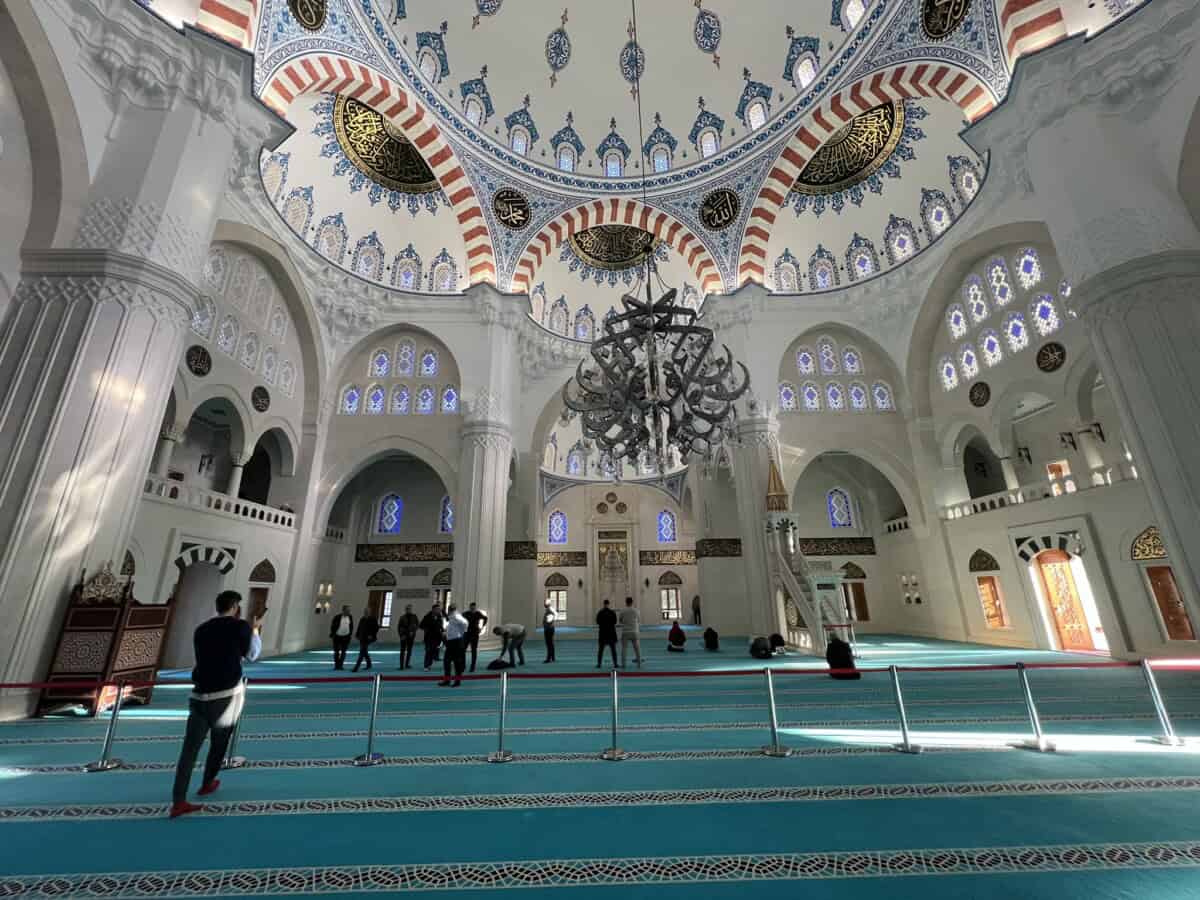
The Et’hem Bey Mosque is a quiet gem that miraculously survived communism. Step inside and the delicate frescoes featuring motifs of trees will transport you to the ancient Orient. Just a few blocks away rises the new Namazgah Mosque, opened in 2024 and built with the support of modern Turkey. This grand structure with four minarets is the largest mosque in the Balkans. It’s a symbol that makes clear modern Islam is very much a part of Albania. The contrast between the intimacy of Et’hem Bey and the majesty of Namazgah beautifully reflects the spectrum between historical identity and ambitious modern grandeur.
The Bazaar and the Fortress – History in a New Light
If you’re looking for a place where the old ways of trading still feel alive, don’t miss the Pazari i Ri market. Modernization has left its mark here too, in the form of a gleaming glass roof, but beneath it the air still carries the same scent it has for centuries – fresh tobacco, homemade gjizë cheese, and olives. When you’re ready for some peace and quiet, duck behind the walls of Kalaja e Tiranës fortress. Only fragments remain of the original Byzantine fortifications, but within those walls a charming modern promenade has emerged, filled with craft shops and restaurants. It’s the perfect place to sit and reflect on how a modern European metropolis can rise from the dust of history.
Coffee, Chaos, and Perspective
Tirana will teach you to slow down. The moment you sit down with a cup of excellent coffee and start watching Albanians stroll by, you’ll find that Tirana, its people, and Albania as a whole are working their way into your heart. You take in the lively Albanian hustle and bustle, from which – paradoxically – a quiet sense of ease, mutual respect, and unmistakable Albanian pride somehow radiates. You just feel good. The city is changing, wide boulevards are expanding, and older buildings are making way for new developments. Before you, you see a city taking a deep breath, shedding its past as a museum piece and stepping into its role as a modern European capital. Paradoxically, despite the pace of change, you sense that here, no one is in a rush. And chances are, you’ll be more than happy to let that feeling rub off on you.