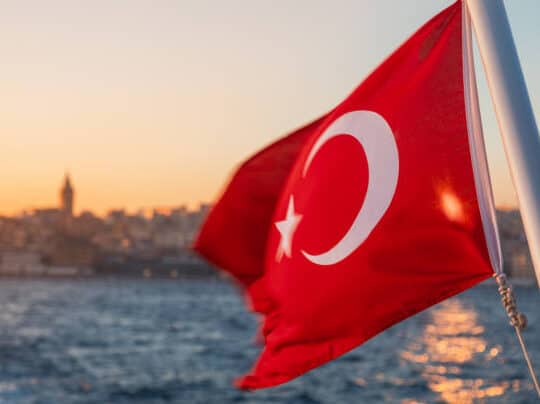
Over several centuries of Ottoman rule, the Albanian language absorbed many Turkish words that are still used today, particularly in the areas of everyday life, cuisine, fashion, and administration. Here are some examples
Gastronomy: Flavors with Turkish Names
Over several centuries of Ottoman rule, the Albanian language absorbed many Turkish words that are still used today, particularly in the areas of everyday life and cuisine.
- bakllava – a traditional sweet (Turkish: baklava)
- pilaf – a rice dish
- llokum – a Turkish sweet – “Turkish delight”
- salep – a drink made from orchid root (Turkish: salep)
- shishqebap – grilled meat on a skewer
READ ALSO: 10 TRADITIONAL ALBANIAN DISHES YOU MUST TRY
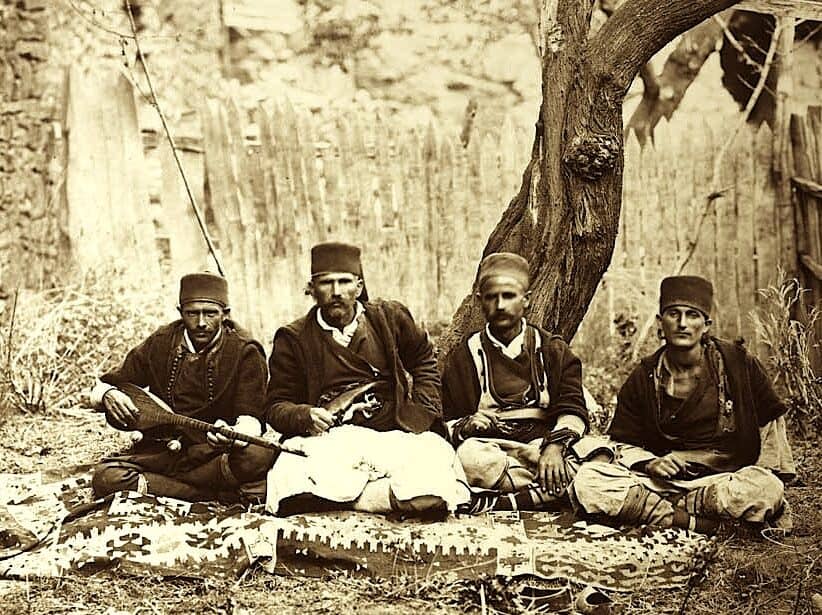
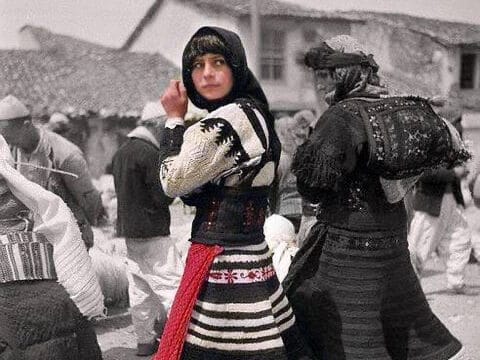
Clothing-Related Words
The influence also extended to what Albanians wore and what tools they used in their homes.
- çorape – socks (Turkish: çorap)
- jelek – a vest (Turkish: yelek)
- çitjan – underpants or underwear
- këmishë – a shirt (from the Turkish gömlek)
Words from Everyday Life
- avull – steam (from the Turkish buhar)
- kaush – a cone or basket (from the Turkish koş)
- çekiç – a hammer (from the Turkish çekiç)
- dollap – a wardrobe or cupboard (from the Turkish dolap)
- pazar – a market or bazaar (from the Turkish pazar)
- xham – glass or a window (from the Turkish cam)
Administrative and Military Words
- bej – the title of “lord” or “governor” (from the Turkish bey)
- kajmekam – a lieutenant governor (from the Turkish kaymakam)
- teslim – surrender or handover (from the Turkish teslim)
Words from the Religious Sphere
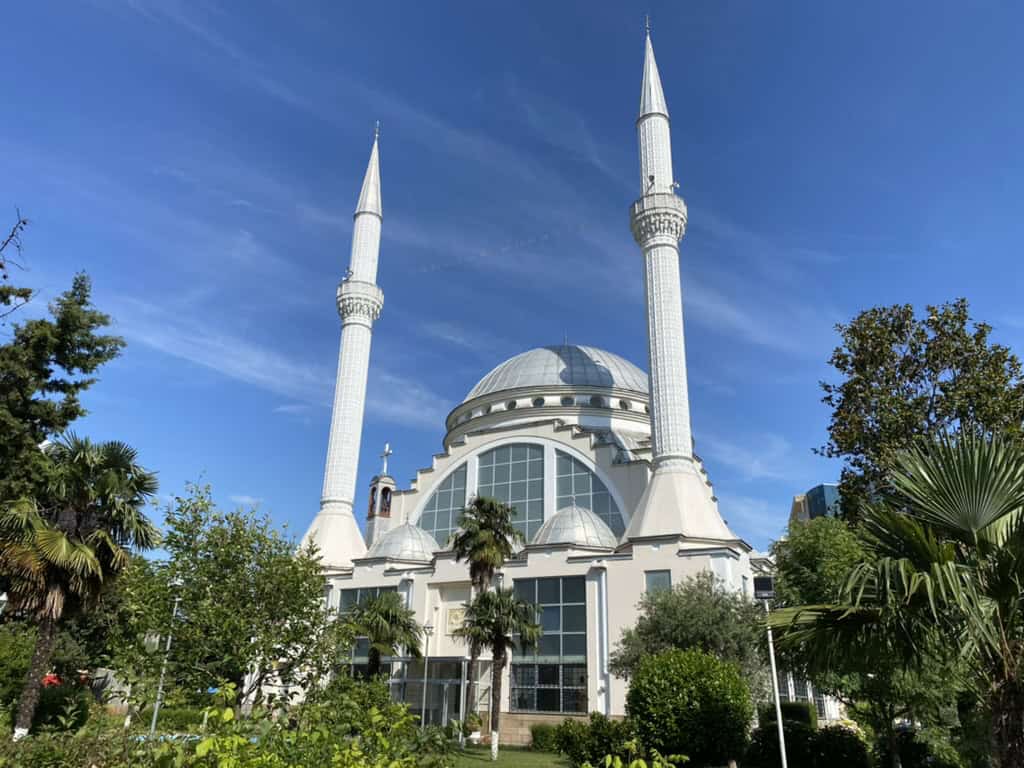
- xhamia – a mosque (from the Turkish cami)
- imam – a spiritual leader
- medrese – an Islamic school (from the Turkish medrese)
- sheh – a sheikh (from the Turkish şeyh)
Social and Cultural Expressions
- bajram – Bajram (an Islamic holiday)
- han – an inn
- çarshi – a marketplace or bazaar (from the Turkish çarşı)
- kalabalik – a crowd or commotion (from the Turkish kalabalık)
Linguistic Identity: The Quest to Return to Illyrian Roots
These words illustrate how deeply Ottoman influences were woven into Albanian culture and language. In modern Albanian, however, efforts have been made to replace some Turkish words with original Albanian expressions, particularly during the 20th century, when the country moved toward strengthening its own identity. Overall, though, Albanian has retained much of its distinct character. Scholars maintain that the Albanian language is a continuation of the language of the ancient Illyrians.
READ ALSO: THE ORIGINS OF ALBANIANS AND THE PHENOMENON OF THE ALBANIAN LANGUAGE