The Bektashi Order: A Mystical Islam That Embraces Freedom and Tolerance
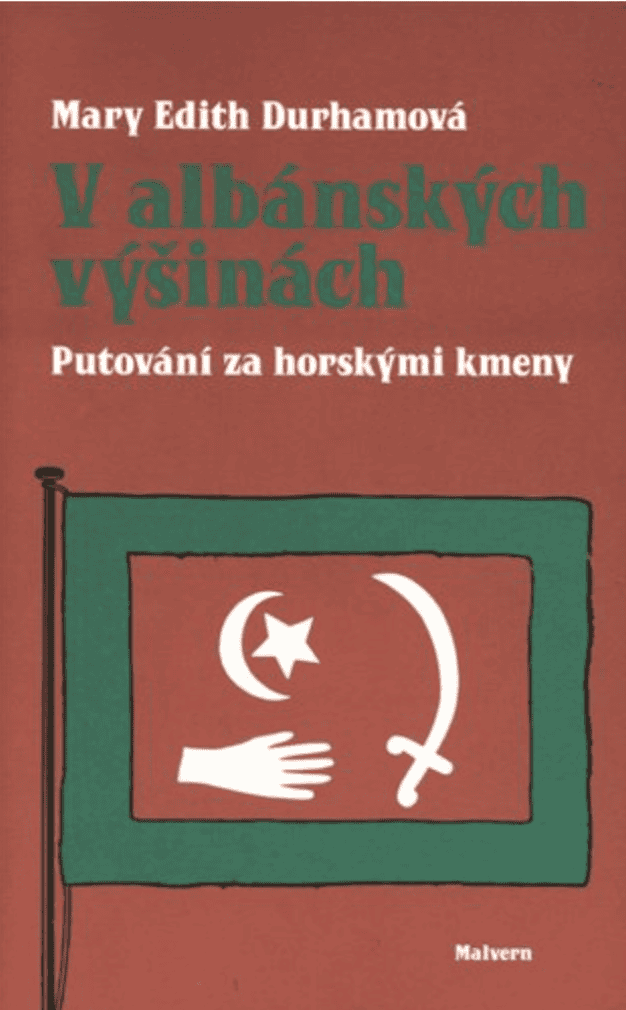
This is essentially a local and distinctive religious community — an order with a complex and remarkably rich history. Their faith blends a liberal interpretation of the Quran with mysticism, elements of pre-Islamic belief, and the veneration of deceased prophets. It partially preserves certain pre-Islamic customs, does not observe some Muslim rituals (including prayer), and has incorporated many elements of Christianity and Shia Islam. The Bektashi Order permits alcohol and firmly rejects fundamentalism and terrorism. The Sunni orthodox branch of Islam considers Bektashism to be immoral and heretical.
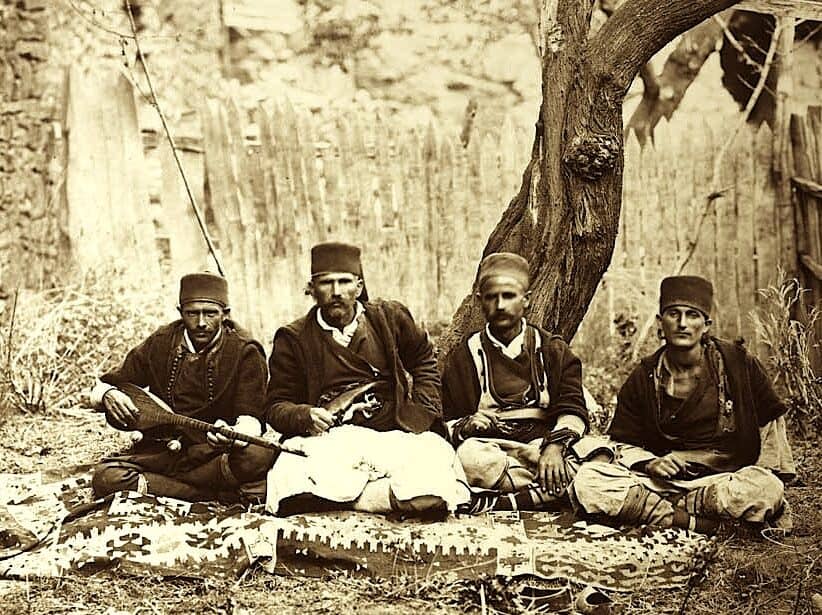
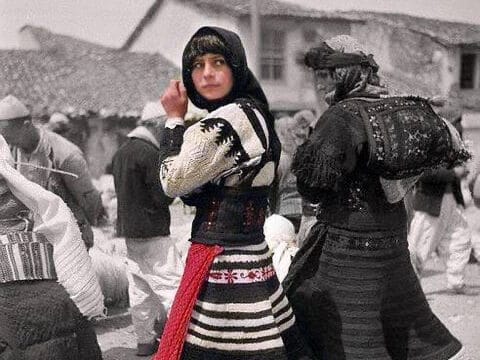
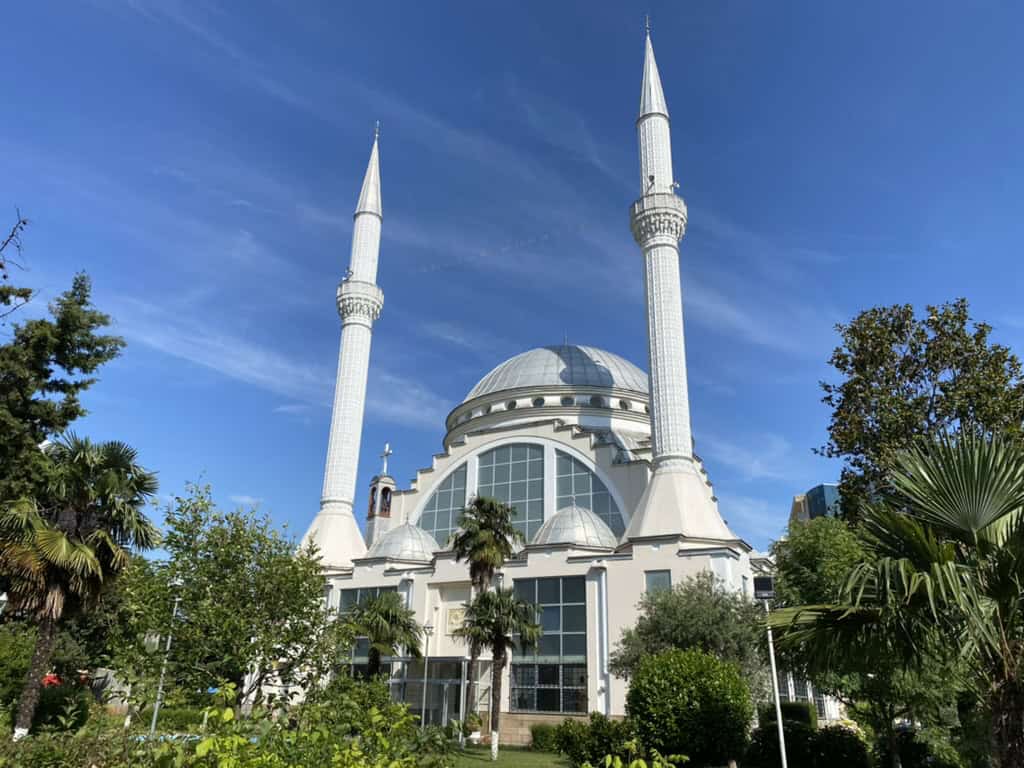
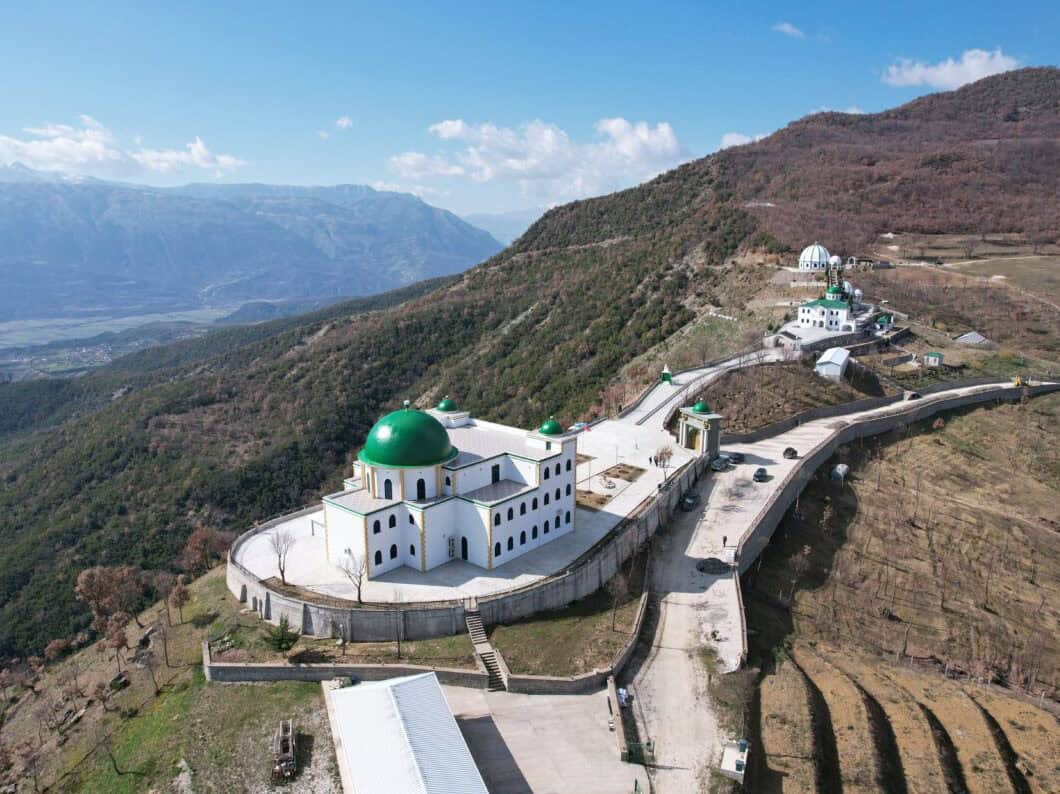
A defining characteristic of the order is religious tolerance — which is why its members have no issues with Christians or followers of other faiths. There is also a remarkable degree of equality between men and women, who have enjoyed equal rights for 800 years. One telling example: men and women pray together in the same room. Their places of worship are called tekke. The Bektashi Order’s tolerance toward other faiths contributed to the conversion of part of Albania’s Christian population to the order during the period of Ottoman rule.
From Persecution in the Ottoman Empire to a Headquarters in Tirana
The brutal persecution of the Bektashis in the Ottoman Empire began in 1826. They were next on the elimination list after the Janissaries — the elite infantry units of the Ottoman army, recruited from the empire’s non-Muslim (Christian) population. In 1912, Ottoman rule finally came to an end. A major influx of Bektashis from Turkey followed after 1925, when the Turkish leader Atatürk dissolved all Sufi orders. Based on a resolution passed at a Bektashi congress, the order’s headquarters relocated to Albania, with Tirana becoming its new center. At that time, the order counted approximately one hundred and fifty to two hundred thousand members.
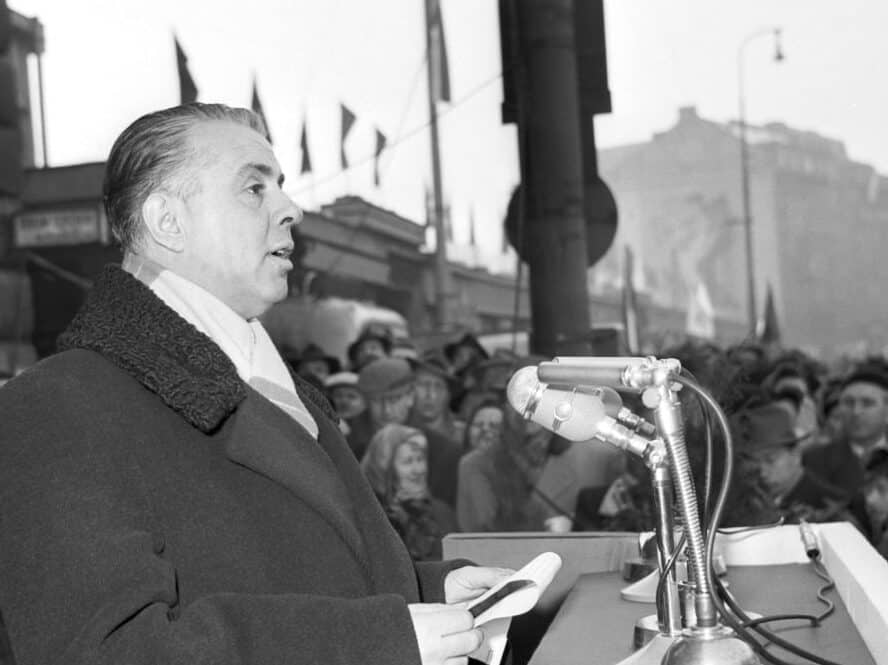
A severe blow to all religious communities in Albania — Islam, Orthodox Christianity, and Roman Catholicism — was dealt by the increasingly powerful communist regime under Enver Hoxha. Attacks on all religions culminated in 1967, when Enver Hoxha officially declared Albania an atheist state: “Albania is the world’s first atheist state, whose only religion is Albanianism,” he proclaimed. From that point on, many tekke were closed, and some were repurposed for entirely different uses — such as care homes for the elderly.
The Future: Will a “Muslim Vatican” Rise in Tirana?
After 1990, the Bektashi faith was revived in Albania by Edmond Brahimaj, known as His Holiness Haxhi Dede Baba, who has long been a vocal opponent of Islamic extremism. Today, around 20% of Albanians identify as Bektashi, making it one of the country’s four officially recognized state religions. According to a 2024 proposal put forward by Albanian Prime Minister Edi Rama, a new Bektashi state modeled on the Vatican is to be established in the Albanian capital. The Prime Minister stated that the goal of the new state is to promote a tolerant version of Islam that Albania can be proud of. The state is to be called the “Sovereign State of the Bektashi Order” and is set to be created in the eastern part of Tirana, where the Bektashi patriarchate currently has its seat. Whether this will come to fruition remains under discussion.
“Everyone Prays for What They Don’t Have”
One of the anecdotes that members of the order share among themselves perfectly captures the free-spirited nature of the Bektashi faith. A Bektashi is attending a regular ritual at the tekke. Those around him are praying: “May God grant me faith.” He, however, is muttering: “May God grant me plenty of wine.” The imam overhears this and angrily asks: “Why are you asking God for sin instead of faith like everyone else?” The Bektashi replies: “Well, everyone prays for what they don’t have.”